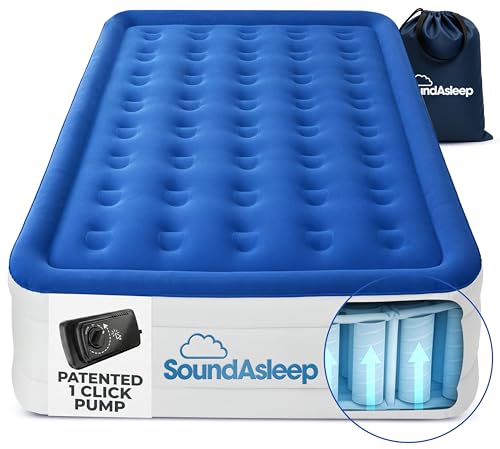
Best Blankets to Give Homeless: 2026 Checklist for Giving Well
Disclosure: We may earn a commission when you buy through links on this page, at no extra cost to you. As an Amazon Associate I earn from qualifying purchases. Learn more

Warm, light and washable: a checklist for the best blankets to give homeless neighbors and shelters.
When you buy blankets for people sleeping outside or in shelters, the stakes are different from buying for your own bed. A blanket that is hard to carry, slow to dry, or ruined by one industrial wash does little good, however kind the intention. The best blankets to give homeless people are warm, light, tough, and easy for shelters to launder in bulk.
This guide uses a checklist built for donation. It covers the materials that hold up outdoors, the sizes that work for both street outreach and shelter bunks, and the questions to ask a shelter before you spend anything. The comparison table below gives a quick overview of suitable types.



How to Evaluate Blankets for Donation
Material and Fill
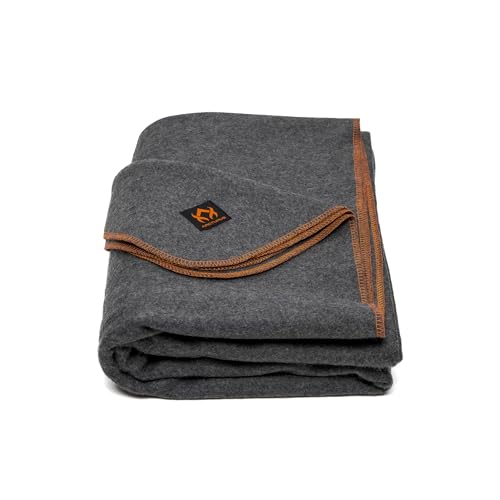
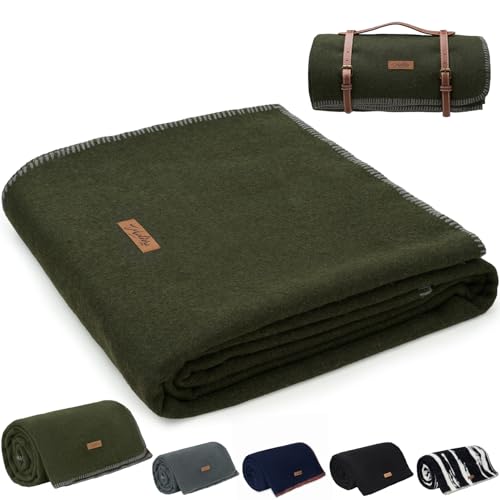
Synthetic fibers lead this category for practical reasons. Polyester fleece and microfiber keep insulating when damp, dry quickly after rain or washing, and cost little enough to buy in quantity. Wool is the one natural fiber that also insulates when wet, and surplus style wool blankets have a long record in outreach work, though they cost more and weigh more. It helps to weigh this against your own routine when choosing the best blankets to give homeless.
Cotton is the weakest choice outdoors because it absorbs water, stays cold and heavy, and dries very slowly. Down should be avoided entirely, since it collapses when wet and needs careful washing.
Warmth in Cold and Damp Weather
Warmth ratings for blankets are informal, so judge by weight, loft, and fabric density instead of marketing words. A medium to heavy fleece or a wool blanket gives real protection on cold nights, especially layered over clothing and under a tarp or coat. In mild climates, a lighter blanket may serve better because it is easier to carry all day. Think about your local winter honestly: a blanket suited to a frost free coastal city is not enough for a northern January.
Certifications and Safety
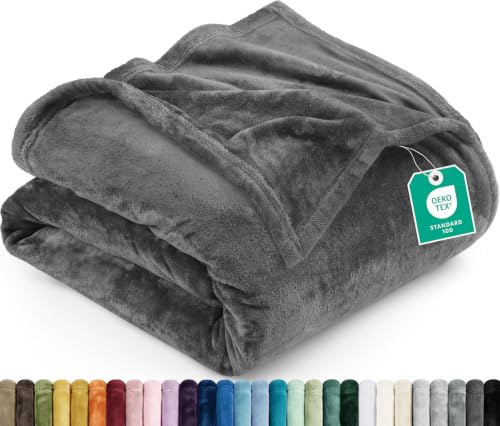
Donated blankets should be clean, new, and free of strong chemical odors. OEKO TEX Standard 100 certification is a useful sign that a textile was screened for harmful substances, which matters for items used against skin for long hours. Avoid blankets with loose flame retardant claims or heavy fragrances. If you are buying in bulk from an unfamiliar supplier, order a small sample case first and wash one blanket hard to see how it holds up before committing to a large order.
Durability and Care
Shelters wash blankets constantly, often in commercial machines at high temperatures, so durability under rough laundering is the core test. Look for blankets that tolerate hot water, dry quickly in a commercial dryer, and have stitched or bound edges that will not unravel. A blanket that needs gentle handling will not survive shelter laundry, and one that takes hours to dry creates a bottleneck when beds turn over nightly. Simple, single layer construction usually beats plush, layered designs for this work.
Weight and Ease of Carrying
A person carrying everything they own will abandon a blanket that is too heavy or bulky, so portable warmth is the goal. Most outreach workers aim for a blanket that rolls or folds small enough to strap to a backpack. Lightweight fleece and compact wool blankets both fit that brief. If you hand blankets out directly, watch how people receive them: a blanket that fits in a bag alongside food and documents is far more likely to still be with its owner a week later.
Size and Fit
A twin size blanket, roughly 60 by 80 inches or larger, lets an adult wrap fully while sleeping, which matters far more than neat bunk coverage. Smaller throws leave feet or shoulders exposed on cold ground. For shelter bunks, standard twin sizing also fits cots and mats without dragging on the floor. Avoid oversized king blankets for donation: they are heavy when wet, slow to wash and dry, and awkward to store in the small lockers many shelters provide.
Quiet, Simple, and Dignified
Small details affect dignity and rest. Plain, dark or mid tone colors hide dirt between washes and do not mark the owner out. Fabrics that do not rustle let people rest in shared dormitories without disturbing others.
Skip blankets printed with slogans or branding if you can, since recipients did not choose to advertise anything. Treating the blanket as serious gear for a hard situation, rather than as a charity symbol, is itself a form of respect.
For a wider view of suitable types, our guide to the best blankets for homeless outreach covers similar ground, and the best warm blankets for homeless people focuses on the coldest climates.
Three Donation Profiles Compared
All Round Profile
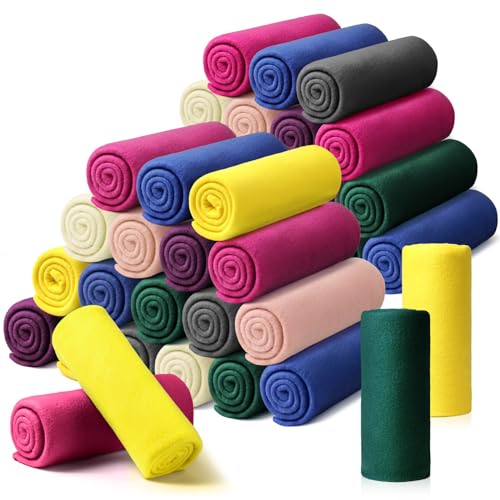
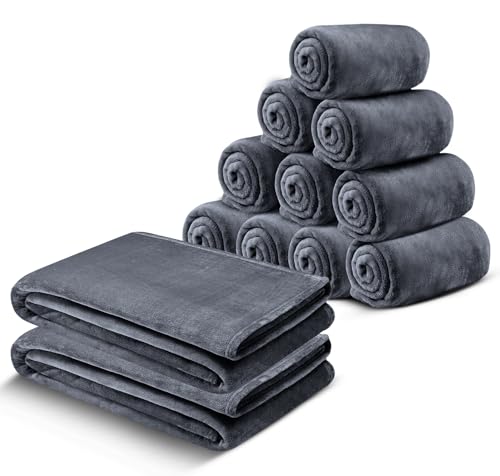
The most versatile donation is a midweight polyester fleece blanket in twin size, usually about $15 to $30 each and less in bulk cases. It insulates when damp, washes hot, dries fast, and rolls small enough to carry. Its weakness is very cold weather, where it works best layered with a coat or a second blanket. For mixed shelter and street use across most of the year, this profile covers the widest range of situations per dollar spent.
Bulk Value Profile
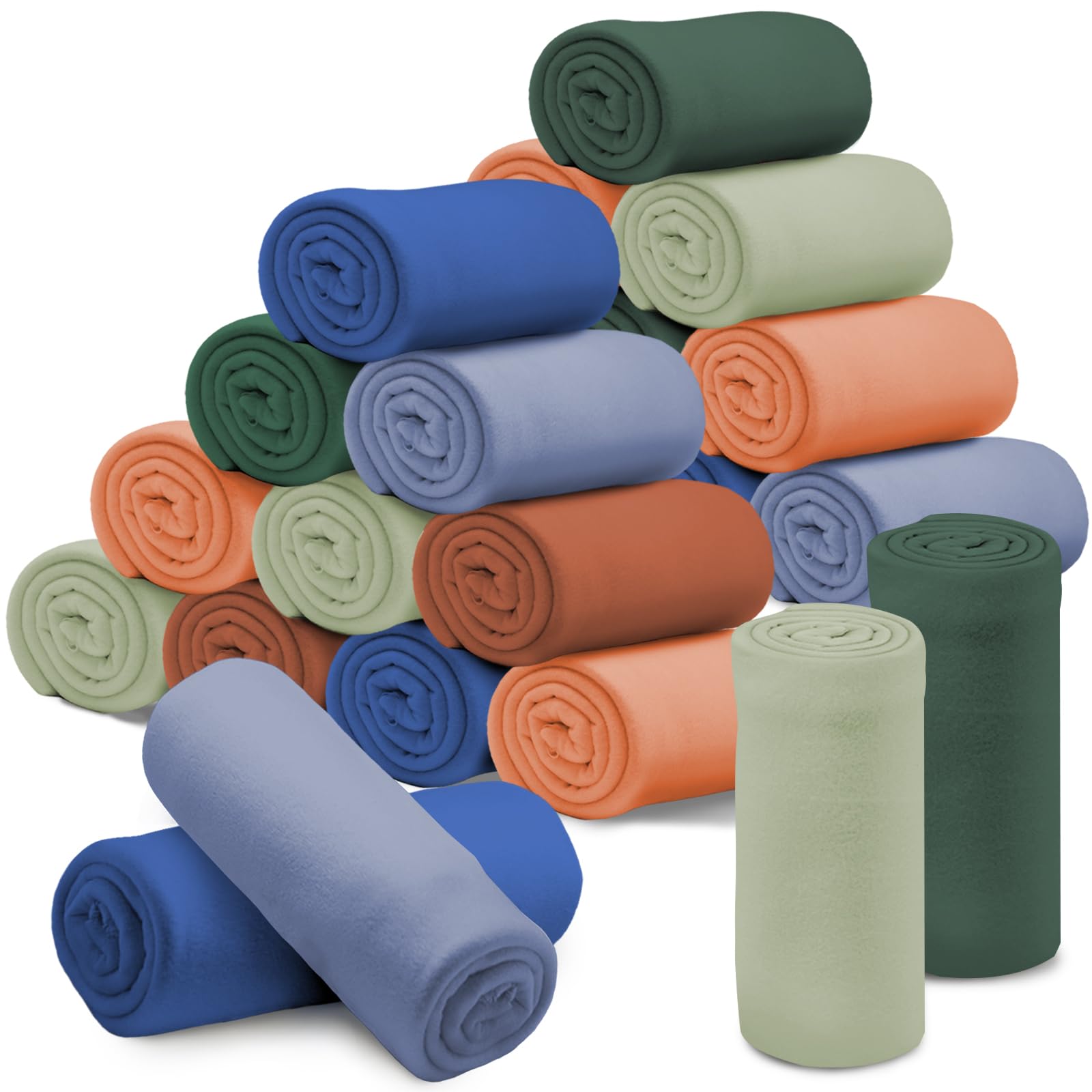
When the goal is covering as many people as possible, bulk packs of lighter fleece blankets, sometimes under $10 each in case quantities, stretch a budget furthest. Each blanket gives less warmth than the midweight option, so this profile suits milder climates, heated shelters, and layering over existing bedding. Check edge stitching on the cheapest packs, because unraveling hems are the usual failure. Ordering one case early lets you test wash durability before a big drive.
Heavy Use Profile
Shelters with nightly turnover need blankets that survive constant commercial laundering, and durable wool or heavy synthetic blankets, often about $30 to $60, earn their cost over many more wash cycles. They are heavier, so they suit fixed shelter beds better than street distribution. If your donation goes to one shelter for the long term, ask the laundry staff what already works in their machines. Their answer is worth more than any spec sheet.
Quick Buyer Checklist
- Did you ask a local shelter or outreach team what they actually need right now?
- Is the blanket synthetic or wool, so it still insulates when damp?
- Can it survive hot commercial washing and fast drying?
- Is it twin size or larger, so an adult can wrap fully?
- Does it roll or fold small enough to carry with a backpack?
- Are the edges stitched or bound against unraveling?
- Is the color plain and dark enough to hide dirt between washes?
- Did you wash one blanket hard before buying in bulk?
Red Flags to Watch For
Some donations cause work instead of help. Used blankets of unknown history are refused by many shelters for hygiene and bed bug reasons, so buy new unless a shelter explicitly accepts used items in good condition. Cotton blankets are a cold weather liability outdoors.
Heated blankets are impractical without reliable power and can be a safety risk in wet conditions. Very cheap blankets with unfinished edges often shred in the first commercial wash. Finally, showing up with a large donation unannounced can overwhelm a small shelter storage room, so call ahead and arrange a time.
Blankets for Specific Needs
Shelters Versus Street Outreach
Shelter needs differ slightly from street outreach. Shelter blankets must fit standard cots, survive daily hot washing by staff, and store flat in stacks, so uniform twin size and quick drying matter most. Street blankets must be light and compact above all. If you split a donation between the two, buy durable midweight blankets for the shelter and lighter, packable ones for outreach, and label the boxes clearly so each type lands in the right place.
Tips to Get the Most From Your Donation
Coordinate before you buy. Shelters often have surplus of one item and a shortage of another, and a two minute call can redirect your money to the real gap. Consider pairing blankets with simple extras the shelter requests, such as socks or tarps, rather than adding unrequested items.
If you give blankets directly to individuals, offer a choice of color or weight when you can, because choice is scarce in their situation. Our guide to the best blankets to give as gifts shares more on matching a blanket to a person and occasion.
One safety note matters in cold weather. A blanket helps, but it cannot prevent hypothermia on its own. Shivering that stops, confusion, and slurred speech are emergency warning signs: call emergency services rather than simply adding another blanket. Local outreach teams and shelters can connect people with warming centers and medical care, so sharing their locations along with a blanket genuinely helps.
Frequently Asked Questions
Are cotton blankets a good choice for donation?
Generally no for outdoor use, because cotton absorbs water, loses its warmth when wet, and dries very slowly, which can leave a person colder than before. Cotton is acceptable inside heated shelters where blankets are laundered and dried on site and never face rain. If a shelter specifically lists cotton blankets, follow their lead, since they know their laundry setup and climate. Otherwise, spend the same money on fleece or wool.
How long do donated blankets usually last?
In shelter service with frequent hot washing, a decent fleece or wool blanket typically lasts through many months of nightly use before thinning or tearing. Lifespan depends heavily on laundry temperature and handling, which is why shelters value simple, sturdy construction over plush extras. Buying slightly better quality often lowers the cost per night of use, even when the upfront price per blanket is higher.
How should shelters wash donated blankets?
Shelters usually wash blankets in hot water with standard detergent and dry them fully at high heat, both for hygiene and to kill bed bugs and their eggs. That routine is exactly why donation blankets must be colorfast and tolerant of heat. At home, before donating, there is no need to prewash new blankets unless the shelter asks you to. Leave tags or care details attached when possible so laundry staff can check temperature limits quickly.
Should I give blankets directly or through an organization?
Both can work, and many donors do some of each. Organizations know current needs, handle storage and laundry, and can pair a blanket with food, shelter, and medical referrals. Direct giving builds personal connection and helps people who avoid shelters.
If you give directly, do it respectfully, ask rather than assume, and be ready for someone to decline. A declined blanket is information about what they actually need, not a rejection of your kindness.
Our Verdict
Ask first, then buy warm, light, and washable. A twin size synthetic or wool blanket with bound edges, bought in coordination with the people who will hand it out, does the most good per dollar. Use the product table above to compare suitable types, test a sample wash before any bulk order, and you will choose the best blankets to give homeless neighbors with confidence that your gift will still be helping months from now.