Best Blankets That Don't Shed: What Matters Most (2026)
Disclosure: We may earn a commission when you buy through links on this page, at no extra cost to you. As an Amazon Associate I earn from qualifying purchases. Learn more
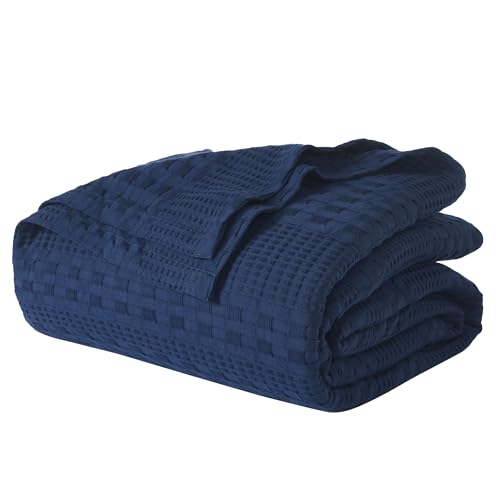
Fiber length, weave and washing decide if the best blankets that don't shed stay lint free on your bed.
Few bedding annoyances build up faster than lint. Tiny fibers coat your sheets, cling to your pajamas, and turn a dark comforter into a speckled mess after a single night. The good news is that shedding is predictable once you know what causes it, and the best blankets that don't shed share a few clear traits you can check before you buy.
This guide works like a checklist. You will learn which fibers hold together, which weaves resist abrasion, and which care habits keep a blanket intact for years. The comparison table below pulls the key facts together so you can scan options quickly once you know what to look for.



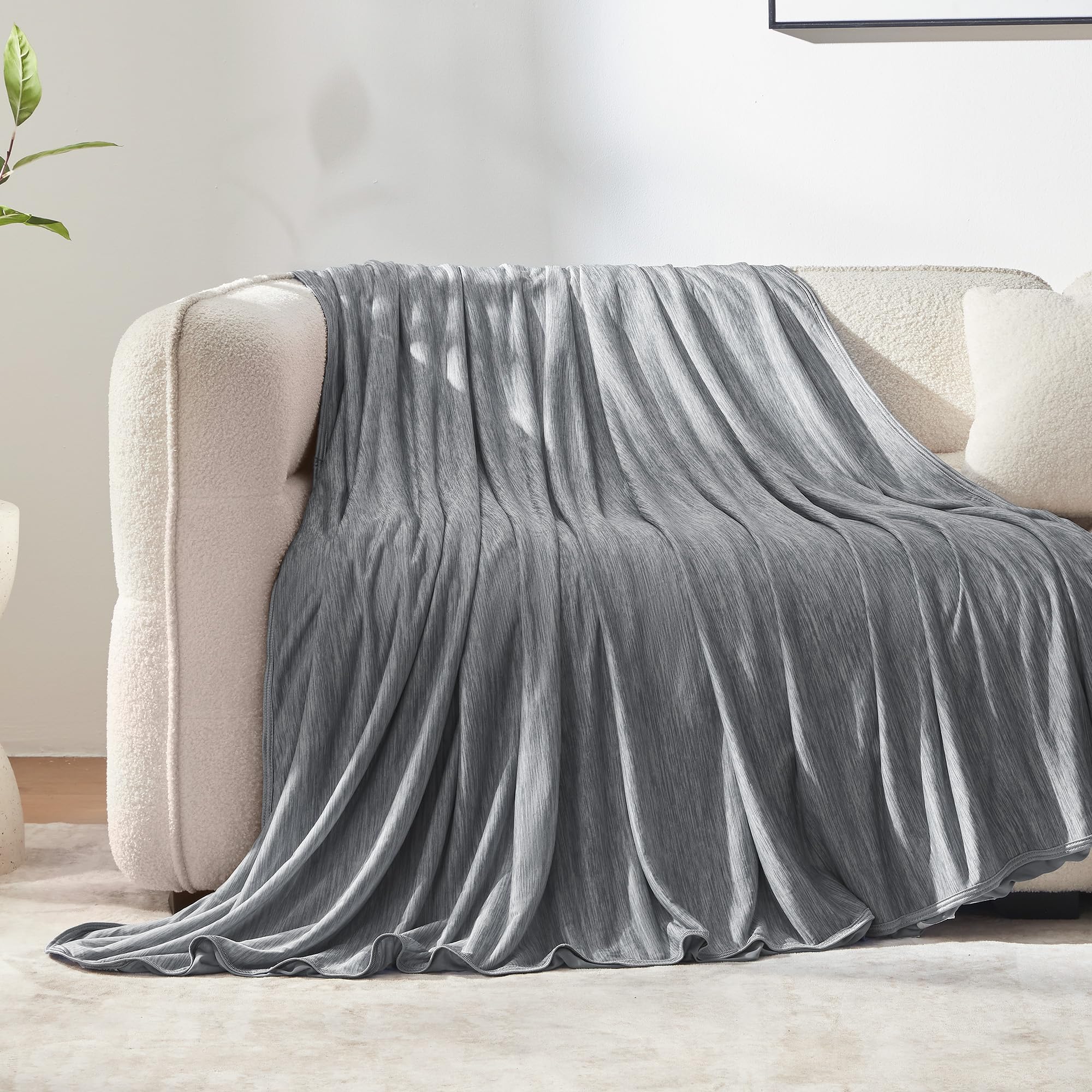


How to Evaluate Blankets That Don't Shed
Think of shedding as a construction problem, not a mystery. Fibers leave a blanket when they are short, loosely anchored, or rubbed raw by friction and harsh washing. The criteria below score each blanket on how well its materials and build resist that slow breakdown.
Material and Fiber Length
Fiber choice is the single biggest factor. Long staple cotton, tightly spun microfiber, wool, and smooth synthetic filaments hold together because each strand runs a long way through the fabric before it ends. Short staple cotton and loosely spun acrylic break free far sooner, especially after repeated washing. If a listing only says cotton with no mention of staple length or weave, treat that silence as a warning sign and look for a denser, smoother fabric instead.
Weave and Construction
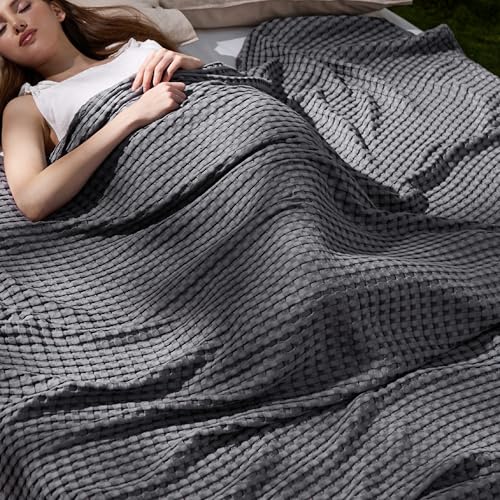
A tight weave locks fibers in place. Percale and sateen cotton weaves, dense fleece with an anti pilling finish, and woven blankets with firm edges all shed less than loose knits or brushed fabrics with a fuzzy surface. Run your eyes over product photos for a visible nap or halo of fuzz, because that raised surface is exactly what rubs off onto sheets. Bound edges and double stitching also matter, since fraying hems release fibers long before the middle of the blanket wears out.
Certifications
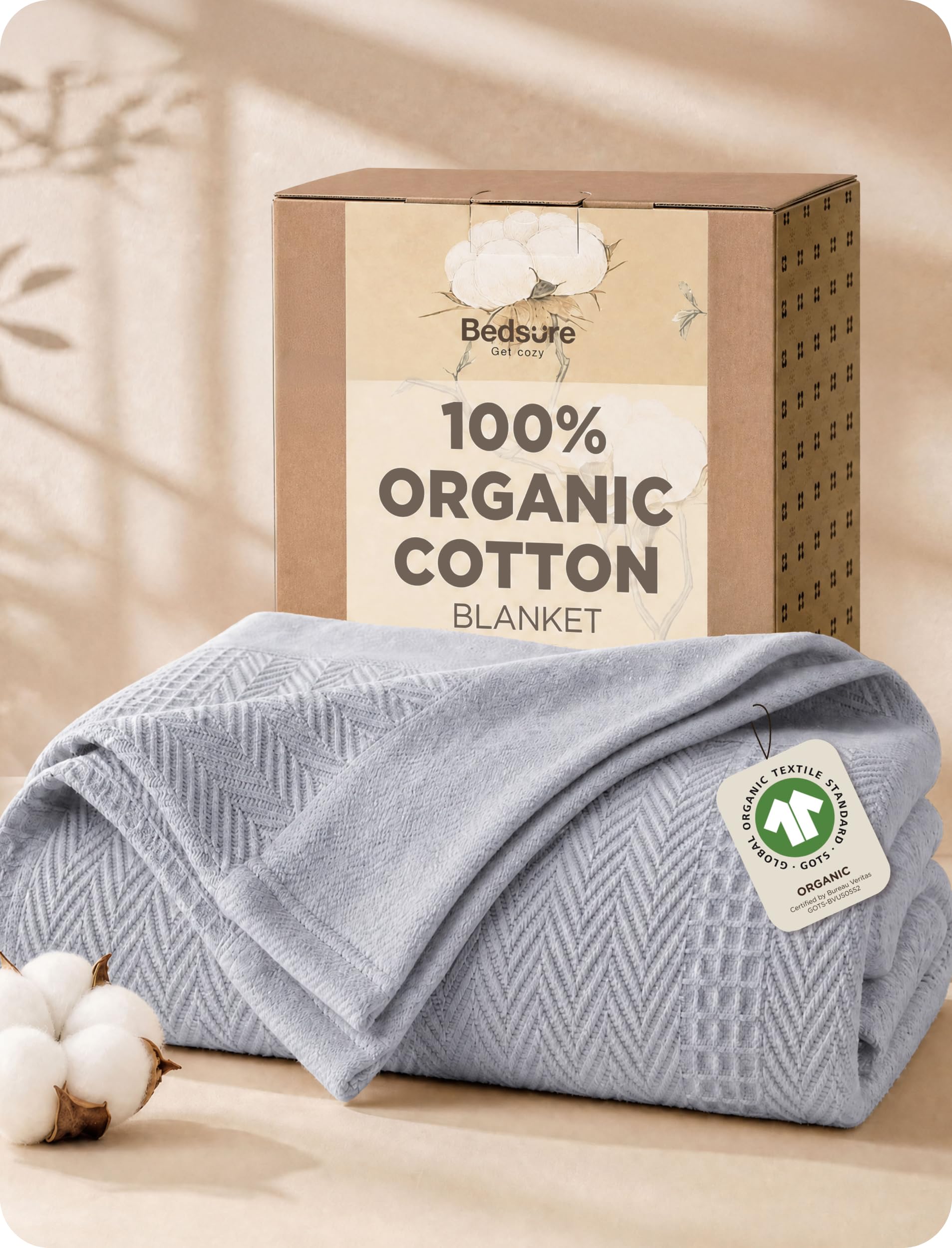
Certifications do not measure shedding directly, but they signal careful manufacturing. OEKO TEX Standard 100 means the finished textile was screened for harmful substances, which matters for something that touches your skin all night. Consistent quality control, the kind certified factories maintain, also tends to produce more even spinning and weaving, and even construction sheds less. If a blanket carries no certification and no clear fiber content at all, you have little assurance about how it was made.
Cooling and Breathability
A low shed blanket should still sleep at the right temperature. Cotton percale, linen, and bamboo derived viscose breathe well and suit warm sleepers, while fleece and microfiber trap more heat. Breathability also affects care, because breathable natural fibers usually tolerate regular washing, the very routine that keeps loose fibers from building up. Match the fabric to your climate first, then check that the specific weave is tight enough to stay intact on your bed.
Loft, Weight, and Sleep Position
Weight shapes both comfort and wear. Side sleepers often like a medium weight blanket that drapes close without pressing on shoulders, while back and stomach sleepers may prefer something lighter that does not bunch. Heavier blankets get dragged, folded, and kicked more, and all that friction speeds up fiber loss. Choose the lightest weight that still feels warm enough for your room, and you reduce both restless movement and the rubbing that causes shedding.
Quiet Comfort for Shared Beds
When two people share a bed, one restless sleeper can sandpaper a blanket against the sheets all night. Smooth fabrics with a low friction surface, such as sateen cotton or quality microfiber, glide instead of gripping, so they release fewer fibers and make less rustling noise. Size helps too. A blanket wide enough that nobody tugs it back and forth will last longer and feel calmer for both of you.
Durability and Care
Care labels predict lifespan. A blanket that can be machine washed on a gentle cycle and dried on low heat is far more likely to be washed correctly than one with fussy instructions you will eventually ignore. Look for colorfast dyes, reinforced hems, and a warranty or sleep trial that gives you a few weeks to check for lint at home. Wash a new blanket alone the first two or three times, since even good blankets release a little manufacturing lint at the start.
Three Blanket Profiles Compared
Match your purchase to one of these three profiles. Each describes the build, the price tier and the sleeper it suits.
All Round Profile
The all round choice is a tightly woven long staple cotton or premium microfiber blanket in a medium weight, around $50 to $100 depending on size. It balances a smooth, low lint surface with easy machine washing and enough drape for year round use with a sheet. Its main limitation is that it may feel plain next to plush decorative throws, but for a main bed blanket that stays clean looking night after night, this profile is hard to beat.
Budget Profile
Budget blankets, often under $50, can shed very little if you pick a dense microfiber fleece with an anti pilling treatment and neat bound edges. You give up some breathability and the fabric may feel warmer in summer, but for a guest bed, a dorm, or a spare blanket in the car, the value is strong. Check the care label twice at this tier, because thin hems and vague fiber content are where cheap blankets usually fail first.
Heavy Use Profile
Homes with kids, pets, and weekly washing need a workhorse. Look for a tightly woven cotton blanket or a heavyweight synthetic with reinforced stitching, usually about $80 to $150. These blankets tolerate hot washes, frequent drying, and daily friction without thinning.
The trade off is weight and a longer drying time. If you are comparing other low lint textiles for a busy household, our guide to the best towels that don't shed explains the same fiber logic for the bathroom.
Quick Buyer Checklist
Run through these questions before you order. Mostly yes answers mean the blanket is likely to stay intact on your bed.
- Does the listing name the exact fiber and, for cotton, a long staple type?
- Is the weave described as tight, dense, or smooth rather than plush or brushed?
- Does the fabric have an anti pilling finish or a low lint claim with specifics?
- Are the edges bound or double stitched in the product photos?
- Can you machine wash it on a gentle cycle at home?
- Is there a trial period or warranty long enough to test it for a few weeks?
- Does the size give you extra drape so the blanket is not dragged nightly?
Red Flags to Watch For
Some warning signs show up again and again on blankets that disappoint. Vague fiber content such as premium blend with no percentages means you cannot judge staple length or quality. Photos that show a thick fuzzy halo suggest a raised nap that will rub off.
A price far below similar blankets usually reflects short staple fibers and loose weaving. Reviews that mention lint after the first wash deserve more weight than reviews about color or softness. Finally, a missing care label or dry clean only instructions on an everyday blanket signal upkeep most households will not sustain.
Shedding is not only a bedroom issue, by the way. If lint prone textiles frustrate you across the home, our guide to the best rugs that don't shed shows how fiber length and pile construction matter underfoot as well.
Options for Specific Needs
Shedding on Sheets
Shedding onto sheets is a specific friction problem: fibers transfer onto bedding while you sleep. For this, surface smoothness matters even more than fiber type alone. Choose sateen cotton, smooth microfiber, or a flat woven blanket rather than fleece or flannel, and wash dark sheets and light blankets separately so any transfer is visible early. Pet owners face a double challenge, and our guide to the best blankets for dogs that shed covers blankets built to release pet hair in the wash instead of holding it.
Setup and Care Tips
Wash a new blanket by itself before the first use, on a gentle cycle with cold or warm water, then dry it on low heat and clean the lint filter. That first wash removes loose manufacturing fibers so they never reach your sheets. After that, wash the blanket with similar smooth fabrics, skip fabric softener on synthetic blankets because it can coat fibers and weaken the finish, and avoid overloading the machine. A less crowded drum means less abrasion, and less abrasion means a blanket that keeps its fibers where they belong.
Frequently Asked Questions
How do I wash these blankets safely?
Wash on a gentle cycle with warm water and a mild detergent, and dry on low heat. One extra step helps a lot: shake the blanket outdoors before washing to dislodge surface lint so it does not redeposit on other laundry. Zip it inside a large mesh laundry bag if your machine has a central agitator, since the bag cuts friction against the drum and other items.
How often should I replace them?
Replace a blanket when it thins, pills across the whole surface, or keeps shedding after several careful washes, which for a good blanket is usually after several years of regular use. A quick check helps: hold the fabric up to a window. If light shows through in uneven patches, the weave has worn thin and lint will only get worse from there.
Our Verdict
Start with fiber length, then check weave tightness and care instructions, in that order. Those three checks will steer you past most lint prone blankets on the market. Match the weight to how you sleep, give any new blanket a solo first wash, and use the comparison table above to confirm the details before you order. Chosen this way, the best blankets that don't shed keep your sheets clean, your laundry simpler, and your bed looking neat with very little effort.