Best Blankets Online for 2026: Every Type Explained Side by Side
Disclosure: We may earn a commission when you buy through links on this page, at no extra cost to you. As an Amazon Associate I earn from qualifying purchases. Learn more
Compare types side by side to find the best blankets online for your bed, climate, and budget, with clear notes on fabrics, loft, sizing, and care.
Shopping for blankets online replaces the touch test with a wall of listings, and the listings rarely agree on vocabulary. One seller calls a thin fleece a blanket, another calls the same weight a throw, and thread counts and fill powers get quoted where they do not even apply. The best blankets online are easier to find once you think in types first and listings second.
This guide explains the main blanket types side by side, with honest strengths, weaknesses, ideal users, and typical price ranges for each. Use the comparison table below for quick scanning, then read the type sections so the numbers you see in any store make sense before you spend.



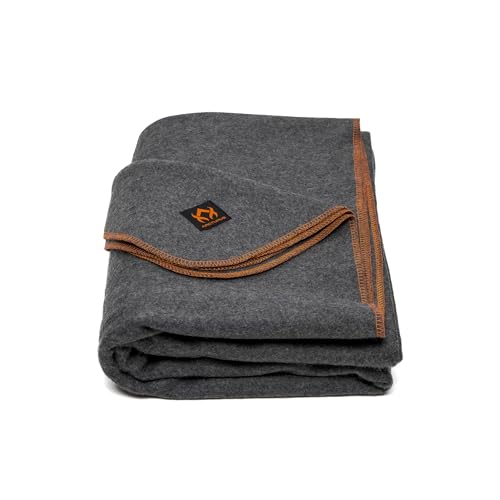

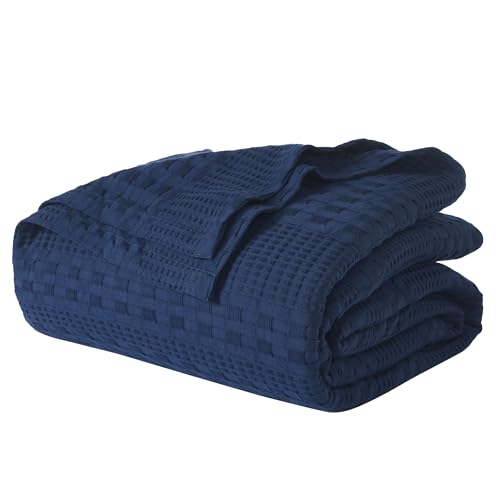
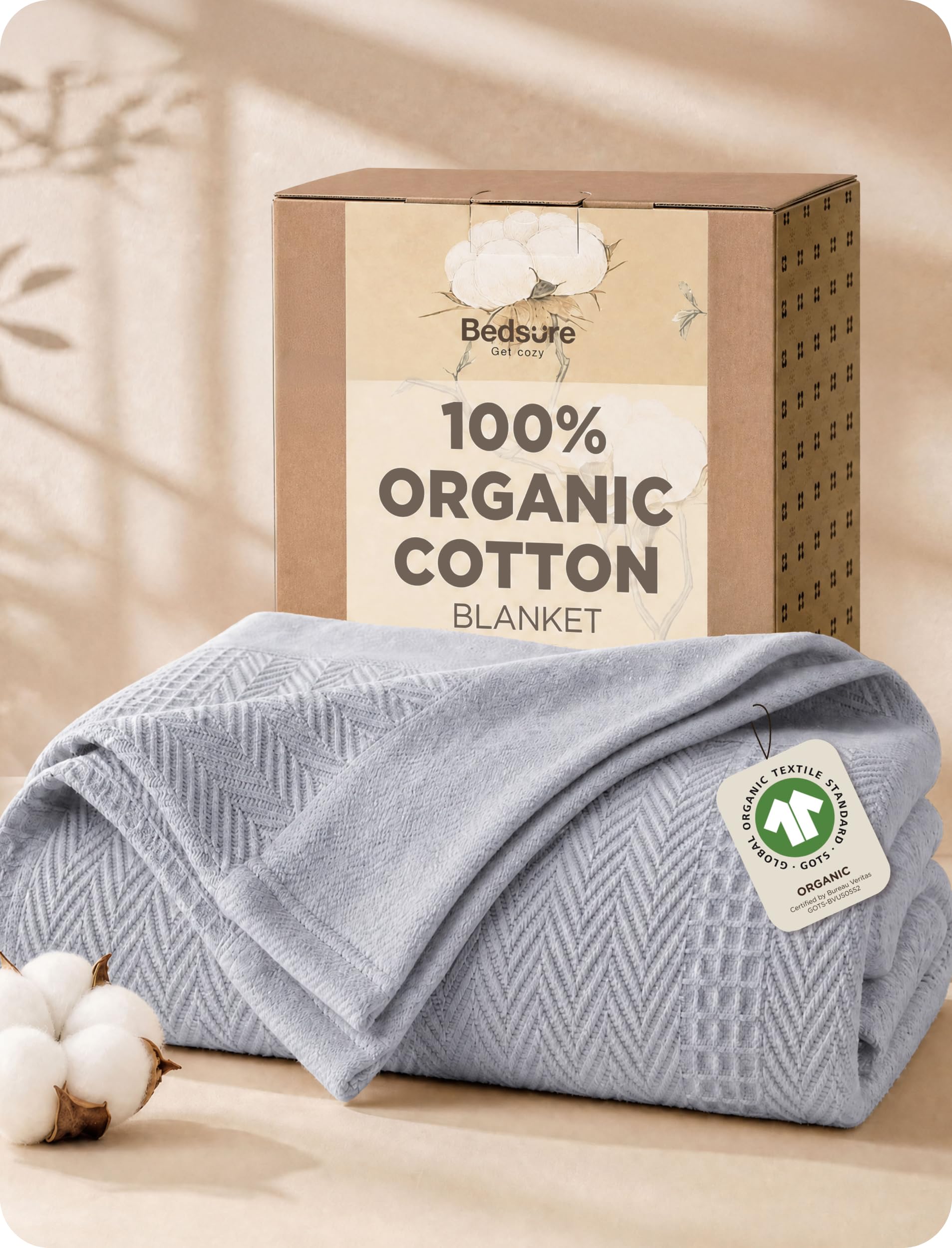
Types of Blankets Compared
Most blankets sold online fall into a handful of families. Blended fabric blankets, often labeled hybrid by sellers, usually run about $25 to $70 and suit the widest range of sleepers. Pure linen blankets cost more, roughly $80 to $200, and reward hot sleepers.
Cotton classics sit between them at about $30 to $90. The sections below take each family in turn.
Hybrid Fabric Blends
Hybrid blankets blend two or more fibers, commonly cotton with polyester, or cotton with a little viscose, to balance softness, durability, and price. The cotton share provides breathability and a familiar hand feel, while the synthetic share adds wrinkle resistance, faster drying, and strength that keeps edges neat after many washes.
Choose a blend if you want one blanket for most of the year and easy machine care. The weakness is compromise: a blend rarely breathes as well as pure linen or feels as purely natural as long staple cotton, and listings often hide the exact fiber ratio. Always find the percentage breakdown in the specifications before buying, because a blanket that is 90 percent polyester behaves nothing like one that is 90 percent cotton.
Linen
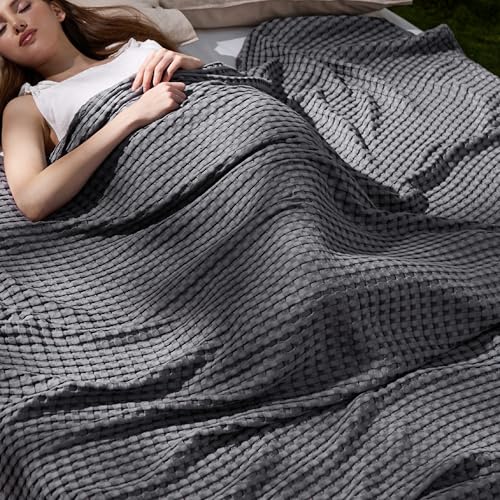
Linen blankets are woven from flax and prized for airflow. The fibers are naturally hollow and moisture friendly, so a linen layer feels cool in humidity and never clammy. Linen also lasts exceptionally well and softens steadily, which is why a higher upfront price often works out cheaper per year of use.
The trade offs are texture and care. New linen feels crisp, even rough, to sleepers used to brushed cotton, and it wrinkles freely and shrinks if washed hot. Choose linen if you sleep hot, live in a humid climate, or want a summer to shoulder season layer you will keep for years. Skip it if you want a plush, immediately soft hand feel at a low price.
Cotton and Down Alternative Layers
Plain cotton blankets, in percale, sateen, or thermal weaves, remain the online default for good reason: predictable sizing, easy washing, and a feel everyone understands. Prices usually run about $30 to $90, and quality tracks fiber length and weave consistency more than any headline number. Down alternative blankets add a thin quilted fill for people who want slight puff, at about $40 to $110.
Cotton suits allergy conscious shoppers who wash bedding often, since it tolerates warm water that dust mites dislike. Its weaknesses are slower drying and modest insulation in very cold rooms, where it works best as one layer among several. For couch sized versions of these same families, our guide to the best throws and blankets compares the smaller formats.
Hybrid vs Linen: Which Should You Choose?
On breathability, linen wins clearly, especially in humid heat where blends can feel slightly slick. On softness from day one, the blend wins, because linen needs several washes to lose its crisp edge. On care, blends forgive hot washes and fast dryer cycles that would shrink or stiffen linen.
On lifespan, linen usually outlasts blends, whose synthetic fibers pill once the surface wears. On price, blends cost about half as much for the same size.
So the verdict follows your situation. Hot sleepers, humid climates, and buy it for years shoppers should stretch for linen. Families, guest rooms, dorms, and anyone who washes bedding hard and often should take the blend and spend the savings on a second blanket for rotation. If you remain torn, buy the linen for your own bed and blends for everywhere else.
How to Choose the Right Blanket
Choosing among the best blankets online comes down to four checks you can run on any listing: comfort behavior, durability signals, fiber content, and loft against your sleep position. The sections below turn each check into something you can verify from a product page, without needing the blanket in your hands.
Comfort, Weight, and Drape
Support and pressure relief are mattress terms, but their blanket equivalents are weight and drape. A blanket that is too light slides and bunches; one that is too heavy pins your feet and can leave you warm and restless. For most adults, a bed blanket between about 2 and 4 lb drapes evenly without feeling like a weighted product. If you want powered, adjustable warmth instead of passive weight, that is the territory of the best heated blanket, a different purchase with its own safety checks.
Durability and Care
Durability online is a reading exercise. Look for bound or double stitched edges, preshrunk claims backed by dimensions given after washing, and care labels that match your real laundry habits. A blanket you must dry clean will live in a closet, not on your bed.
Warranty length and a clear returns window matter because comfort cannot be judged from photos. For the construction details that predict years of service, read our guide to the best quality blankets.
Material and Fill
Start every listing at the fiber content line. Cotton percale sleeps cool and crisp, sateen feels smoother and warmer, linen breathes best of all, and viscose feels silky but wants gentle care. Percentage matters as much as fiber names, so treat any listing that will not state its blend as a warning sign. Fill only appears in quilted styles; a thin down alternative fill adds gentle warmth and easy washing, while natural down adds warmth with less weight at a higher price.
Loft and Sleep Position
Loft is simply how much airy thickness a blanket has, and it should match both your climate and how you sleep. Side sleepers tend to like a blanket with a little loft and stretch that settles around the shoulder rather than bridging stiffly. Back sleepers do well with almost any even layer.
Stomach sleepers usually prefer the flattest, lightest option, because bulk under the torso feels oppressive. Couples with different preferences can split the difference with a medium loft blanket and a folded throw on the colder side.
Setup and Care Tips
When your blanket arrives, wash it before first use to remove factory finishes and loose lint, and check the fit on your bed before removing every tag, in case the listed dimensions were optimistic. Wash cotton and blends in warm water, linen in cool water, and dry each fully before folding. One habit extends the life of every type: rotate two blankets week by week, so no single weave carries the full load of friction, washing, and sunlight through the year.
Frequently Asked Questions
How do I wash blankets safely?
Follow the fiber, not a single universal rule. Cotton and most blends accept warm water and tumble drying; linen prefers cool water and low heat; viscose wants a gentle cycle. A point listings rarely mention: close any zippers on duvet covers and wash blankets away from items with hooks or rough hardware, because a single snag in the wash can ladder across a knit blanket and shorten its life noticeably.
Are cooling blankets worth it for hot sleepers?
Yes, if the cooling comes from breathable fibers and open weaving rather than a finish that wears off. Linen and plain weave cotton keep working all night and after many washes. Judge online claims skeptically: a listing that promises cooling without naming the fiber or weave is selling a word, not a mechanism. Hot sleepers should also confirm the return window, since nighttime comfort is personal and hard to predict from a page.
How often should I replace my blanket?
Expect three to five years from a midrange cotton or blend blanket in weekly rotation, and considerably longer from good linen. Replace any blanket that has thinned unevenly, pills despite gentle washing, or keeps an odor after a proper wash and full dry. Online buyers can stretch value by registering warranties and keeping order records, since replacement claims are far easier with a documented purchase date and model description.
Final Thoughts
Pick your type first, verify fiber content and finished size on the listing, and insist on a return window that lets you sleep on the decision. Those three habits protect you more than any single specification. Work through the product table above with them in mind and you will find the best blankets online for your bed, your climate, and the way you actually wash and live.