Best Blankets for Spring of 2026: Complete Buying Guide
Disclosure: We may earn a commission when you buy through links on this page, at no extra cost to you. As an Amazon Associate I earn from qualifying purchases. Learn more

Learn how to choose the best blankets for spring with guidance on breathable fabrics, loft, sizing, care, and comfort for changing nights all season long.
Spring nights refuse to pick a temperature. One evening feels like late winter, the next feels like early summer, and a heavy winter blanket leaves you kicking it off by midnight. The best blankets for spring solve that swing by trapping a little warmth while still letting excess heat and moisture escape.
This guide walks you through fabrics, loft, sizing, and care so you can match a blanket to your bedroom and your sleep style. Use the comparison table below to scan sizes and price tiers, then read on for the details that decide whether a blanket feels right in April and still works in June.

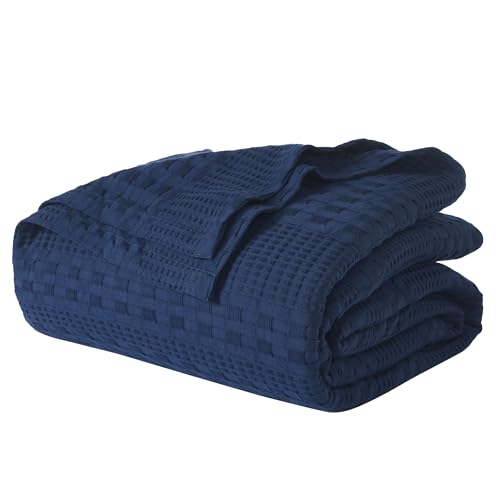
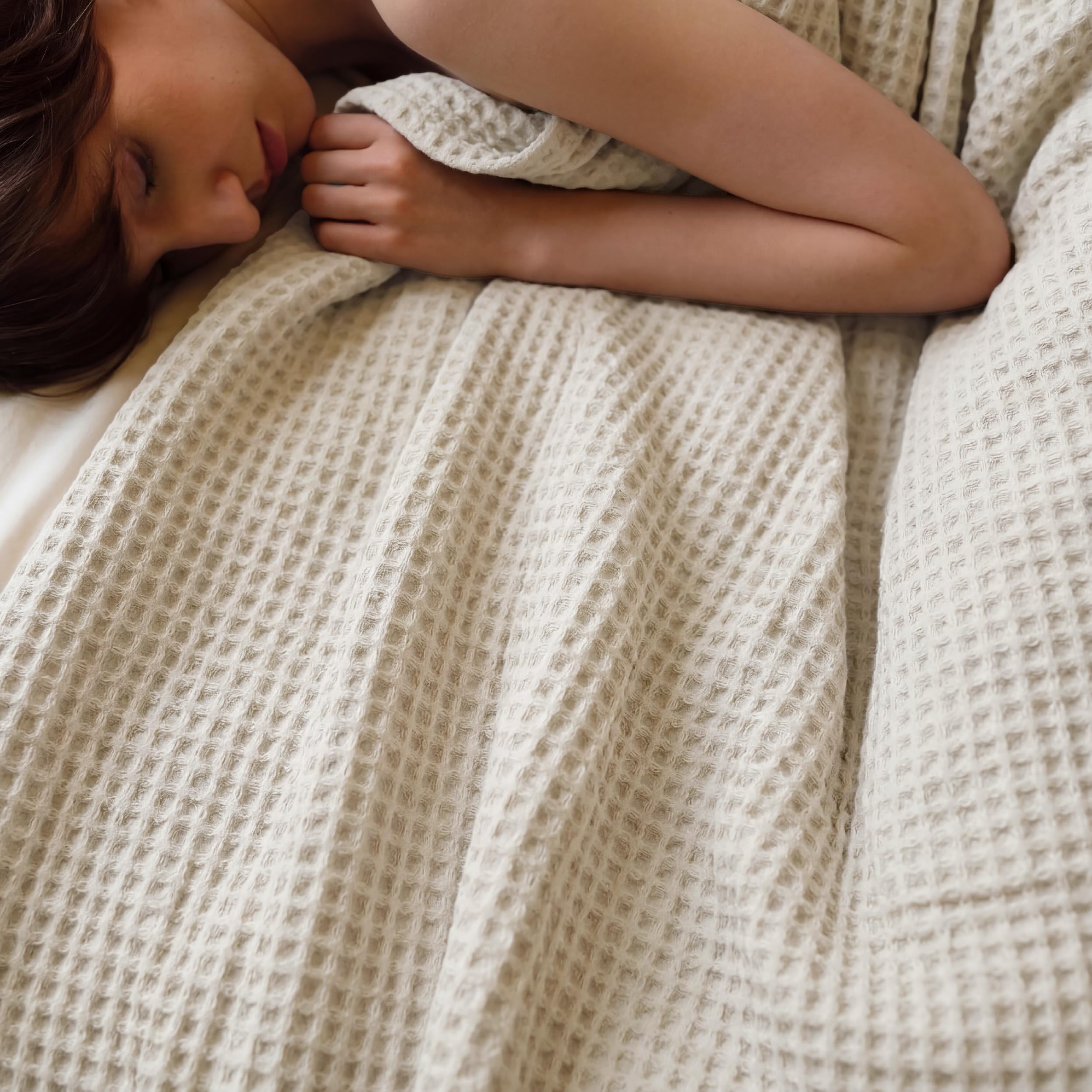
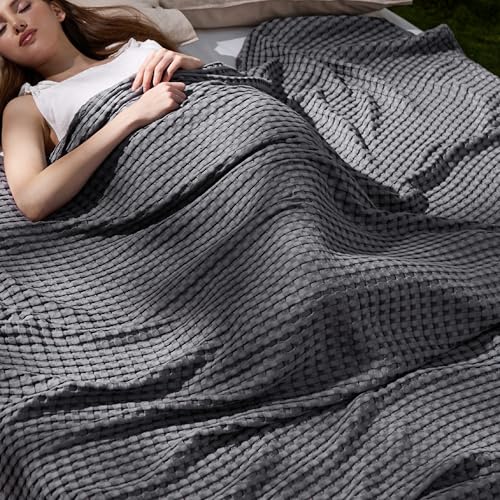


Spring Blanket Price Tiers at a Glance
Because spring blankets are simple products, price mostly buys fabric quality, weave consistency, and finishing rather than extra features. The three tiers below describe what your money generally delivers, so you can shop the product table above with realistic expectations.
The Budget Tier
Budget spring blankets usually cost under $40 and rely on basic cotton blends or plain microfiber with a simple stitched edge. They feel fine for a guest room or a dorm, and they wash without fuss. Expect a thinner hand feel, looser weaving, and faster pilling after repeated laundry cycles. If your bedroom warms up early in the season, a budget layer can be a sensible short term answer, as long as you accept that the fabric will likely look tired sooner than a better woven option.
The Balanced Middle Tier
Most shoppers land happily in the middle tier, around $40 to $90. Here you get long staple cotton, linen blends, or bamboo derived viscose with tighter weaving, cleaner hems, and more consistent sizing after washing. These blankets breathe well, drape smoothly over a sheet, and hold their texture through a full season of weekly use. For a primary bedroom, this tier offers the best balance of comfort, durability, and price, and it is where careful fabric labeling and certifications such as OEKO TEX most often appear.
The Upgrade Tier
Upgrade spring blankets, often about $90 to $180, use premium linen, high grade cotton, or finely finished thermal weaves with generous sizing and reinforced edges. The payoff is drape and longevity: the blanket lies flat, softens gracefully with washing, and resists the baggy stretch that cheaper knits develop. Choose this tier if you run warm, value natural fibers against your skin, or want one blanket that serves from March through October as your main layer in a mild climate.
How to Choose the Best Blankets for Spring: Buying Guide
Features That Matter for Spring
Spring asks a blanket to do two jobs at once: add light insulation on cool nights and stay out of the way on warm ones. Look for a light to medium weight, roughly 0.5 to 1.5 lb for a throw size and modestly more for a full bed size, with a weave you can see light through when you hold it up. Temperature flexibility matters more than raw warmth, so a blanket that layers neatly over a top sheet and under a duvet earns its place longer than a single purpose heavy layer.
Material and Fill
Cotton is the spring workhorse. Percale weaves feel crisp and cool, while sateen weaves feel smoother and a touch warmer, so hot sleepers usually prefer percale. Linen breathes exceptionally well and handles humidity, though it feels textured at first and softens over several washes.
Bamboo derived viscose feels silky and cool but needs gentler laundering. Most spring blankets have no fill at all; where fill exists, a thin layer of down alternative gives slight puff without the heat load of a winter comforter.
Cooling and Breathability
Breathability comes from fiber choice and weave openness, not from marketing words. Natural fibers absorb a little moisture and release it, which keeps the surface from feeling clammy during humid spring nights. An open or thermal weave with small pockets of air insulates lightly while still venting heat.
Thread count is a weak guide here: very high counts pack yarns tightly and can actually reduce airflow. A moderate count in a plain weave usually sleeps cooler than a dense sateen with an impressive number on the package.
Loft and Sleep Position
Blankets do not carry firmness ratings the way mattresses do, but loft and weight still shape comfort. Back sleepers usually do well with a flat, even layer that does not bunch around the torso. Side sleepers often like a slightly softer knit that drapes into the curve of the shoulder and hip instead of bridging over it.
Stomach sleepers tend to prefer the thinnest option, because extra weight on the back can feel restrictive. If you share the bed, a blanket with a little stretch reduces the tug of war when one partner rolls over.
Size and Fit
Buy for drape, not just mattress dimensions. A queen bed is 60 by 80 inches, and a blanket around 90 by 90 inches gives you overhang on both sides plus enough length to tuck at the foot. Twin beds suit blankets near 66 by 90 inches, while king beds need roughly 108 by 90 inches to avoid a bare strip down the middle. If you are tall, prioritize length over width, because a short blanket rides up and leaves your feet uncovered on the cool nights when you want it most.
Durability and Care
Check the care label before you buy, because a spring blanket gets washed often. Cotton and linen tolerate warm machine washing and tumble drying, while viscose prefers cool water and low heat. Bound or double stitched edges outlast simple folded hems, and preshrunk fabric protects your sizing math. If long service matters most to you, our guide to the best quality blankets explains the construction details that separate a five year blanket from a one season blanket.
Types of Blankets
Cotton in Percale and Sateen
Cotton blankets come in crisp percale and smooth sateen weaves. Percale sleeps cooler and suits warm rooms and hot sleepers, while sateen adds a slight sheen and a bit more warmth for people who run cold. Both wash easily and soften over time. The drawback is weight when wet and slower drying, so size your laundry loads accordingly.
Cooling Fabrics
Cooling blankets use linen, viscose, or engineered yarns that feel cool to the touch and move moisture quickly. They suit sleepers who overheat even in mild weather and bedrooms without air conditioning. The trade off is care: many need gentle cycles, and the cool touch sensation fades as the fabric warms against your body, so judge them by breathability across the whole night rather than the first minute.
Down and Down Alternative
A thin down or down alternative blanket adds gentle puff and even warmth without winter bulk. Down feels lighter for its warmth but costs more and needs careful drying, while synthetic fill costs less, washes easily, and suits allergy prone households. In spring, choose the lowest fill weight offered, because these blankets hold heat more efficiently than their slim profile suggests.
Thin Quilts and Coverlets
Quilts and coverlets are flat, stitched layers that sit neatly on top of the bed and double as your spring bedspread. They suit tidy sleepers and warm climates, and their low profile makes storage easy between seasons. They offer the least insulation of the types here, so cold sleepers in northern regions may still want a second layer folded at the foot of the bed for chilly snaps.
Tips to Get the Most From Your Blanket
- Wash a new blanket before first use to remove finishing residue and soften the fibers, and wash it alone the first time to catch lint.
- Layer smartly: place the blanket over your top sheet and keep a light throw at the foot of the bed for nights that turn cold, a trick our guide to the best throws and blankets explores in more depth.
- Air your blanket outside on a dry morning every few weeks; fresh air lifts stale odors without another wash cycle.
- Store it clean and fully dry in a breathable cotton bag, never in sealed plastic, so mildew has no chance during humid months.
- Keep two spring blankets in rotation if you wash weekly, because alternating rest days extends the life of any weave.
Frequently Asked Questions
What features matter most in blankets for spring?
Breathability and moderate weight matter most, because spring temperatures swing widely from night to night. Choose a natural fiber or a moisture friendly blend, a weave with visible airflow, and a size that drapes past the mattress edges. Certifications such as OEKO TEX add confidence that the fabric is free of harmful substances, which matters for a layer that sits against skin for eight hours.
How often should I replace my blanket?
Replace a spring blanket when it pills heavily, thins in the center, or keeps odors after washing, which typically happens after three to five years of regular use. A simple test helps: hold the fabric up to a window. If light shows through in worn patches that were once even, the weave has degraded and the blanket will no longer insulate or breathe the way it did when new.
How do I wash blankets safely?
Wash most spring blankets in cool to warm water on a gentle cycle with a mild detergent, and avoid fabric softener, which coats fibers and reduces breathability. Tumble dry on low or line dry in shade to protect elastic blends and viscose. One practical point many labels omit: dry the blanket fully before folding it away, because even slight dampness stored in a closet can produce a musty smell within days.
Are cooling blankets worth it for hot sleepers?
Yes, for genuinely hot sleepers they are often worth it, because breathable natural fibers and open weaves reduce the sweaty wake ups that ruin spring sleep. Set expectations correctly, though: a cooling blanket manages heat and moisture, it does not refrigerate the bed. Pair it with a breathable sheet and a room temperature near 65 to 68 degrees Fahrenheit for the strongest effect.
Wrapping Up
Start with fiber and weave, confirm the size gives you real drape, and check that the care routine fits your laundry habits. Those three decisions matter more than any single feature claim. When you are ready, scan the product table above, shortlist two or three options in your tier, and choose the best blankets for spring for the way your bedroom actually warms up.