Best Blankets for Sleeping 2026 Buying Guide
Disclosure: We may earn a commission when you buy through links on this page, at no extra cost to you. As an Amazon Associate I earn from qualifying purchases. Learn more

Find a blanket that keeps you warm without overheating. Compare materials, weights, and sizes so your blanket suits your sleep style and bedroom.
A good night of sleep often comes down to temperature, and best blankets for sleeping matter more than most people expect. A blanket that is too warm leads to restless nights, while one that is too light leaves you cold and reaching for extra layers. The comparison table below gives a quick overview, and this guide explains how to match material, weight, and size to the way you sleep.
Start with your own sleep habits. Hot sleepers need breathable fabrics and lighter fills, while cold sleepers need loft and heat retention. Your bedroom temperature, your mattress, and whether you share a bed all change the answer. Once you know your pattern, the choices below become much easier to judge.
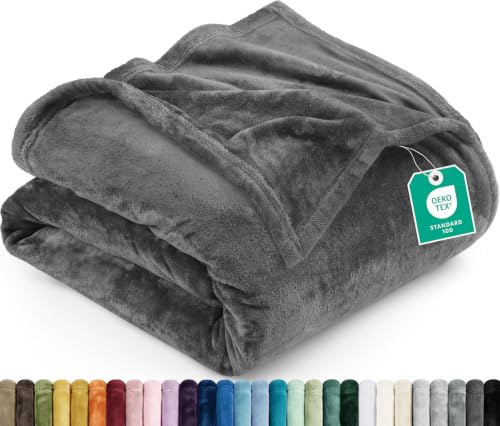

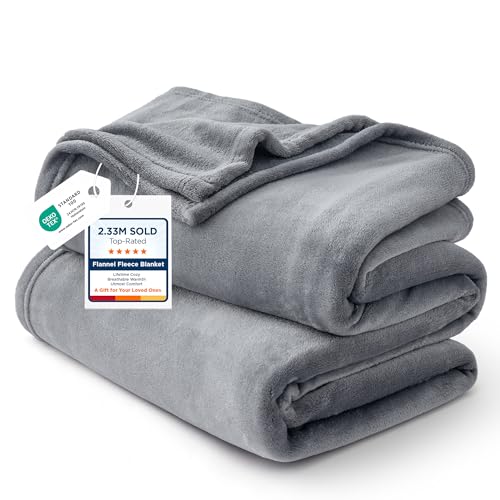
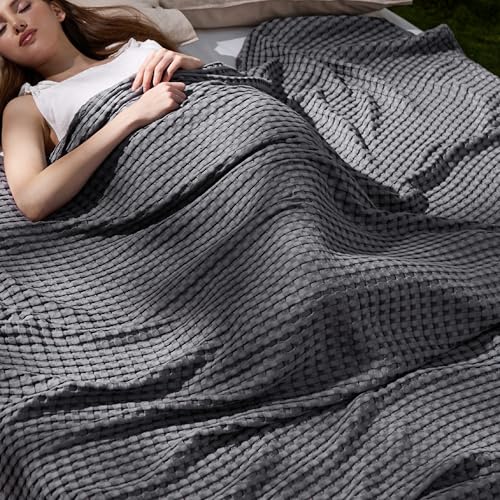


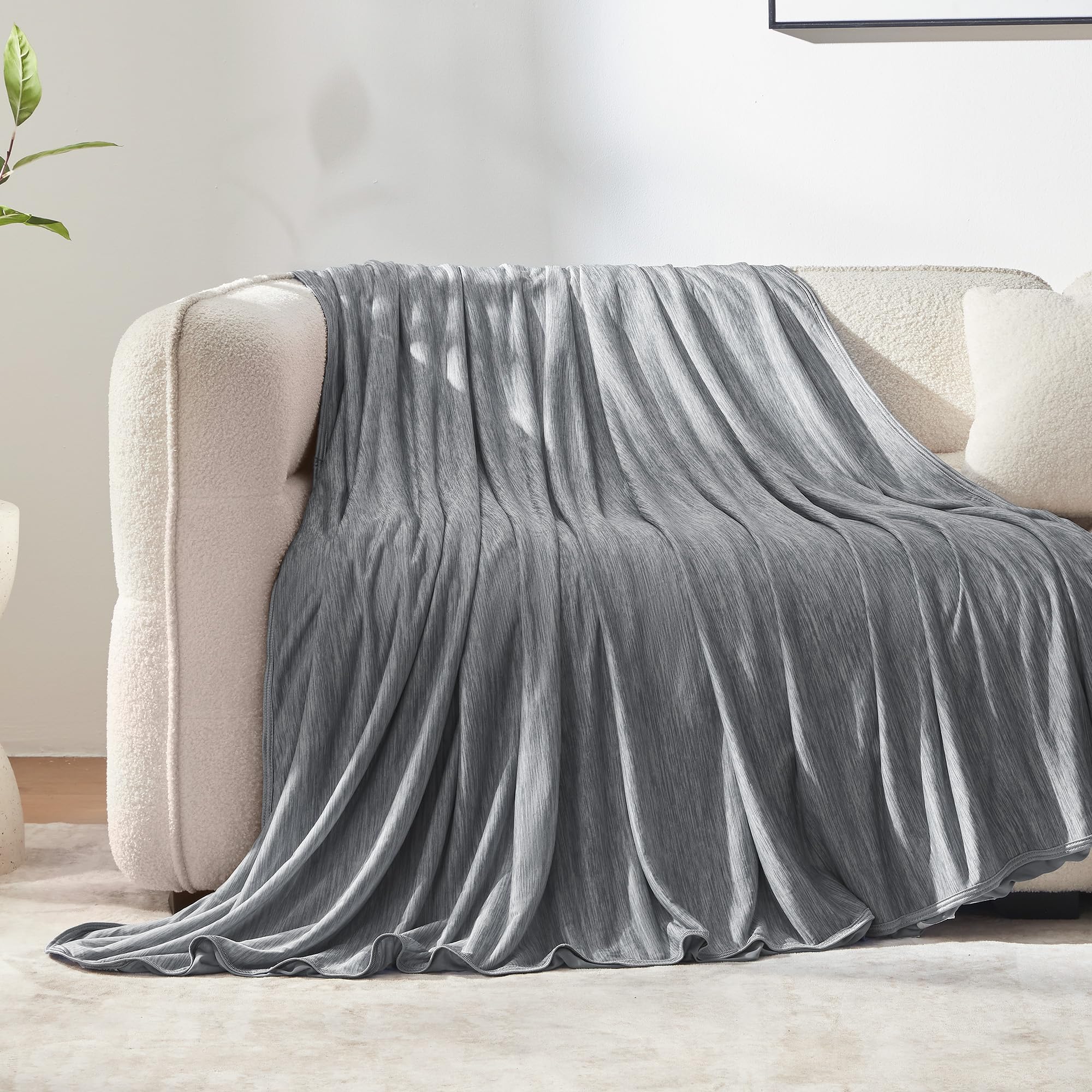
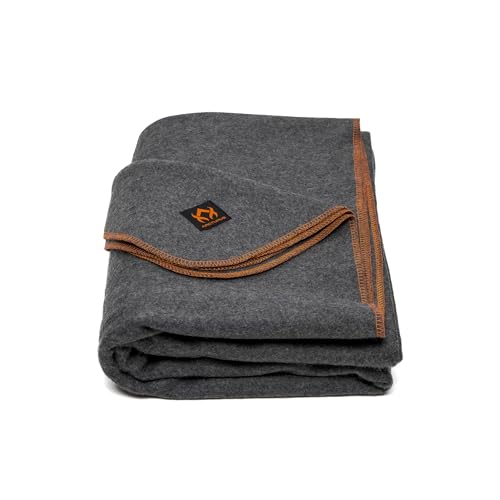
Types of Blankets for Sleeping Compared
Blankets differ mainly in material and construction. Each type handles warmth, weight, and care differently, so the right one depends on your climate and laundry routine.
Cotton Blankets
Cotton blankets breathe well and feel soft against the skin, which suits year round use in mild climates. They wash easily and tend to last well with regular laundering. Their drawback is modest warmth for the weight, so very cold sleepers may need an extra layer in winter. Percale weaves feel crisp, while sateen weaves feel smoother and slightly warmer.
Down and Down Alternative
Down offers excellent warmth for very little weight, and it drapes softly around the body. Down alternative fills mimic that loft at a lower price and suit people with allergies. Both types need careful washing and thorough drying to keep their loft. If you overheat easily, choose a lighter fill weight rather than a thick winter weight.
Wool and Fleece Blankets
Wool regulates temperature well and stays warm even when slightly damp, which suits cooler bedrooms. It can feel heavier and needs gentler care than cotton. Fleece is light, very soft, and easy to wash, but it traps heat and may feel too warm for hot sleepers. Fleece works well as a single layer in cool rooms or as an extra layer in winter.
How to Choose the Right Blanket for Sleeping
With the type in mind, check the details that affect comfort night after night. Size, weight, and care needs often matter more than thread count or brand claims.
Warmth and Weight
Warmth comes from trapped air, not from weight alone. A lofty blanket can feel warm while staying light, while a dense blanket can feel heavy without adding much warmth. If you move a lot in sleep, a lighter blanket stays in place better and feels less restrictive. Heavier blankets suit people who like a tucked in, secure feeling.
Size and Coverage
Measure your bed and allow generous overhang on the sides and foot. A blanket that barely covers the mattress will pull and bunch during the night, especially on a shared bed. Larger sizes also help when one sleeper moves more than the other. Check the listed dimensions rather than trusting size names alone, since sizes vary between makers.
Care and Durability
A blanket you can wash at home will stay fresher and last longer in practice. Check whether it fits your machine and how it should be dried, since high heat can damage fills and shrink fabrics. Stitching quality matters too: closely quilted or bound edges resist shifting fills and fraying far better than loose, single stitched edges.
For related options, see our guides to best cotton blankets for sleeping, best blankets for summer sleeping, best warm blankets for sleeping, best blankets for sleeping winter and best quality blankets.
Common Mistakes to Avoid
One common mistake is choosing the warmest blanket available without considering your room temperature. A thick blanket in a warm room leads to sweating and waking, which ruins sleep quality. It is better to layer a medium blanket with a light extra layer, so you can adjust through the seasons instead of swapping blankets entirely.
Another mistake is ignoring size. A blanket that looks generous in the shop may shrink after washing or fall short on a thicker mattress. Always check pre wash dimensions and allow for some shrinkage, and choose the next size up if you share a bed or use a deep mattress topper.
Planning for Everyday Use
Think about your nightly routine. If you like to read in bed, a blanket that drapes well and stays put matters. If you share a bed, separate lighter blankets can end the nightly tug of war and help both sleepers stay comfortable. Small choices like these often improve sleep more than a single premium feature.
Seasonal storage also matters. Store off season blankets clean and fully dry in a breathable bag, away from damp and direct sun. This protects fills from mildew and odor and keeps the blanket fresh when you bring it back out. Airing a blanket outdoors on a dry day can refresh it between washes.
Getting More From Your Sleeping Blanket
Layering gives you more control than any single blanket. A medium weight blanket plus a light throw lets you adjust to changing nights without buying separate summer and winter bedding. On warm nights use only the light layer, on cool nights add the medium blanket, and on cold nights use both. This flexible approach suits couples with different temperature needs as well.
Your mattress and pillows affect blanket comfort more than people realize. A thick topper insulates from below, which can make a warm blanket feel too hot, while a firm, cool mattress may call for extra loft on top. If you recently changed mattresses and your blanket suddenly feels wrong, the mattress may be the real change, not the blanket itself.
Consider allergies when choosing fills and covers. Down alternative and washable cotton suit allergy prone sleepers better than natural down that is hard to wash. A washable cover or duvet protector adds a barrier against dust mites and makes cleaning easier. Regular washing of both blanket and cover keeps the sleep environment fresher.
Frequently Asked Questions
What blanket material is best for hot sleepers?
Light cotton, linen blends, and bamboo fabrics tend to suit hot sleepers best because they breathe and release heat. Choose a lighter fill and an open weave rather than a dense, heavy blanket. If you still overheat, try a single light layer and keep your room cool and well ventilated at night.
How heavy should a sleeping blanket be?
Most sleepers do well with a blanket that feels substantial without pressing heavily on the body. A medium weight blanket suits mild rooms, while a heavier option suits cold rooms or people who like a secure feeling. If the blanket restricts movement or feels tiring, it is too heavy for regular use.
Should I size up for a shared bed?
Yes, sizing up usually helps on a shared bed. Extra width gives each sleeper enough coverage without pulling the blanket off the other side. Check the actual dimensions against your mattress, including any topper, and choose a size with generous overhang on both sides.
How often should I wash a blanket?
Wash a blanket every few weeks with regular use, or more often if you have pets or allergies. Follow the care label for temperature and drying, and make sure the blanket dries fully before use or storage. A clean, dry blanket feels fresher and keeps fills in better shape over time.
Are weighted blankets good for sleeping?
Some sleepers find a gentle, even weight calming, while others find it restrictive or too warm. If you try one, choose a weight that feels comfortable rather than heavy, and make sure it fits your bed without hanging too far over the edges. People with breathing or circulation concerns should talk with a clinician first.
Final Thoughts
The best blanket is the one that keeps you at a steady, comfortable temperature all night. Use the comparison table above to compare materials and weights, then match your choice to your room, your sleep style, and your laundry habits. Comfort through the night matters more than any single label claim.
When you shop for best blankets for sleeping, start with warmth and size, then check care and durability. A blanket that fits well, washes easily, and suits your temperature will serve you far better than a heavier or pricier option that fights your sleep.