
Best Blankets for Outdoor Patio: Everything to Know Before Your First Purchase for 2026
Disclosure: We may earn a commission when you buy through links on this page, at no extra cost to you. As an Amazon Associate I earn from qualifying purchases. Learn more

Shopping for the best blankets for outdoor patio for the first time? Learn the terms, compare options, and avoid rookie mistakes with this easy guide.
Your first patio blanket purchase sounds simple until the questions start. Should it be waterproof or just warm? Will sun fade it in a month? How big should it be for a loveseat, and can you just leave it outside all season?
This guide starts with the basics and builds up step by step, so a first time buyer can choose with confidence. By the end you will know how to find the best blankets for outdoor patio use in your climate, on your furniture, and within your budget, starting with the comparison table below.


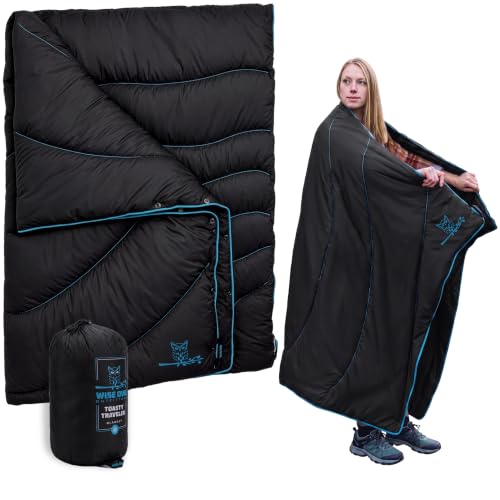
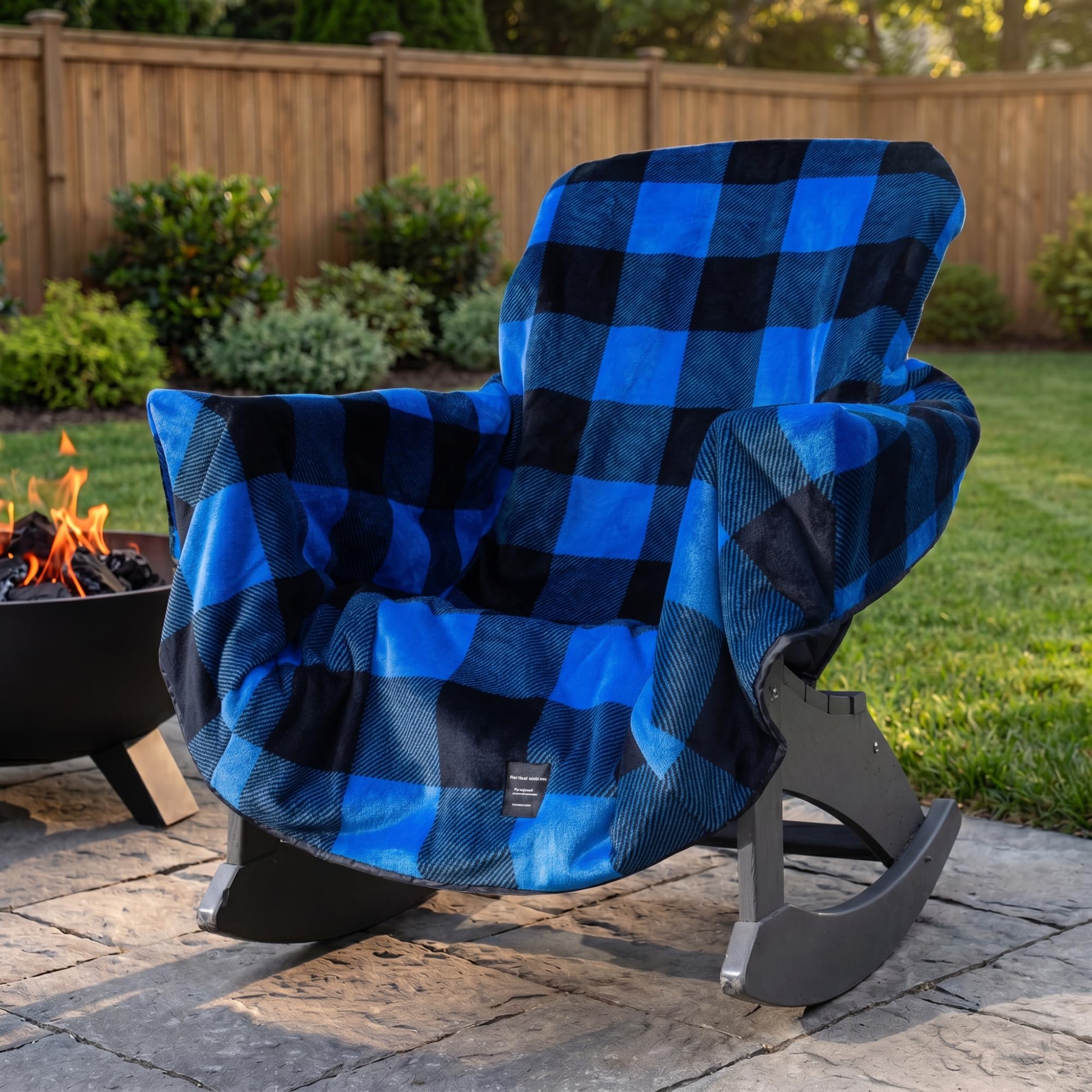

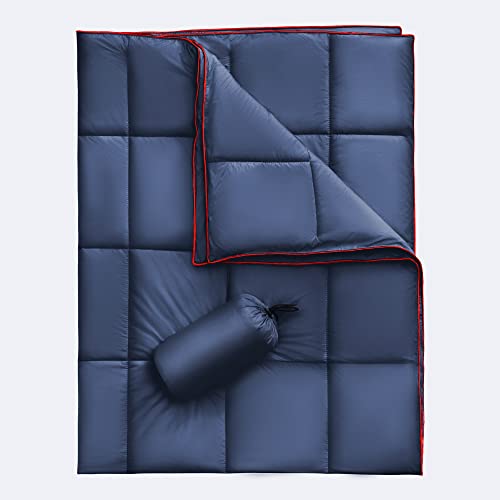


Blankets 101: The Basics
A patio blanket is a throw sized layer made to handle outdoor conditions that would ruin an indoor blanket. It resists moisture, tolerates sun, and shakes clean after contact with pollen, dust, and grass. Most come in throw sizes around 50 by 60 inches, big enough for one person or for two people sharing on a loveseat with a little overlap.
A few terms will help you shop. Loft means the thickness and airiness that create warmth. A water resistant finish sheds light moisture but is not the same as fully waterproof, which blocks water completely and often feels stiffer. Fade resistance describes how well dyes hold color in sun. If you learn just those three terms, most listings become much easier to judge. For a broader starting point, our guide to the best outdoor blankets shows how patio styles compare with camping and picnic types.
Key Specs Explained in Plain English
Features That Matter for Outdoor Patio
Patio blankets live between two worlds. They must feel as soft as indoor throws during a long evening outside, yet survive dew, spills, and storage in a deck box. Prioritize a soft face fabric with a tighter woven or treated back, which balances comfort and weather handling in one piece.
Weight is the spec new buyers misjudge most. A blanket around 1.5 to 3 lb feels warm on a breezy evening yet still folds into a basket or storage bin. Much heavier and it becomes a chore to carry in and out, which means it either lives outside and fades, or lives inside and never gets used when a chill arrives.
Material and Fill
Acrylic is a common patio choice because it resists sun fade and moisture while feeling soft like wool at a lower cost. Polyester fleece dries fast and costs less, though it can feel warm and slightly clammy in humid weather. Cotton looks and feels great at first, but plain cotton absorbs dew and fades, so choose cotton only in blends made for outdoor use.
Fill matters in quilted styles. Synthetic fill keeps some warmth when damp and washes easily, while down fill loses warmth when wet and belongs indoors. Olefin, a synthetic fiber used in many outdoor fabrics, deserves a mention for resisting stains and mildew. If most of your patio time is in shade and dry weather, softer indoor style fabrics can work, but store them inside after each use.
Firmness, Loft and Sleep Position
For a blanket, firmness really means how structured and thick it feels when you wrap it around you. High loft blankets trap more air and feel warmer on a still, cold night, which suits people who recline and stay in one spot. Lower loft blankets drape closer and pack smaller, which suits upright seating at a dining table or around a fire pit.
Think about your usual posture. If you curl up sideways on a daybed, extra loft at the shoulders and hips keeps drafts out. If you mostly sit upright with a blanket across your lap, a mid loft throw is plenty and will not bunch under you. One blanket rarely does both jobs perfectly, so match loft to the seat you use most.
Motion Isolation and Noise
On a patio, noise means fabric sounds. Stiff waterproof coatings can rustle and crinkle every time you shift, which gets annoying during a quiet evening or an outdoor film. Softer water resistant finishes stay quiet while still shedding dew and light spills, and for most patios that balance is the right call.
Sharing is the other half of this point. A single wide blanket around 60 by 80 inches lets two people adjust without a tug of war at every movement. Two smaller throws give each person full control and end the blanket negotiations entirely. Many couples find two throws the simpler answer, and they store more easily as a pair.
Support, Pressure Relief, and Edge Support
A blanket cannot fix an uncomfortable chair, but it can soften hard edges. Draped over a metal or wood armrest, a folded blanket pads the spot where arms and legs press. On a cushion free bench, sitting on one folded layer adds noticeable comfort during a long meal outside.
Edge construction decides how long that comfort lasts. Bound edges and tight stitching keep quilted layers from shifting and keep woven throws from unraveling where they rub against furniture. Run your fingers along the edge in store photos or in person. If threads already look loose on a new blanket, patio use will pull them apart fast. Our guide to the best patio blankets goes deeper on construction details for dedicated patio seating.
Durability and Care
Durability outdoors means surviving sun, moisture, and washing in equal measure. Look for solution dyed fabrics when you can, because the color runs through the fiber and fades far more slowly than surface dyed fabric. Mildew resistance matters in humid regions, and a fabric that dries within a few hours of sun will resist mildew on its own.
Care should be simple. Machine washable, low heat drying, and no ironing or special cleaners is the standard to want. A blanket you dread washing will sit dirty in a corner, so honest care labels are a feature, not fine print. Plan to wash every few weeks in season and always before storing it away.
Rookie Mistakes to Avoid
- Buying an indoor blanket for outdoor duty. It will absorb dew, fade, and mildew, so check that the listing truly suits outdoor use.
- Choosing fully waterproof when you only need water resistant. Stiff waterproof fabric feels clammy and noisy, while a resistant finish handles dew and light spills with far better comfort.
- Ignoring size. A small throw on a wide loveseat leaves knees uncovered, so measure your seating and size up when two people share.
- Leaving any blanket outside in rain for days. Even outdoor fabrics age fast when soaked and sun baked in cycles, so store it dry under cover.
- Forgetting storage. Without a dry bin or indoor spot, the best blanket degrades, so solve storage before the blanket arrives.
Getting Started: Setup and First Use
When your blanket arrives, wash it once following the label to remove factory finishes and loose fibers. Let it dry fully, then do a simple water test. Sprinkle a spoon of water on the back side and watch whether it beads or soaks in, so you know what to expect from dew. Drape it over your main seat and sit with it for an evening before you judge warmth, because first impressions in a warm house mislead.
Set up a simple routine from day one. Shake the blanket out after each use, bring it in or into a dry storage bin at night, and keep it away from fire pit sparks, which can melt synthetic fibers in seconds. If your patio shade setup is part of the comfort picture, our guide to the best outdoor patio umbrellas covers the other half of staying comfortable outside.
Blankets: Your Questions Answered
What features matter most in blankets for outdoor patio use?
Moisture resistance, fade resistance, and a weight you will happily carry in and out matter most. Together they decide whether the blanket stays pleasant all season. One extra tip is to check the reverse side. A slightly tighter weave on the back faces dew and deck surfaces, while the soft face stays against you, and that two sided design extends useful life.
How do I wash blankets safely?
Wash patio blankets safely in cold water on a gentle cycle with mild detergent, and wash them alone the first time in case dye releases. Skip bleach unless the label allows it, since bleach weakens outdoor fibers and fades color fast. Dry on low heat or line dry in shade. Full sun drying is fine for an hour, but long baking while wet and hot can age fabric.
Are cooling blankets worth it for hot sleepers?
On warm evenings, a light breathable throw is worth it because it blocks a light breeze and insects without trapping heat. Look for thin cotton blends or open weave synthetics rather than fleece. People who run hot often prefer a blanket only across the legs, leaving the torso free. That small adjustment keeps the cozy ritual of a blanket without the overheated feeling by the end of the night.
Our Verdict
For a first purchase, keep it simple. Choose a water resistant, fade resistant throw in a size that fits your main seat, at a weight you will carry without thinking twice. Store it dry, wash it on a simple routine, and it will serve for seasons. The product table above can help you compare current options against those basics, and the right best blankets for outdoor patio choice is the one that fits your evenings, your furniture, and your weather.


