Best Blankets for Hot Flashes 2026: A Practical Guide
Disclosure: We may earn a commission when you buy through links on this page, at no extra cost to you. As an Amazon Associate I earn from qualifying purchases. Learn more

Sleep cooler through hot flashes with breathable blankets. Compare cooling fabrics, weight, moisture control, and layering for restful nights.
Night time hot flashes can turn sleep into a cycle of overheating, kicking off covers, then feeling chilled, and best blankets for hot flashes aim to break that cycle with breathable, moisture friendly layers. The right blanket lets heat escape, absorbs sweat without feeling clammy, and is easy to adjust through the night. Small fabric choices can make a real difference to rest.
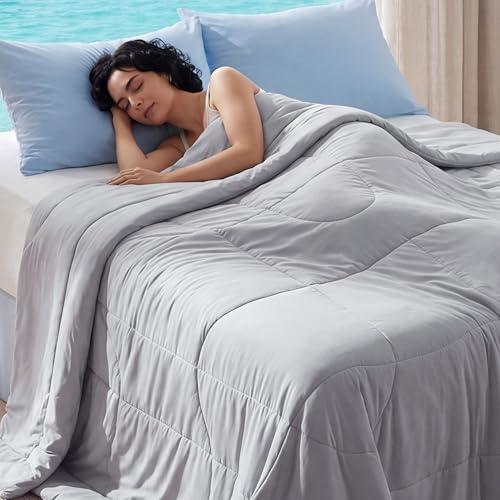
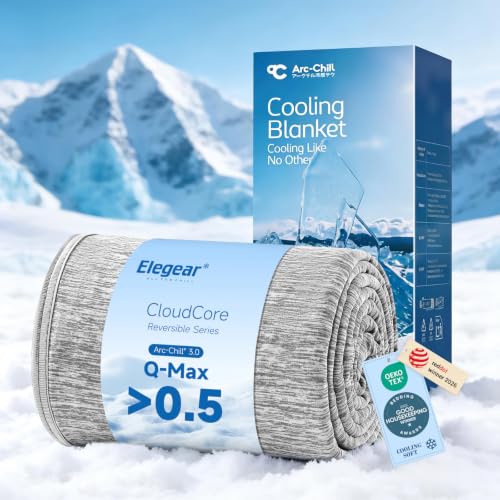
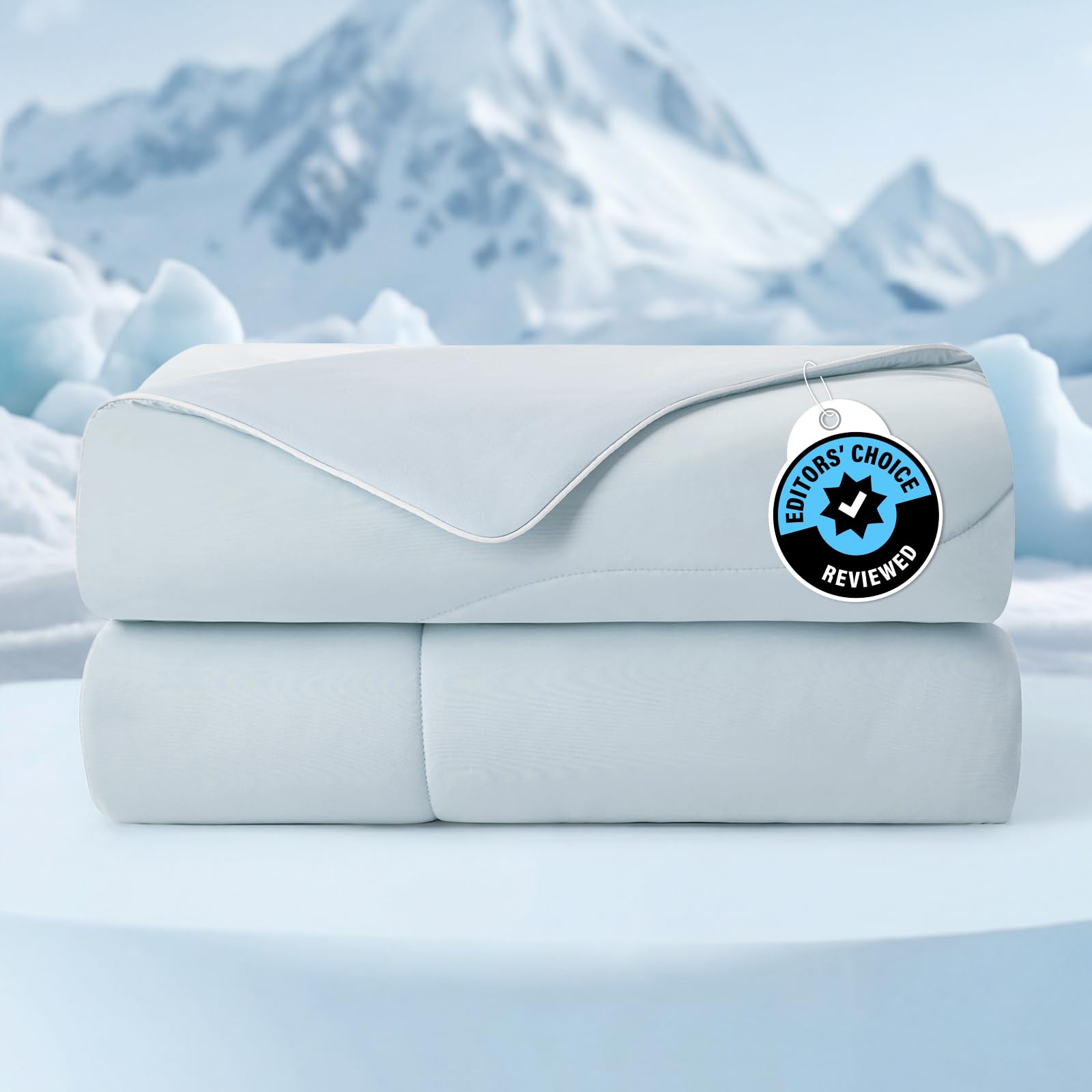
The comparison table below compares cooling blankets side by side, so you can weigh breathability against weight and moisture control against softness. Before you buy, think about whether you sleep hot all night or only during flashes, and whether you share a bed with someone who prefers warmer covers. Those answers guide layering better than a single heavy blanket.




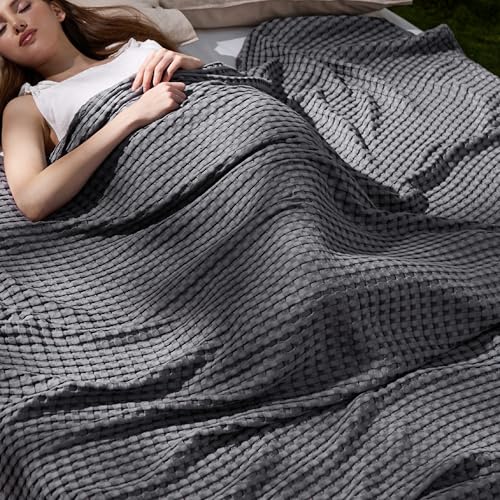


Who Should Buy Blankets for Hot Flashes
These blankets suit people experiencing menopause related hot flashes, night sweats, or general overheating at night. They also help hot sleepers and people in warm climates who wake damp or restless. If you often push covers aside at night, a breathable blanket is worth trying.
A cooling blanket cannot treat the underlying cause of hot flashes, and frequent, severe, or new night sweats deserve clinician advice. It also cannot replace good bedroom ventilation, light sleepwear, and a cool room. Use the blanket as part of a sleep routine, and seek medical guidance if symptoms change or worsen.
Key Features to Compare
Look for these features, since they decide whether a blanket cools you or traps heat.
- Breathable natural or performance fabrics that let air pass through rather than sealing heat in.
- Moisture wicking that draws sweat away from skin so bedding feels less damp.
- Lightweight construction that is easy to push aside or pull back during a flash.
- Layer friendly design, so you can add or remove a layer without remaking the whole bed.
- Washability, since night sweat bedding needs frequent washing to stay fresh.
Types and Options
Cooling blankets come in a few forms, each suited to a different sleep style.
- Light cotton and bamboo blankets for breathable everyday use, soft and easy to wash.
- Cooling performance blankets with moisture wicking fibers, designed to feel cool on contact.
- Thin waffle or open weave blankets that allow airflow while still giving a sense of cover.
A light cotton blanket suits most hot sleepers, while a performance blanket feels cooler at first touch. Open weave styles offer the most airflow, but they may feel less substantial if you like weight on top of you.
Getting the Choice Right
Choose a size that covers you fully without excess fabric bunching around you, since bunched layers trap heat. If you share a bed, consider separate light blankets so each person can adjust their own cover. Test the blanket on a warm night before judging it, since first impressions in a cool shop can mislead.
Layer a thin cooling blanket over a light sheet, and keep a second layer nearby for cooler hours before dawn. That layering lets you adjust quickly during a flash without waking fully. Wash new bedding before first use, and check that it stays breathable after washing.
Care and Everyday Use
Wash cooling blankets regularly on a gentle cycle, and avoid fabric softener that can coat fibers and reduce breathability. Dry fully before use, since damp bedding feels clammy and can develop odor. Store spare layers where they stay clean and easy to reach at night.
Replace a blanket when it loses breathability, develops persistent odor, or pills heavily, since worn fabric traps more heat. Check seams and edges, and retire bedding with thinning or holes. Fresh, breathable bedding supports better sleep far more than an old favorite that no longer breathes.
Mistakes to Avoid
A common mistake is choosing a heavy comforter for hot flashes, hoping weight will help sleep, when it actually traps heat. Another is choosing a synthetic blanket that feels cool at first but becomes clammy with sweat. A third mistake is using one thick layer instead of adjustable thin layers.
Avoid plastic backed or waterproof covers directly over a cooling blanket, since they block airflow and increase sweating. If you need mattress protection, choose a breathable protector designed for hot sleepers. Test your full bedding stack together, not just the blanket alone.
Related Guides
For more detail, see our guides to best blankets for hot sleepers, best blankets for hot weather and best summer blankets for hot sleepers.
A Final Check Before You Order
Before buying, track your night temperature pattern for a week, noting when flashes happen, how long they last, and whether you feel chilled afterwards. That pattern shows whether you need very light layers all night or adjustable layers for changing hours. A blanket chosen from real nights will suit you better than one chosen from a single hot evening.
Experiment with sleepwear fabric alongside bedding, since heavy nightwear can undo the benefit of a breathable blanket. Light, moisture wicking sleepwear pairs well with a cooling blanket, while thick sleepwear traps heat even under the lightest cover. Test the full sleep system together, not just one item alone.
Finally, keep your bedroom cool and ventilated, using a fan or open window where safe, and avoid heavy bedding stacks that block airflow. A cool room, light sleepwear, and adjustable layers work together, and no single product can replace that combination. If flashes change suddenly or become severe, talk with a clinician about causes and options.
Frequently Asked Questions
What fabric is coolest for hot flashes?
Breathable fabrics such as cotton, bamboo, and moisture wicking performance blends usually feel coolest, because they allow airflow and move sweat away from skin. Avoid heavy polyester fleece and thick synthetic fills that trap heat. A light, open weave structure also helps air circulate. Wash new bedding first, since finishes can affect breathability until the first wash.
Should I use one blanket or layers for hot flashes?
Layers usually work better, since you can push a layer aside during a flash and pull it back when you feel cool again. Start with a light sheet plus a thin cooling blanket, and keep an extra layer nearby for early morning chill. One heavy blanket forces an all or nothing choice that often leads to waking. Adjustable layers support steadier sleep through changing body temperature.
Do cooling blankets really work?
They can help by improving airflow and moisture control, but they cannot stop hot flashes themselves. A cooling blanket reduces overheating and dampness, which often means faster return to sleep after a flash. Results vary by person, room temperature, and sleepwear. Combine a cooling blanket with a cool room and light sleepwear for the best effect.
When should I talk with a clinician about night sweats?
Talk with a clinician if night sweats are new, severe, frequent, or accompanied by weight loss, fever, pain, or other worrying symptoms. Hot flashes linked to menopause are common, but other causes also need checking. A clinician can discuss options and rule out other conditions. Do not ignore persistent or changing symptoms, and seek prompt care for severe symptoms.
How often should I wash bedding for night sweats?
Wash sheets and light blankets at least once a week, or more often during frequent night sweats. Sweat and skin oils build up quickly and can cause odor and skin irritation. Use a mild detergent and dry bedding fully before use. Keep a spare set ready so fresh bedding is always available without a midnight laundry run.
Final Thoughts
The best hot flash blanket is light, breathable, moisture friendly, and easy to adjust through the night. Cotton, bamboo, and performance fabrics suit most sleepers, while layering beats a single heavy cover. The product table above helps you compare those options.
Build a layering system with a light sheet and a thin cooling blanket, keep the room cool, and adjust layers as needed. That approach helps you choose best blankets for hot flashes that support calmer and cooler sleep.