Best Blankets for Allergy Sufferers: Matching the Right Model to Your Routine for 2026
Disclosure: We may earn a commission when you buy through links on this page, at no extra cost to you. As an Amazon Associate I earn from qualifying purchases. Learn more

The best blankets for allergy sufferers wash hot, use a tight weave, and keep fill even, so allergens have fewer places to settle.
There is no single blanket that suits every sensitive sleeper. Your symptoms, your washing routine, and how warm you sleep all change which fabric and fill will help you wake up clearer. This guide matches the best blankets for allergy sufferers to real routines, so you can choose by how you actually live and sleep.
A blanket alone will not treat allergies, and it should sit alongside advice from your clinician or allergist, especially if symptoms are severe or you have asthma. What the right blanket can do is reduce how many allergens collect where you breathe all night, and make regular hot washing easy enough that you actually keep it up. Start with the use cases below, then check the comparison table below.


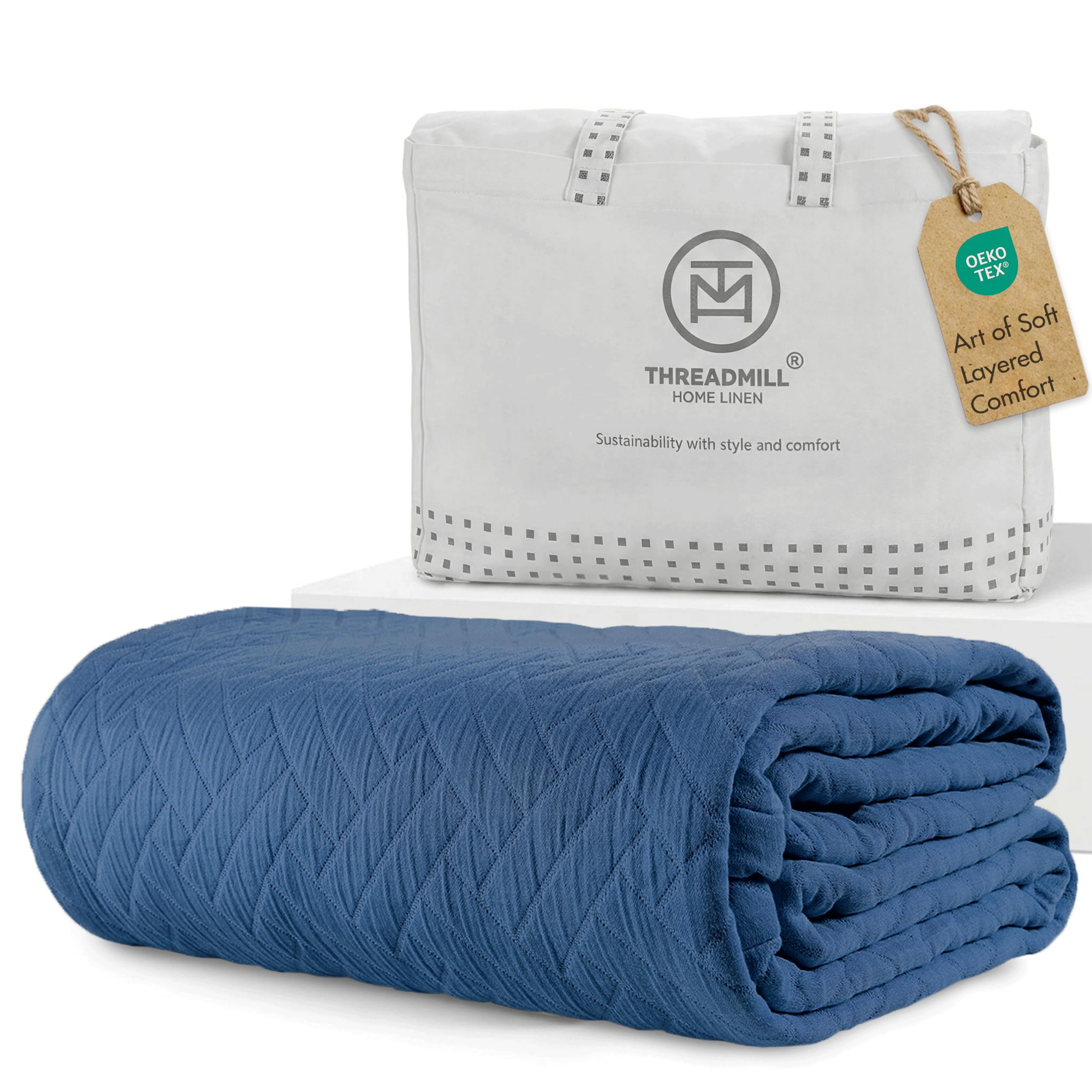

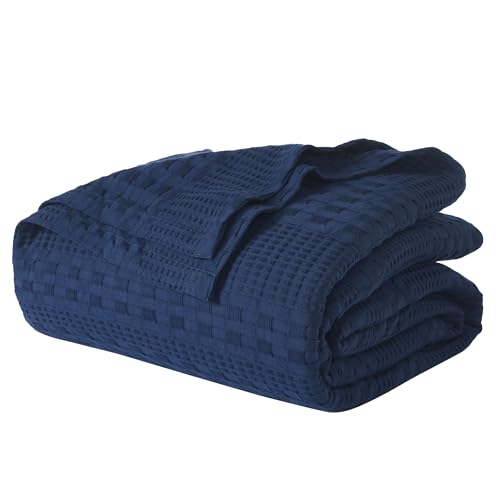
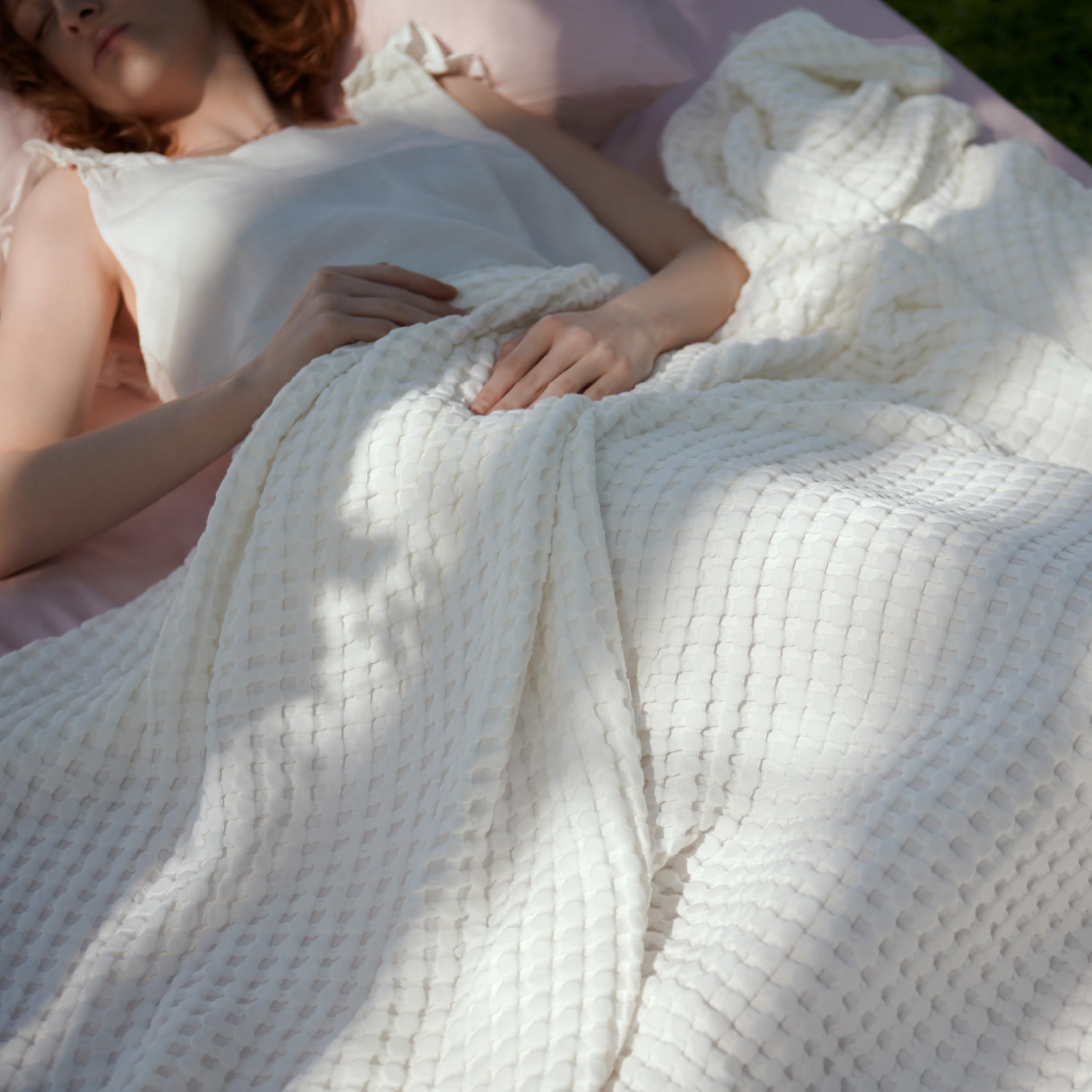
Who Should Buy Which Blankets?
For People Who Want the Best Performance
If dust mite exposure is your main trigger, performance means a very tight weave, a fill that resists clumping after many hot washes, and construction that survives weekly laundering without thinning. Premium options earn their price through denser fabrics, better stitching that keeps fill evenly spread, and certifications that document chemical safety. You also get lighter warmth, since well made fills insulate without bulk. For this group, cost per year of use is the right measure, because a blanket you wash 50 times a year needs to be built for exactly that workload.
For First Time Buyers
If you are buying your first allergy focused blanket, keep it simple. Choose a machine washable synthetic fill or a tightly woven cotton shell, in a standard size that fits your current bedding and your home washing machine. Avoid anything that needs professional cleaning, because a blanket you cannot wash easily will not stay low in allergens. A plain, well made blanket you wash on schedule beats a fancy one you avoid laundering. Once you know how your symptoms respond, you can refine fabric and weight with your next purchase.
For Value Seekers
Value here means a low price that still delivers the allergy basics: a smooth tight weave, a washable fill, and no loose fibers that shed into the air. Microfiber and polyester fills often give the best value, because they tolerate hot water, dry fast, and cost less than natural fills. Check the care label before you buy, since a cheap blanket rated for cold gentle washing only is poor value for allergy use.
Key Features of the Best Blankets For Allergy Sufferers
Certifications That Matter for Blankets
Look for OEKO TEX Standard 100 on the label, which means the fabric and fill have been tested for harmful substances that can irritate skin and airways. CertiPUR US applies to foam products rather than most blankets, and RDS concerns responsibly sourced down, so treat those as secondary here. A certification does not make a blanket allergen proof, but it does rule out a set of chemical irritants. If a seller cannot name the standard or show the label detail, that silence is useful information about overall quality control.
Cooling and Breathability
Hot sleepers often kick blankets off and then wake chilled, and restless sleep makes allergy symptoms feel worse. Breathable cotton and bamboo derived fabrics move moisture away and feel cooler against the skin, while dense synthetics can trap heat. Thread count is not the whole story. A moderate thread count cotton with an open, airy feel usually sleeps cooler than a very high count fabric woven so tightly that air cannot move. For allergy use, the winning fabric balances a tight enough weave to block dust mites with enough airflow to keep you comfortable.
Features That Matter for Allergy Sufferers
Three features do most of the work. First, washability in hot water, around 130 degrees Fahrenheit, which is the temperature commonly advised for killing dust mites. Second, a tight weave or a smooth microfiber surface that gives mites and pet dander fewer places to settle. Third, a fill that does not break down in the wash, such as quality polyester, rather than natural fills that can harbor moisture. Add a smooth finish with few loose fibers, and check that seams are fully enclosed so fill cannot escape and irritate your airways.
Material and Fill
Pair the blanket with allergy friendly pillows too, as our guide to the best pillows for allergy sufferers explains, because pillows sit closest to your face and collect allergens fast.
Down feels luxurious but is a poor default for allergy sufferers, because it is hard to wash hot and can hold moisture, and some people react to the down itself. Down alternative polyester fills mimic the softness, wash well, and dry quickly. Cotton shells breathe and wash easily, linen is durable and naturally airy, and bamboo derived fabrics feel cool and smooth. Wool resists dust mites to a degree and manages moisture well, but many wool blankets cannot handle hot machine washing. Always let the care label, not the fiber story, make your final call.
Common Mistakes to Avoid When Buying Blankets
- Choosing by price alone and ending up with a blanket that can only be washed cold, which leaves dust mites alive and well.
- Ignoring certifications entirely, when an OEKO TEX label is a quick screen against chemical irritants.
- Buying the wrong size, so the blanket either drags on the floor collecting dust or leaves you uncovered and cold.
- Skipping the care label and discovering at home that your new blanket needs professional cleaning.
- Forgetting the rest of the room, since allergens also live in rugs and mattresses, a point our guide to the best rugs for allergy sufferers explains for flooring choices.
Setup and Care Tips
Wash the blanket before first use to remove factory finishes, then wash it every one to two weeks in hot water if the label allows, and dry it fully before it goes back on the bed. Wash sheets weekly in warm water as part of the same routine, and use a mattress protector so the mattress itself collects fewer allergens. A practical know how point: shake the blanket outdoors before washing to remove loose dust without sending it into your bedroom air. Store a spare blanket in a sealed bag so your backup is clean the day you need it, and consider the room level steps in our guide to the best vacuums for allergy sufferers for weekly cleaning support.
Frequently Asked Questions
What features matter most in blankets for allergy sufferers?
Hot washability, a tight weave, and a durable synthetic fill matter most. Together they let you kill dust mites regularly and deny them a place to live between washes. One extra point many shoppers miss is drying time. A blanket that dries fast is easier to wash often, and a blanket that stays damp can grow mildew, which creates a new irritant while you were trying to remove the old one.
Is a higher thread count always better in a blanket?
No. Beyond a moderate level, higher thread count mostly adds a smoother feel and a higher price, not better allergy protection. Very dense weaves can also sleep hot, which pushes you to kick the blanket off at night. Judge the fabric by how tight the weave looks against the light and by the care label, not by the biggest number on the package. A well made mid range cotton often outperforms a costly high count option in real bedrooms.
How do I wash blankets safely for allergy control?
Follow the label, use hot water around 130 degrees Fahrenheit when the fabric allows, and avoid overloading the machine so water can move through the fill. Dry the blanket completely, ideally on a warm setting, before using or storing it. If your blanket cannot take hot water, wash it more often and pair it with a washable duvet cover that can. When in doubt, choose the wash routine you will actually repeat every week or two.
Are cooling blankets worth it for hot sleepers with allergies?
They can be, if the cooling comes from breathable natural airflow rather than a coating that washes off in a few cycles. Hot sleepers who stay under the blanket all night keep a steadier temperature and disturb their partner less. Check that any cooling blanket is still fully washable in hot water, because a cool blanket you cannot clean properly is a poor trade for allergy control. Breathable cotton often delivers most of the benefit at a lower price.
How often should I replace my blanket?
Replace it when the fill clumps, the weave thins, or it no longer comes clean and fresh after washing, which is often after two to four years of heavy allergy routine laundering. A blanket that has lost its even fill will sleep unevenly and wash unevenly too. If your symptoms return despite regular washing, an aging blanket is one suspect worth checking. Keeping a purchase date note on the care label helps you judge age at a glance.
The Bottom Line
Choose by routine first: a blanket you can wash hot every week or two, with a tight weave and a fill that survives that schedule, will do more for your nights than any premium label. Match weight and breathability to how warm you sleep, and the best blankets for allergy sufferers for your home will be clear. Compare your shortlist with the product table above, and talk with your clinician about personal needs if symptoms persist.