Best Blankets Ever: What Makes a Blanket Worth Keeping in 2026
Disclosure: We may earn a commission when you buy through links on this page, at no extra cost to you. As an Amazon Associate I earn from qualifying purchases. Learn more
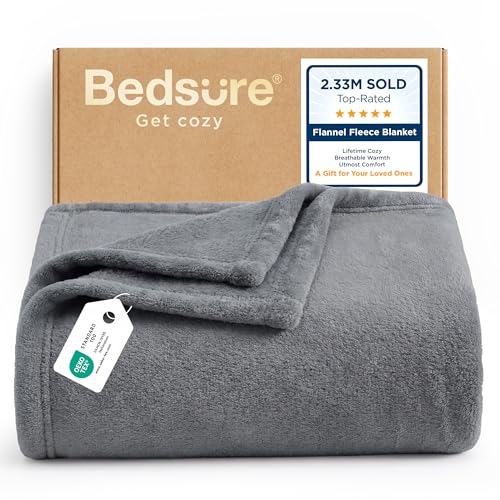
The best blankets ever pair the right fabric with enough size and easy care, so they stay soft and warm for years.
Some blankets earn their place on the bed for ten years, and others thin out after a season. The best blankets ever share a few traits: a fabric that suits how you sleep, enough size to cover you, and construction that survives hundreds of washes. This guide shows how to spot those traits before you buy.
Use the comparison table below to shortlist a few options, then work through the sections that follow to match fabric, warmth, and size to your own home.



What Makes the Best Blankets Ever
A blanket that people keep for years is rarely the fanciest one. It is usually the one that feels right against the skin, stays the right temperature through the night, and comes out of the wash looking the same. Softness gets you to buy it, but washability and fiber quality decide whether you keep it.
Think of three questions before you compare prices: how warm do you sleep, how often will you wash it, and where will it live, on the bed, the sofa, or both. Your answers narrow the field faster than any brand name.
Types of Blankets to Know
Fleece and microfiber
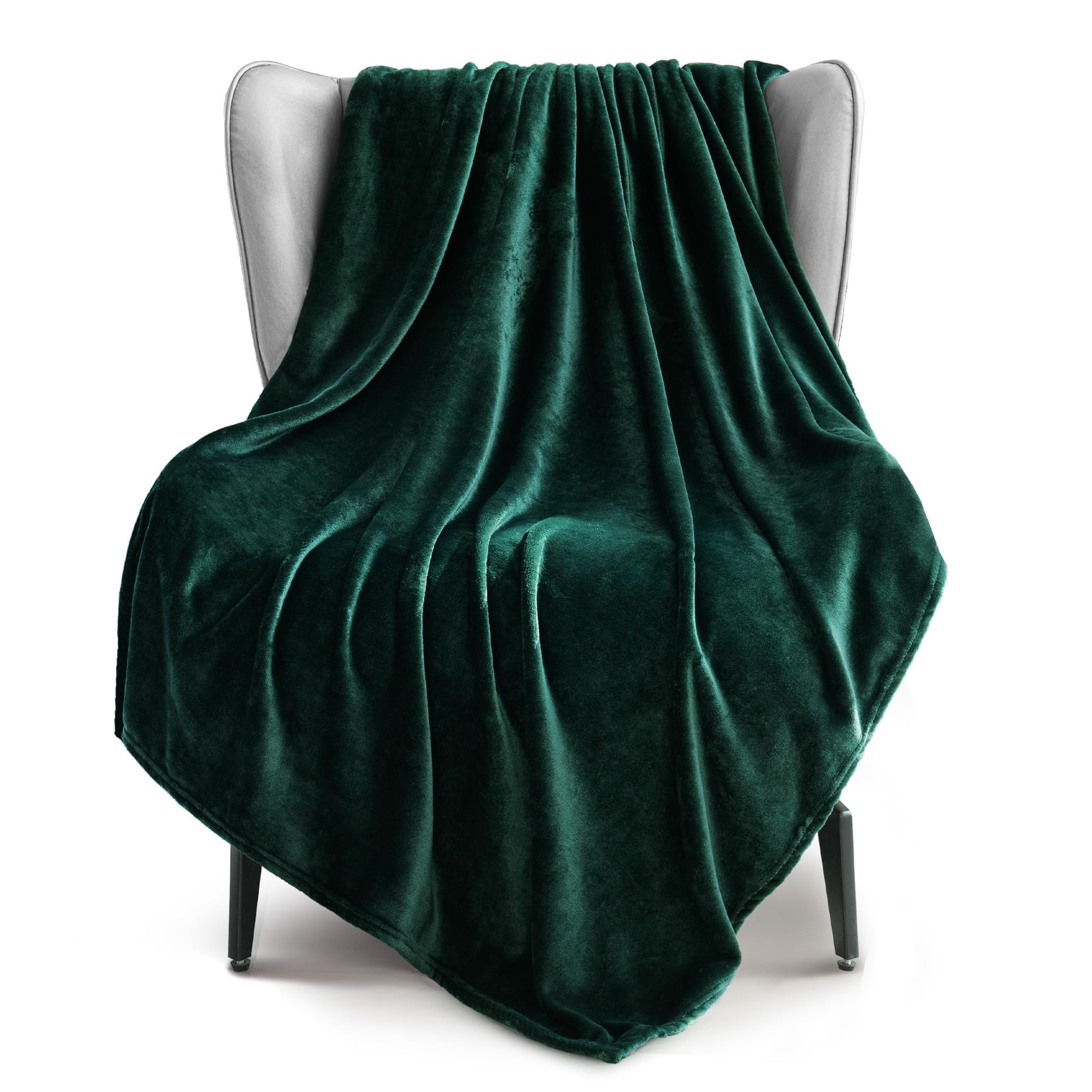
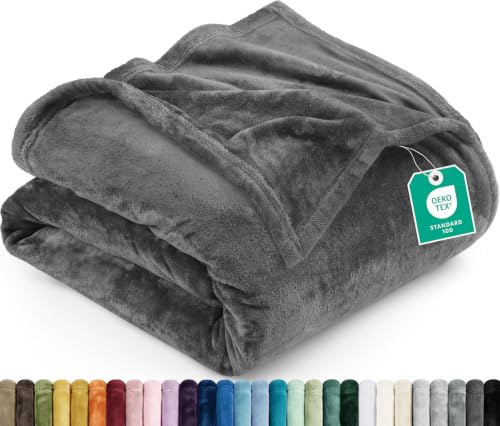
Fleece is warm for its weight, dries quickly, and costs little, which makes it the most common bed and sofa blanket. It can build static and pill after many washes, and it traps heat for hot sleepers.
Cotton and waffle weave
Cotton breathes well and softens with each wash. Waffle and muslin weaves add texture and airflow, which suits warm rooms and people who sleep hot. Cotton blankets take longer to dry than fleece.
Wool and wool blends
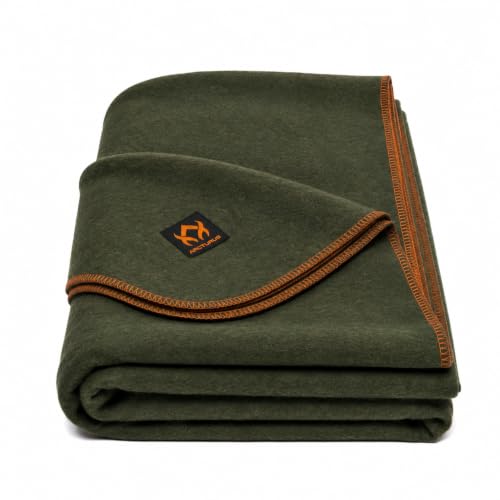
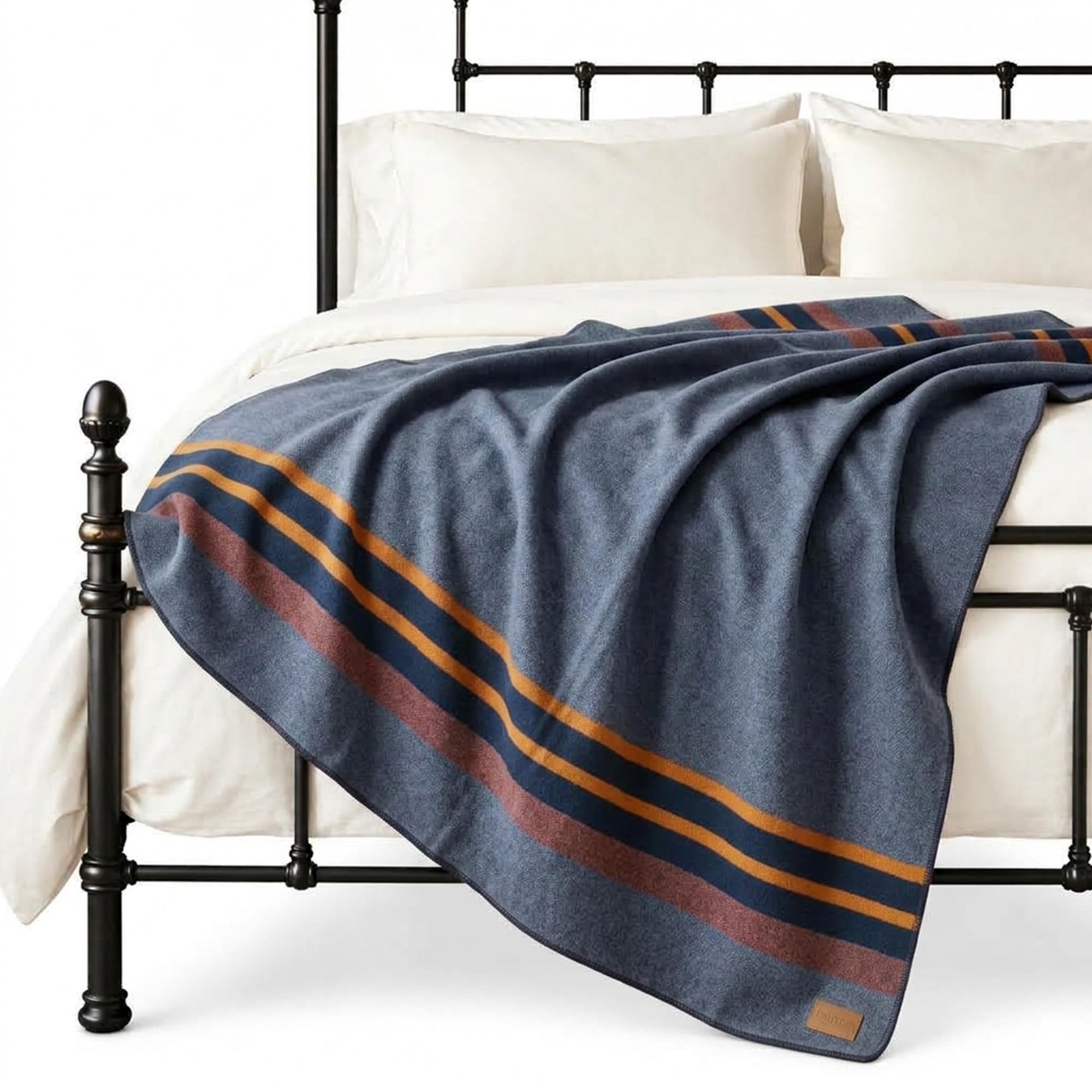
Wool holds warmth even when damp, regulates temperature, and can last for decades. It is heavier, usually costs more, and some wool blankets need gentle washing.
Sherpa and faux fur throws
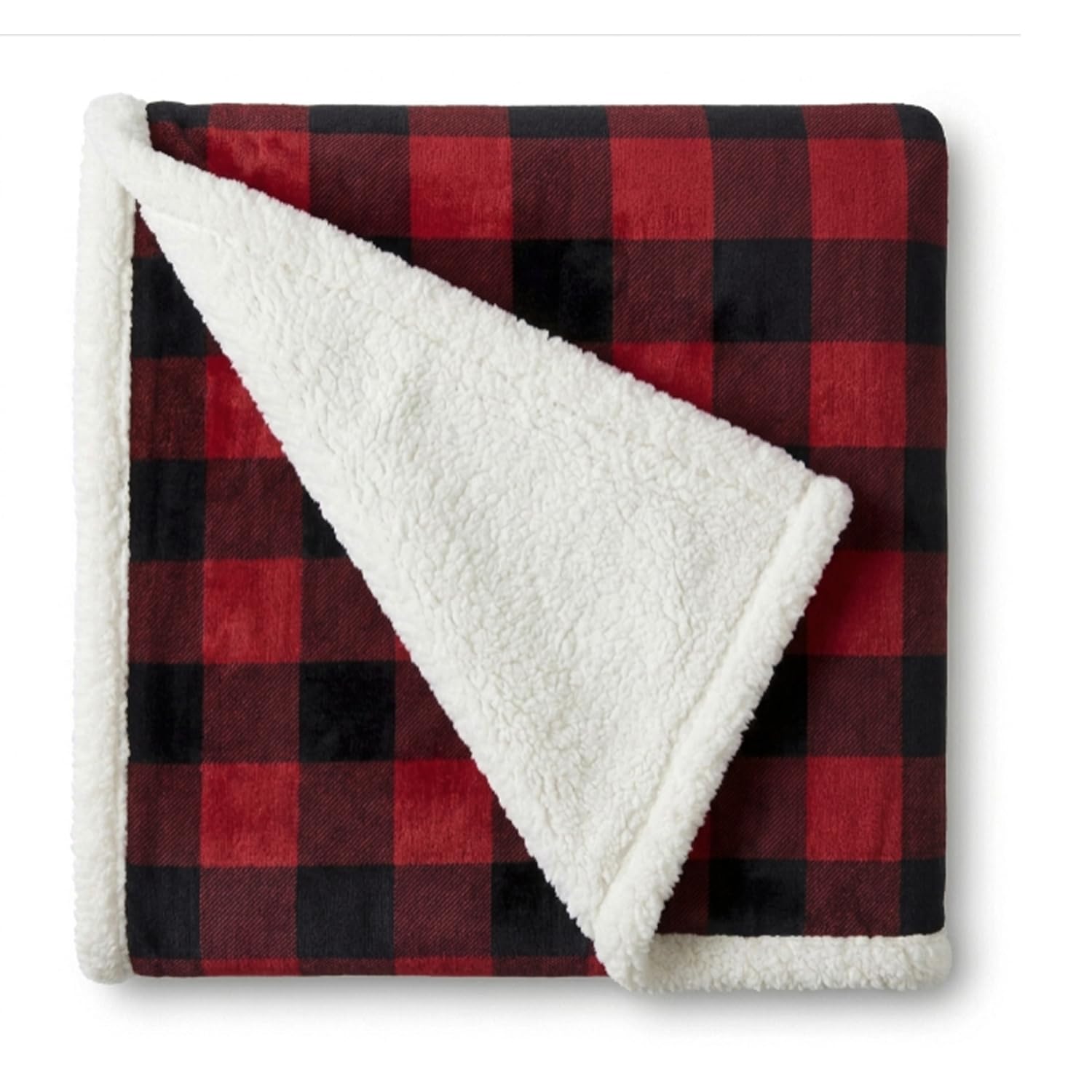
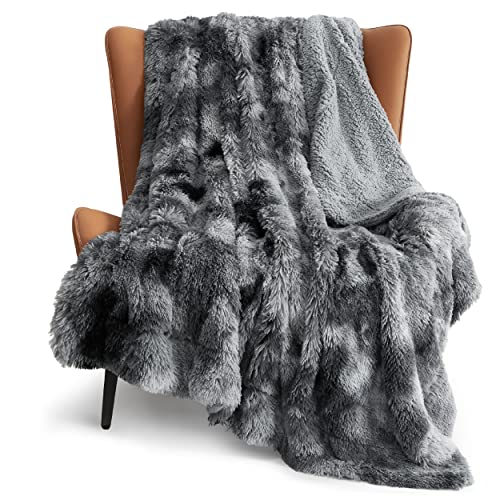
These plush throws feel cozy on a sofa, but their deep pile holds crumbs and pet hair and needs low heat in the dryer. They suit evenings in more than all night use.
Quilts and comforter style blankets
Quilts and filled blankets add loft and warmth for cold bedrooms. Down alternative fill is easy to wash and suits allergy sensitive sleepers, while real down is lighter for the warmth but needs careful care.
Key Features to Compare
Size
Match the blanket to the mattress with enough overhang for the sides, usually 15 to 20 inches beyond the bed. A throw is about 50 by 60 inches and suits a sofa. If two people share a bed, size up one step so neither loses the covers.
Warmth and weight
Warmth comes from how much still air the fabric can hold, so a lofty blanket feels warmer than a flat one of the same weight. A light blanket suits warm rooms, a medium one suits most bedrooms, and a heavy one suits cold rooms. Layering two lighter blankets lets you adjust through the night.
Fabric feel and breathability
Touch matters. Look for even weaving, no thin spots, and finished edges that do not fray. Natural fibers breathe best, while dense synthetics trap heat. If you often wake too warm, choose cotton or an open weave first.
Care and durability
Check the care label before you buy. Machine washable blankets get washed more often and stay fresh, while dry clean only pieces tend to stay folded away. Bound edges and tight stitching survive repeated washing, and a fabric that pills in the store will pill faster at home.
For a wider quality checklist, see our guide to the best quality blankets. If you want targeted warmth, the best heated blanket guide covers controls and safety features, and the best throws and blankets guide covers smaller sizes.
Using and Caring for Your Blanket
Wash a new blanket before first use to remove loose fibers and finishes. Use a large machine so the blanket can move freely, a mild detergent, and low to medium heat in the dryer. Dry it fully before folding, because damp fill turns musty.
Rotate between two blankets so one is always clean, and store the spare in a breathable bag rather than sealed plastic. Mend small tears early, since loose seams get worse in the wash.
Common Mistakes to Avoid
- Buying the warmest blanket for a warm room, then kicking it off all night.
- Choosing by softness in a photo and ignoring the fiber and care label.
- Ordering the wrong size, which leaves bare shoulders or a blanket pooling on the floor.
- Skipping the first wash, which leaves loose lint and finish on the bed.
Matching a Blanket to Your Room and Season
A cold, drafty bedroom in January and a warm apartment in July call for very different blankets, so many households keep two. A medium wool or down alternative blanket handles winter, while a light cotton waffle blanket handles summer, and both can share the same duvet cover or sheet set.
On the sofa, choose a throw you can toss in the washer without a second thought. In a guest room, a neutral medium weight blanket suits the widest range of visitors. If you travel often, a packable throw that folds into a pouch is worth a small budget of its own.
Climate matters too. Humid regions favor breathable cotton and linen, dry cold regions favor wool and fleece, and homes with a lot of temperature swing favor layers you can add or remove without getting out of bed.
Finally, think about who uses the blanket. A household with pets or small children needs a tight weave that resists snags and a washer friendly fabric, while a quiet guest room can carry a more delicate wool or a decorative throw that rarely needs cleaning.
Budget and Value
Expect to pay about $10 to $30 for a good fleece, $40 to $70 for a waffle or muslin cotton blanket, and $40 to $200 or more for wool or a premium throw. Value means cost per year, so a $50 blanket that lasts six years beats a $15 one replaced every season.
Frequently Asked Questions
What fabric lasts longest in a blanket?
Wool and tightly woven cotton last longest with proper care. Fleece is durable but can pill, and loose knits can snag. Buy for the fabric you can wash the way the label says.
How warm should a blanket be?
Choose by room temperature and how you sleep. A medium weight blanket covers most bedrooms, and you can add a light layer on the coldest nights rather than buying one heavy blanket.
How often should I wash a blanket?
Wash a bed blanket every two to four weeks and a sofa throw whenever it picks up odors or spills. Shake it outdoors between washes to lift dust.
Which size should I buy?
Match the mattress size and add overhang, and size up for two sleepers. If you do not know the bed size, a standard throw is the safest choice.
How do I know when to replace a blanket?
Replace it when it thins, pills heavily, loses loft, or keeps a stale smell after a proper wash. That is often after three to eight years, depending on the fabric.
Final Thoughts
Choose the fabric for your sleep style, the size for your bed, and care you will actually follow. Compare your shortlist in the product table above, and the best blankets ever for your home will be the ones you still reach for years from now.