Best Blankets and Comforter 2026 for Every Need: How to Pick the Right One
Disclosure: We may earn a commission when you buy through links on this page, at no extra cost to you. As an Amazon Associate I earn from qualifying purchases. Learn more

Compare blankets and comforters by fill, warmth, weave and size, with a use case checklist for layering, cooling, care and drape on your bed.
There is no single bedding set that suits every sleeper, room and season. The best blankets and comforter pairing for you depends on how warm you sleep, how you layer, and how much washing you want to do. This guide sorts those choices by use, so you can read the comparison table below with a clear plan.
A blanket and a comforter do different jobs. A blanket adds a flexible layer you can fold back or add on cold nights, while a comforter is a thicker top layer with insulation built in. Many beds work best with both, in different combinations across the year.

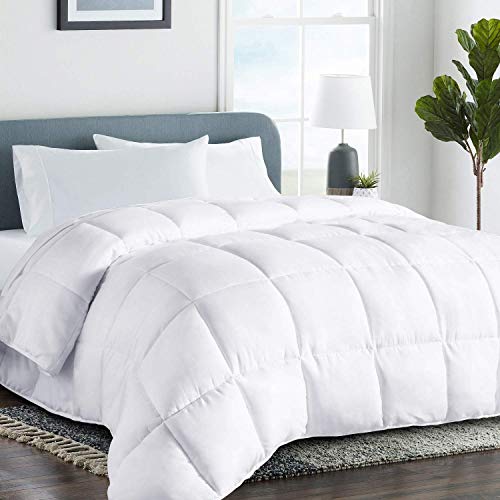


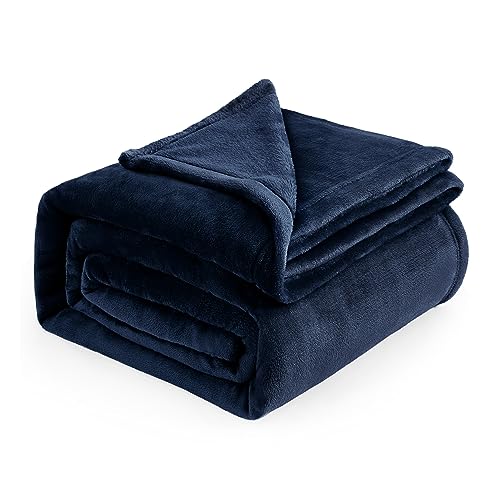
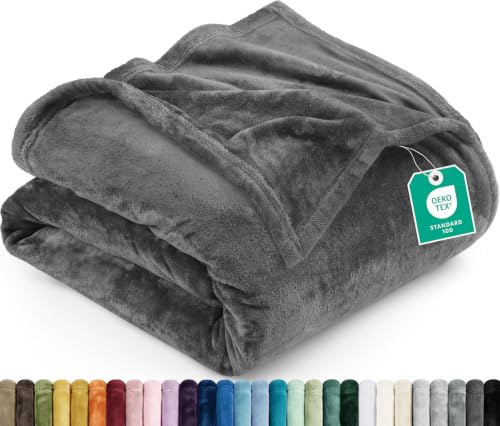
Who Should Buy Which Blankets and Comforters?
Start with the job each piece must do in your home. Your budget, laundry habits and room temperature will narrow the field faster than color or pattern will.
For Value Seekers
You want warmth and durability without paying for luxury fill you may never notice. Look for a down alternative comforter with a cotton or microfiber shell and a simple cotton or fleece blanket for layering. That pairing covers most nights, washes easily, and costs about $60 to $150 for the set. Spend first on the comforter, because it carries most of the insulation.
For First Time Buyers
You need a simple starting set that works in most rooms and is hard to get wrong. Choose a medium weight comforter and one cotton blanket in a neutral color that matches sheets you already own. Cotton is forgiving to wash and layers well in both directions. Buy the size that matches your mattress first. If you want a broader quality checklist before you shop, see our guide to the best quality blankets for what sturdy construction looks like.
For Gift Shoppers
You want a gift that fits a bed you may never have measured and a sleeper whose habits you only partly know. A medium weight comforter in white or a soft neutral is the safest choice, paired with a blanket in queen size for couples or twin for a single bed. Avoid very warm or very light fills, because extremes suit fewer people. Include a gift receipt, and choose fabrics that wash at home.
For People Who Want the Best Performance
You are willing to pay more for sleep that feels right in every season. Look for a down comforter with high loft for winter, a breathable cotton blanket for summer, and shells in percale or sateen with tight, even stitching. That range can cost about $200 to $450, and the gain is control: you can fine tune warmth night by night.
Key Features to Compare
Compare these factors in order. That order helps you judge the best blankets and comforter options without paying for warmth you will not use.
Material and Fill
Down fill traps air in soft clusters and gives high warmth for low weight, but it costs more, needs gentle care, and can bother some people with sensitivities. Down alternative fill, usually polyester, costs less, washes more easily, and suits allergy conscious shoppers, though it can feel heavier for the same warmth. For the shell and for blankets, cotton is breathable and durable, linen is airy and textured, and fabrics made from bamboo are smooth and cool to the touch. Choose down for lightness, down alternative for easy care, and cotton or linen where airflow matters most.
Warmth, Loft and Layering
Warmth comes from how much still air the fill can hold, which is why a lofty comforter feels warmer than a flat one of the same weight. Makers often group comforters as light, medium or heavy, and some use a warmth rating similar to a tog scale. A light comforter suits warm rooms, a medium one suits most bedrooms for most of the year, and a heavy one suits cold rooms and winter. Layering a blanket under or over the comforter lets one set cover more seasons.
Cooling and Breathability
Breathability is about how easily air and moisture move through the fabric. Cotton percale has a crisp, matte feel and lets air pass well, while sateen is smoother and slightly warmer against skin. Open weave blankets, such as thermal or waffle styles, trap less heat and work well on summer nights. If you often wake too warm, choose natural fibers and a light fill first. For targeted warmth instead of whole bed heating, see our guide to the best heated blanket options and their safety controls.
Size and Drape
Match the comforter and blanket to the mattress size, then check the actual inches, because brands cut the same label differently. A twin comforter is often about 68 by 88 inches, a queen about 92 by 96 inches, and a king about 108 by 96 inches, though sizes vary. You want enough overhang to cover the mattress sides and your shoulders when you turn. If two people share, size up one step for more drape and fewer cold gaps.
Weave, Thread Count and Fabric Quality
Thread count counts the yarns in one square inch of fabric, and a sound cotton shell often sits around 200 to 400. Higher numbers can feel softer, but very high counts can also trap heat and add cost without adding strength. Look instead for even weaving, no thin spots, and labels such as OEKO TEX, which test fabrics for harmful substances. Percale uses a plain weave for a crisp feel, while sateen uses more surface yarns for a smooth finish.
Blankets, Comforters and Throws Compared by Use
A blanket is a single layer meant for adjustable warmth. Use it alone in summer, over a sheet on mild nights, or under a comforter in winter when you want warmth you can peel back in stages. Cotton blankets breathe best, fleece feels warm at low weight, and wool holds warmth when the room is cool.
A comforter is a filled top layer, sewn so the insulation stays spread across the bed. Baffle box stitching lets down loft fully, while sewn through stitching suits lighter fills and costs less. A throw is smaller, often about 50 by 60 inches, for a sofa or the foot of the bed. For that smaller layer, see our guide to the best throws and blankets for size and fabric ideas.
Common Mistakes to Avoid
Most returns come from warmth and size, not from color. Watch for these errors before you order.
- Buying the warmest comforter for a warm room leaves you sweating and kicking it off all night.
- Choosing by thread count alone can pay more for a dense shell that sleeps hotter and wears no better.
- Ordering the mattress label size without checking inches can leave too little drape on a deep bed.
- Picking a down comforter you cannot wash or afford to clean leads to skipped care and flat, stale fill.
- Using one heavy layer instead of two lighter layers removes your option to adjust on changing nights.
Washing and Storing Blankets and Comforters
Wash blankets and comforters by their care labels, and give bulky pieces room to move. A large capacity machine suits a queen or king comforter, and a duvet cover cuts washing frequency because the cover takes most skin contact and washes like a sheet. Use a mild detergent and rinse well so residue does not coat the fill.
Dry on low to medium heat until the fill feels fully dry, because damp clusters can clump and smell. Fluff a down comforter by hand each morning, rotate it head to foot each week so wear spreads evenly, and store clean bedding in a breathable cotton bag. Mend small tears at once, since loose fill escapes quickly once a seam opens.
Frequently Asked Questions
Is a higher thread count always better for blankets and comforters?
No, a higher thread count is not always better for blankets and comforters. Past a sound mid range, extra count often adds density and heat rather than strength. Yarn quality and weave matter as much: a well made percale at a moderate count can outlast a fragile fabric with a much higher count.
How do I wash blankets and comforters safely at home?
You can wash most blankets and down alternative comforters safely at home if the machine is large enough for the piece to move freely. Check the label first, wash in cool or warm water on a gentle cycle, and add a short extra rinse. Delicate wool blankets may need professional cleaning instead, which is worth checking before you buy.
Are cooling blankets and comforters worth it for hot sleepers?
Yes, breathable blankets and comforters can be worth it for hot sleepers, provided the claim rests on fiber and weave rather than a coating. Cotton, linen and open weave blankets move air and release moisture through the night. Pair them with a room fan, because bedding alone cannot offset a very warm room.
How often should I replace blankets and a comforter?
Replace a comforter when it stays flat, lumpy or uneven after washing and thorough drying, often after about 7 to 10 years of regular use. Blankets usually last longer, but thin spots and frayed edges are clear signs. If a smell returns soon after cleaning, replacement is the cleaner option.
What size comforter gives good drape on a queen bed?
An oversized queen comforter gives the best drape on a queen bed, especially on a deep mattress or with two sleepers. Look for width well beyond the 60 inch mattress, and measure down each side to see where the edge will fall. One that nearly reaches the floor can drag and collect dust, so aim for coverage just past the mattress side.
Wrapping Up
Choose fill and warmth for your room first, fabric and weave second, and size for proper drape third. The right best blankets and comforter set lets you adjust in layers instead of forcing one fixed level of warmth all year. Revisit the product table above to check fill, size and fabric, and buy the simplest set that meets them well.