
Best Black Work Shoes for Standing All Day: Everything to Know Before Your First Purchase for 2026
Disclosure: We may earn a commission when you buy through links on this page, at no extra cost to you. As an Amazon Associate I earn from qualifying purchases. Learn more

Learn how to choose the best black work shoes for standing all day, with guidance on fit, arch support, cushioning, traction, and lasting comfort.
Standing on hard floors for eight or ten hours teaches you fast that work shoes are equipment, not clothing. If you are buying your first pair of best black work shoes for standing all day, this guide explains the basics in plain language, then walks through fit, support, and materials step by step.
Begin with the comparison table below to see the shapes and price levels on offer. Then use the sections that follow to connect each feature to a real feeling in your feet, knees, and back at the end of a shift.

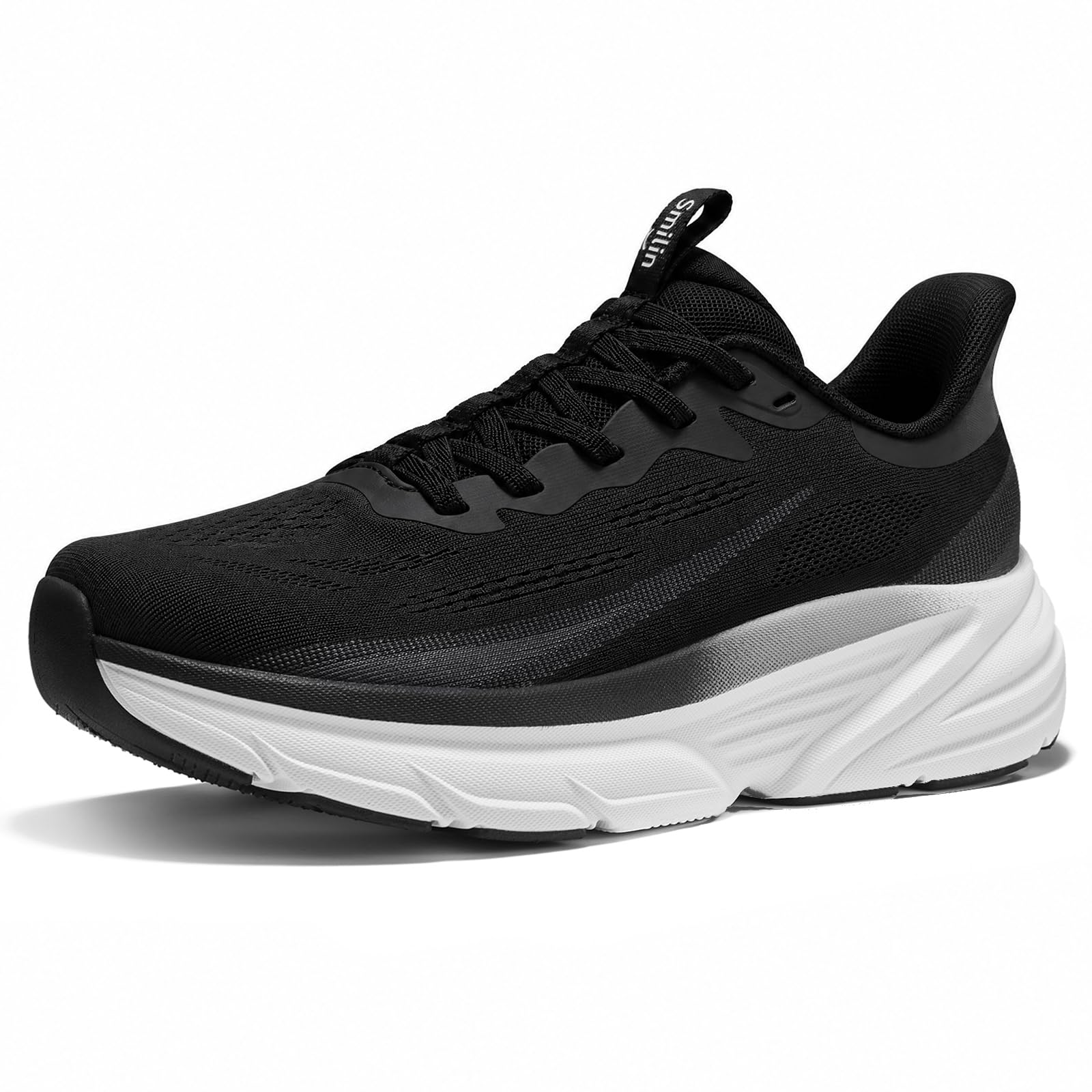
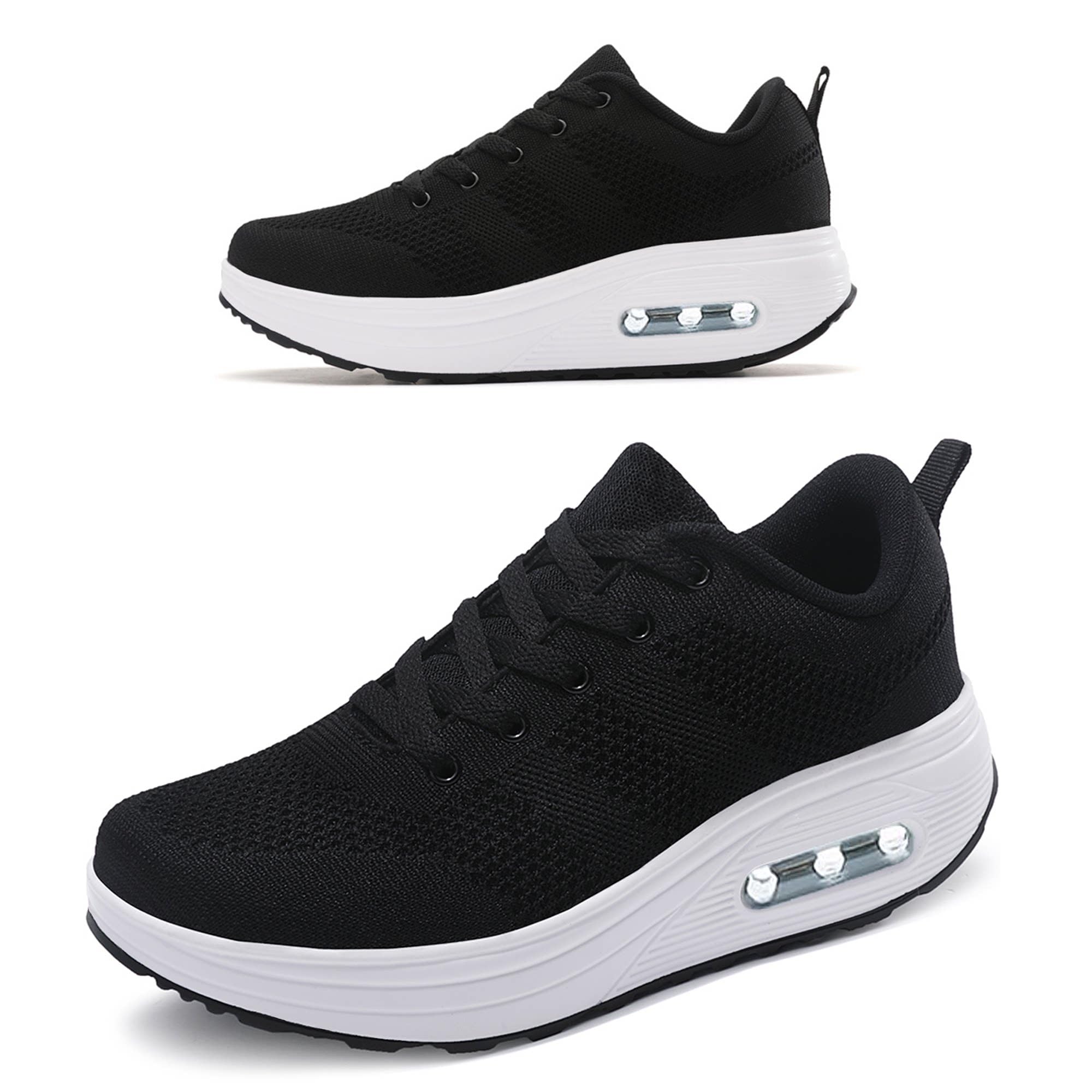


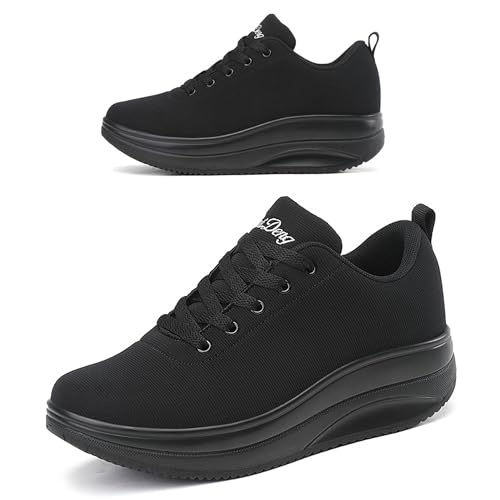
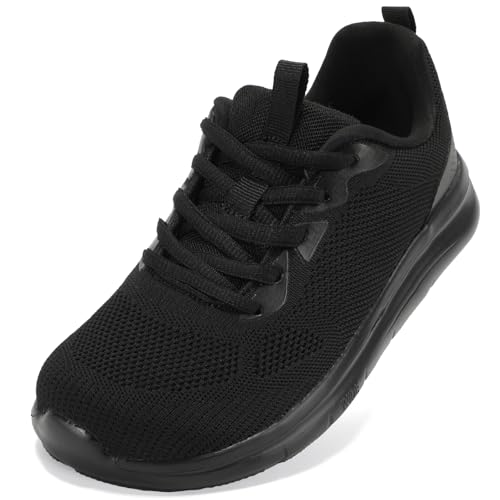
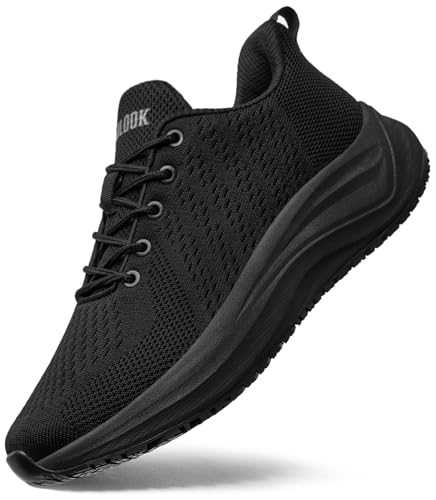
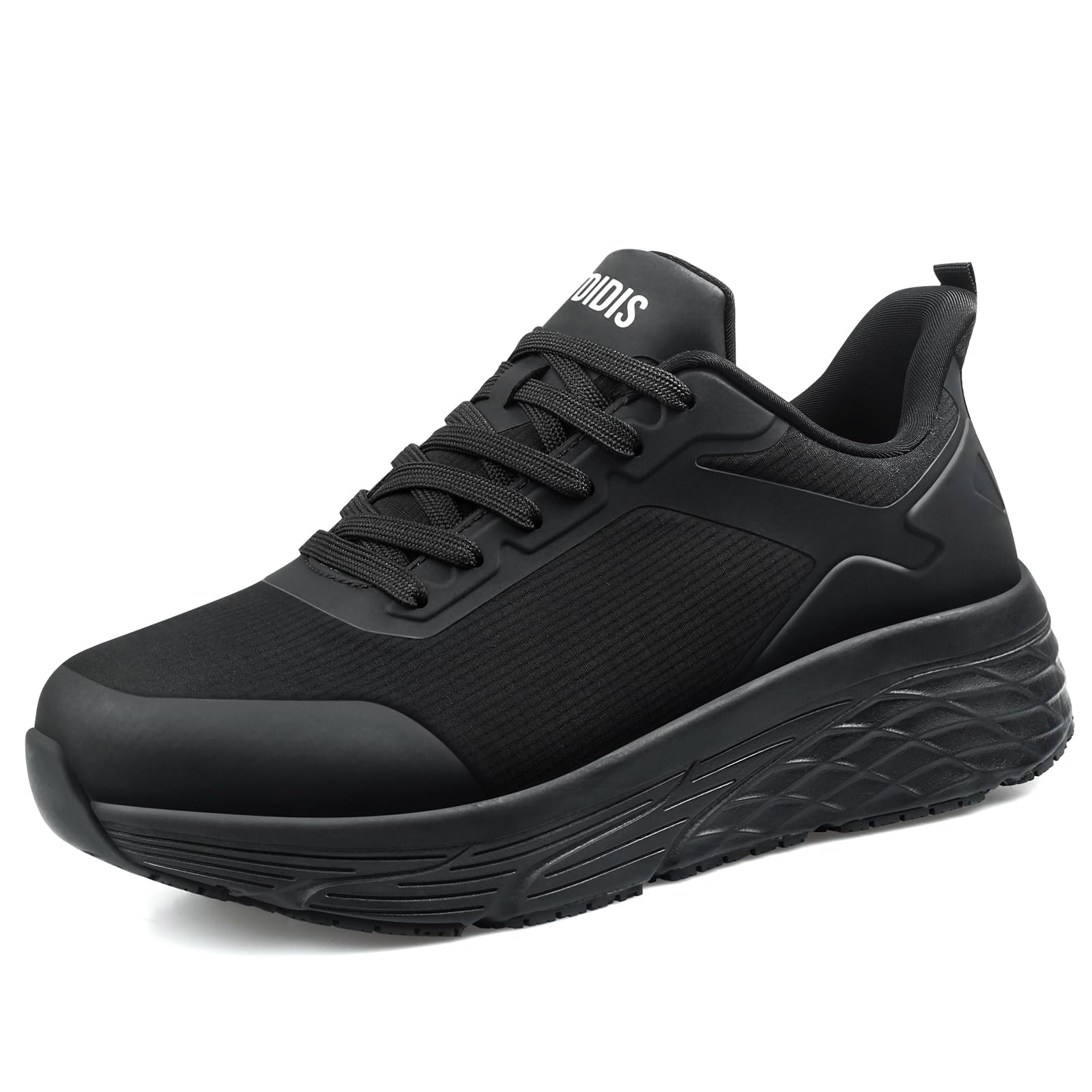
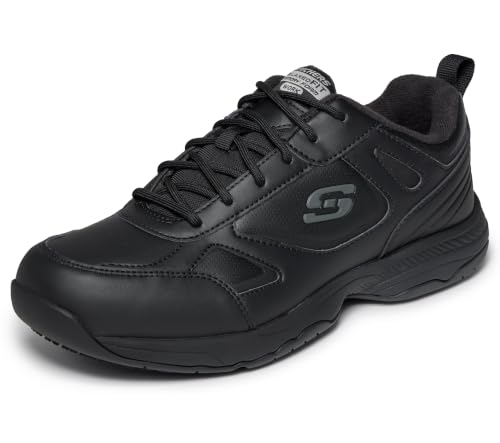
Black Work Shoes 101: The Basics
A work shoe for standing is built to spread your weight, cushion impact, and keep you stable on floors that may be wet, greasy, or polished. It differs from a running shoe, which is made for forward motion, and from a fashion shoe, which rarely survives a month of full shifts. Black is the standard color for retail, hospitality, healthcare, and security dress codes, and it hides scuffs well.
Learn four terms and most listings make sense. The toe box is the space around your toes. The midsole is the cushioning layer. The outsole grips the floor. Heel to toe drop is the height difference between heel and forefoot: a lower drop feels flatter, while a higher drop shifts some load toward the front of the foot. If your workplace allows any color, the wider advice in our guide to the best work shoes for standing all day follows the same principles without the dress code limit.
Key Specs Explained in Plain English
Features That Matter for Standing All Day
Standing still loads your body differently from walking. Blood pools in your lower legs, the arch tires as it holds your weight, and the heel takes constant pressure. The features that answer this are a firm yet cushioned midsole, real arch support, a stable heel counter, and an outsole that grips without sticking. Look for a shoe you can stand in on a hard floor for twenty minutes in the shop without shifting your weight from foot to foot. That small test predicts shift comfort better than any softness you feel in your hand.
Fit, Sizing, and Toe Box
Measure your feet in the afternoon, when they are at their largest, and try shoes on with your work socks. You want about a thumb width of space in front of your longest toe and no pressure across the top of the foot. Toes should spread naturally inside the toe box, since cramped toes ache and can form blisters by mid shift. Sizes vary between brands, so trust the length in centimeters on the size chart over the number you usually wear. If you sit between sizes, the larger size with an added insole usually wins for standing work.
Waterproofing (Gore Tex and Membranes)
Waterproof membranes such as Gore Tex keep water out when you wash floors, work outdoors, or walk through wet stockrooms. The trade off is warmth: a sealed shoe breathes less, so feet can feel hot in summer kitchens or warm wards. Decide by your floor, not by the label. If your shifts are dry and indoors, a breathable upper will feel better for ten hours than a waterproof one. If you face daily mopping or rain soaked deliveries, waterproofing protects your socks and your mood.
Weight and Flexibility
Every gram on your foot is lifted thousands of times per shift, so lighter shoes reduce leg fatigue. Protection adds weight, though: safety toes, thick leather, and deep tread all cost grams. Aim for balance. A shoe for standing should flex at the forefoot where your foot bends, yet resist twisting through the middle. Try the twist test in the shop: hold the heel and toe and twist gently. A shoe that folds like a towel will not support you at hour nine, however soft it feels at hour one.
Arch Support and Foot Type
Flat feet tend to roll inward, a pattern called overpronation, and they usually feel best with firmer arch support and a stable heel. High arches roll outward and often need more cushioning, because the foot absorbs shock poorly on its own. Neutral feet sit between the two. If you are unsure of your type, look at a wet footprint: a full wide print suggests flat feet, while a print showing mainly heel and forefoot suggests high arches. Persistent arch pain, heel pain that is worst with your first morning steps, or numbness deserves a visit to a podiatrist rather than another shoe purchase.
Upper Materials and Breathability
Mesh uppers feel light and breathe well, and knit uppers stretch over bunions and wide feet with little rubbing. Leather uppers resist spills, wipe clean, and hold their shape longer, but they need a longer break in period and feel warmer. Coated synthetic uppers split the difference, shrugging off splashes while staying fairly light. Choose by hazard: fluids and cleaning chemicals argue for leather or coated materials, while dry heat argues for mesh. Whatever you pick, the lining should feel smooth, since a rough seam over the toes will find you during a long shift.
Readers comparing fit notes across colors and brands may also find our guide to the best shoes to wear for standing all day useful, since it covers the same support questions for general footwear.
Rookie Mistakes to Avoid
These slips cost buyers of the best black work shoes for standing all day the most comfort.
- Buying running shoes for standing work. Soft foam made for running can feel unstable and wear flat quickly under static load.
- Choosing by softness alone. A very soft sole bottoms out under your heel, so support matters more than squish.
- Skipping the dress code check. Some employers require a closed heel, a plain toe, or a safety toe, so confirm before you order.
- Wearing new shoes on the longest shift. Break in any pair over short shifts first, or blisters will decide for you.
- Keeping worn shoes too long. A smooth outsole and a compressed midsole quietly remove the support you paid for.
Getting Started: Setup and First Use
Start with a home test. Wear the shoes on hard floors for half an hour and note any hot spots, heel slip, or arch ache. Lace them snugly at the top eyelets to lock the heel, but leave the forefoot lacing a little looser so your toes can spread as the day warms your feet. Swap in your own orthotics now if you use them, and check that the shoe still has enough depth.
Care habits extend comfort. Air dry wet shoes away from direct heat, since radiators and dryers crack leather and warp foam. Loosen laces fully before removing shoes so the heel counter keeps its shape. Rotate two pairs if your budget allows, because foam recovers between wears and each pair lasts longer. Colleagues comparing men specific fits can use our guide to the best men's work shoes for standing all day, and the matching guide to the best women's work shoes for standing all day covers narrower lasts and smaller size runs.
FAQs
What features matter most in black work shoes for standing all day?
Arch support, a cushioned yet stable midsole, and a slip resistant outsole matter most. Together they spread pressure, absorb impact, and keep you steady on smooth floors. A point buyers often overlook is the heel counter: a firm counter stops your foot rolling as your legs tire late in a shift, which protects your ankles and knees. Check it by squeezing the back of the shoe; it should feel solid, not flimsy.
Can I wear black work shoes all day?
Yes, a well fitted work shoe is designed for full day wear. Build up gradually during the first week, and change your socks at a break if your feet get damp, since moisture softens skin and invites blisters. Standing mats, short walks on breaks, and calf raises at the counter also share the load. If pain grows through the week instead of easing, the fit or support level is wrong for your feet.
How long is the break in period for black work shoes?
Most modern work shoes need about three to five shifts of gradual wear. Knit and mesh styles settle fastest, while full leather uppers can take two weeks to soften around your foot shape. Wear the new pair for half a shift, then change into your old pair. Never use heat, water soaking, or bending tricks to rush the process, because they damage adhesives and leather and shorten the life of the shoe.
How often should I replace my black work shoes?
Plan on replacement every six to twelve months of full time standing work. Tell tale signs are a tread worn smooth under the heel, deep creases across the midsole, and aches that return even on short shifts. The old running shoe rule of 300 to 500 miles also gives a rough guide for high step jobs. Replacing on time costs less than treating the knee and back pain that tired shoes can feed.
How should black work shoes fit?
They should feel snug at the heel, roomy at the toes, and supportive under the arch from the first try on. Your longest toe needs about a thumb width of space, and the widest part of your foot should sit at the widest part of the shoe. Try both feet, since most people have one foot slightly larger. Fit to the larger foot and use an insole or thicker sock to balance the smaller one. Our guide to the best black shoes for standing all day adds more fitting checks for black dress code styles.
Are expensive black work shoes worth it?
They can be, when the extra money buys better materials, a stronger outsole, and a longer warranty. Premium pairs around $130 to $180 often outlast two budget pairs, which makes them cheaper per shift. Price alone proves nothing, though: a costly fashion shoe can be a poor standing shoe. Judge by support, fit, and tread, and treat a long warranty as the maker putting confidence behind those claims.
Final Thoughts
Put fit first, support second, and grip third, and most buying mistakes disappear. Try shoes on late in the day, stand on a hard floor before you commit, and replace pairs before the support fades. Return to the comparison table above, compare each option against those three points, and you will choose the best black work shoes for standing all day with real confidence.


