Best Black Dining Chairs: Every Type Explained Side by Side for 2026
Disclosure: We may earn a commission when you buy through links on this page, at no extra cost to you. As an Amazon Associate I earn from qualifying purchases. Learn more

Compare the best black dining chairs by type, material, size and comfort, with clear guidance on fit, care and value for your dining room and table.
Black dining chairs all look similar in a small product photo, yet they feel very different once they are around your table. Seat padding, back shape, frame material, and overall size change how a chair suits long dinners, small rooms, and busy family use. Choosing best black dining chairs starts with knowing which type fits the way you eat and gather.
This guide compares the main types side by side, then walks through fit, comfort, build quality, and care. The comparison table below sums up the types at a glance, and the sections after it explain what those differences mean in daily use.

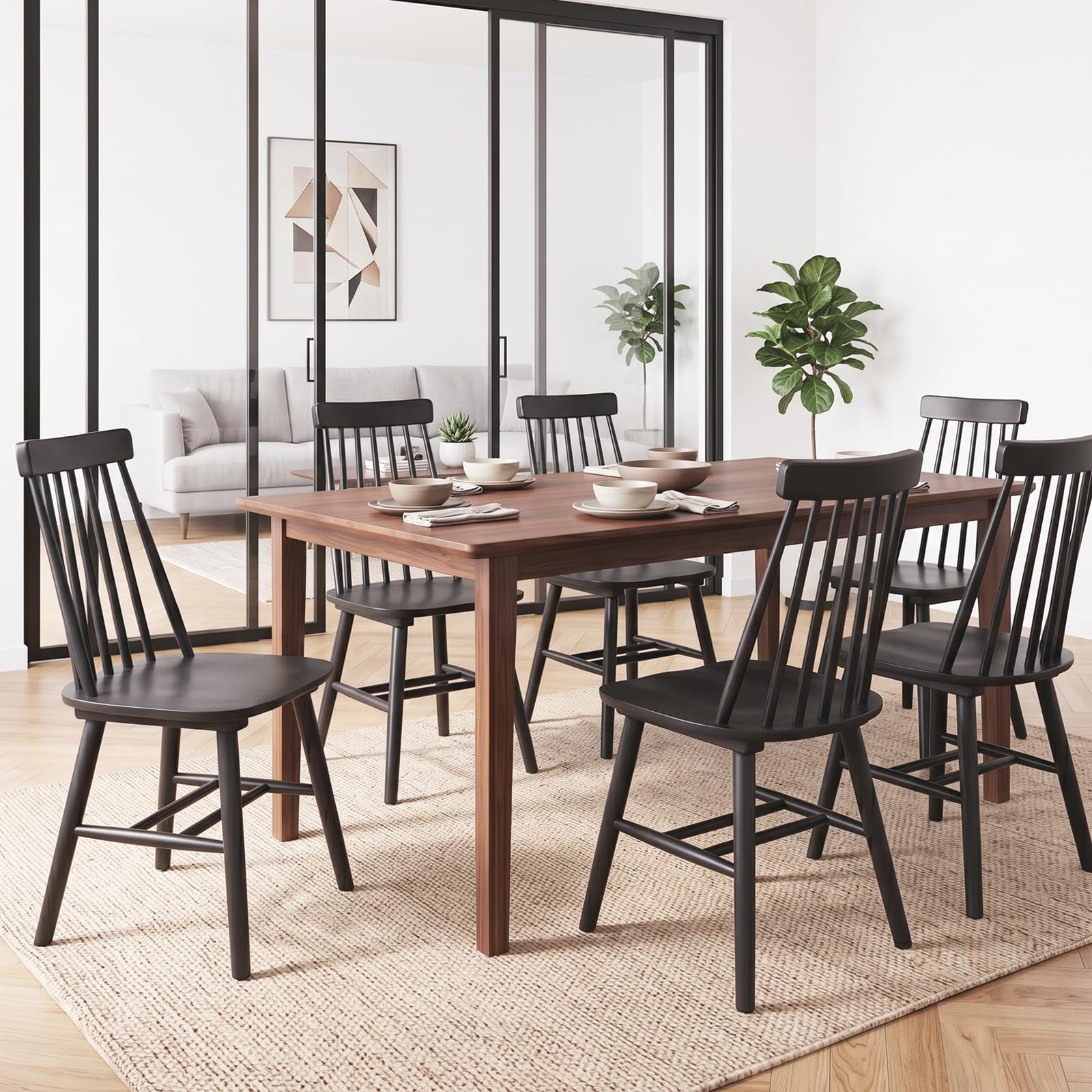

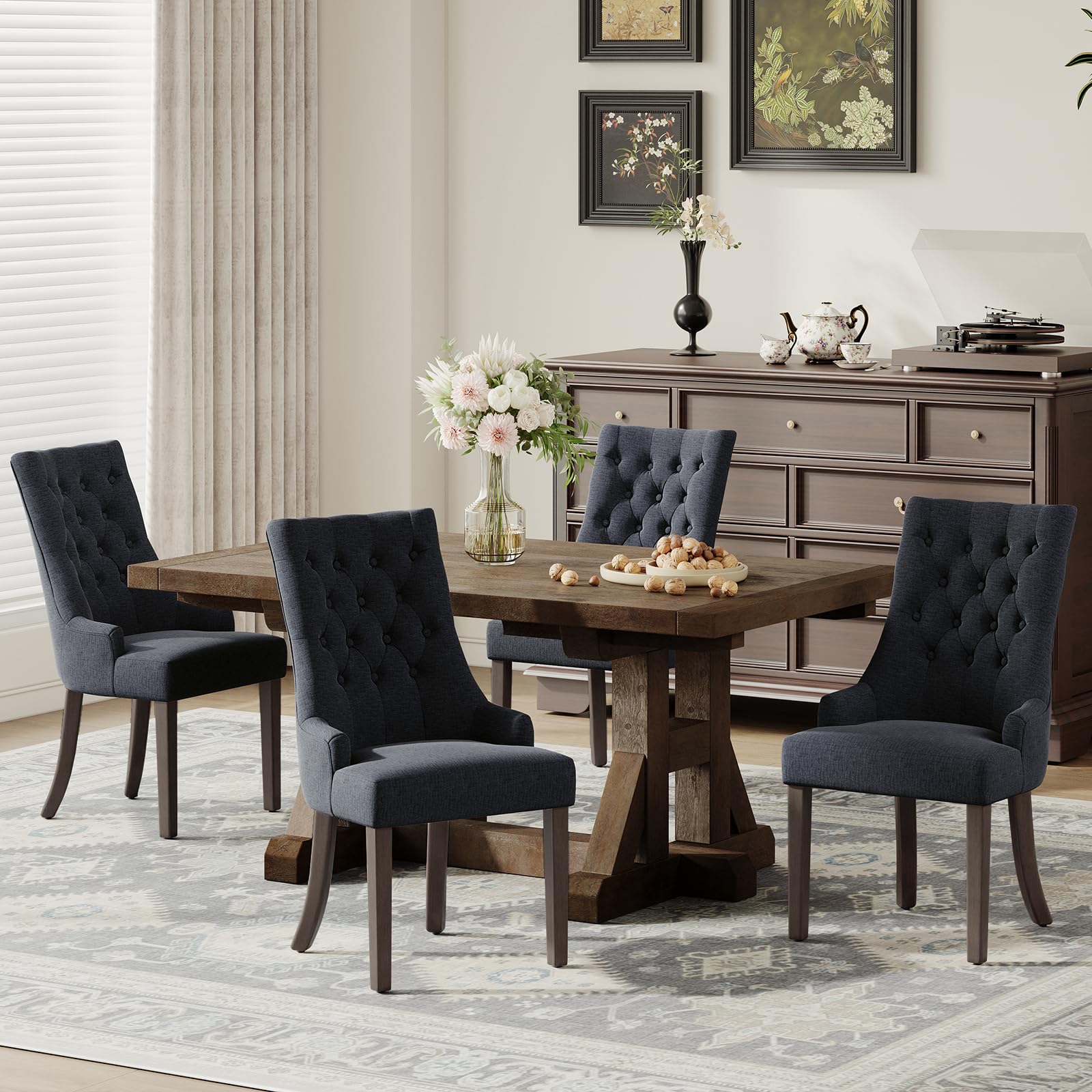
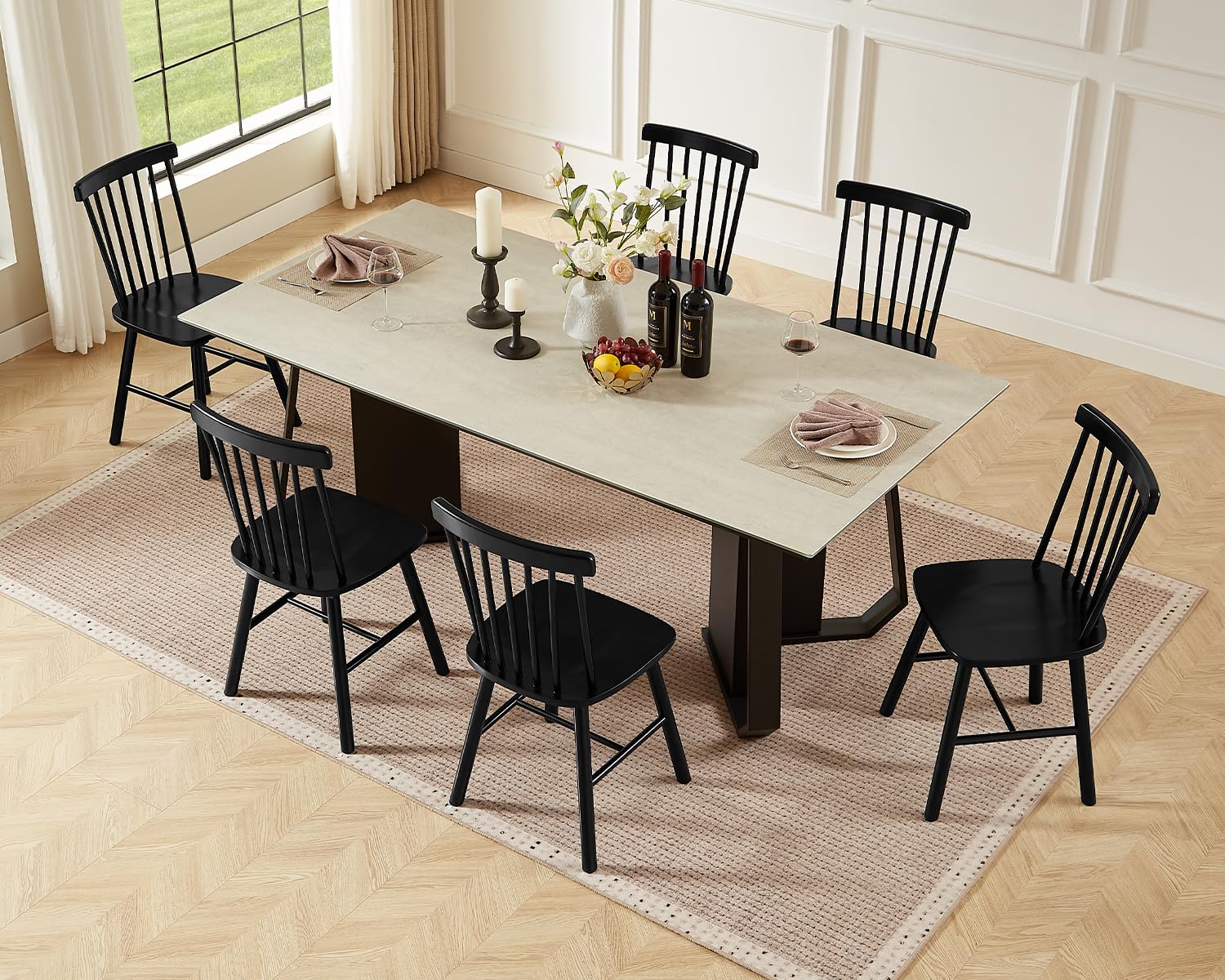




Types of Black Dining Chairs Compared
Most black dining chairs fall into four broad types, and the product table above gives you a quick view of how they differ. Budget models keep costs down with simple frames and thin padding, compact models shrink the footprint for small rooms, premium models invest in materials and finish, and ergonomic models focus on support for longer sitting.
None of these types is right for everyone, because the best choice depends on your table size, your room, and how long people tend to stay seated. If you want a broader view of styles beyond black finishes, see our guide to the best dining chairs for a wider comparison.
Budget Models
Budget black dining chairs usually pair a simple steel or engineered wood frame with a thin padded or plain molded seat. They are often sold in sets of four or six, which keeps the cost down to around $70 per chair. Assembly is normally quick, with legs and backs that bolt together using basic tools.
The trade off is comfort and finish over time. Thin foam flattens faster than denser padding, and painted legs can show chips where shoes knock against them. Budget models suit renters, first apartments, and spare seating for guests, where low cost matters more than plush comfort.
Compact and Space Saving Models
Compact black dining chairs are built with a smaller footprint, so the seat is a little narrower and the back sits lower or stays open. Many are armless side chairs that slide fully under the table when not in use, and some stack or fold for rooms that double as a workspace during the day.
That smaller size helps a tight dining nook feel open, and four chairs can fit around a table that would crowd with bulkier designs. The compromise is personal space, since a narrow seat feels snug for larger guests. Compact models suit small apartments and breakfast corners where floor space matters more than lounge like comfort.
Premium Models
Premium black dining chairs spend the budget on materials, joinery, and finish rather than extra decoration. Frames are often solid wood or heavier steel, seats use thicker upholstery, and the black finish is applied in more coats for a deeper, more even color. Prices often run around $200 per chair.
In use, the difference shows up as a steadier feel, quieter movement on the floor, and edges that stay smooth after years of handling. Premium models suit a main dining room where the chairs are used every day and where you plan to keep the set for a long time.
Ergonomic Comfort Models
Ergonomic black dining chairs shape the seat and back around the body instead of keeping both flat. The back may curve gently to meet your lower and middle back, and the seat may dip slightly so your weight spreads instead of pressing on one spot. Padding tends to be firmer high density foam that holds its shape through long meals.
These chairs make the most difference when dinners regularly stretch past an hour or when the table doubles as a place to read or work. They cost more than basic models and can look more sculpted, which not every traditional room wants. If you want shaped support in a desk chair as well, the seating in our guide to the best officer chairs follows similar comfort ideas in a very different form.
Budget Models vs Compact Models: Which Should You Choose?
Budget and compact chairs often sit at similar prices, so the choice turns on what is scarce in your home, money or space. On cost per seat, budget sets usually win, while compact chairs win on floor space, because they tuck under the table and leave walking room around it.
For comfort, the two types differ in opposite ways. Budget chairs may offer a wider seat but thinner padding, while compact chairs often pad a smaller seat a little better. For growing families, a budget set gives you more seats for the money, while compact models keep a small room easier to move through. The room ideas in our guide to the best black dining room chairs can help you plan the full look.
Durability is close between the two, since both rely on simple frames and finishes at this level. Measure your table and the space around it first, because a plain chair that fits the room well will always feel better than a nicer chair that crowds every meal.
How to Choose the Right Black Dining Chair
Once you know your type, choosing the best black dining chairs for your table comes down to four checks: cushioning, frame quality, fit at the table, and the warranty behind the set. Work through them in that order and most weak options fall away quickly.
Comfort and Cushioning
Seat comfort depends on foam density and seat shape more than on thickness alone. A thin layer of soft foam can feel plush in a showroom and flat within months, while firmer high density foam feels plain at first and stays supportive. If your household lingers at the table, choose the firmer seat.
Upholstery changes comfort too. Smooth faux leather wipes clean after spills, woven fabric feels warmer and grips clothing so you slide less, and a plain wood seat stays coolest but suits shorter meals. Whoever sits longest at your table benefits most from the better cushion.
Build Quality and Frame
A dining chair frame takes stress at the joints every time someone sits, leans, or scoots the chair in and out. Solid wood and steel frames handle that stress best, while thin engineered wood and light tubing can loosen sooner. Check the stated weight capacity and treat it as a real limit, since a chair rated well above the weight of your heaviest regular user will feel steadier and last longer.
Look closely at how the legs join the seat and whether the listing shows corner blocks or metal brackets at those joints. Glide pads under the feet protect your floor and keep the chair quiet. Finish quality matters on black chairs in particular, because an even finish resists the pale scuffs that stand out on dark surfaces.
Fit, Size, and Ergonomics at the Table
Seat height decides whether a chair works at your table at all. Most dining tables stand about 30 inches high, and a seat height of about 18 to 20 inches leaves comfortable room for legs and laps. If the chair has arms, measure the arm height against the underside of the table apron, because arms that cannot slide under the table push you too far away from your plate.
Allow about 24 inches of table edge per person so elbows have room, and leave roughly 36 inches between the table edge and the wall where you can, so chairs can pull out without hitting anything. Dining chairs do not offer the tilt lock, adjustable armrests, or dials of an office chair, so the support has to come from the back curve and seat depth you choose at purchase. A shallow seat suits smaller adults and kids, while a deeper seat with a curved back gives taller people the gentle lumbar support they notice during long meals.
Warranty and Return Policy
Furniture bought online carries a simple risk, which is that the chair looks right on screen and feels wrong at your table. A clear return window lets you order one chair first, sit in it through a real dinner, and only then commit to the full set.
Warranty terms usually cover the frame and joints for a set period, with upholstery covered for less time or not at all. Read what the warranty excludes, especially damage from dragging chairs or using them outdoors. Keep your order details and take photos when the boxes arrive, because clear records make any claim much easier.
Care and Maintenance Tips for Black Dining Chairs
Black finishes hide many food stains well, but they show dust, fingerprints, and pale scuffs more than lighter colors do. Wipe frames and smooth seats with a soft, slightly damp cloth each week, and dry them right away so water marks do not set.
For upholstered seats, vacuum with a soft brush attachment to lift crumbs and dust from the weave before they grind into the fabric. Blot spills at once rather than rubbing, since rubbing spreads moisture deeper into foam. Keep black chairs out of strong direct sun where you can, because steady sunlight can fade a deep black finish toward gray over time.
Every few months, turn each chair over and retighten the leg and back bolts, since small movements loosen hardware gradually. Replace worn glide pads before the bare leg ends reach the floor. If your seating will live outside, choose a purpose built outdoor design instead, and see our guide to the best patio dining chairs for materials that handle rain and sun.
FAQs About Black Dining Chairs
Is an expensive black dining chair worth the extra cost?
An expensive black dining chair is worth it when you use the set daily and plan to keep it for many years. The extra money usually buys a stronger frame, denser foam, and a finish that resists chips longer. One practical test is cost per year, since a chair that lasts ten years often works out cheaper than a bargain chair replaced three times.
What features matter most in black dining chairs for long dinners?
The features that matter most are a curved back, firm seat foam, and a seat depth that lets your feet rest flat on the floor. A slightly reclined back angle helps more than extra soft padding, which can bottom out after an hour. If your table doubles as a games or homework spot, try sitting in the chair for a full hour before buying the whole set.
How do you choose the right size black dining chair for a dining table?
Choose the size by matching seat height to your table and counting the table edge each person needs. A seat about 10 to 12 inches below the tabletop suits most adults, and about 24 inches of edge per chair keeps elbows comfortable. Bring one measurement with you when shopping, which is the height from the floor to the underside of the table apron, because that single number rules out chairs that cannot tuck in.
How long should a good black dining chair last?
A good black dining chair should last about seven to ten years of regular family use, and longer with light use. Solid frames usually outlast the upholstery, so chairs with replaceable seat pads offer extra life. Watch for wobble that returns soon after retightening, cracked joints, or foam that stays dented, because those signs mean the chair is near the end of its life.
The Bottom Line
Start with the type that fits your room and habits, then check cushioning, frame quality, and fit at your table before you compare prices. Budget sets serve new homes well, compact chairs calm small rooms, premium models reward daily use, and ergonomic shapes suit long meals. The comparison table above pulls those trade offs together for you.
Order one chair first when the return terms allow it, live with it through a few real dinners, and then complete the set. Chosen with that care, the best black dining chairs become the seats your household reaches for every day. The layouts in our guide to the best dining room chairs can help the whole table feel settled.