Best Bissell Wet Dry Vacuum in 2026: Which Type Fits Your Floors
Disclosure: We may earn a commission when you buy through links on this page, at no extra cost to you. As an Amazon Associate I earn from qualifying purchases. Learn more
Corded, compact, steam and cordless models compared on tanks, features and care, so you can pick the best bissell wet dry vacuum for your floors.
Bissell sells several wet dry vacuums that look alike at first glance, yet they differ in tank size, power source, and the extras they include. Choosing the wrong one usually means a machine that is too small for your floors, too heavy for your stairs, or missing the steam or cordless freedom you actually wanted. This guide walks you through the best bissell wet dry vacuum options by type, so you can match a model style to your home instead of guessing from a product photo.
Below, you will find the main model types compared, the features that separate them, and the price bands that make sense for each. The product table below sums up the key differences, and if you want a wider view of the whole category first, our guide to the best wet dry vacuum covers every major style side by side.

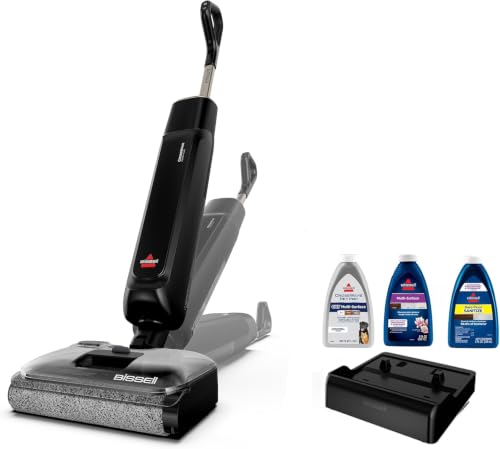


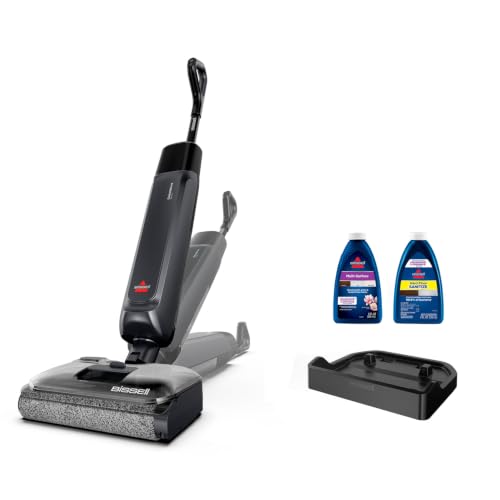
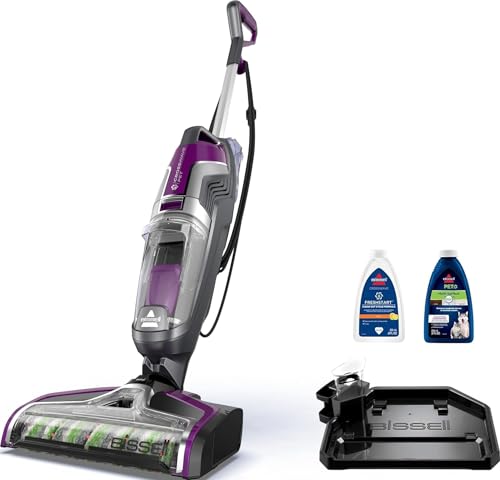
Bissell Wet Dry Types at a Glance
The Bissell lineup falls into three clear groups. Corded two tank models are the workhorses for whole rooms and regular weekly washing. Compact corded models cost less and store easily, which suits apartments and small kitchens. Steam and cordless models sit at the top of the range, adding heat for sticky messes or battery freedom for quick daily cleanups. The sections below explain what each group does well and where each one falls short.
The Main Bissell Model Types Compared
Instead of ranking individual machines, it helps to compare the three types, because the right type matters more than small spec differences between near identical models.
Corded Two Tank Models
These models vacuum and wash at the same time, pulling dirty water into a separate tank while clean water and solution flow to the brush roll. A cord means power never fades mid room, and the larger tanks let you finish a kitchen and living area without stopping to refill. They weigh more than the compact styles and the cord limits your reach to the length of the cable plus an outlet swap. For most homes with large areas of tile, vinyl, or sealed wood, this is the type to start with.
Compact Corded Models
Compact models shrink the body, the tanks, and the price. They are light enough to carry with one hand and narrow enough to store in a closet or beside a utility sink. The trade off is runtime per fill, since a small clean water tank may need two refills for a big open plan floor. Suction and brush action still handle everyday dirt, pet hair, and tracked in mud well. If your budget is tight, compare the picks in our guide to the best budget wet dry vacuum before you decide.
Steam and Cordless Models
Premium Bissell models add one of two upgrades. Steam versions heat the water so dried sauce, sticky juice, and grimy grout lines loosen with fewer passes, and our roundup of the best steam wet dry vacuum explains how that heat helps on sealed hard floors. Cordless versions run on a rechargeable battery, so you can chase a spill from room to room without hunting for outlets, though a charge only lasts for a set number of minutes. Both styles cost more and reward you with speed and convenience rather than raw cleaning power.
How to Compare the Bissell Lineup
We compare models on six points: tank capacity, cleaning performance on dried and fresh messes, ease of use, how simple the machine is to clean afterward, noise, and safety listings plus warranty length. These points come from manufacturer specifications and patterns in verified buyer feedback. A model that wins on capacity but loses on cleanup often disappoints in daily use, so weigh all six rather than chasing one headline number.
How to Choose the Right Wet Dry Vacuum
Work through the factors below in order, and the right type usually becomes obvious.
Type
Start with how the machine is powered and how it handles water. Corded models give steady suction for long sessions and never need charging, which suits big floor plans. Cordless models trade some tank size for freedom of movement and fast setup for small spills. Steam models add heat for homes where sticky kitchen messes are the main problem. Some models also wash and vacuum area rugs, while others are built only for hard floors, so check the floor types listed before anything else.
Features Worth Paying For
A self cleaning cycle flushes the brush roll and internal pathways with clean water, which cuts the yuck factor after every use. Edge cleaning matters if crumbs gather along baseboards, since a brush that reaches the wall saves a second pass with a broom. Heated drying helps the brush roll dry faster in storage and reduces musty smells. A lay flat handle lets the body tilt low to reach under sofas and beds. Skip extras you will not touch weekly, because each one adds weight and cost.
Power and Energy Use
Suction is usually described in general terms rather than one shared rating, so judge power by how a model handles dried debris and thick spills in buyer reports. Corded models draw steady power from the wall, while cordless models trade peak suction for battery runtime, often about 25 to 35 minutes per charge. Steam models use extra energy to heat water, so they draw more while the heater runs. If you clean large rooms often, steady corded power is the safer match.
Safety Features and Certifications
Look for a UL or ETL listing, which means an independent lab has checked the electrical safety of the machine. A float shutoff in the dirty water tank stops suction before water can reach the motor when the tank fills. Keep cords and charging bases away from standing water, and never use a hard floor washer on unsealed wood, since trapped moisture can swell the boards. Unplug the machine before you remove the brush roll for cleaning.
Storage Space and Dimensions
Measure your storage spot before you buy, because these machines stand tall and some need room for the cord wrap and handle height. Compact models fit in a narrow closet, while full size corded models may need a corner of a laundry room or garage. Weight matters too if you will carry the machine up stairs, and a full dirty water tank adds noticeable heft. Check the cleaning path width as well, since a wider head covers open floors faster but feels clumsy in a small bathroom.
How Much Should You Spend?
Basic compact models often cost under $150 and cover small homes with mostly fresh messes. The middle band, about $150 to $250, buys larger tanks, better edge cleaning, and a self cleaning cycle. Spending about $250 to $350 usually adds steam or cordless freedom. Above that level you pay for convenience features and longer warranties rather than stronger basic washing. Set your band by the features you listed above, not by the highest price you can stretch to.
The Bissell Wet Dry Vacuum Lineup Explained
Bissell builds most of its wet dry range around hard floor washing rather than shop style debris pickup, so most models here are meant for tile, vinyl, laminate, and sealed wood inside the home. The wall mounted Garage Pro is the shop style exception. Within that focus, the lineup splits by power source and heat, as covered above. If your floors are mostly wood, read our guide to the best wet dry vacuum for hardwood floors for notes on brush softness and water control. Still unsure whether this category fits your routine at all? Our explainer on is a wet dry vacuum worth it weighs the time savings against the storage and cleanup the machine asks of you.
One more distinction matters: some Bissell models refresh area rugs with a light wash, while others are hard floor only. If rug washing is on your list, confirm it in the model description, because using a hard floor only machine on rugs can leave them too wet. Likewise, solution is brand specific in most cases, and using the formula the maker specifies protects the seals and keeps the warranty intact.
Common Mistakes to Avoid
- Buying a steam model for unsealed wood floors, where heat and moisture can damage the finish.
- Choosing the smallest tank for a large open plan home, so you stop to refill and empty again and again.
- Leaving dirty water sitting in the tank after a session, which quickly leads to sour odors.
- Using a general floor cleaner instead of the specified formula, which can foam too much and strain the suction path.
- Storing a cordless model with a flat battery for months, which shortens battery life.
- Skipping the rinse cycle because the floors look clean, while grit stays trapped in the brush roll.
Care and Maintenance
Empty and rinse the dirty water tank after every use, and let it air dry with the lid open. Pull hair and grit from the brush roll weekly, and wash or replace the filter on the schedule the manual gives, since a clogged filter cuts suction. Run the self cleaning cycle if your model has one, and wipe the squeegee strip behind the brush so streaks do not appear next time. For step by step technique on the washing itself, see our guide on how to use a wet dry vacuum.
FAQ
What is the best bissell wet dry vacuum?
For most homes, a corded two tank model is the safest answer, because it washes and vacuums in one pass with steady power and enough capacity for whole rooms. Choose a steam model instead if dried kitchen messes are your main fight, or a cordless model if small daily spills matter more than long sessions. The best choice is the type that matches your floor area, your storage space, and how often you plan to wash.
Is Bissell a good wet dry vacuum brand?
Bissell has a long history in floor care and a wide service network, so replacement brush rolls, filters, and formula are easy to find years after purchase. That parts availability is a real advantage over newer brands with thin support. Quality varies by price band like any brand, so judge each model on its tank design, listings, and warranty rather than on the name alone.
Which Bissell wet dry vacuum should I buy for pet hair?
Pick a model with a brush roll designed to resist tangles and a dirty water tank that is easy to rinse, because pet hair mats fast in wet conditions. A self cleaning cycle helps flush hair out of the brush after each session. Empty the tank right after washing rooms where pets sleep, since wet hair left sitting is the top cause of odor in these machines.
How long does a wet dry vacuum last?
With regular filter care and prompt emptying, a home wet dry vacuum often serves about five to eight years. The brush roll and battery, on cordless models, usually wear first and are replaceable parts. Running the machine with a clogged filter or storing it wet shortens its life more than age alone, so the habits in the care section above matter as much as the build quality.
How do you clean a wet dry vacuum filter?
Remove the filter once the machine is unplugged or switched off, tap loose grit into a bin, and rinse it under plain water if the manual marks it as washable. Let it dry fully, usually a full day, before you refit it, because a damp filter cuts suction and can grow mildew. Keep a spare on hand if you wash floors often, so a drying filter never delays a cleanup.
Final Thoughts
The right choice comes down to type first and features second. Corded two tank models serve most homes best, compact models protect a tight budget, and steam or cordless models earn their price when heat or freedom solves your main problem. Compare the product table above against your floor area and storage space, then pick the best bissell wet dry vacuum style that fits your routine. A machine you enjoy using weekly beats a fancier one that stays in the closet.