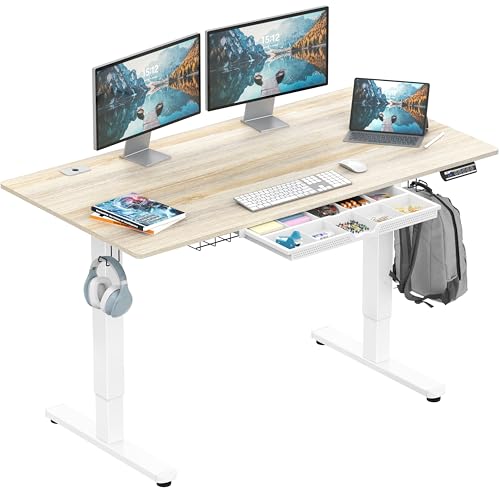
Best Big Desks: Budget, Midrange, and Premium Options for 2026
Disclosure: We may earn a commission when you buy through links on this page, at no extra cost to you. As an Amazon Associate I earn from qualifying purchases. Learn more

Compare the best big desks at every price point. Learn what you get at budget, midrange, and premium levels and where spending more pays off.
Big desks span an enormous price range, from flat packed bargains to solid wood workstations that cost as much as a used car. The hard part is knowing where extra money buys real strength and comfort, and where it only buys styling. This guide to the best big desks breaks the market into three budget tiers and shows you what each tier actually delivers.
You will see which features matter for long workdays, which ones you can skip, and what ownership costs hide beyond the sticker price. Start with the product table, then use the tier guidance here to judge whether a given desk earns its price.

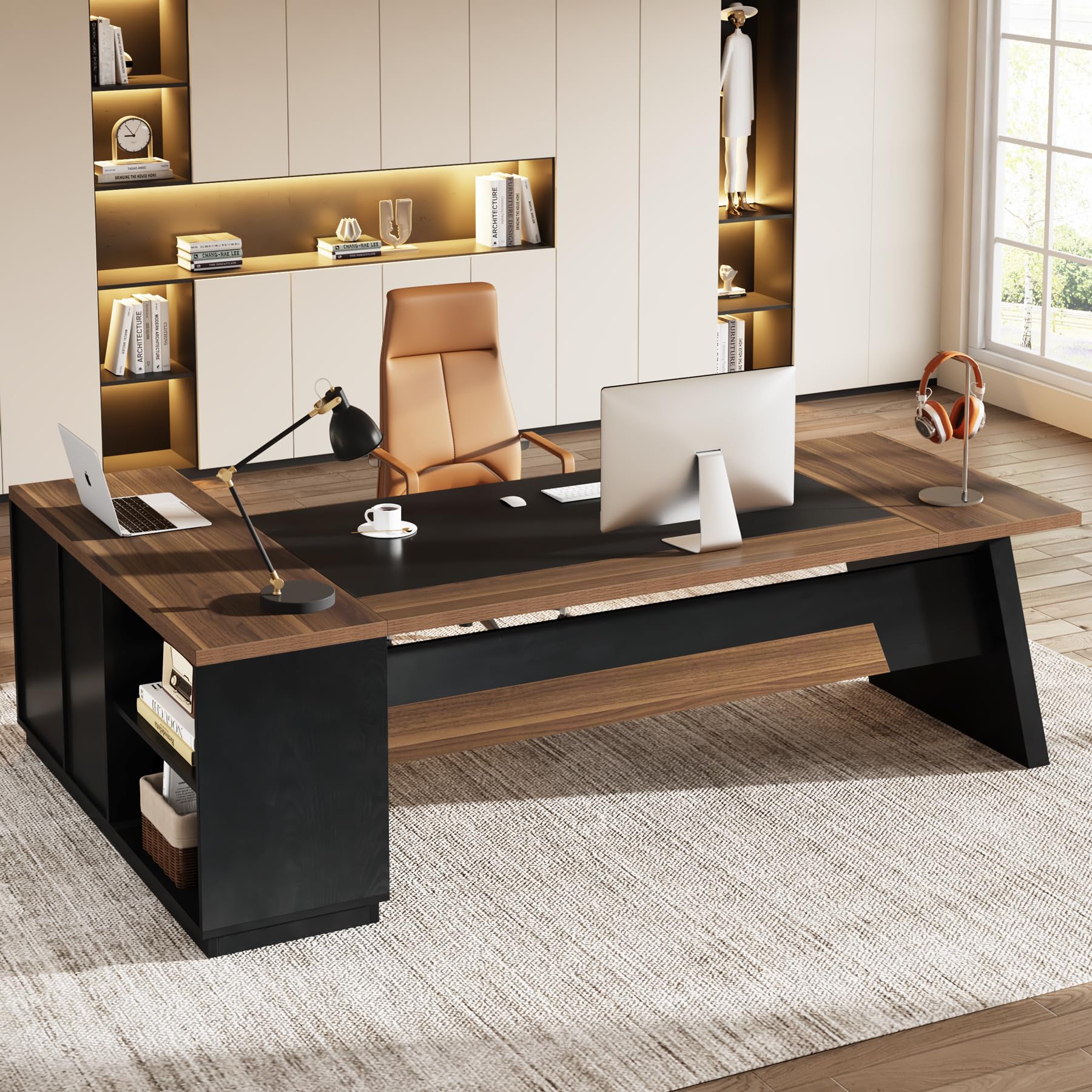
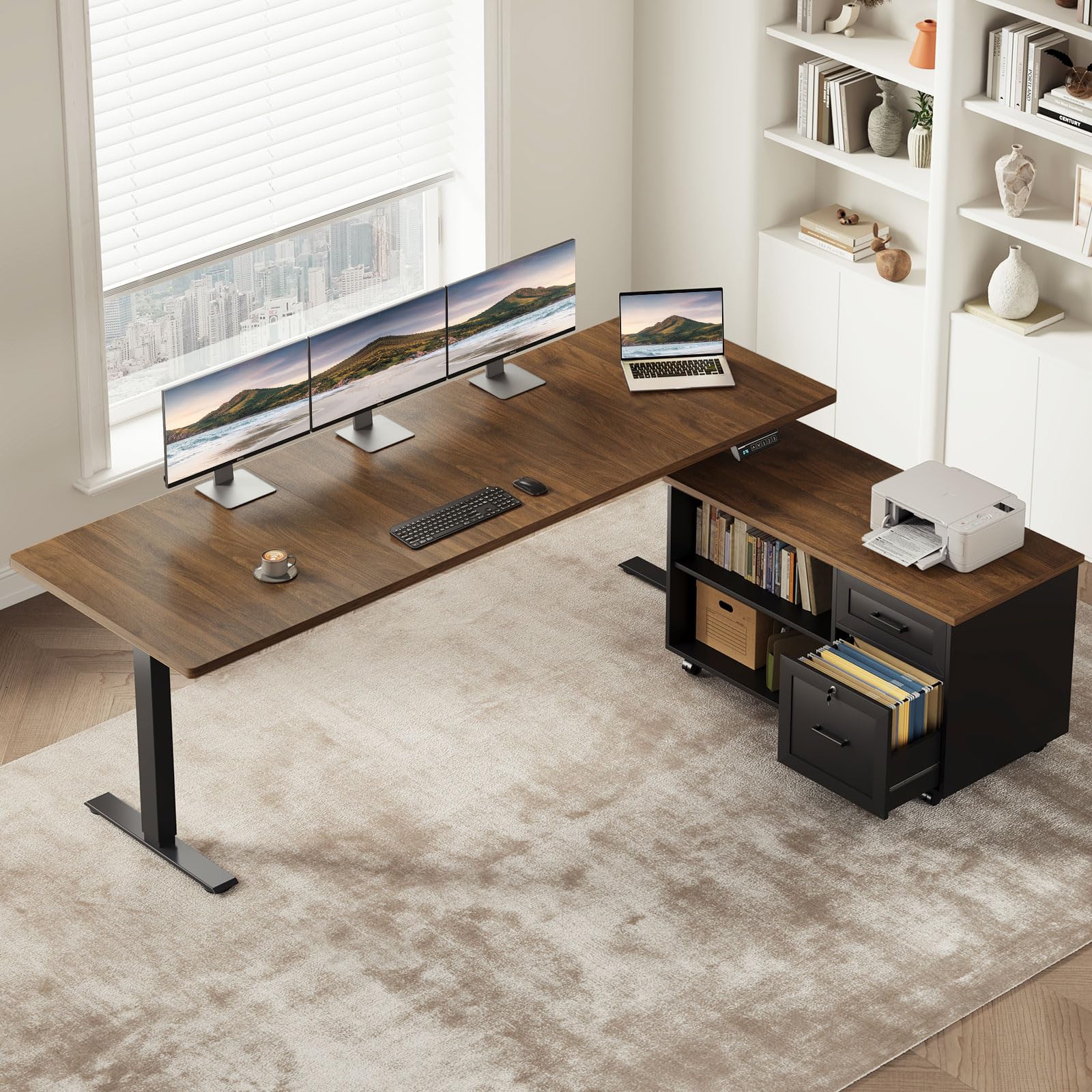


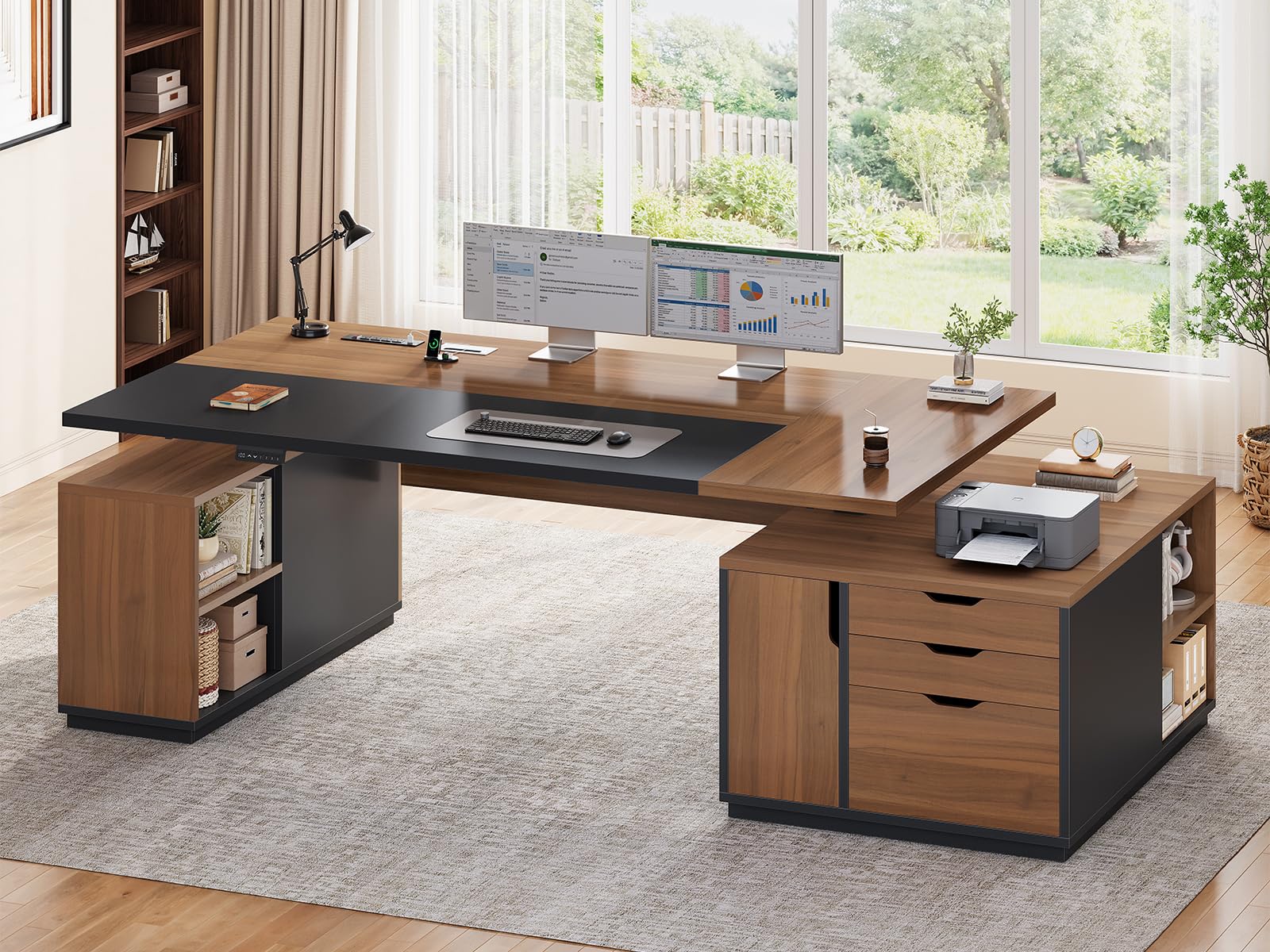


Three Budgets, Three Buying Strategies
Budget Strategy: Buy the Frame, Skip the Extras
At the budget end, around $100 to $250, your money should go to a stable frame and the largest worksurface that fits your room. Expect particleboard or medium density fiberboard tops with a laminate finish, steel legs, and simple assembly. Drawers at this tier are often shallow and lightly built, so a separate storage unit usually serves you better. The winning strategy is to check weight capacity, confirm the legroom height suits your chair, and read how owners describe wobble at full monitor load. A plain, rigid budget desk beats a feature packed one that flexes every time you type.
Midrange Strategy: Pay for Surface and Stability
Midrange desks, roughly $250 to $600, reward buyers who work at the desk daily. This tier adds thicker tops, stronger leg frames, better cable routing, and finishes that survive moving and daily cleaning. Many models add a motorized height adjustable frame or a wider range of sizes, including true L shaped layouts for corner rooms. Spend here first on surface size and frame rigidity, then on finish quality. If you sit for six or more hours a day, this tier is where a desk stops feeling like a compromise and starts feeling like furniture you will keep through several jobs and homes.
Premium Strategy: Invest in Materials and Longevity
Premium desks, from about $600 to $1,500 and beyond, trade in solid wood or high grade plywood surfaces, welded or precision machined frames, and warranties that run a decade or longer. Height adjustable models at this level lift smoothly and quietly even with several monitors aboard, and they remember your preferred heights. This tier suits buyers who want one desk for ten plus years, who work long hours daily, or who need a large surface for multiple screens, studio gear, or craft work. The strategy here is to verify warranty terms and replacement part availability before admiring the wood grain.
What Your Money Gets You at Each Price Tier
Budget Tier: What to Expect
Budget desks deliver space, and space alone is a genuine upgrade if you currently work at a kitchen table. Tops are usually laminate over engineered wood, edges are simple banding, and assembly takes one to two hours with basic tools. Weight capacity often lands around 100 to 150 lb, enough for two monitors and a laptop. The trade offs are wobble at standing height on adjustable models, finishes that chip if you drag heavy gear, and hardware that tolerates only a few rebuilds. For students, spare rooms, and first apartments, those trade offs are reasonable, especially when the alternative is a smaller desk.
Midrange Tier: The Sweet Spot for Most Buyers
Midrange is where materials and hardware improve together. Tops get thicker and stiffer, leg frames use heavier steel, and cable trays, grommets, and modesty panels appear. Weight capacity commonly reaches 200 to 300 lb, which covers multi monitor setups with ease. Finishes resist scratches and coffee rings far better than budget laminates, and spare parts are usually available from the maker. Most home office workers and gamers land here because the desk disappears into the background of the workday: no wobble, no sagging, no fiddly repairs. If you read our guide to the best quality desks, you will see these same construction markers used to judge desks at any size.
Premium Tier: When Spending More Pays Off
Spending more pays off when the desk becomes a long term workstation rather than a temporary surface. Premium models offer real wood or premium veneer tops that can be refinished, frames rated for 350 lb or more, and motors with smooth, quiet travel and collision sensing on adjustable versions. You also gain size options that budget lines skip, including depths of 30 inches or more that make large monitors comfortable. The value case rests on years of daily use: a desk that serves ten years at this tier can cost less per year than replacing two midrange desks, while feeling better every single day.
Features Worth Paying For (and Ones to Skip)
Ergonomics and Adjustability
For a desk, ergonomics means the right surface height, generous legroom, and room to place your screen at a comfortable distance. A fixed desk around 29 to 30 inches high suits most seated adults, while a height adjustable frame serves shared desks and anyone who likes to stand part of the day. Check knee clearance width and depth, since crossbars and drawer units often steal legroom on big desks. Your chair carries the rest of the ergonomic load, with lumbar support and adjustable armrests doing the close up work, so pair the desk with guidance from our guide to the best ergonomic desk chairs before you spend on either piece.
Style and Room Fit
A big desk dominates its room, so style choices have outsized effects. Light finishes and slim legs keep a large surface from feeling heavy in a small room, while dark wood tones suit traditional offices and larger spaces. Match the desk footprint to the room with painter tape on the floor before you order; a 72 inch desk that looks fine on a product page can swallow a bedroom. Consider door and stair clearances for delivery, too. Buyers furnishing a compact corner may find that our guide to the best tiny desks helps them judge how much surface they truly need before committing to a full size model.
Measuring for Size and Portability
Measure three things: the wall space, the walking space behind your chair, and the path the desk takes into the room. Leave at least 36 inches behind the desk for chair movement and passing. Depth matters as much as width: 24 inches is the minimum for a monitor and keyboard, while 30 inches feels spacious and suits large screens. Big desks are rarely portable, so favor models that break down into a top and leg frames if you move often. Weigh the parts, too, because a solid top can exceed 60 lb on its own, which changes how you plan the move and the setup.
Comfort and Cushioning
Comfort at a desk comes from the front edge, the surface texture, and the space beneath. A slightly rounded or beveled front edge prevents the sharp pressure line on forearms that thin laminate edges create during long sessions. A matte finish cuts glare from windows and lamps, which reduces eye strain across a workday. Under the surface, you need unobstructed room for your legs and feet, plus space for a footrest if you use one. Larger users should confirm both legroom dimensions and chair fit, and the advice in our guide to the best desk chairs for big and tall covers the seating side of that pairing in detail.
Long Term Costs to Factor In
The sticker price is only part of ownership, even for the best big desks. Budget for a monitor arm if you want the full surface back, a cable tray or sleeve set for tidiness, and a desk lamp with enough reach for a wide top; our guide to the best desk lamp explains sizing for large surfaces. Height adjustable desks add a small electricity draw and, over many years, possible motor or control box replacement. Engineered wood tops may need edge repair or eventual replacement, while solid wood can be refinished instead. Longer warranties at the premium tier offset these costs, so compare total ownership over five to ten years, not just the checkout total.
Big Desks: Your Questions Answered
How long should a good big desk last?
A good big desk should last at least 7 to 10 years of daily use. Steel frames and quality laminate or wood tops at the midrange and premium tiers often go well beyond that, while budget engineered wood desks commonly serve 3 to 5 years before edges chip and joints loosen. Longevity improves when you stay within the weight capacity, tighten leg bolts once a year, and keep the desk out of damp rooms. A long warranty is a useful signal, but build quality is what actually delivers the years.
Is an expensive big desk worth it?
An expensive big desk is worth it when you work long hours at it daily and plan to keep it for a decade. Premium materials, stronger frames, and smooth height adjustment repay you in comfort and in avoided replacements. It is not worth it for a temporary setup, a guest room, or a first apartment you expect to leave within a year or two. Match the tier to your time horizon: short horizon, budget tier; long horizon, premium tier; most buyers in between, midrange.
What features matter most for long hours?
For long hours, surface depth, frame stability, and legroom matter most. A 30 inch deep top lets you place the monitor at a healthy distance with room for documents. A rigid frame prevents the small vibrations that fatigue your eyes and wrists during typing. Clear legroom lets you shift position and stretch, which matters more over eight hours than any styling detail. Add a quality chair and a good lamp, and you have covered the features that decide whether long days feel sustainable.
How do I choose the right size?
Choose size from your gear list and your room, in that order. Count your screens, laptop, and any printer or studio gear, then add about 20 percent spare surface for documents and daily clutter. A single monitor setup usually fits a 55 to 60 inch width, while dual or triple monitor setups often need 63 to 72 inches. Confirm the room can spare the footprint plus chair space behind it, and tape the outline on the floor for a day before ordering. Living with the outline reveals problems that measurements alone miss.
Wrapping Up
Decide your tier first, then judge desks within it on surface size, frame stability, and honest weight capacity. Budget desks buy space, midrange desks buy daily comfort, and premium desks buy a decade of service. Use the product table above to compare the best big desks in your tier side by side, measure your room one final time, and order with confidence.