
Best Belt Watches: A Complete Buying Guide for 2026
Disclosure: We may earn a commission when you buy through links on this page, at no extra cost to you. As an Amazon Associate I earn from qualifying purchases. Learn more

Use this guide to the best belt watches to compare movements, case sizes, strap fit, water resistance, and materials before you spend at any price level.
A belt watch, meaning a watch worn on a strap rather than a metal bracelet, looks simple until you start shopping. Case sizes, movements, strap materials, and water ratings all change the price, and the listings rarely explain which of them matter for daily wear. This guide to the best belt watches walks through those choices in the order you should make them, so the watch you buy fits your wrist, your routine, and your budget.
The comparison table below shows current strap watch options side by side. Use it as a shortlist tool while you read, and pay closest attention to case diameter and strap type, since those two specs decide comfort more than any headline feature.
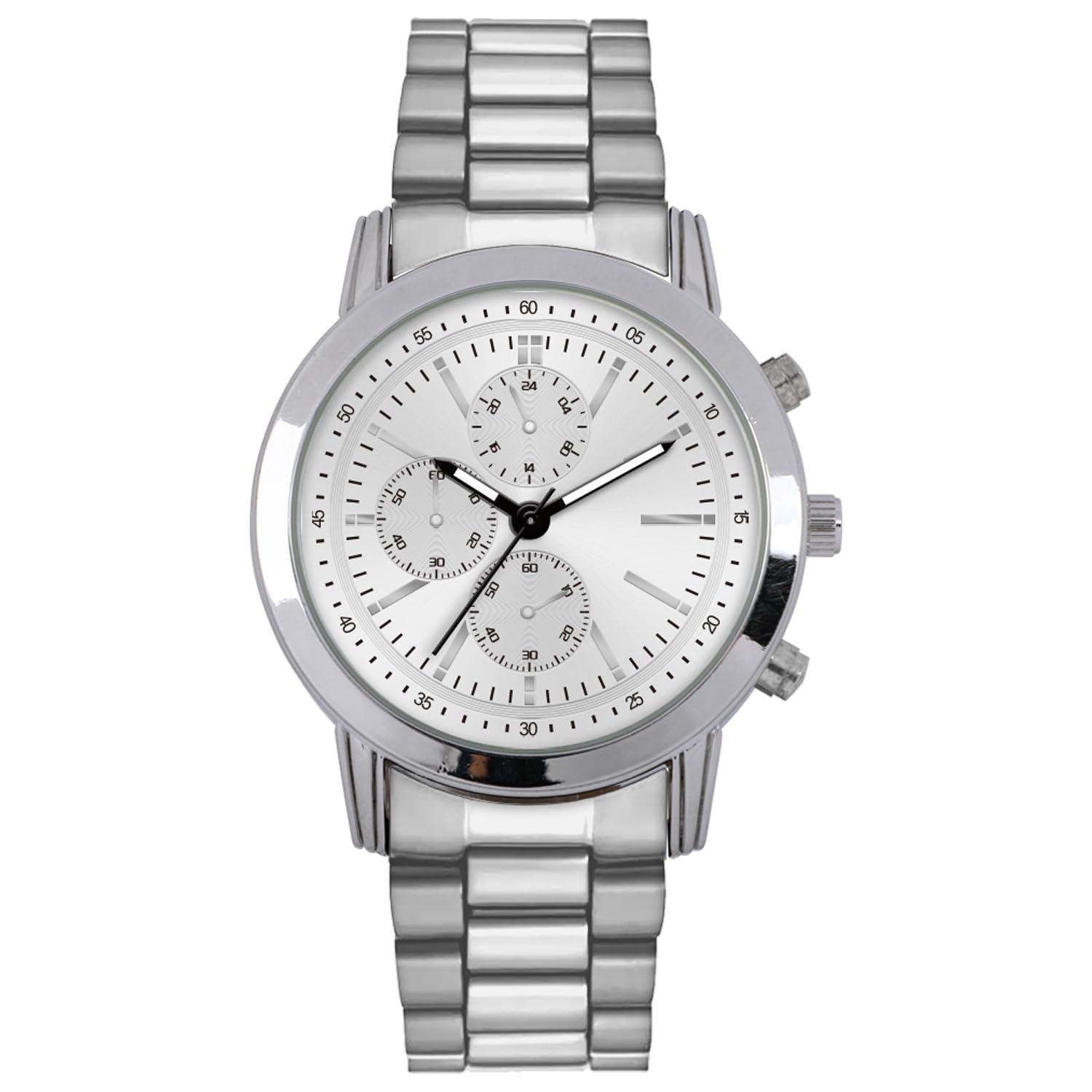
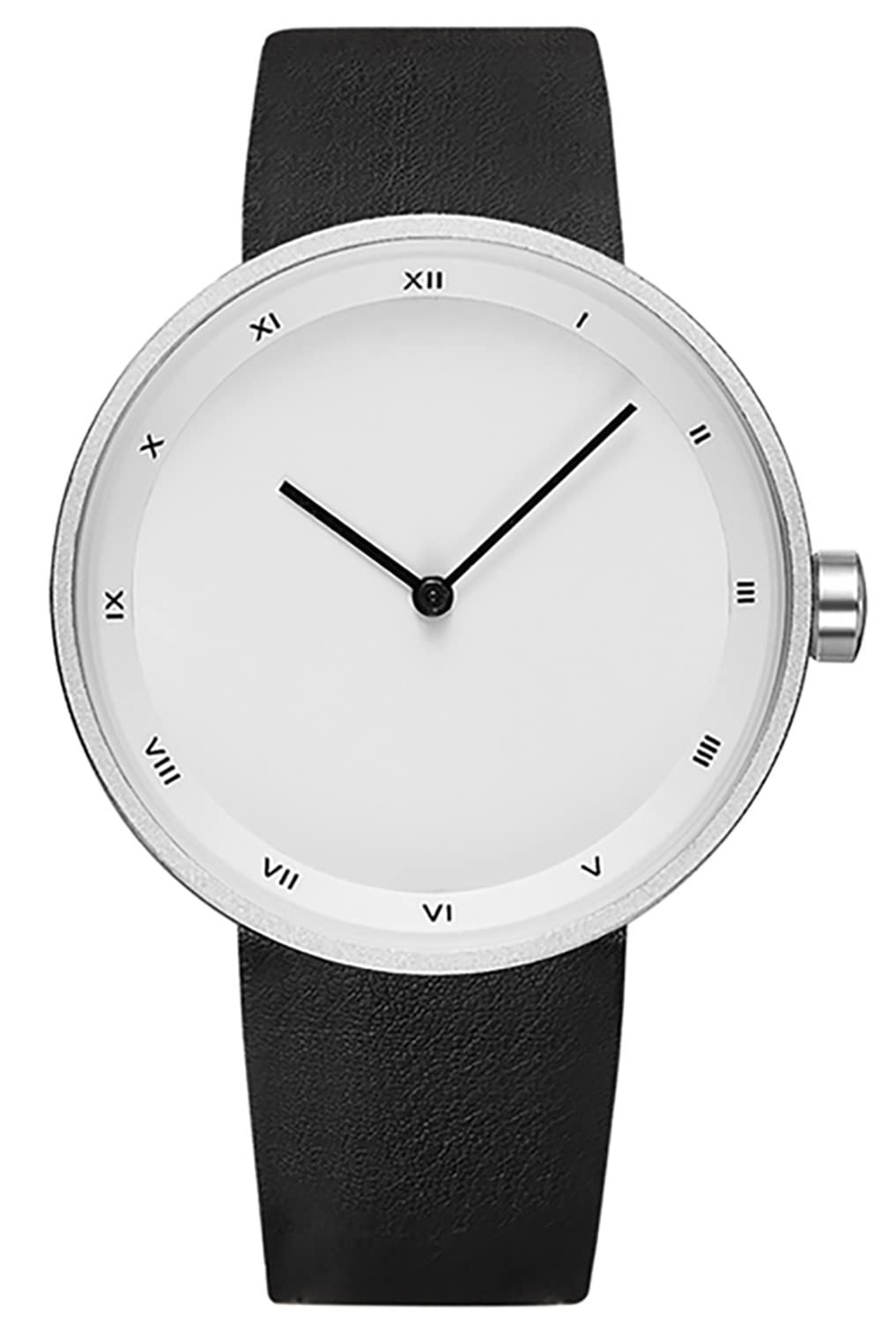


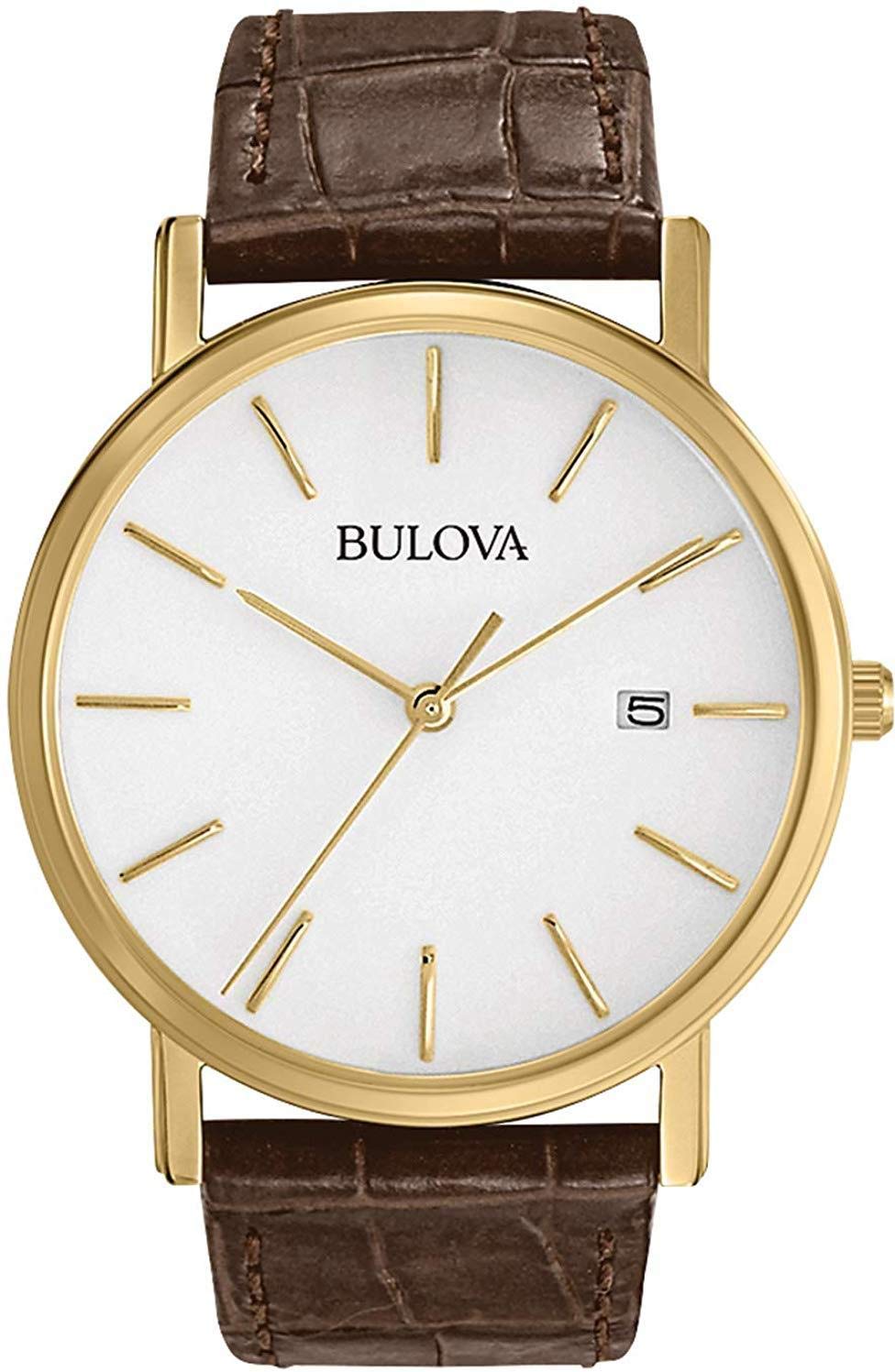


Three Buying Profiles to Start From
Most shoppers fall into one of three profiles. Each profile below describes what to prioritize and what you can safely skip, so you can judge any model in the product table above against a clear standard instead of a sales pitch.
The All Round Buyer
If you want one watch for work, weekends, and travel, aim for a case between 38 and 42 mm, a quartz or solar movement, and a water resistance rating of 100 meters. That combination handles rain, hand washing, and swimming without babying, and it keeps its looks with both shirts and casual jackets. A quick release strap is worth paying for here, because swapping between a leather strap for the office and a rubber strap for weekends effectively gives you two watches. The compromise is character: an all round watch rarely feels special, it simply works everywhere.
The Value Buyer
Value in a strap watch comes from proven parts, not long feature lists. A Japanese or Swiss quartz movement, a mineral or sapphire crystal, and a genuine leather or stainless mesh strap will outlast a novelty watch with ten extra dials. Expect solid value options around $75 to $200. If leather is your priority material, our guide to the best leather belt watches explains strap grades and stitching quality in more depth. What to skip at this level: precious metal finishes and complicated mechanical movements, which add cost and service needs without improving daily reliability.
The First Time Buyer
Buying your first strap watch is mostly about fit and simplicity. Choose a slim case under 12 mm thick so it slides under a shirt cuff, a plain dial with clear markers you can read at a glance, and a strap with plenty of holes or a fine adjustment so the fit is right on day one. Budget around $50 to $150 and favor brands with a clear warranty and easy returns, because your taste will evolve. Avoid oversized cases above 44 mm unless your wrist is broad; a watch that feels heavy in week one usually ends up in a drawer by month three.
How to Choose a Belt Watch: Buying Guide
Movement Type (Quartz, Automatic, Solar, Smart)
The movement is the engine of the watch, and it sets both accuracy and upkeep. Quartz movements run on a battery, stay accurate within seconds per month, and ask almost nothing of you. Automatic movements wind themselves from wrist motion, feel rewarding to own, and need servicing every 5 to 7 years. Solar movements charge from light and remove battery changes for a decade or more. Smart movements add notifications and sensors but need charging every few days. Pick based on how much attention you want to give the watch, not on prestige.
Smart and Fitness Features
Smart strap watches can track steps, sleep, heart rate, and GPS routes, and they pair with your phone for alerts and music control. That data is useful for spotting trends in your training and rest, but it does not replace a medical device, and readings can drift during hard exercise. Battery life is the real trade off: a full color smartwatch may need a charge every 1 to 3 days, while a hybrid with a classic dial can run for weeks. If training features matter most, our guide to the best workout watches covers sensor accuracy and sport modes in detail.
Legibility and Style
A watch earns its place if you can read it instantly. Look for strong contrast between hands and dial, applied markers that catch light, and lume on the hands and hour points if you check the time at night, in a theater, or on early flights. Style wise, black and white dials pair with almost any strap, while blue dials dress up well and hide small scratches better than glossy black. Keep one rule in mind: the strap changes the whole personality of the watch, so judge the case and dial first and treat the strap as adjustable. For more styling angles, see our guide to the best watches for guys.
Brand Reputation, Warranty, and Value
A known watch brand brings movement support, spare parts, and service centers that an unknown label cannot match. Check the warranty length, two years is a healthy minimum, and read what it excludes, since water damage and strap wear are often outside coverage. Value holds up best in simple designs from established makers, because demand for repairs and parts stays steady. Our guide to the best quality watches explains the finishing signs, such as clean dial printing and smooth crown action, that reveal build quality in hand.
Case Size and Wrist Fit
Measure your wrist with a soft tape where the watch will sit. As a guide, wrists under 6.5 inches suit cases of 36 to 40 mm, wrists from 6.5 to 7.5 inches suit 40 to 44 mm, and larger wrists can carry 44 mm and up. Lug to lug length matters as much as diameter: if the lugs hang past the edges of your wrist, the watch will feel top heavy and catch on sleeves. Case thickness under 12 mm wears best with dress shirts, while thicker sport cases pair with casual clothing. The strap should hold the case centered without squeezing; you should fit one fingertip under the strap.
Water Resistance Rating
Water ratings describe still water pressure in a lab, not real swimming forces, so read them with care. A 30 meter rating means splash resistance only: rain and hand washing, nothing more. At 100 meters you can swim and shower with confidence. At 200 meters the watch is built for recreational diving, with a screw down crown and stronger seals. Whatever the rating, never press buttons underwater unless the maker says you can, and have seals checked every few years, because aged gaskets are the usual cause of water damage.
Types of Belt Watches
Quartz Watches
Quartz watches are the practical default. They keep excellent time, start at low prices, and need only a battery change every 2 to 3 years, usually around $10 to $20 at a jeweler. They suit busy owners who want to grab a watch and go, and anyone who rotates several watches and hates resetting the time.
Solar Watches
Solar watches charge through the dial from sunlight and indoor light, then run for months in the dark on a full charge. They remove battery waste and the small anxiety of a watch stopping before a trip. They cost a little more than basic quartz and need occasional light exposure, so store them on a dresser rather than in a closed drawer. They suit commuters and travelers who wear one watch most days.
Automatic Watches
Automatic watches appeal to people who enjoy mechanics. The sweeping second hand, the weight of the rotor, and the absence of a battery give them a character quartz cannot copy. They lose or gain a few seconds a day, stop after a day or two unworn, and need periodic servicing. They suit enthusiasts and gift buyers who value craft over strict accuracy, and they reward owners who wear them often.
Dive and Field Watches
Dive watches bring 200 meter ratings, rotating bezels for timing, and bright lume, all on straps that tolerate water. Field watches favor rugged cases, simple dials, and straps that survive dirt and sweat. Both styles wear larger and more casual than dress watches. They suit outdoor workers, swimmers, and anyone whose watch takes knocks, provided the bigger case still fits the wrist well.
Belt Watches for Specific Needs
Best Black Belt Watches
The appeal of best black belt watches as a style category is versatility: a black dial with a black strap moves from office to evening without a change. Judge black models on three points. First, coating quality, because cheap black finishes scratch through to bare metal at the edges. Second, legibility, since black hands on a black dial can vanish in low light unless the lume is strong. Third, strap texture, because matte leather, woven fabric, and rubber each give the same case a different tone. Shoppers who want a broader mens shortlist can also browse our guide to the best belt watches for men.
How to Make Your Belt Watch Last Longer
- Service automatic watches every 5 to 7 years. Fresh oils and seals keep accuracy steady and prevent worn parts from damaging each other.
- Rinse after saltwater exposure. A short rinse in fresh water removes salt that dries into crystals and attacks seals and strap stitching.
- Store away from magnets. Speakers, phone cases, and bag clasps can magnetize a mechanical movement and make it run fast.
- Rotate straps to reduce wear. Resting a leather strap between wears lets moisture escape, and swapping straps spreads stress across more than one set of spring bars.
- Wipe the case weekly. A soft dry cloth removes sweat and sunscreen that dull polished steel and irritate skin under the strap.
Belt Watches: Your Questions Answered
Is a smartwatch worth it over a classic watch?
A smartwatch is worth it if you act on its data, such as training load, sleep patterns, and phone alerts you would otherwise miss. If you only need the time, a classic watch wins on battery life, looks, and lifespan. One middle path is a hybrid with physical hands and quiet tracking, which keeps the classic look while counting steps. Think about charging habits honestly: a watch that sits dead in a charger delivers nothing.
Quartz or automatic: which is better?
Neither is better for everyone; they serve different owners. Quartz wins on accuracy, price, and zero fuss, and it is the safer choice for a single everyday watch. Automatic wins on craft, smoothness of the second hand, and long term collectible appeal, at the cost of servicing and daily wear to keep it running. If the watch is a gift for someone who will not maintain it, choose quartz and spare them the upkeep.
How long does a watch battery last?
A typical quartz watch battery lasts 2 to 3 years, and some efficient movements stretch to 5 years. Warning signs of a fading battery include a second hand that jumps in long steps on models with an end of life indicator, or a watch that stops and restarts when cold. Replace the battery promptly once it dies: a dead battery left inside for years can leak and ruin the movement, turning a small service bill into a full replacement.
What case size fits my wrist?
The right case size fits your wrist when the lugs stay within its width and the dial looks balanced rather than strapped on. Start with 38 to 42 mm for most wrists, then adjust: slim wrists and formal wear favor the smaller end, broad wrists and sport styles the larger. Practical tip: cut a paper circle to the case diameter and tape it to your wrist. If it looks like a coin on a band, size down before you buy.
How water resistant should a watch be?
Your watch should carry at least a 100 meter rating if it will see swimming, and 30 to 50 meters is fine for desk work with the odd rain shower. Divers need 200 meters plus a screw down crown. Also match the strap to the water: leather suffers in pools, while rubber and woven synthetic straps shrug water off. Ratings assume seals are healthy, so an older watch deserves a pressure check before a beach trip.
Our Verdict
Fit first, movement second, water rating third: that order prevents most regrets. Compare your shortlist in the product table above against those three points, and the best belt watches for your wrist will stand out quickly. Buy the watch you will wear daily, not the one with the longest spec list.


