Best Beginner Luxury Watches 2026: Buying Guide
Disclosure: We may earn a commission when you buy through links on this page, at no extra cost to you. As an Amazon Associate I earn from qualifying purchases. Learn more

A buying guide to best beginner luxury watches: styles, movement types, case size, service costs and mistakes to avoid on a first purchase.
A first luxury watch is a different purchase from a fashion watch, because you are paying for movement quality, finishing, service access and a name that holds its appeal for years. The best beginner luxury watches are the ones you can wear daily without worry, that teach you what you like in size, dial and movement, and that cost little enough to leave room for a second piece later. This guide explains the main styles, the features worth checking and the mistakes first time buyers make.
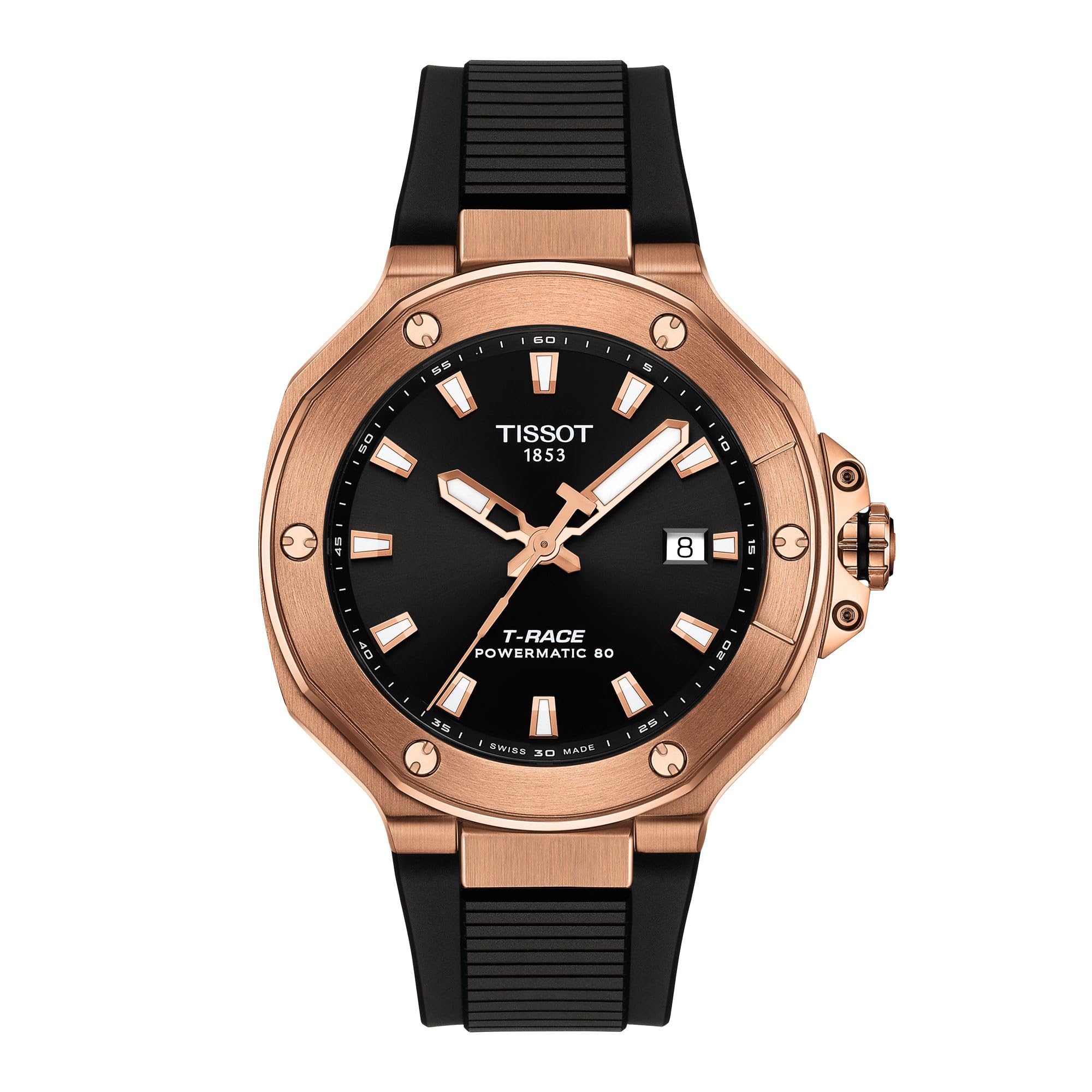
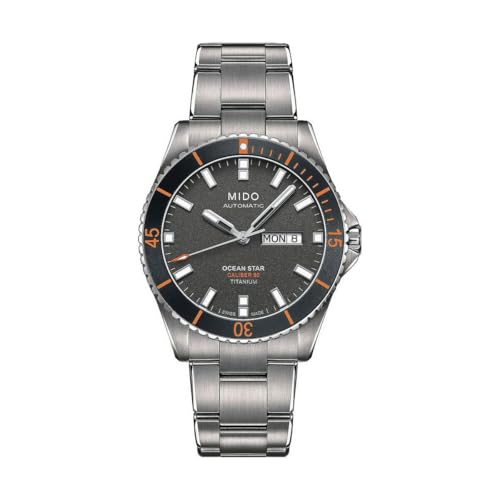
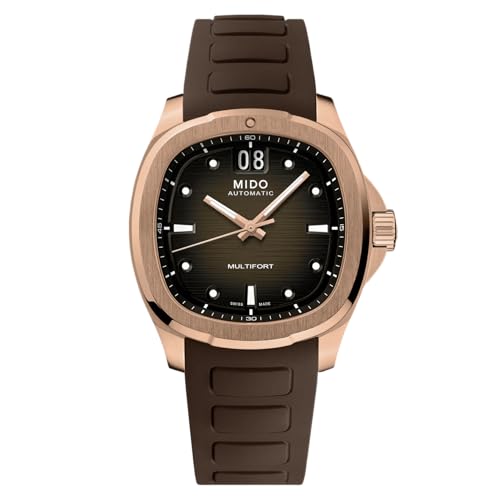
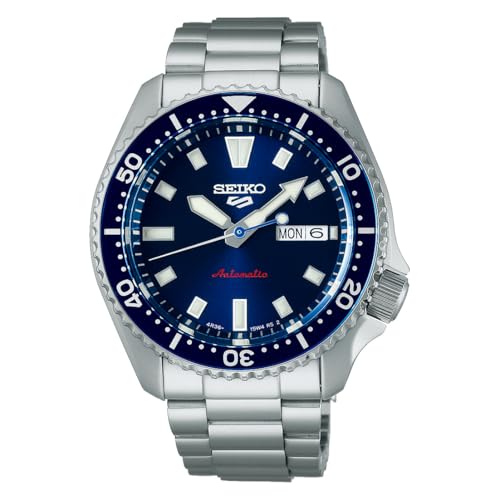
Entry level luxury usually means Swiss, Japanese or similar makers whose watches cost from a few hundred to a couple of thousand dollars. The product table lists current options across that range, and the sections below help you choose between them.





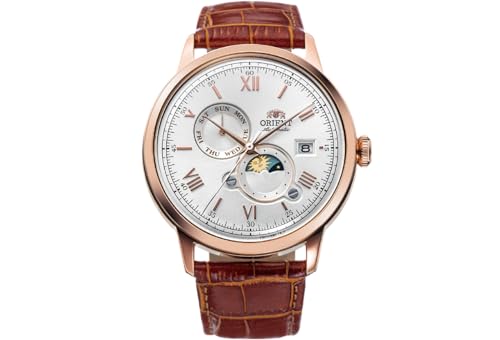
Who Should Buy a Beginner Luxury Watch
A beginner luxury watch suits someone marking a milestone, a professional who wants one dependable watch for the office, or a collector starting with one solid piece before exploring further. It also suits buyers who prefer a mechanical movement and want to feel the difference from a quartz fashion watch. If you only need the time and alarms, a smartwatch or a simple quartz watch is cheaper and more practical.
Types of Beginner Luxury Watches
Steel Dress Watches
Dress watches have clean dials, slim cases and leather or metal bracelets. They suit office wear and formal events, and they are the least cluttered way to start. Their finishes can scratch if you wear them for rough work, so they suit desk and evening use best.
Steel Sports Watches
Sports watches use tougher cases, better water resistance and screw down crowns on some models. They suit people who want one watch for work, weekends and holidays. They tend to be thicker and heavier than dress watches, which some wrists find more noticeable.
Field and Pilot Watches
Field watches focus on legibility, with clear numerals, luminous hands and sturdy straps. They are among the most forgiving styles for a first buyer, because the design is simple and the case size is usually modest.
Automatic Watches
Automatic watches wind themselves from wrist motion, with a sweeping second hand that glides instead of ticking. They suit buyers who enjoy mechanical craft and do not mind setting the time after the watch has been off the wrist for a few days.
Key Features to Check
Case Size and Thickness
Case diameter between about 36 and 42 mm suits most wrists, and thickness decides whether the watch slides under a shirt cuff. Try sizes on, or compare lug to lug measurements with your wrist width, because the diameter alone does not show how a watch sits.
Movement Type
Quartz movements are accurate and low maintenance. Automatic and manual wind movements are more involved and cost more to service, but they are the reason many people buy luxury. Solar quartz sits in between, with no battery changes for years.
Water Resistance
Water resistance ratings mean different things in practice. Splash resistance covers rain and handwashing, while a diver style rating suits swimming. Check the rating against how you will actually use the watch, and have seals checked at service intervals.
Strap and Bracelet Options
A watch that takes standard strap widths is easy to refresh with a new leather or rubber strap. Metal bracelets add durability and weight, and a quality clasp matters because you will use it every day.
Service and Warranty
Mechanical watches need servicing, often every five to ten years. Check that the maker offers clearly priced service and a warranty that covers the movement, and keep the box and papers, which matter if you resell later.
How to Choose the Best Beginner Luxury Watches
Start with the occasions you will wear it, then pick a style and a size that fit your wrist. Compare the watches in the product table by movement and case size first, and treat brand reputation as a tiebreaker rather than a starting point. If two watches seem equal, choose the one with simpler upkeep and clearer service support.
For related reading, see our guides to the best luxury watches and the best beginner watches, which cover neighbouring choices many buyers compare first.
Common Mistakes to Avoid
- Buying on photos alone, then finding the case too large or thick for your wrist.
- Ignoring service cost for a mechanical watch, which can run to several hundred dollars.
- Choosing a delicate polished finish for rough daily wear.
- Assuming every luxury watch holds its resale value, when many lose value in the first years.
- Buying from an unclear seller instead of an authorised source with a proper warranty.
Caring for a Luxury Watch
Rinse the watch with fresh water after swimming, keep it away from strong magnets such as speakers and phone cases, and store it in a dry case when not worn. Wipe the case and bracelet with a soft cloth, and avoid hand sanitiser and perfume, which can mark leather straps and some finishes.
Automatic watches that sit unworn can be placed on a winder or simply worn for a day each week to keep them running. Have the water resistance checked whenever the watch is opened for service.
Frequently Asked Questions
What counts as a beginner luxury watch?
Most people mean a watch from an established maker in the few hundred to couple of thousand dollar range, with quality finishing and a movement worth servicing. It is a first step into the category rather than a statement piece.
Should my first luxury watch be automatic or quartz?
Choose automatic if you enjoy mechanical watches and accept occasional servicing. Choose quartz or solar if you want grab and go accuracy with the least upkeep. Both are legitimate luxury choices.
What case size suits most wrists?
A diameter of about 36 to 42 mm suits most adults, with the smaller end better for slim wrists and dress watches. Lug to lug length matters as much as diameter.
Is a more expensive watch always better?
No. Higher prices often buy finishing, brand and complications that you may not notice daily. A midrange watch that fits well often serves better than a premium watch you worry about wearing.
How should I look after the strap?
Keep leather dry and rotate straps if you wear the watch daily. Rubber and metal straps tolerate water and are easy to wipe clean.
Final Thoughts
Match style, size and movement to the way you live, check service support before you buy, and avoid paying for features you will not use. Compare the product table above with those points in mind, and the best beginner luxury watches for you will be the ones you reach for without thinking.