Best Beauty Blenders: Shapes, Density and Care for 2026
Disclosure: We may earn a commission when you buy through links on this page, at no extra cost to you. As an Amazon Associate I earn from qualifying purchases. Learn more

Best beauty blenders compared by shape, density and durability, with technique and cleaning tips for an even, natural finish.
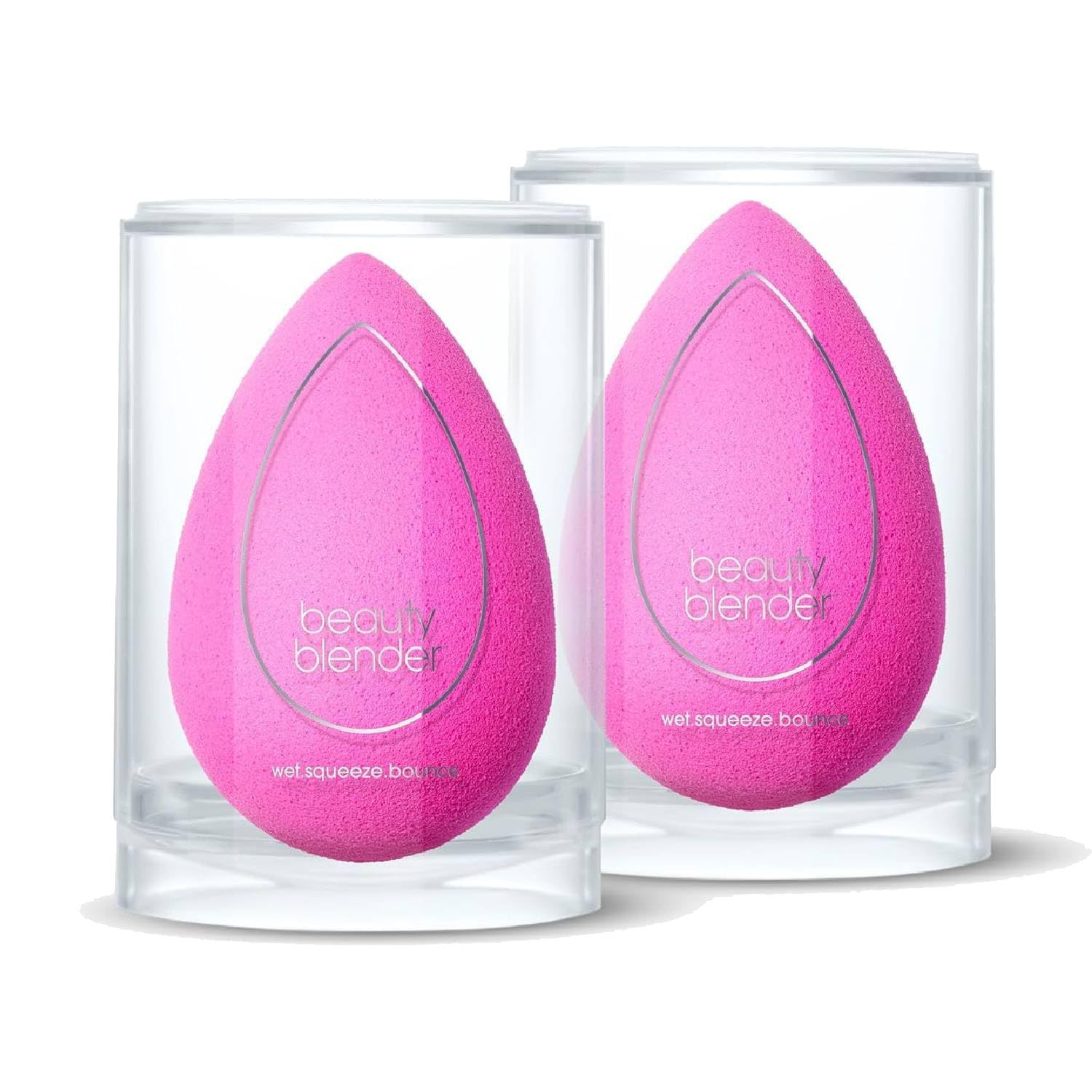
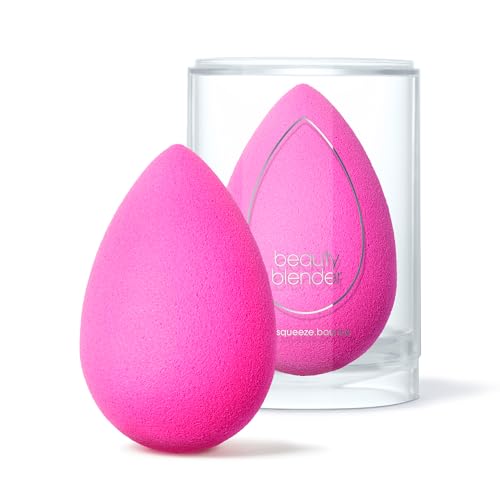
A beauty blender is a soft, bouncy makeup sponge that you dampen and dab over foundation, concealer and cream products for a smooth, skin-like finish. The best beauty blenders blend evenly without soaking up too much product, hold their shape when damp and clean easily. This guide explains shapes, materials and technique, so you can use the product table above to pick a sponge that suits your makeup routine and budget.
Brushes and fingers also work, but a sponge presses product into the skin and softens edges, which helps beginners and anyone who wants a natural look.




How a Makeup Sponge Works
Most beauty sponges are made of soft polyurethane foam that swells when wet. Dampening the sponge fills the foam with water, so it absorbs less foundation and leaves more on your face. Bouncing or stippling the sponge presses the product into skin without dragging it, which avoids streaks. The rounded end covers cheeks and forehead, the pointed tip reaches around the nose and under the eyes, and the flat edge helps with powder and sharp lines.
Sponge Shapes Compared
| Shape | Best For | Trade-Off |
|---|---|---|
| Classic teardrop | All-over foundation, concealer and cream blush | Larger tip is less precise |
| Flat-edge or wedge | Powder, contour and crisp lines | Less bouncy on large areas |
| Mini or detail sponge | Under eyes, around the nose, spot concealing | Small, dries out quickly |
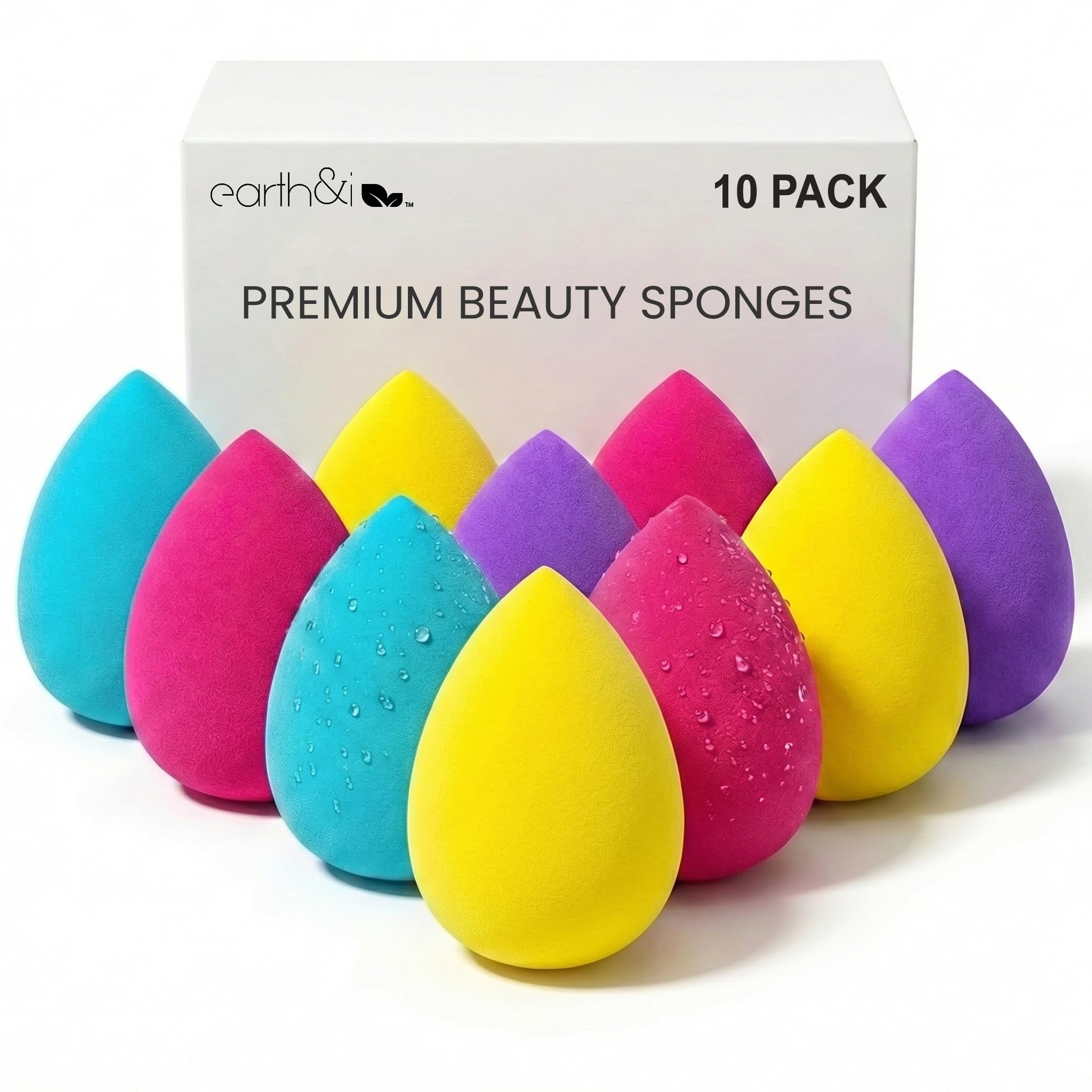
| Multi-pack of sponges | Sharing, travel, one sponge per product | Quality varies by pack |
Key Features to Compare
Density and Softness
A denser sponge absorbs less product and gives a smoother finish, while a very soft, airy sponge can soak up more makeup. Check how it feels when damp: it should expand, stay springy and not crumble when squeezed.
Size and Shape
Choose a size that fits your hand and face. A large sponge covers quickly, and a small one gives control around the eyes. Having one classic shape and one mini sponge covers most routines.
Durability and Cleaning
A good sponge lasts a few months with regular washing. It should not tear, shed bits of foam or hold stains permanently. Look for a smooth surface that washes clean with gentle soap.
Latex-Free and Skin Sensitivity
Most makeup sponges are latex-free. If your skin is sensitive or you have allergies, check the product description for materials and patch test a new sponge. Stop using any product that causes redness or irritation and ask a dermatologist about suitable options.
Price and Value
Premium sponges cost about $20 to $35 each, drugstore sponges about $5 to $15, and multi-packs cost about $8 to $15. Price does not always predict quality, so judge a sponge by how it blends, how much product it absorbs and how long it lasts.
How to Use a Beauty Blender
Run the sponge under water until it is fully damp, then squeeze out the excess so it is moist rather than dripping. Dot foundation on your face, then bounce the sponge over the skin, working from the center outward. Use the pointed tip around the nose and eyes. Press powder with the flat edge for a smooth finish. Wash the sponge soon after use, since makeup left on the foam encourages bacteria.
Which Sponge for Which Product
Foundation and concealer work best with a damp teardrop sponge, bounced lightly. Cream blush and cream bronzer blend well with the same sponge, using the rounded edge for a soft diffusion. Powder products and setting powder prefer the flat edge or a separate dry sponge, pressed rather than rubbed. Under-eye concealer needs the pointed tip or a mini sponge so you can place product without disturbing the skin. If you wear full coverage, build in thin layers, letting each layer set before adding more, and use fewer sponge passes to keep the finish from looking cakey. In summer, a lighter hand with the sponge leaves skin looking fresh, while winter skin often likes a bit more moisture under the sponge.
Cleaning and Replacing Your Sponge
Wash the sponge after every few uses with gentle soap or a makeup sponge cleanser. Squeeze and rinse until the water runs clear, then let it dry in open air, not in a sealed bag. Replace it every one to three months, or sooner if it tears, smells musty or stays stained after washing. A worn sponge blends unevenly and can irritate skin. Keep a few sponges in rotation so each one fully dries between uses.
Common Mistakes to Avoid
- Using a dry sponge with liquid foundation, which soaks up product.
- Dragging the sponge across the face instead of bouncing it.
- Keeping a sponge for months without washing it.
- Storing a damp sponge in a closed makeup bag.
- Sharing sponges, which spreads bacteria.
Related Guides
For budget options see our guides to the best drugstore beauty blenders and the best affordable beauty blenders. If you are curious about lookalike sponges, read about the best knock off beauty blenders.
Frequently Asked Questions
Should I use a beauty blender wet or dry?
Use it damp for most liquid and cream products, because a damp sponge blends more evenly and absorbs less product. Squeeze out excess water first.
How do I clean a beauty blender?
Wash it with gentle soap and warm water after use, rinse until the water runs clear and let it dry fully in open air.
How often should I replace a beauty blender?
Replace it when it tears, loses bounce or stays stained and musty despite washing, often after a few months of regular use.
Are expensive sponges better than cheap ones?
Not always. Density and shape matter more than brand, so try a mid-priced sponge first and judge it by blending, absorption and durability.
Can I use a beauty blender for powder?
Yes. A damp sponge presses powder into place, while a dry sponge applies powder lightly. Use a separate clean sponge for powder if you want a crisp finish.
Final Thoughts
Choose a soft, dense sponge in a shape that suits your routine, use it damp and wash it often. The best beauty blenders blend smoothly, absorb little product and last, so use the product table above to compare sponges and replace yours regularly.