Best Bearpaw Boots 2026: Matching the Right Model to Your Routine
Disclosure: We may earn a commission when you buy through links on this page, at no extra cost to you. As an Amazon Associate I earn from qualifying purchases. Learn more

Compare Bearpaw boots by lining warmth, shaft height, fit and traction, with clear help on sizing, water resistance, suede care and daily wear.
There is no single Bearpaw style that suits every winter routine, because warmth, height and grip matter in different amounts. The best bearpaw boots for you are the pair that match how far you walk, how cold your days get and how much snow you step through. Use the product table above to line up the choices.
Start with your most common outing. A short drive and a long dog walk ask for different shafts, linings and outsoles, and a boot that feels perfect for one can feel clumsy or chilly for the other.
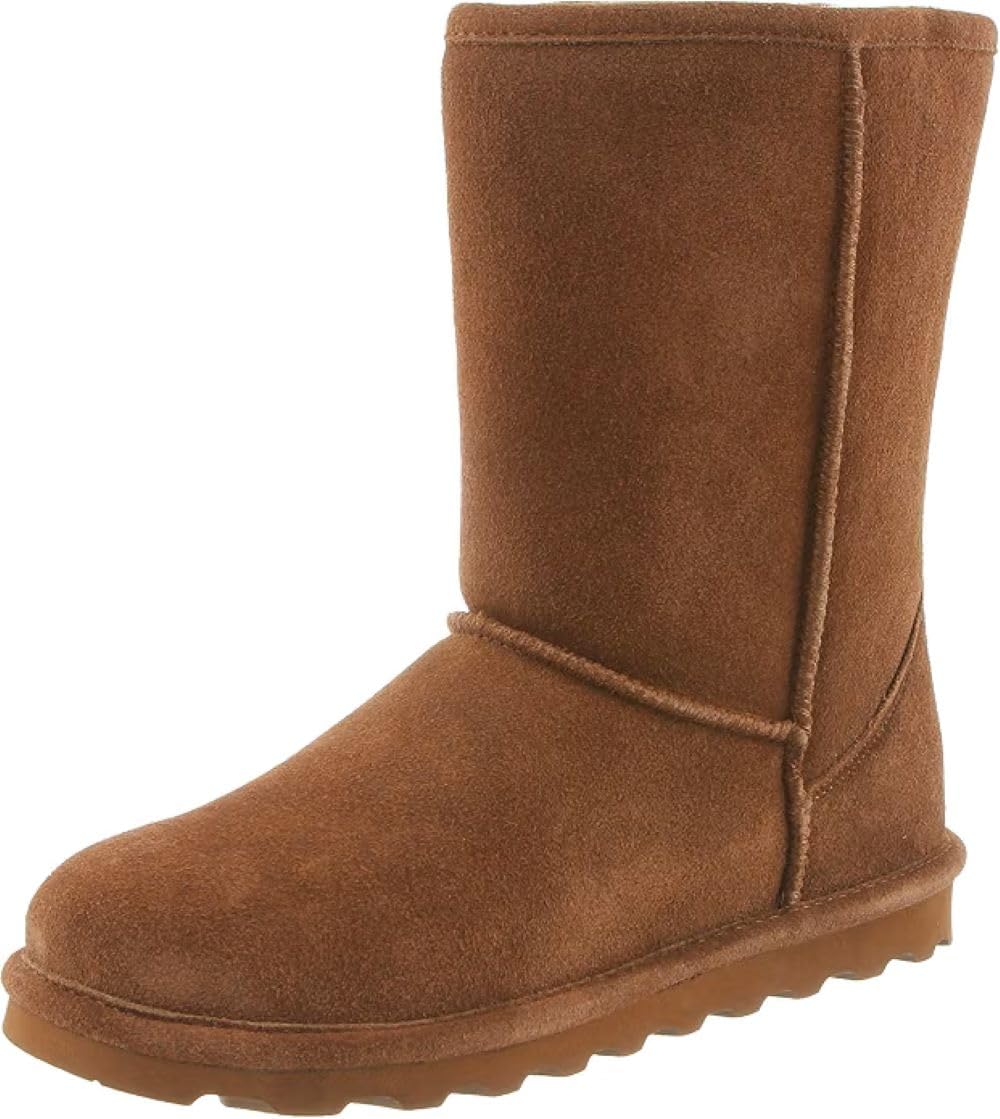
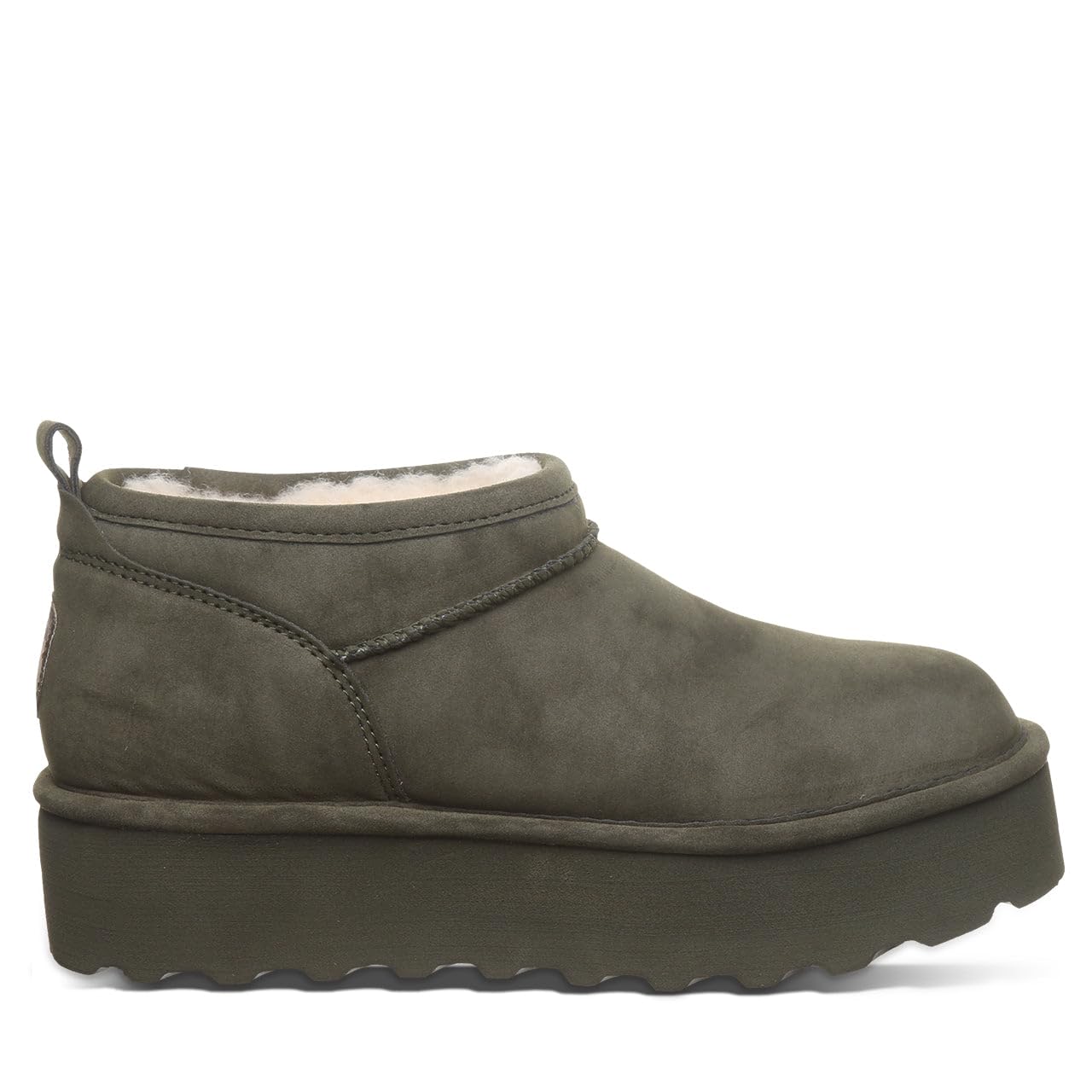

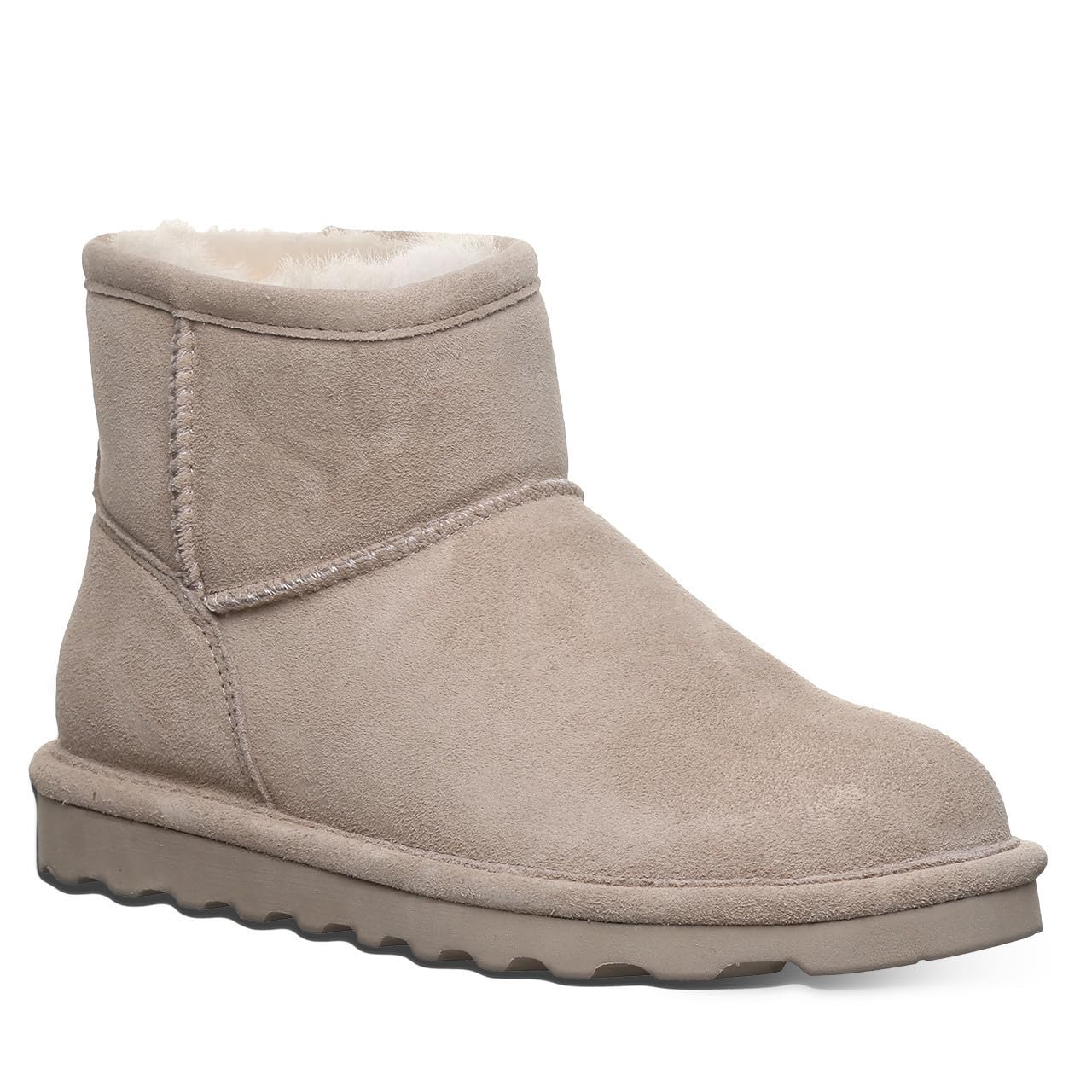
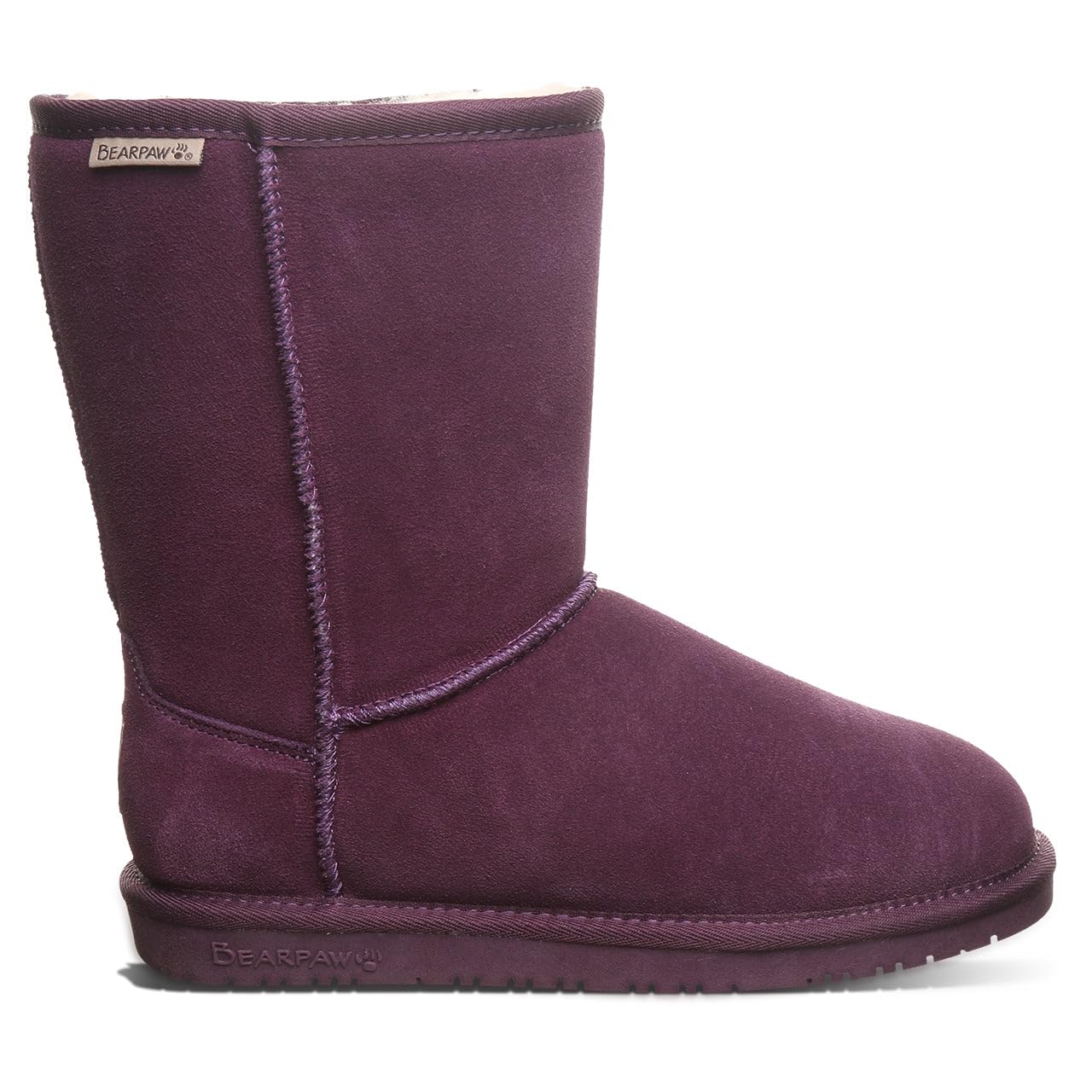
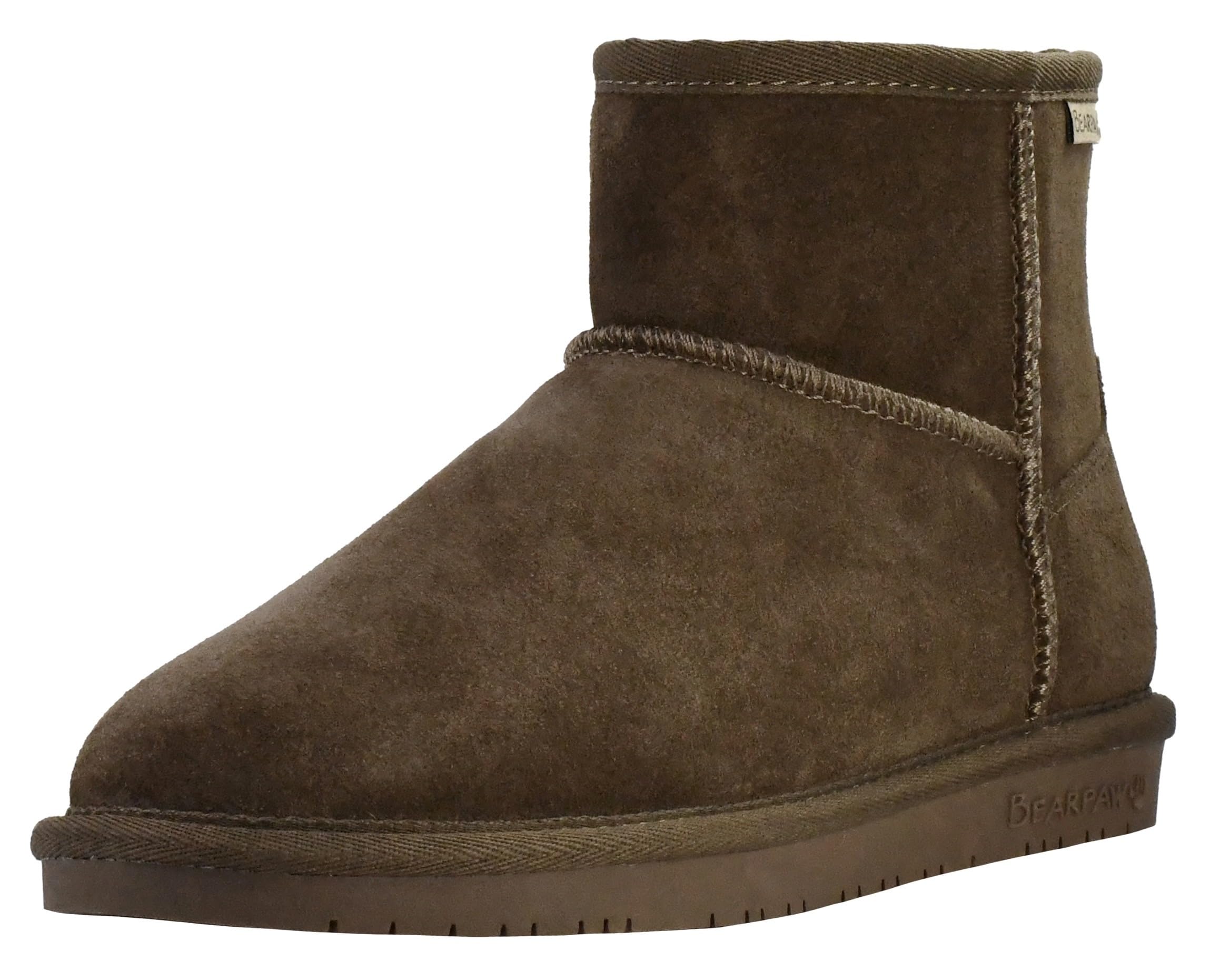
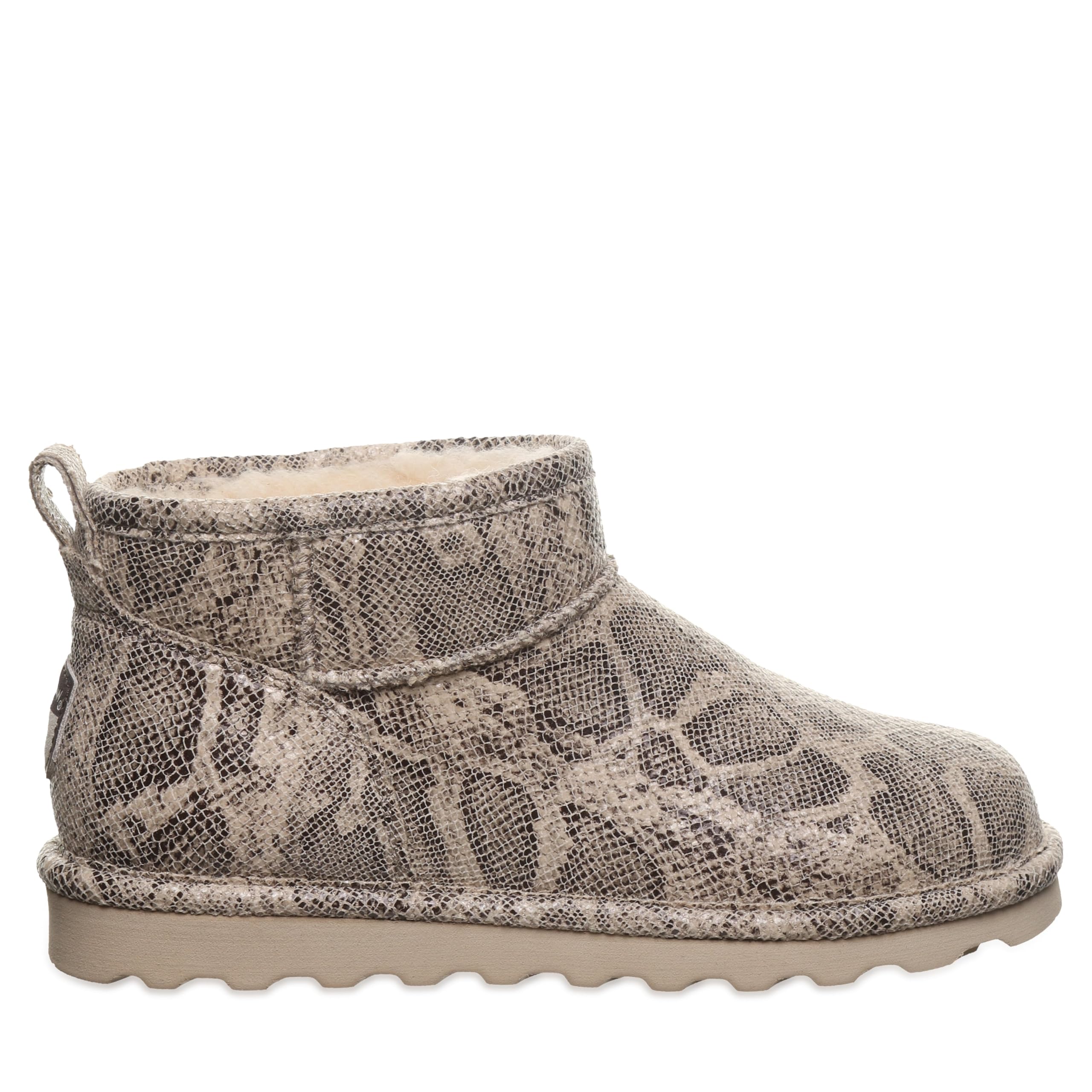
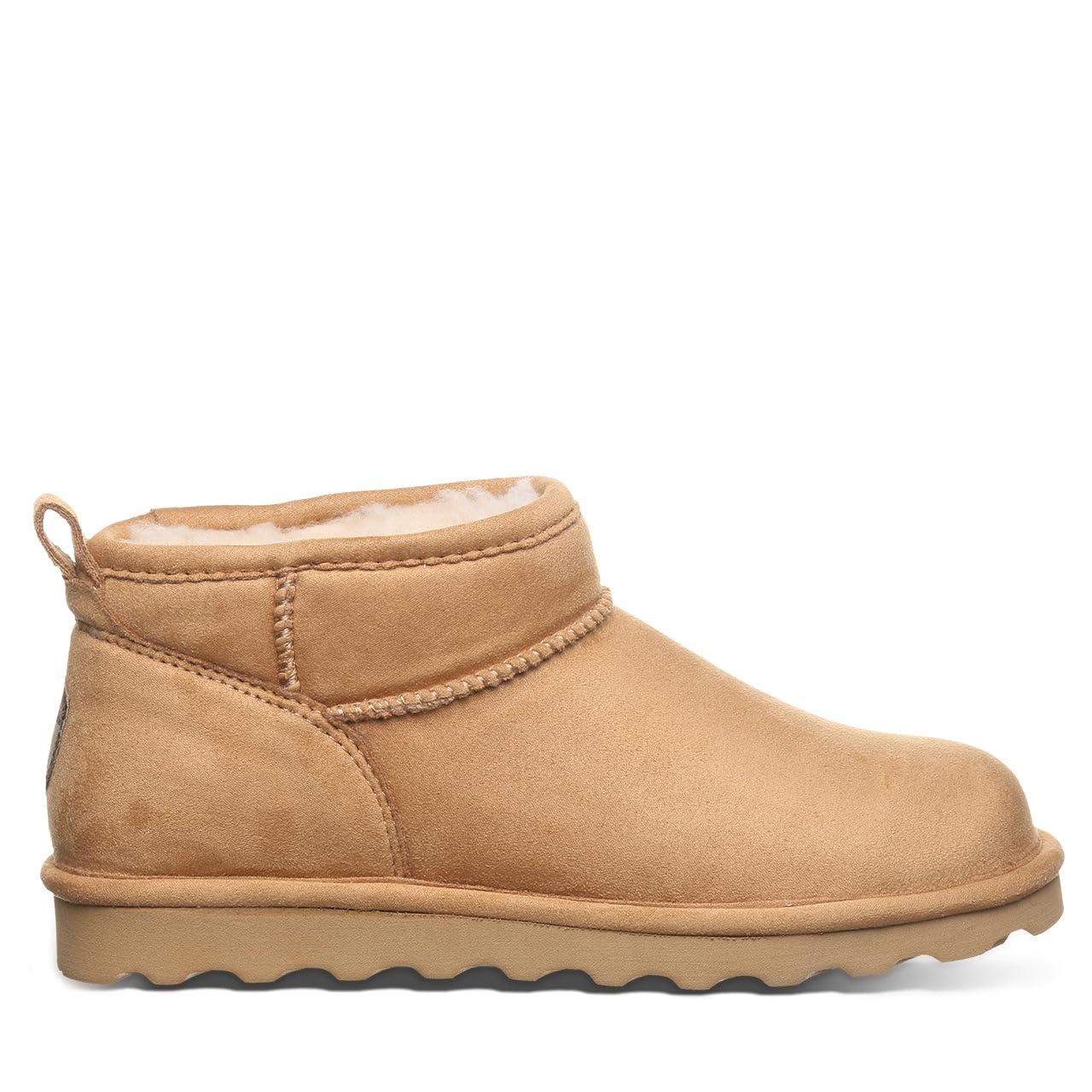
Who Should Buy Which Bearpaw Boots?
Pick for the routine you repeat most often in winter, and let your daily pattern decide the style.
For Wet Snow and Slush Days
You walk through parking lots and slushy crossings where your feet meet wet snow often. Choose a taller shaft that keeps snow out at the calf, treated suede that sheds moisture and a rubber outsole with deep lugs for grip. A waterproof build with sealed seams suits standing slush better than a water repellent finish, which only handles light snow.
For Daily Cold Weather Wear
You wear your boots most days, for school runs, errands, commuting and dog walks, so warmth and comfort have to last for hours. Look for a genuine sheepskin or thick wool blend lining, a cushioned footbed and an outsole that stays flexible in cold air. Check stitching, sole bonding and return terms before you pay more, since wear shows up fast with daily use.
For Casual Weekend and Cabin Wear
You need warmth for short outings, cabin trips and relaxed weekends, not a boot built for long walks in deep snow. A mid calf or ankle style in suede with a plush lining is usually enough. Easy pull on entry matters here, since you will take the boots off often at doors.
For Small Closets and Apartment Storage
You have limited closet floor space, so shaft height is a storage choice as well as a style choice. Ankle and mid calf styles take far less room than tall styles and fit on a standard shoe shelf. Store boots upright with rolled towels inside the shaft, since suede that flops over for weeks can crease. Never count on folding a suede boot flat.
Key Features to Compare
Compare the same features in the same order each time, so a low price cannot hide a thin lining or a smooth outsole.
Weight and Flexibility
A pair of casual winter boots like these often weighs about 2 to 3 pounds, and that weight shapes how your legs feel by the end of a walk. Soft suede and a flexible sole feel easy right away and suit short trips, while a stiffer sole gives more support on uneven frozen ground. If you walk a mile or more at a time, favor the lighter option, since heavy boots make each step cost more effort.
Upper Materials, Lining and Breathability
Most Bearpaw uppers are suede, which looks soft and warm but needs care to resist stains and salt. Inside, genuine sheepskin lining feels the warmest and lets some air move, so feet stay drier. Wool blend and faux fur linings cost less and still insulate well, though they can feel damper on mild days. Choose sheepskin for the coldest routines and a blend for mixed indoor and outdoor wear.
Water Resistance and Sealed Seams
Treated suede sheds light snow and dries well, but it is not the same as a fully waterproof build. True waterproof boots add a membrane and sealed seams that block water at the stitch lines, which matters in slush and wet grass. Check the wording closely, since water resistant and waterproof promise different levels of protection. For dry, cold days, treated suede is enough.
Arch Support and Cushioning
The classic sheepskin footbed feels plush at first, yet it is fairly flat, so arch support is modest in many casual styles. If your feet tire on hard floors, look for a contoured footbed or room for your own insole. Flat feet often prefer gentle, even support, while high arches want more cushion under the heel. Persistent foot pain is a sign to see a medical professional, and you should talk with your clinician about personal needs.
Fit, Sizing and the Toe Box
Measure and try boots in the afternoon, when your feet are at their largest, and wear the socks you plan to use in winter. Thick lining makes a new boot feel snug, and it packs down a little with wear, so a firm fit at first is normal. Your toes should wiggle without pressing the front, and the toe box should not pinch. If you land between sizes, choose the larger size and a thicker sock.
Outsole Traction and Stability
The outsole decides how secure you feel on packed snow and icy patches. Look for rubber with varied lugs that bite in more than one direction, plus a wide, low heel that keeps your stance stable. Smooth soles suit dry pavement, but they can slide on ice. No casual boot grips bare ice fully, so shorten your stride on slick spots.
Shaft Height and Style: Matching Bearpaw Boots to Your Day
Shaft height is the quickest way to sort styles. Ankle boots pair with jeans and suit mild cold, quick errands and driving, since the low shaft never fights the pedals or your calf. Mid calf styles add warmth and keep out most snow, which makes them the most versatile pick for everyday winter wear.
Tall styles give the most coverage for deep snow, but they feel warmer indoors and take more closet room. When you compare the best bearpaw boots for your routine, choose the shortest shaft that still covers your usual snow depth, because extra height only adds weight and warmth. Pull on shafts are fast, lace up fronts adjust over different socks, and a side zip helps stiff or sore hands.
Common Mistakes to Avoid When Buying Bearpaw Boots
- Buying on price alone leaves you with a thin lining that feels cold within a few weeks.
- Choosing a water repellent style for daily slush lets moisture soak through the seams and suede.
- Ordering your summer shoe size without room for thick socks makes the toe box pinch on cold days.
- Ignoring outsole tread leaves you sliding on packed snow that a deeper lug would have gripped.
- Expecting a plush flat footbed to fix ongoing arch pain delays the insole or advice you actually need.
How to Make Your Bearpaw Boots Last Longer
Let wet boots air dry at room temperature, away from radiators and direct heat, since strong heat can stiffen suede and crack the finish. Stuff the toes with plain paper while they dry. Brush dry suede with a soft suede brush to lift dirt and road salt, and treat salt marks early before they set into pale rings.
Before the season and after a few wet weeks, refresh the water repellent finish, and see our guide to the best waterproof spray for bearpaw boots for how sprays differ by suede type. Rotate two pairs if you wear boots daily, since a day of rest lets the lining dry and recover its loft. Store pairs upright and out of direct sun.
Bearpaw Boots: Your Questions Answered
Do Bearpaw boots need full waterproofing for snow?
No, Bearpaw boots do not need full waterproofing for dry, powdery snow. Treated suede sheds dry snow well when the snow stays powdery and brushes off. Full waterproofing earns its place when your routine includes slush or melting snow that sits on the boot. In those conditions, look for sealed seams rather than relying on a surface spray alone.
Are more expensive Bearpaw boots worth the extra cost?
Sometimes, yes, when the extra cost buys genuine sheepskin lining, a taller suede shaft or a sturdier outsole. Those upgrades change daily warmth and how many seasons the boot lasts. Higher prices that only buy decorative buckles or branding add nothing in use. Compare the lining material first, since that is where the money most often shows up on your feet.
How often should you replace Bearpaw boots?
Replace Bearpaw boots when the tread wears smooth, the lining packs flat and stops insulating, or the suede cracks at the flex points. For daily winter wear, that often means about two to four seasons, while occasional wear lasts longer. A useful check is the slush test: if your socks now get damp on a route that once kept them dry, the protection has faded.
How long is the break in period for Bearpaw boots?
The break in period for Bearpaw boots is usually short, about three to five wears. Suede softens at the ankle and the thick lining compresses to the shape of your foot during those first outings. Wear new pairs around the house first. Sharp rubbing that leaves a sore spot is not normal break in, and it points to a fit problem instead.
Can you wear Bearpaw boots all day?
Yes, you can wear Bearpaw boots all day if the day mixes sitting, standing and moderate walking. The plush lining stays comfortable for hours, and the flat footbed suits relaxed paces well. For miles of walking or long shifts on concrete, a contoured footbed will leave your feet less tired. Indoors, warm offices can make tall lined boots feel too hot by afternoon.
How should Bearpaw boots fit when you first try them on?
Bearpaw boots should fit snugly at first, with your heel held and a small amount of room in front of your toes. A slight heel lift as you walk is normal for a pull on style and lessens as the lining packs down. Try both feet, since one is often larger, and walk on a hard floor, not only carpet.
Final Thoughts
Match the boot to your routine first: shaft height for your snow, lining for your cold and tread for your ground. Then check fit with winter socks. Use the product table above to confirm height, lining and price side by side.
With those points settled, the best bearpaw boots for your winter become an easy call. Buy the simplest style that covers your coldest regular day, care for the suede, and your pair should serve you well for seasons.