Best Beach Watches of 2026: Complete Buying Guide
Disclosure: We may earn a commission when you buy through links on this page, at no extra cost to you. As an Amazon Associate I earn from qualifying purchases. Learn more

Water ratings, quick-drying straps and sun-readable dials explained so your best beach watches survive salt, sand and summer swims.
The best beach watches shrug off salt, sand, sun glare and a swim without fuss. Most watches survive a rinse at the sink, but beach days are harder on a case and strap than office life, and a rating that sounds reassuring on the box can mean very little in the surf. This guide explains what to check so the watch you pick still works after a summer of sand and sunscreen. The product table above lists watches that suit water and rough use.
The advice below is plain and practical: what water resistance ratings really promise, which straps cope with wet sand, how to read a dial in bright light, and how to care for a watch after salt water.

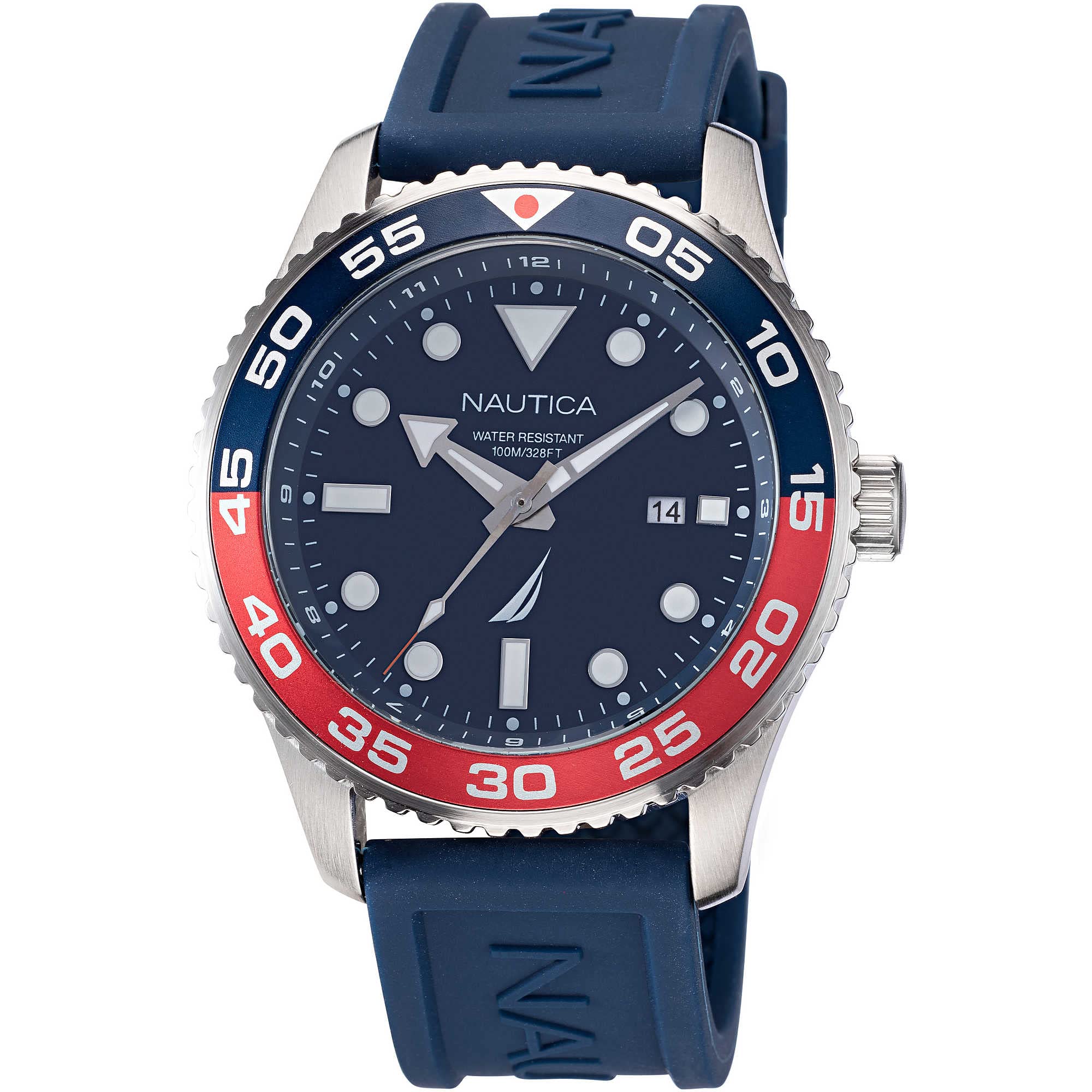
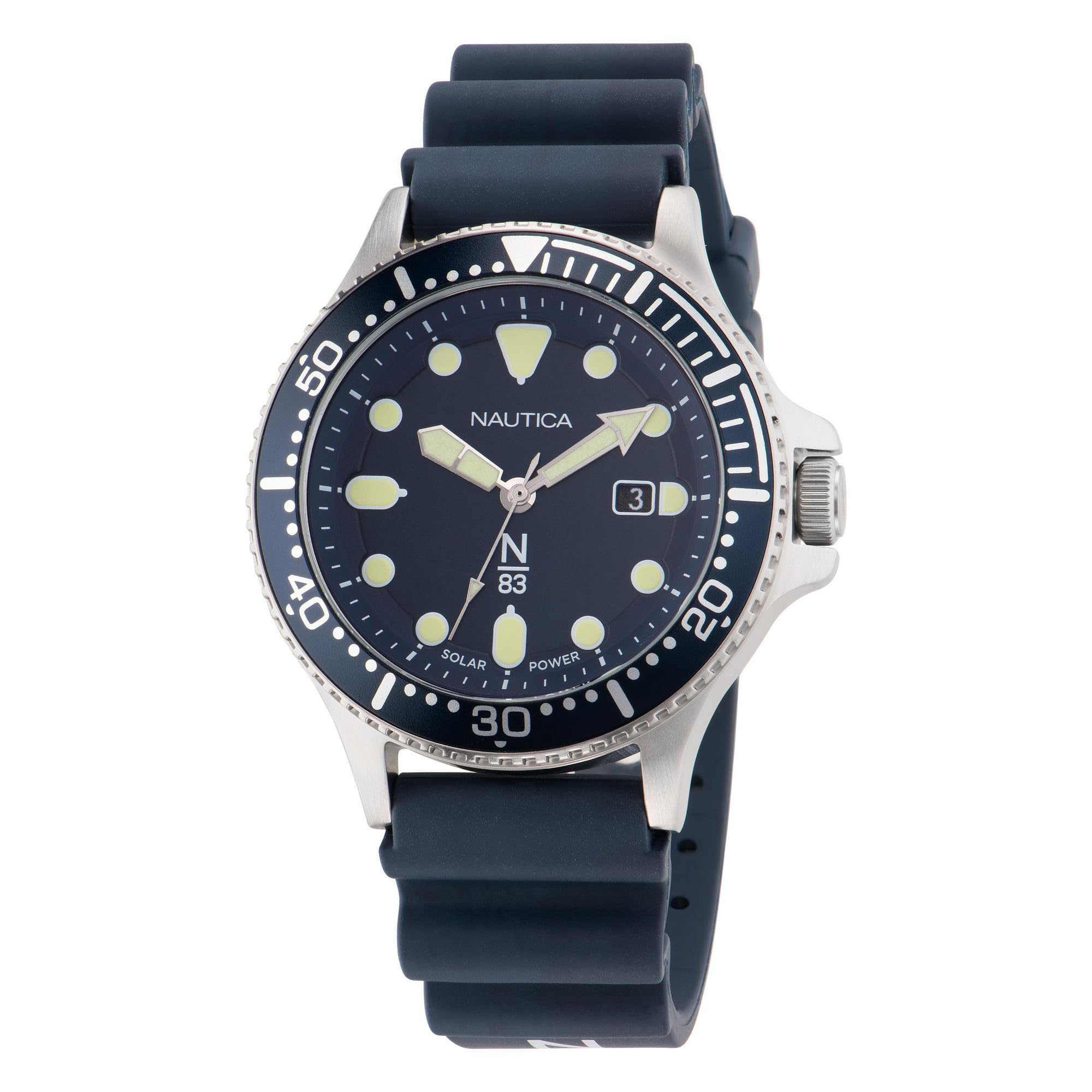
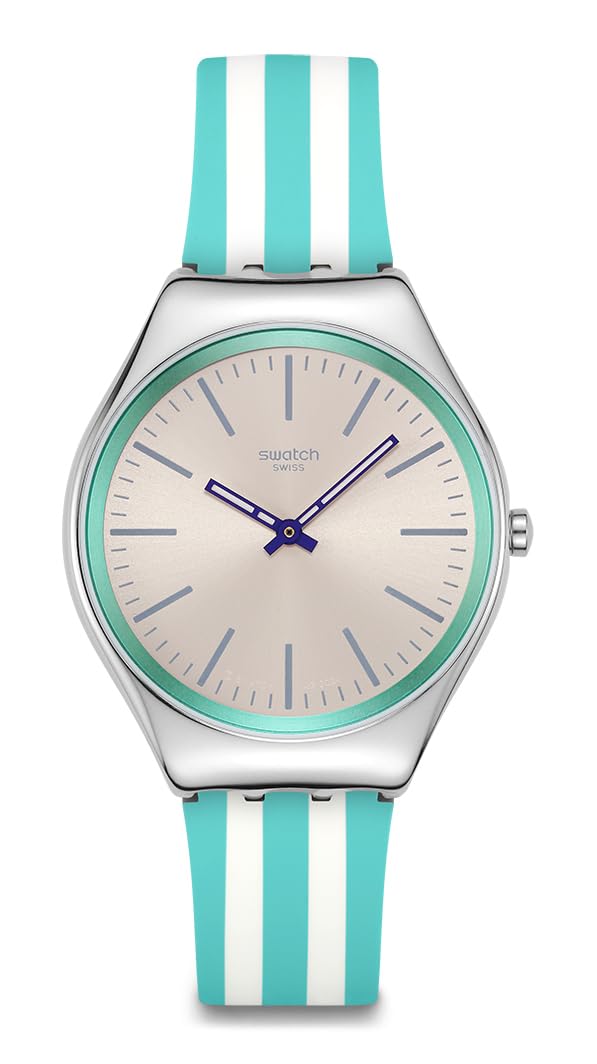
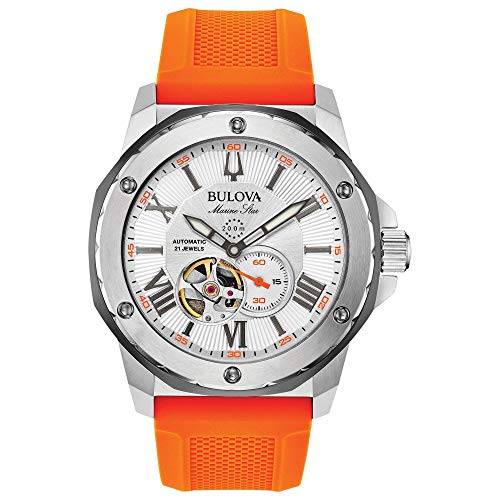
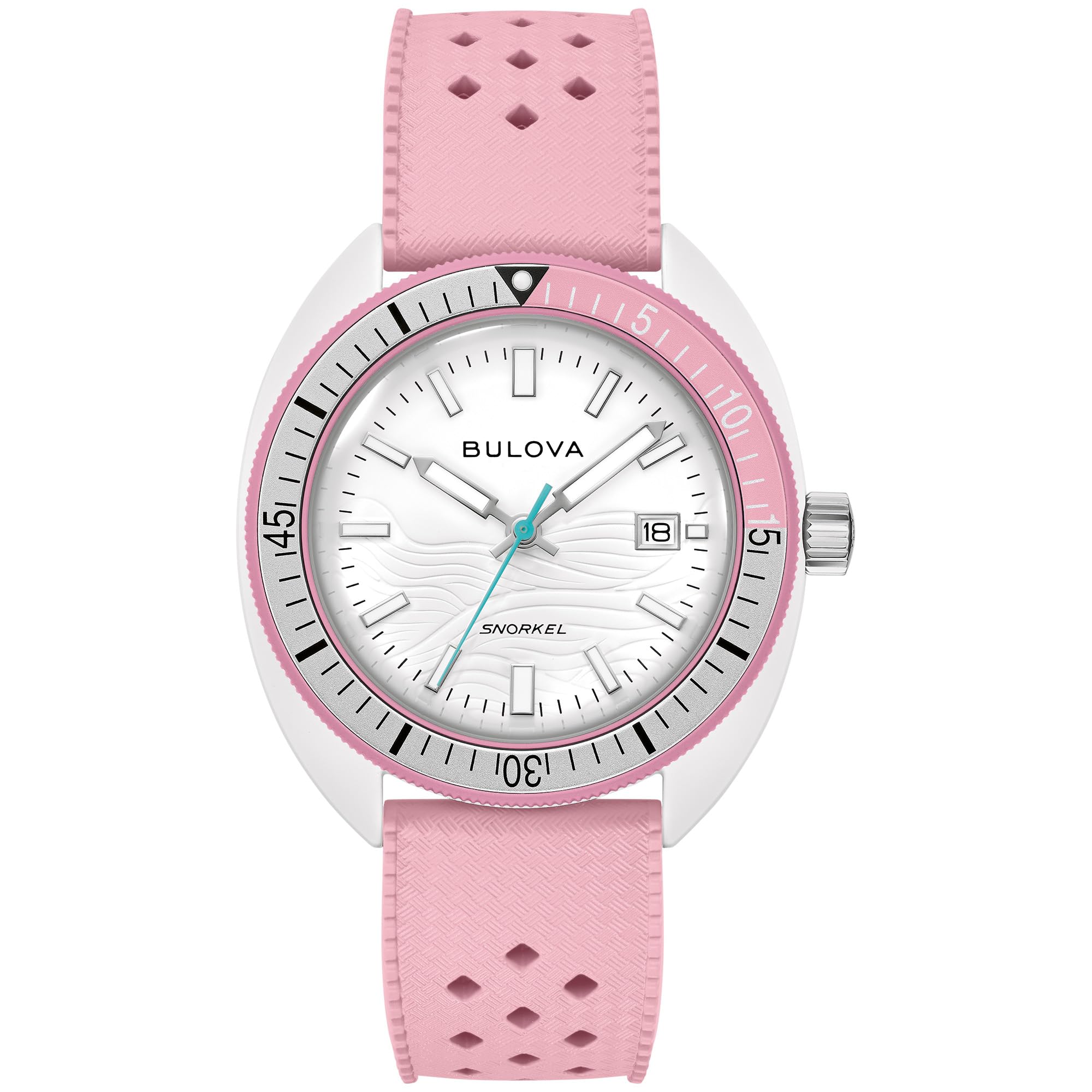

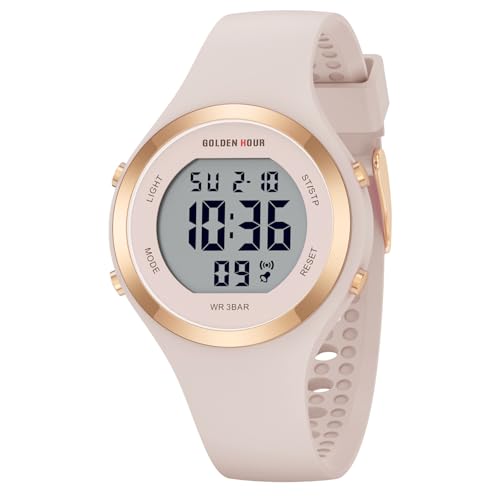
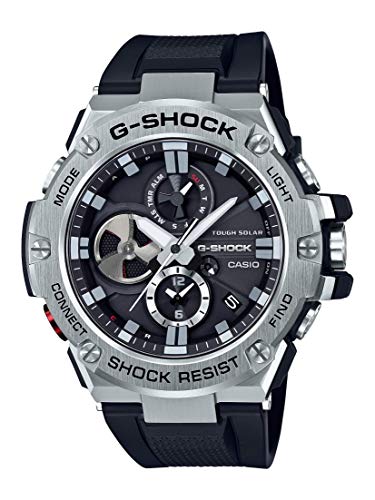
What Makes a Good Beach Watch
A good beach watch has four traits. It carries a real water resistance rating, it has a strap that does not soak up water or trap sand, it has a dial you can read in hard sunlight, and it is cheap enough that you will not panic if it takes a knock. Style comes after those four, though most beach watches lean casual with colorful dials, silicone or nylon bands and cases that look at home with shorts and sandals.
Think about how you actually use the beach. If you only wade and walk the shore, splash protection and a quick-drying band are enough. If you swim laps, snorkel or surf, you need a rating built for submersion and a bezel or crown that locks. Matching the watch to the activity matters more than chasing the highest number on the case back.
Understanding Water Resistance Ratings
Ratings are written as meters or ATM, and they describe lab pressure tests, not how deep you can safely dive. A watch marked 30 meters (3 ATM) is built to survive rain and hand washing, but not swimming. A watch marked 50 meters (5 ATM) usually handles shallow swimming and pool use. A rating of 100 meters (10 ATM) or 200 meters suits snorkeling and most water sports. Dive watches go beyond that and add a screw-down crown and a rotating bezel.
Seals age, and heat, impacts and soap weaken them over time. If a watch fogs inside or the crystal clouds after a swim, stop wearing it in water and have the seals checked. Never press buttons or pull the crown underwater unless the maker says it is safe. Hot showers and saunas are hard on seals, so take the watch off first.
| Rating | Good For | Avoid |
|---|---|---|
| 30 m (3 ATM) | Rain, hand washing, splashes at the shore | Swimming and diving |
| 50 m (5 ATM) | Pool and shallow ocean swimming | Snorkeling at depth, high-speed water sports |
| 100 m (10 ATM) | Snorkeling, paddling, surf days | Scuba diving |
| 200 m or dive rated | Diving, long days in the water | Nothing at the beach |
Best Beach Watches by Strap Material
The strap decides how comfortable a watch feels after a swim, and it is the part that suffers most from sand.
Silicone and rubber
Silicone and rubber bands dry in minutes, rinse clean and stay comfortable when wet. They are the safest default for beach use. Look for a band with a sturdy keeper loop so the tail does not flap free while you swim.
Nylon and fabric
Nylon straps are light and breathable, but they hold water and dry slowly, and salt can leave them stiff. Rinse them in fresh water after each trip and let them air dry fully.
Metal bracelets
Steel bracelets feel solid and last for years, but sand collects between links and the metal can heat up in strong sun. If you like a bracelet, choose one with a locking clasp and rinse it well after each beach day.
Leather
Leather and salt water do not mix. Skip leather bands for the beach unless the maker states they are water ready.
Dial Legibility in Bright Sun
Glare can make a stylish dial useless at noon. High-contrast dials with large hour markers, a matte or anti-reflective crystal, and hands that stand apart from the background stay readable outdoors. Digital watches with a reflective display often read better in direct sun than in the shade, while a backlight helps at dusk. A date window and a simple second hand are plenty for most beach days.
Size matters too. A watch around 38 to 44 millimeters suits most wrists and sits flat under a sleeve or a rash guard. Oversized cases can catch on towels and beach bags.
Types of Beach Watches Compared
| Type | Best For | Trade-Off | Typical Price |
|---|---|---|---|
| Casual quartz with silicone strap | Beach walks, paddling, everyday summer wear | Basic water rating, so check it before swimming | about $60 to $120 |
| Dive-style watch | Swimming, snorkeling, water sports | Thicker case, higher price | about $80 to $400 |
| Rugged digital watch | Surf days, hard knocks, low-light reading | Less dressy, sporty look | about $20 to $100 |
Quartz movements are the usual pick for a beach watch because they are accurate, light and cheap to service. Solar models skip battery changes. Automatic watches look appealing, but sand and shocks are tough on fine mechanical parts, so many owners keep their best automatic watch off the beach.
Caring for a Watch After the Beach
A short routine keeps a beach watch healthy for years. Rinse it in fresh water after any salt exposure, with the crown pushed in and tight. Wipe the case and the strap with a soft cloth, clear sand from the bezel and lug edges with a soft brush, and let it dry fully before it goes in a drawer. Avoid sunscreen sprays directly on the case, since oils and chemicals can wear down seals and discolor straps over a season.
Store the watch away from long hours in a hot car, where heat shortens battery life and weakens seals. Have the seals checked every year or two if you swim often.
Common Mistakes to Avoid
The biggest mistake is trusting the word "waterproof" on a listing. Look for a meter or ATM number instead. Another is wearing a 30 meter watch for a swim. A third is ignoring comfort: a heavy or tight watch gets uncomfortable in heat and when wet, and a watch you leave in the bag keeps no time at all.
Related Guides
For other everyday options, see our guide to best quality watches. If you also track your workouts at the shore, best workout watches covers sports-focused models.
Frequently Asked Questions
Can I swim with a beach watch?
Only if the rating allows it. Look for at least 50 meters (5 ATM) for pool or shallow ocean swimming, and a higher rating for snorkeling. A watch marked only for splashes should stay out of the water.
What strap works best at the beach?
Silicone and rubber bands handle water and sand best, and they dry fast. Metal bracelets trap sand and nylon dries slowly. Leather is a poor choice near salt water.
How do I clean a watch after the beach?
Rinse it with fresh water, wipe the case and strap, and dry completely before storing. Clear sand gently from the edges and avoid harsh cleaners that can damage seals.
Are dive watches overkill for the beach?
Not at all. A dive-style watch has a rugged case, a locking crown and a clear dial, and it handles salt and knocks well. It can look bulky on a small wrist, so check the size before you buy.
Does sunscreen hurt a watch?
Oils and chemical sunscreens can wear down rubber seals and stain straps. Rinse the watch after applying it and wipe off any residue.
Final Thoughts
Start with the activity, choose a rating that fits it, and pick a strap that dries quickly. The best beach watches are the ones with a trustworthy water rating, a readable dial and a band you do not mind getting wet, so match those three to your beach routine before you decide.