Best Beach Slippers: Matching the Right Model to Your Routine for 2026
Disclosure: We may earn a commission when you buy through links on this page, at no extra cost to you. As an Amazon Associate I earn from qualifying purchases. Learn more

Best beach slippers matched to real use, with grip, fit, cushioning and durability checks that help you avoid overpaying.
No single pair of beach slippers suits everyone, because a quick walk from a hotel room and a full day crossing wet rock pools ask very different things of your feet. Matching the design to your routine is what prevents blisters, slips, and wasted money.
This guide helps you compare best beach slippers options by use case first, then by fit, grip, and durability. Read the sections that match your plans, then check the product table below for the styles that fit your shortlist.

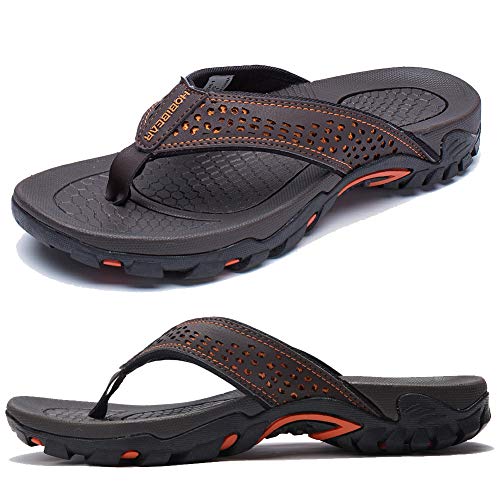


Who Should Buy Which Beach Slippers?
For Frequent or Serious Users
If you walk the shoreline daily or take beach holidays several times a year, prioritize durability and support. Look for a molded footbed that holds its shape, straps anchored through the sole rather than glued on top, and an outsole with real tread depth. These details cost more at first but hold up through repeated wetting, drying, and long walks on mixed surfaces.
Serious users should also think about rotation. Alternating two pairs lets each pair dry fully between wears, which extends foam life and reduces odor. If you often shop for men in your household as well, our guide to the best men's beach slippers covers sizing and strap styles for larger feet.
For Weekend Beginners
If you head to the beach a few weekends each summer, comfort out of the box and a fair price matter most. Choose soft straps that do not rub between the toes, a lightly cushioned sole for boardwalks and sand, and a design you can rinse clean in seconds. You do not need the thickest sole or the most technical tread for short, easy outings.
Beginners should buy for the surface they will actually meet. Soft sand and paved promenades forgive almost any sole, while wet tiles around pools punish smooth bottoms. A simple tread pattern and a secure strap give you a safe start without overspending.
For Small Spaces and Easy Storage
If you pack light or store beach gear in a small closet, choose slim, flexible slippers that lie flat in a suitcase or tote. Thin soles and soft fabric straps fold down well and weigh very little, which also makes them a good backup pair to keep in a car or gym bag.
The tradeoff is protection. Very thin soles transmit sharp shells and hot pavement straight to your foot, and they wear through faster on rough ground. Treat compact pairs as convenience footwear for short distances, and keep a sturdier pair for rocky coves or long coastal walks.
For Bad Weather and Tough Conditions
For rainy resorts, rocky shores, and slippery pool decks, grip and drainage come first. Choose an outsole with multidirectional lugs or siping, which is the pattern of thin slits that channels water away and improves traction on wet surfaces. A closed or raised toe area adds protection against stubbing on hidden rocks.
Materials matter here too. Rubber and synthetic straps handle constant water far better than leather, which can stiffen, crack, and develop odor after repeated soaking. If your trips involve reefs or boat decks, a more enclosed water shoe style may serve you better than an open slipper, even if it packs a little larger. Women comparing strap shapes and footbed options can also see the styles covered in our guide to the best beach slippers women prefer for all day wear.
Key Features to Compare
Break In Period and Comfort Out of the Box
Good beach slippers should feel comfortable within the first short walk. Soft strap linings, rounded sole edges, and a footbed that matches your arch shape reduce rubbing from day one. A brief break in of one or two short outings is normal for firmer molded footbeds, which soften slightly as they adapt to your feet.
Pain is not part of a healthy break in. Blisters between the toes, strap cuts, or heel pain that grows with each wear mean the shape is wrong for you, not that you need more patience. Try new pairs indoors first, walk on carpet and hard floors, and keep the return option open until you have tested them on a real surface.
Durability and Expected Lifespan
Durability shows in three places: strap anchor points, sole density, and stitching or bonding quality. Straps that pass through the sole and lock underneath rarely pull out, while surface glued straps are the most common failure point on cheap pairs. Press the sole with your thumb; it should feel firm and spring back rather than collapse.
With regular beach use, a quality pair often lasts one to three seasons depending on distance walked and sun exposure. Foam that stays compressed, tread worn smooth, or straps that stretch loose are clear signs to replace a pair. Rotating pairs and rinsing off salt and sand after use slow that wear noticeably.
Cushioning and Support
Cushioning protects your feet on hard surfaces like promenades, pool decks, and rocky paths. A moderate sole thickness absorbs impact without feeling unstable on uneven sand. Very thick, soft soles can feel pleasant at first but may roll at the ankle on sloped or rocky ground, so match thickness to your terrain.
Arch support matters if you walk far or have tired, achy feet after standing. A gently contoured footbed spreads pressure more evenly than a flat slab of foam. If you have a diagnosed foot condition such as plantar fasciitis, or pain that persists beyond a few days, ask a clinician or podiatrist what support level suits you rather than relying on marketing claims. Everyday indoor needs are different, and our guide to the best quality slippers explains home focused comfort features.
Outsole Traction and Terrain
Traction depends on tread pattern and rubber compound. Deep, widely spaced lugs grip loose sand and gravel but can feel clunky on smooth floors. Fine siping and flatter tread suit wet tiles and boat decks, where water needs escape routes under the sole. Look at the bottom in photos and match the pattern to your most slippery surface, not your easiest one.
Test grip carefully on your first outing. Walk slowly across wet tiles before trusting the pair at full pace, and be extra careful on algae covered rocks, where almost any slipper can slide. No tread design makes a smooth wet rock fully safe, so step choice still matters more than footwear.
Fit, Sizing, and Toe Box
Fit your slippers late in the day, when your feet are at their largest from heat and walking. Your heel should sit fully on the footbed without hanging off the back, and your toes should not spill over the front edge. About a thumb width of room beyond your longest toe helps on descents and in heat swelling.
Check strap tension across the top of your foot. Straps should hold the slipper on when you lift your foot, without leaving deep marks after ten minutes. A wide toe box suits people whose feet spread under load or who dislike any squeeze, while a narrower fit can feel more secure for slim feet. If you are between sizes, the larger size usually works better for beach use because feet swell in heat. Shoppers comparing household options for women may also find our guide to the best slippers for women helpful for general sizing habits.
Common Mistakes to Avoid When Buying Beach Slippers
- Buying on price alone. Very cheap pairs often fail at the strap anchor first, sometimes within a single trip.
- Ignoring the wet grip test. A sole that feels fine dry can slide badly on wet tiles, so tread pattern deserves real attention.
- Choosing the wrong size for heat. Feet swell at the beach, and a snug morning fit can become painful by afternoon.
- Skipping the return check. Comfort is hard to judge online, so confirm the return window before your first outdoor wear.
- Using indoor slippers at the beach. Fabric home slippers soak up water, trap sand, and fall apart quickly outdoors.
Care and Maintenance Tips
Rinse your slippers with fresh water after beach days to remove salt, sand, and sunscreen that degrade foam and straps. Let them air dry in shade away from direct heat, since radiators and hot car interiors can warp soles and crack synthetic straps.
Scrub tread grooves with an old brush once in a while so packed sand does not reduce your grip. Store pairs flat rather than crushed under heavy bags, and replace them when tread smooths out, foam stays flat, or straps loosen. Rotating two pairs remains the simplest way to extend the life of both.
Frequently Asked Questions
How should beach slippers fit?
Beach slippers should hold your foot securely with your heel and toes fully on the footbed and a small margin of room at the front. Straps should feel snug without digging in, and the pair should stay on when you walk briskly. A useful extra check is wet fit: after wetting your feet, the slipper should not slide forward so far that your toes grip to compensate.
How long is the break in period for beach slippers?
Most soft beach slippers need no real break in and feel fine on the first outing. Firmer molded footbeds may take two or three short walks to settle to your foot shape. Keep early outings brief and carry a backup pair on a long first day. If rubbing turns into blisters or sharp pain, stop and reassess the fit rather than wearing them in by force.
Are expensive beach slippers worth it?
They can be worth it if you walk far, visit the beach often, or need real arch support and wet grip. Higher prices usually buy stronger strap anchors, denser soles, and better tread, which extend the life of the pair. For a single short holiday on soft sand, a well fitted midrange pair around $25 to $50 often delivers everything you need.
Can I wear beach slippers all day?
You can wear supportive beach slippers for much of the day if they fit well and your route is mostly flat. Flat, thin pairs are better kept for short stretches, since they offer little protection or support over hours of walking. Build in breaks, rinse sand from straps to prevent rubbing, and switch to walking shoes for long hikes or rough trails.
Do I need waterproof beach slippers?
You need water friendly materials rather than a waterproof label. Rubber and synthetic designs shed water, dry fast, and keep their grip, which is what beach use demands. Leather and fabric uppers absorb water, dry slowly, and can smell after repeated soaking. If you will wade through rock pools, prioritize drainage and tread over any waterproof claim.
How often should I replace my beach slippers?
Replace beach slippers when the tread looks smooth, the footbed stays compressed, or straps stretch or crack. For frequent users that may be after one or two seasons; occasional users may get three seasons from a sturdy pair. Do not wait for a strap to snap mid trip. A quick bend and pull check at home before each holiday catches most failures early.
The Bottom Line
Decide by routine first, then by fit, wet grip, and strap strength. Those checks will steer you past pretty colors and thin soles that fail early. Look back at the product table above with your main beach surface in mind, and choose the best beach slippers style that matches how far you walk, where you walk, and how often your feet meet the water.