Best Bauhaus Watches under 500 of 2026: Complete Buying Guide
Disclosure: We may earn a commission when you buy through links on this page, at no extra cost to you. As an Amazon Associate I earn from qualifying purchases. Learn more

Use this buying guide to find the best bauhaus watches under 500, comparing movements, case sizes, crystals, and straps before you spend a dollar.
A budget cap of $500 sounds generous for a minimalist watch, yet prices inside that range vary for reasons that are hard to see in photos. One watch spends your money on a sapphire crystal and a named automatic movement, while another spends it on branding and a thin case finish. This guide shows you where the money goes so you can choose the best bauhaus watches under 500 for your wrist with confidence.
The product table gives a quick view of the watches covered here. Read the buying guide sections next, because under $500 the smart move is knowing which upgrades are real and which corners are safe to accept.
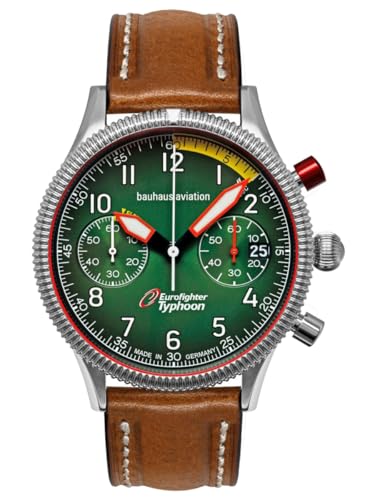


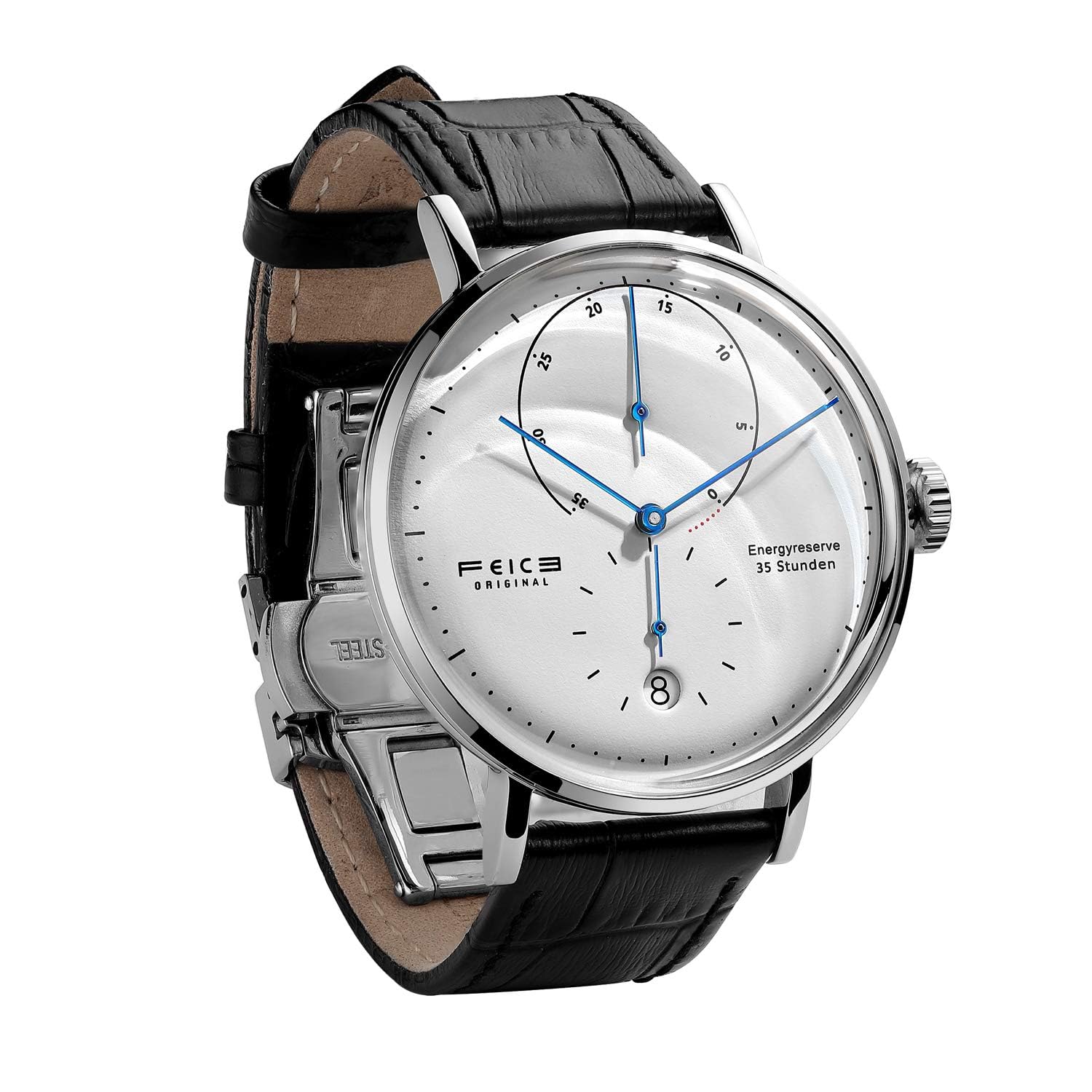

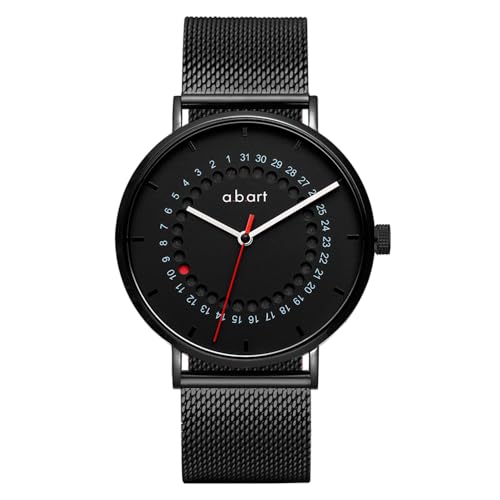
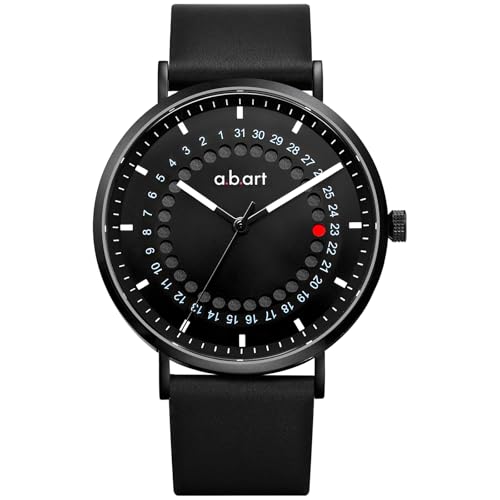
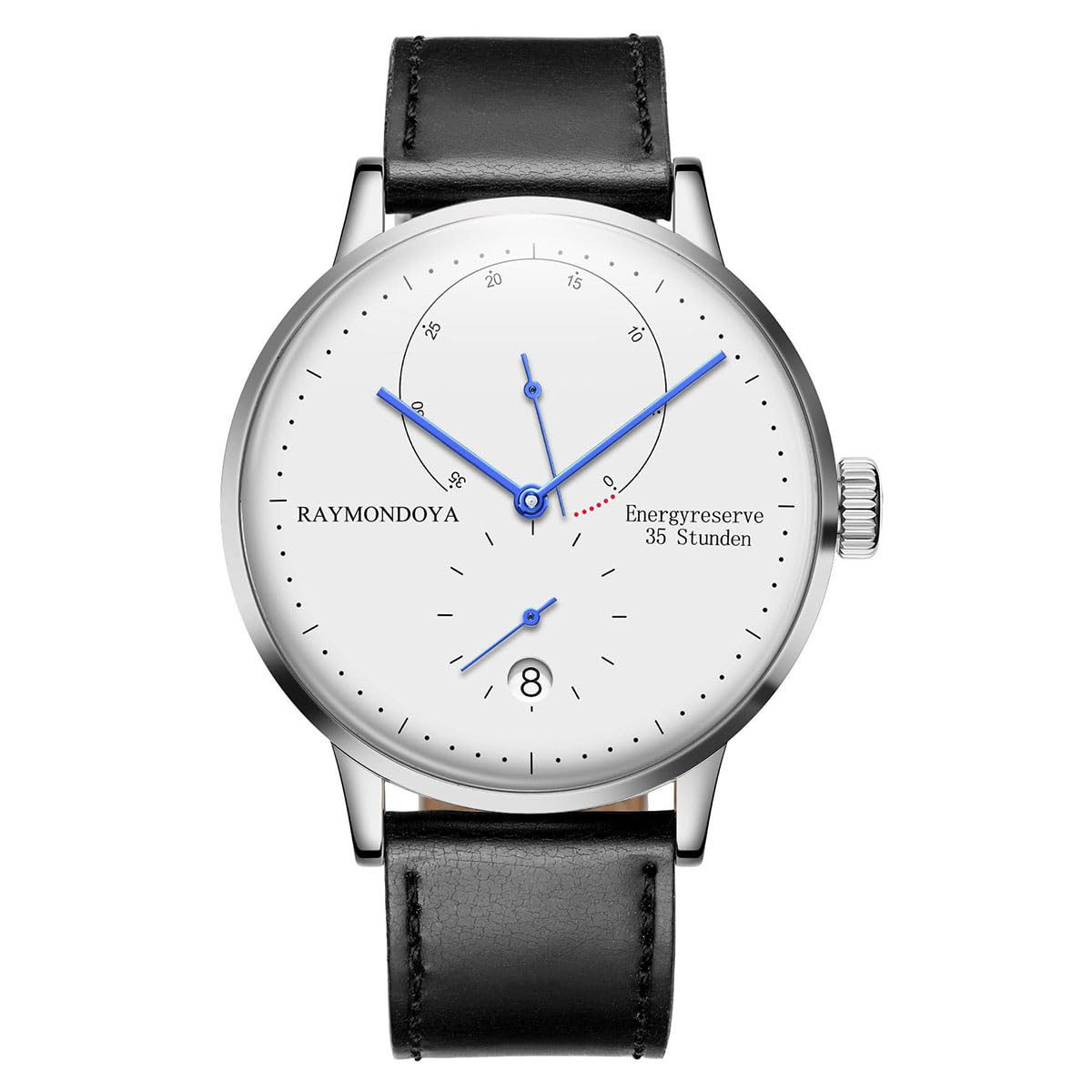
What Three Price Levels Offer
Think of the under $500 market as three levels. Each level below describes a profile rather than a single model, so you can spot the same pattern in any listing in the product table above.
The Entry Level Profile, Around $100 to $250
At this level you get the essential Bauhaus formula done well: a quartz movement, a clean printed dial, a case around 36 to 40 mm, and a leather or mesh strap. This profile suits a first minimalist watch or a buyer who rotates several watches and wants accuracy without any winding routine. Two strengths stand out: slim cases that slide under cuffs, and honest legibility that rivals far pricier dials.
The limit is materials. Crystals are usually mineral glass rather than sapphire, case finishing is simpler under close inspection, and water ratings often stop at 30 meters. None of that prevents daily enjoyment, and many buyers who start here never feel a need to climb higher. If you are comparing this band with the wider market, our guide to the best watches under 500 shows how Bauhaus models trade features against other styles at the same money.
The Mid Budget Profile, Around $250 to $350
The middle level is where build quality jumps. Expect sapphire crystals on many models, better dial printing with crisper edges, straps that need no immediate upgrade, and warranties that stretch to two years or more. Some watches at this level add an automatic movement while keeping the case reasonably slim. This profile suits a daily wearer who wants one watch to handle work, weekends, and travel without fuss.
Its strengths are durability and finish: the watch resists scratches, feels solid on the crown, and keeps its calm look for years. The limit is choice, since fewer makers compete here and case sizes cluster around 38 to 40 mm. Buyers with very small wrists should check lug to lug length carefully at this level before committing.
The Upper Budget Profile, Around $350 to $500
Near the cap, your money buys craft details: an automatic or high accuracy quartz movement, a sapphire crystal front and sometimes back, finer polishing, and service support that treats the watch as a long term possession. This profile suits a buyer who wants a single minimalist watch for a decade, values mechanical movement feel, and notices small finishing differences every day.
The limit is value math. The dial tells time no better than the mid budget profile, so the extra spend rewards touch and longevity rather than function. If those qualities matter to you, the jump is rational. If you mainly want the look for occasional wear, the entry level delivers most of the experience for far less money.
How to Choose the Best Bauhaus Watches: Buying Guide
Set your expectations first, then judge movements, features, brand support, straps, and fit. Buyers comparing the best bauhaus watches under 500 options on specs alone often miss how much case fit changes daily comfort, so save real attention for the sizing section.
What You Can Realistically Get Under $500
Under $500 you can honestly expect a named movement, a sapphire crystal at mid prices and above, solid case finishing, and a two year warranty. You should not expect precious metals, complex complications, or investment grade resale returns, and any listing that implies them deserves suspicion. The style helps your budget, because a plain dial and simple case cost less to make well than a crowded sports design.
Do not save money on legibility or case comfort, since you feel those daily. It is safe to save on the strap, because straps are wear items you will replace anyway, and on packaging and brand story, which add nothing on the wrist. Around $250 to $350 is the sweet spot where most buyers stop finding real gains.
Movement Type
Quartz gives you the slimmest cases, the lowest prices, and accuracy within seconds per month, with a battery change every two to three years. Automatic movements add a sweeping seconds hand and mechanical appeal, cost more, and need steady wear to stay wound, with service every five to seven years. Solar removes battery changes but limits dial materials, since light must reach the cell beneath.
Smart movements do not belong to this style, as covered in the types section below. For most buyers under $500, the honest contest is quartz versus automatic. Choose quartz for set and forget ease, and automatic if the ritual of a mechanical watch is part of the pleasure you are paying for.
Smart and Fitness Features
Bauhaus watches offer no GPS, no heart rate tracking, and no phone alerts, and that absence protects the design. The dial stays readable, the battery or movement lasts for years rather than days, and nothing on the watch becomes obsolete when an app shuts down. If a listing advertises fitness tracking inside a Bauhaus case, it is describing a fashion smartwatch with a minimalist face, not this style.
Treat that clarity as a benefit when you compare value. Money that other styles spend on sensors goes here into crystals, movements, and finishing. Buyers who need training data usually solve the problem with a separate tracker worn during workouts, then enjoy a calm analog watch for the rest of the day.
Brand Reputation, Warranty, and Value
Favor makers that publish full specifications, name the movement inside, and offer at least a two year warranty with service available in the United States. A brand with a steady record in minimalist watches is more likely to stock crystals, crowns, and straps for your model years later. Anonymous sellers with shifting names make warranty claims hard to use, however low the price looks.
Value under $500 is best judged as cost per year of wear. A watch at around $300 worn daily for ten years costs less per day than a watch at around $120 replaced twice in the same span. Keep your receipt, note the movement caliber from the manual, and servicing stays simple wherever you live.
Strap and Bracelet Options
Most models use 18 to 20 mm straps, and standard lugs keep replacements cheap. Leather suits formal wear and softens the strict dial, fine mesh metal adds a cooler modern note, and plain fabric works for summer. Quick release spring bars let you swap straps in seconds without tools, which effectively gives you several watches from one case.
Judge the supplied strap honestly, because many buyers replace it within a year. Budget around $20 to $40 for a quality leather strap if the included one feels stiff or plasticky. Check that the buckle tone matches the case, and avoid straps that only fit one maker, since proprietary fittings raise replacement cost and limit your color choices later.
Case Size and Wrist Fit
The classic range is 36 to 40 mm, and the open dial makes each size wear larger than the number suggests. Lug to lug length decides real fit: keep that span within the flat width of your wrist so the case does not overhang. Thickness runs about 7 to 9 mm for quartz and 11 to 13 mm for many automatics, which matters under fitted shirt cuffs.
Smaller wrists usually land on 36 to 38 mm, while larger wrists can carry 40 to 42 mm without breaking the calm proportions. If you shop for an automatic, our guide to the best watches under 500 automatic explains how movement choice affects thickness and service cost across this budget. When torn between two sizes, pick the smaller one; Bauhaus dials reward restraint.
Types of Bauhaus Watches
Automatic Watches
Automatic Bauhaus watches pair the clean dial with a self winding mechanical movement. They suit daily wearers who enjoy craft and accept service costs and slight time drift. Cases run thicker, and prices start higher, but the sweeping seconds hand and the absence of battery changes give them lasting charm for owners who wear them most days.
Quartz Watches
Quartz models are the natural home of this style: slim, accurate, affordable, and ready after weeks in a drawer. They suit buyers who want the look with zero routine beyond a battery change every few years. If you own several watches and rotate them, quartz removes the small daily chore of winding and resetting that automatics demand.
Smartwatches
Smartwatches can wear a minimalist face, but the resemblance ends at the picture on the screen. Notifications, sensors, and daily charging pull against every Bauhaus principle. Choose one only if fitness and phone features matter more than the design itself, and understand that you are buying a small computer, not a lasting piece of minimalist craft.
Solar Watches
Solar models charge through the dial and run for months on a full charge, which suits buyers who dislike battery waste and shop visits. The dial must pass light, so pure white dials are rarer and printing can look slightly softer. For a watch worn outdoors often, solar power is a practical and quiet match for the minimalist spirit.
Setup and Care Tips
- Set the date away from the late evening hours, when many movements are mid change and damage is possible if you force the crown.
- Service automatic watches every five to seven years, or sooner if timekeeping drifts beyond what the maker states as normal.
- Rinse the case with clean water after any saltwater exposure, then dry it fully with a soft cloth before storing.
- Store the watch away from magnets such as speakers and bag clasps, which can disturb a mechanical movement and ruin its accuracy.
- Rotate straps to reduce wear, letting leather rest and dry between wears instead of staying damp against your wrist.
- Keep the watch in a dry, padded box rather than a bathroom shelf, since steam and daily humidity age seals and leather alike.
Frequently Asked Questions
Can you get a good Bauhaus watch under $500?
Yes, and $500 is more than enough for the style done properly. By around $250 to $350 you can expect a sapphire crystal, a named movement, and clean finishing. Spending beyond that buys finer detail and longer service support rather than a better looking dial. The main risk at any price here is vague specs, so buy from listings that name the movement and crystal plainly.
Quartz or automatic: which is better under $500?
Quartz is better for most buyers because it is slimmer, more accurate, and cheaper to own. Automatic is better if you value mechanical craft and wear the watch daily to keep it wound. Your budget stretches further with quartz, often reaching sapphire crystal money. Neither choice changes the dial, so let your routine, not fashion, make the call.
How water resistant should a Bauhaus watch be?
A rating of 50 meters covers daily life, including rain and splashes, while 30 meters means splash care only. Most Bauhaus watches are not swim watches, and their slim seals reflect that. If swimming with your watch is a real priority, a purpose built design serves you better, and our guide to the best dive watches under 500 covers that job at the same budget.
How long does a watch battery last in a Bauhaus watch?
Expect two to three years from a typical quartz battery, sometimes four in slim movements with no extra features. Replace it as soon as the watch stops or the seconds hand begins jumping in steps, which many movements use as a low power signal. A prompt change protects the movement from leaks and gives a shop the chance to inspect the water seal.
Is a smartwatch worth it over a classic Bauhaus watch?
It is worth it only if alerts, GPS, and health data matter more to you than a calm dial and years of low effort ownership. A smartwatch asks for daily charging and ages with its software support. A classic Bauhaus watch asks for almost nothing and still looks right decades later. Many people own both and simply wear each where it belongs.
What case size fits my wrist for a Bauhaus watch?
Start with 36 to 40 mm and let lug to lug length confirm the fit against your wrist width. The open dial wears large, so smaller wrists often prefer 36 to 38 mm even if other styles led them to bigger cases. Check thickness too if you wear fitted cuffs. A watch that sits flat and centered will look correct at almost any size in that range.
Our Verdict
Spend first on legibility, crystal, and fit, and let the movement choice follow your routine. Entry level quartz profiles deliver the look honestly, mid budget models add durability, and upper budget automatics reward daily wearers with craft. Compare your shortlist against the product table, and choose the best bauhaus watches under 500 profile that you will still enjoy wearing years from now.