Best Bauhaus Style Watches for 2026: What Actually Matters Before You Buy
Disclosure: We may earn a commission when you buy through links on this page, at no extra cost to you. As an Amazon Associate I earn from qualifying purchases. Learn more

Learn how to judge the best bauhaus style watches by movement, case size, crystal, and strap, with a simple checklist and clear red flags to avoid.
Bauhaus design promises calm, honest watches: clean dials, clear numerals, and nothing on the face that does not earn its place. In practice, plenty of watches borrow the look while cutting corners on the movement, crystal, or case finish. This checklist first guide shows you how to judge the best bauhaus style watches by the specs that decide daily satisfaction.
Use the product table for a fast scan of the watches covered here, then work through the evaluation criteria in order. If you want the broader category view as well, our guide to the best bauhaus watches explains how this style family developed and where it overlaps with other minimalist designs.
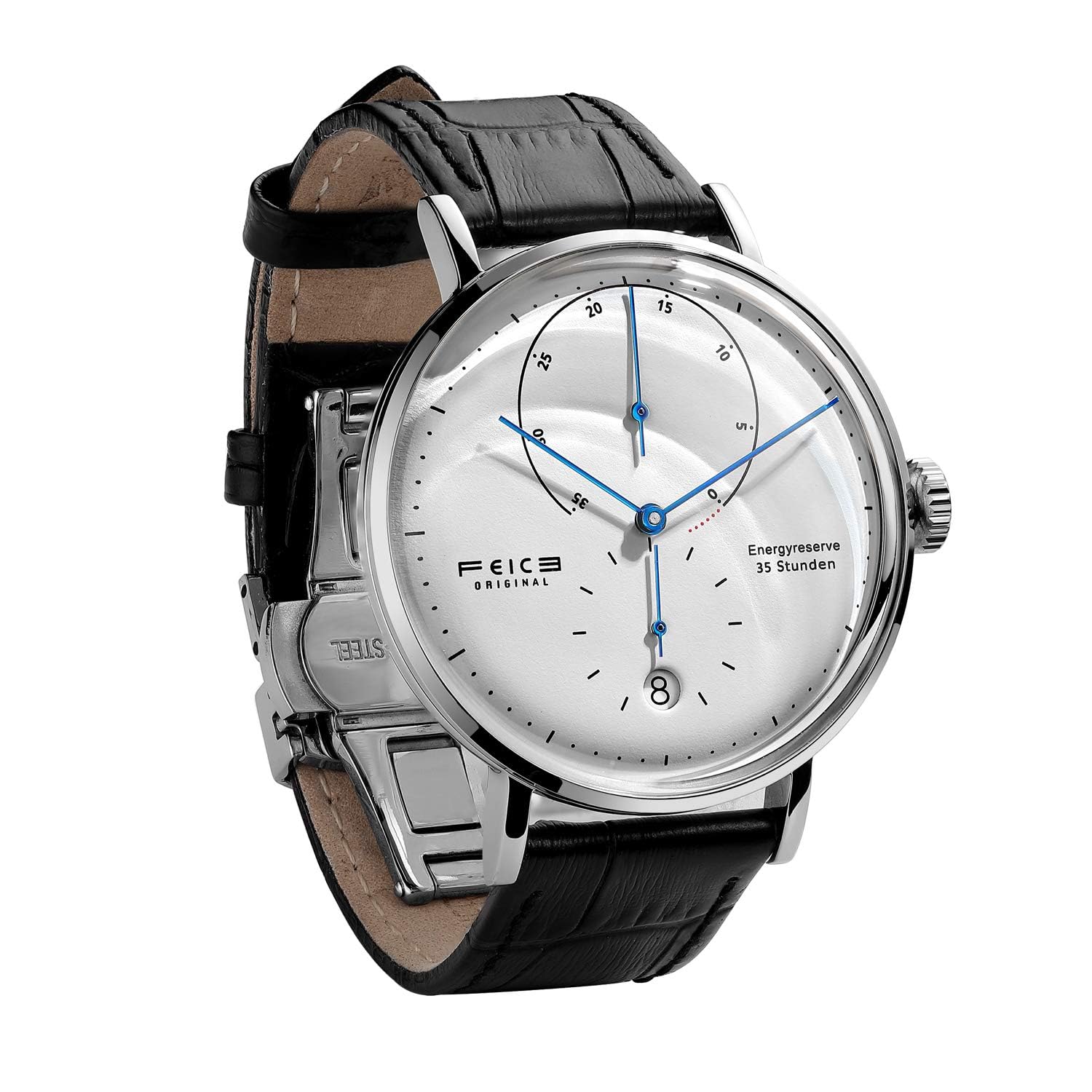


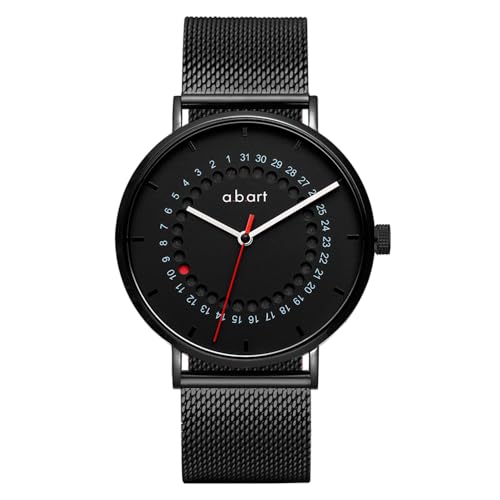
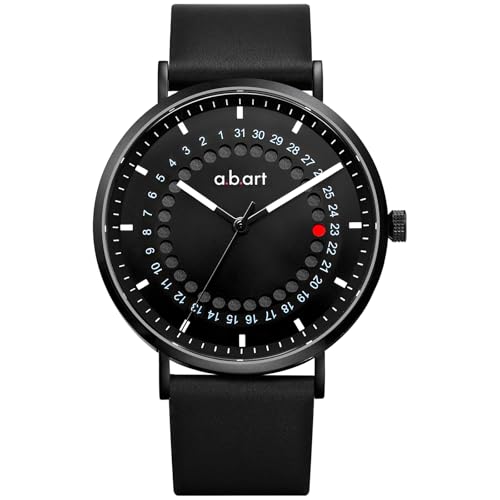
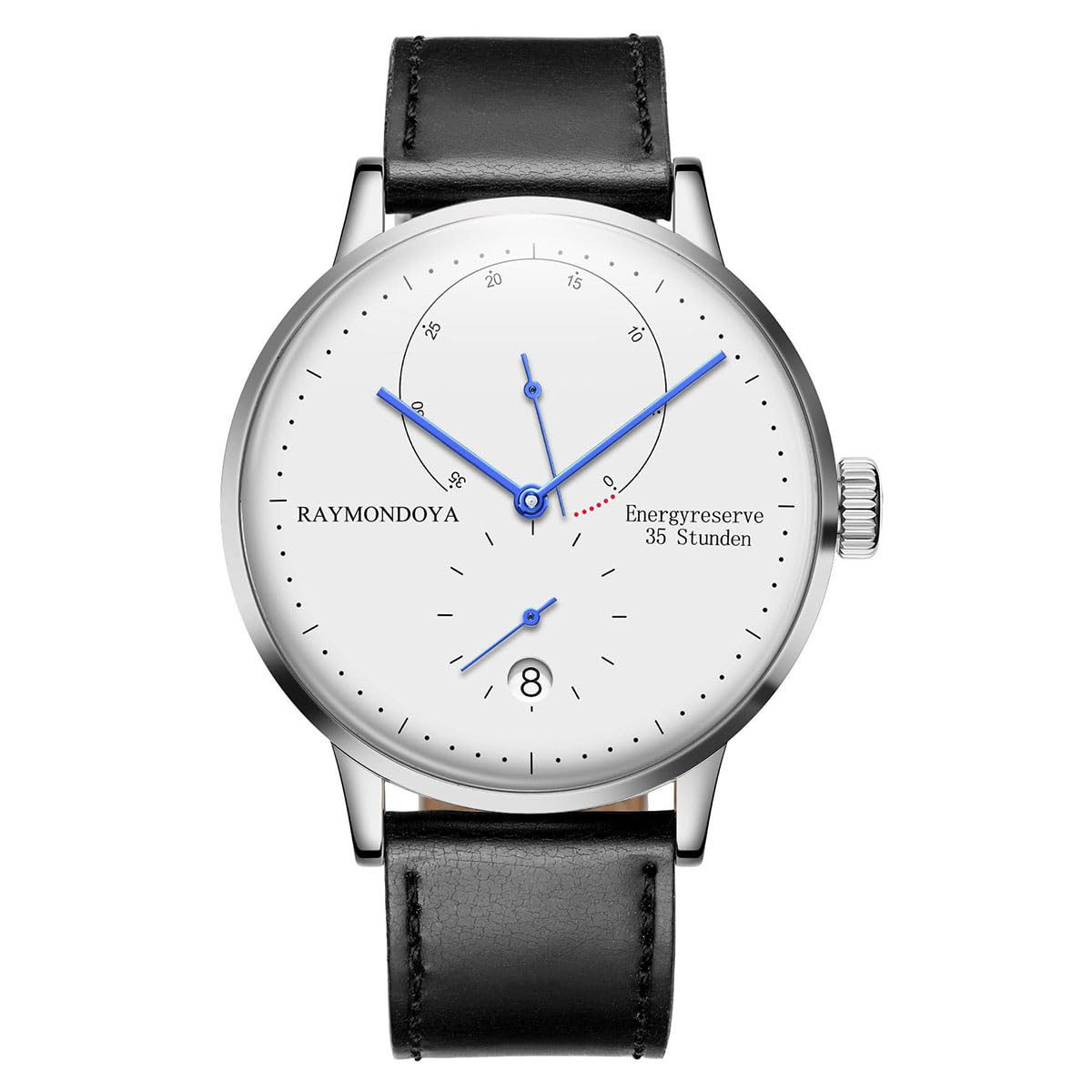

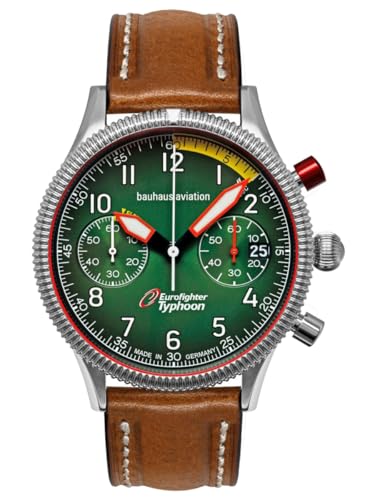


How We Evaluate Bauhaus Style Watches
Score each watch against the seven criteria below. A strong Bauhaus watch does not need to win every category, but it should never fail on legibility, case fit, or basic build quality, because those three shape every hour you wear it.
Movement Type
Quartz movements lead this style because they stay slim, accurate, and affordable, and a good quartz watch gains or loses only a few seconds a month. Automatic movements add mechanical charm and a smooth sweeping seconds hand, but they cost more, run thicker, and need regular wear or winding to stay on time. Solar movements suit buyers who dislike battery changes, though dials must let light through, which can soften the pure white look Bauhaus fans want.
Judge the movement by your habits. If the watch will sit in a drawer between wears, quartz or solar wins. If you enjoy mechanical craft and wear the watch daily, an automatic inside a case under 40 mm can still honor the style.
Strap and Bracelet Options
A Bauhaus watch lives on simple straps: smooth leather, fine mesh metal, or a plain fabric strap in a quiet color. Quick release spring bars matter more than strap variety, because they let you swap from leather for work to fabric for weekends without tools or scratches. Strap width is usually 18 to 20 mm, and standard sizing keeps replacement straps cheap and easy to find.
Check the buckle finish against the case finish, since a mismatched buckle is a common corner cut. Leather should feel supple with even stitching, and mesh should slide smoothly without sharp edges. A watch that only accepts straps from its own maker limits your options and raises long term cost, so favor standard lugs.
Smart and Fitness Features
True Bauhaus watches have no smart features, and that restraint is the point. There is no GPS, no heart rate sensor, and no notification screen, because the design values a quiet dial you read at a glance. A watch that adds a small digital display or fitness tracking has already left the style, however useful those tools may be on their own.
If you need health or training data, wear a dedicated device on the other wrist or choose a different watch style entirely. Do not let a seller convince you that a touchscreen with a minimalist watch face is a Bauhaus watch. The case shape, dial printing, and hands decide the style, not the wallpaper on a screen.
Brand Reputation, Warranty, and Value
Look for a warranty of at least two years, a clear service path in the United States, and a maker that publishes full specs instead of vague claims. Brands with a long record in minimalist watches tend to support older models with straps, crystals, and movement service for many years. Value in this style comes from finish quality per dollar, not from long feature lists.
Resale value is modest for most fashion priced pieces, so buy the watch you will wear rather than one you hope will gain value. A slightly higher price from a maker with real service support usually beats a bargain from a seller who lists no address, no warranty terms, and no named movement inside the case.
Legibility and Style
Legibility is the heart of the style. Hands should contrast sharply with the dial, numerals or simple indexes should be large enough to read without effort, and the seconds hand should reach the minute track it points to. Lume is often minimal or absent on dress leaning models, so judge these watches by daylight clarity first and treat glow as a bonus on sportier versions.
Style should stay quiet: a round case, a flat or gently domed crystal, and no decorative clutter. If you prefer a rectangular case with similar restraint, our guide to the best tank style watches covers that neighboring style. A Bauhaus dial that shouts with logos, colors, or oversized text has missed the assignment, whatever the listing claims.
Water Resistance Rating
Most Bauhaus watches carry a rating of 30 to 50 meters, which means splash resistance for hand washing and rain, not swimming. A rating of 100 meters adds real swim safety and usually a more secure crown, but it can thicken the case and move the design away from the slim dress profile. Read ratings honestly: 30 meters describes a pressure rating, not a depth you should dive to.
For daily wear with occasional rain, 50 meters is a comfortable target that keeps the case slim. If you plan to swim with the watch on, step up to 100 meters and accept the slightly firmer crown and thicker case. Never open or adjust the crown near water, and have seals checked when the battery or movement is serviced.
Case Size and Wrist Fit
The classic Bauhaus case runs 36 to 40 mm, and that range flatters most wrists because the dial is open and the lugs are short. Measure your wrist, then compare the lug to lug length, since that span decides whether the case overhangs. Thickness matters too: quartz models often sit around 7 to 9 mm and slide under a shirt cuff, while automatics may reach 11 to 13 mm.
On a smaller wrist, a 36 to 38 mm case with short lugs keeps the dial centered and the strap angled down for comfort. On a larger wrist, 40 to 42 mm avoids the watch looking lost. When in doubt, choose the smaller size, because an open white dial wears visually larger than its numbers suggest.
Three Watch Profiles That Pass the Checklist
Instead of naming individual models, use these three profiles to recognize the right watch when you see one in the product table. Each profile passes the checklist in a different way.
The Everyday Profile
This profile pairs a quartz movement, a 38 mm case, a sapphire or hardened mineral crystal, and a leather strap with quick release bars. It suits daily wear because it stays accurate without attention, fits under cuffs, and reads clearly in any light. Prices often fall around $100 to $250. Its limit is a basic water rating, so treat it as a splash safe watch rather than a swim watch, and expect a battery change every two to three years.
The Value Profile
The value profile keeps the same clean dial and case discipline but trims cost through a mineral crystal, a simpler strap, and a smaller marketing budget behind the brand. Expect to pay around $50 to $120. The dial printing, hand length, and case finish should still pass every legibility check, because those cost little to do well. Where you may feel the saving is strap quality, so budget around $20 to $40 for a better strap and the watch will feel a class above its price.
The Premium Profile
The premium profile adds an automatic or high accuracy quartz movement, a sapphire crystal, finer case polishing, and a two to five year warranty, usually around $300 to $600. The gains are tactile: smoother crown action, crisper dial printing under magnification, and a strap that needs no upgrade. Its limit is value for money if you only need the look, since the dial tells the same time as the value profile. Buy this tier for craft and long service life, not for extra functions.
Quick Buyer Checklist
Run through these questions before you pay. A yes on every line means the watch fits the style and your wrist.
- Can you read the time instantly in bright and dim light?
- Is the case between 36 and 42 mm with no lug overhang on your wrist?
- Is the movement type named clearly, quartz, automatic, or solar?
- Does the crystal material appear in the specs, ideally sapphire at higher prices?
- Are the lugs a standard width so straps are easy to replace?
- Is the water rating at least 30 meters, and do you understand its limits?
- Does the warranty run two years or longer with service in the United States?
- Is the dial free of clutter, bright colors, and oversized branding?
Red Flags to Watch For
Walk away when a listing hides the movement maker or describes it with vague words like premium Japanese style movement without a caliber name. Be wary of water claims that pair a 30 meter rating with swimming photos, because the rating does not support that use. Short warranties under one year, reviews that repeat the same phrases, and dial photos that avoid straight on views all suggest a seller hiding weak finishing.
Prices that swing wildly week to week are another warning sign, as is a case size listed without lug to lug length. Fans of aged dials and patina sometimes accept these flaws knowingly, and our guide to the best vintage style watches explains that different trade off. For a new Bauhaus watch, insist on clear specs and honest photos.
How to Make Your Bauhaus Style Watch Last Longer
Service an automatic movement every five to seven years, or sooner if timekeeping drifts noticeably. Rinse the case gently after any saltwater exposure, even though most of these watches should stay out of the sea, and dry it with a soft cloth. Store the watch away from magnets such as bag clasps and speakers, keep leather straps out of water, and rotate straps so each one rests and dries between wears.
Bauhaus Style Watches: Your Questions Answered
How long does a watch battery last in a Bauhaus style watch?
Most quartz batteries last two to three years, and slim movements sometimes reach four. A seconds hand that jumps every few seconds is a common low battery signal on many movements. Replace the battery promptly, because a dead battery left inside for years can leak and damage the movement. A watch shop can usually change it in minutes and check the seal at the same visit.
Is a smartwatch worth it over a classic Bauhaus watch?
Only if you value notifications, GPS, and health tracking more than a quiet dial. A smartwatch needs charging every day or two and its screen will age out of support within years. A classic Bauhaus watch asks almost nothing of you and stays in style for decades. Many owners keep both and wear each for its own job rather than asking one watch to do everything.
What case size fits my wrist for a Bauhaus watch?
Most wrists suit 36 to 40 mm in this style because the open dial wears large. Measure across your wrist where the watch sits: if the lug to lug span stays within that width, the case will sit centered. Slim wrists under about 6.5 inches usually prefer 36 to 38 mm. Try the watch with a shirt cuff if you dress formally, since thickness decides cuff comfort.
How water resistant should a Bauhaus watch be?
A rating of 50 meters suits daily life well, covering rain, splashes, and brief immersion at the sink. Choose 100 meters only if you truly plan to swim, accepting a thicker case. Whatever the rating, push in the crown fully before any water contact and never operate it while wet. Have the seals inspected at each battery change or movement service to keep the rating honest.
Quartz or automatic: which is better for a Bauhaus watch?
Quartz is better for most buyers because it keeps the case slim, the price fair, and the time accurate with no winding routine. Automatic suits buyers who enjoy mechanical craft and wear the watch daily. Neither changes the dial design, so decide by your habits and budget. If the watch will be an occasional dress piece, quartz waiting ready in the drawer beats an automatic that has run down.
Our Verdict
Judge by legibility, fit, and honest specs, in that order. A clean dial in a 36 to 40 mm case with a named movement and a real warranty will satisfy you far longer than a cluttered dial with a longer feature list. Compare the profiles against the product table, and choose the best bauhaus style watches profile that matches your wrist, your routine, and your budget.