Best Batteryless Watches 2026: Automatic and Hand Wound Watches
Disclosure: We may earn a commission when you buy through links on this page, at no extra cost to you. As an Amazon Associate I earn from qualifying purchases. Learn more

Best batteryless watches: compare automatic and hand wound models by movement, size and water resistance.
Most watches today run on a small battery, but a quiet group of watches needs none. Mechanical watches store energy in a spring and release it through gears, and they run for years without a battery change. The best batteryless watches are the automatic and hand wound mechanical models that reward you with craftsmanship, longevity and a smooth sweeping second hand.
The product table above lists automatic and hand wound watches at several price levels. The sections below explain how they work and what to expect from each type, so you can choose one that fits your wrist and habits. Use these checks whenever you compare the best batteryless watches options in the table.


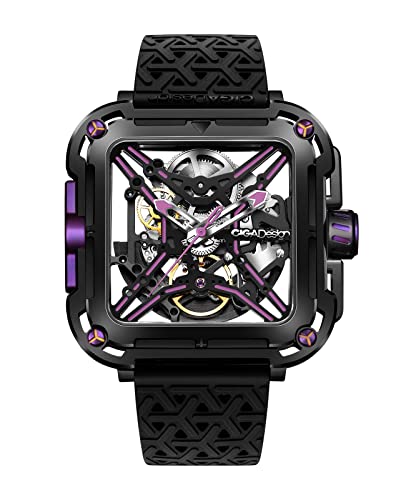


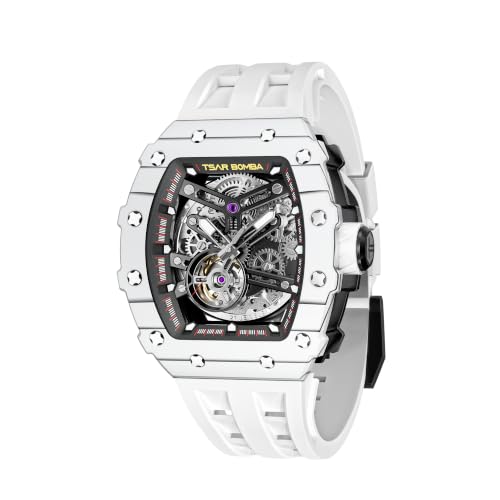


How Batteryless Watches Work
A mechanical watch has a mainspring that stores energy as it is wound. The energy passes through a gear train to an escapement, which releases it in tiny, steady steps and moves the hands. There is no battery, quartz crystal or circuit board.
Hand wound watches
You turn the crown each day to wind the spring. They are slim, traditional and a pleasure to use as part of a morning routine. Overwinding is not a concern on modern watches, since the spring has a stop or a slip clutch.
Automatic watches
A rotor spins as your wrist moves and winds the spring for you. Wear the watch daily, and it will stay wound. If you leave it off for a day or two, it stops, and you set the time and wind it by hand to restart. Most automatics run for around 38 to 48 hours when fully wound, and some offer 70 hours or more.
Other Batteryless Options
Solar powered watches charge from light and store energy in a rechargeable cell, so they avoid battery changes for years. Kinetic watches convert wrist movement into electricity. These are not purely mechanical, but they share the benefit of no routine battery replacement. This guide focuses mainly on mechanical watches, which are the watches people usually mean by the term.
Price Tiers
Affordable automatics
Watches in the $30 to $150 range exist, often with simple movements. They are fun entry points, though accuracy and finishing vary.
Entry level brand names
From about $200 to $500, you find well known Japanese and European brands with reliable movements, sapphire or hardened glass and solid cases. These are the best value for most buyers.
Premium and luxury
Above $1,000, watches offer finer movements, better materials and more complex finishing. Price rises quickly with brand name and complications.
Features to Compare
- Movement: look for a reputable automatic movement, and check the power reserve.
- Case size: 36 to 42 mm suits most wrists. Check lug to lug length on small wrists.
- Crystal: sapphire resists scratches. Mineral glass costs less. Acrylic is vintage style.
- Water resistance: 50 meters handles splashes, while 100 to 200 meters suits swimming.
- Display back: a clear case back lets you see the movement.
- Strap: leather, steel bracelet, nylon or rubber, each with different comfort and look.
- Accuracy: expect a few seconds of drift per day, which is normal for mechanical watches.
Caring for a Mechanical Watch
Wind or wear the watch regularly. Keep it away from strong magnets, which can affect timekeeping. Avoid shocks and extreme temperatures. Have the watch serviced every five to ten years, since oils dry out over time. Rinse with fresh water after exposure to seawater if the case is water resistant, and make sure the crown is fully closed before getting wet.
Common Mistakes to Avoid
- Expecting quartz accuracy.
- Choosing a large case that overwhelms a small wrist.
- Ignoring the water resistance rating.
- Forgetting that unworn automatic watches stop.
- Buying an unbranded movement with no service options.
Frequently Asked Questions
Do mechanical watches need batteries?
No. They run on a wound spring.
How accurate are they?
Typically within a few seconds per day, depending on the movement and your habits.
How long does an automatic watch keep running when off the wrist?
About one and a half to three days, depending on the power reserve.
Can I swim with one?
Only if it is rated for it. Look for 100 meters or more and a screw down crown.
Are they worth the price?
If you value craftsmanship and longevity, yes. A quartz watch is cheaper and more accurate.
Choosing a Style
Dive and sport watches have a rotating bezel, strong lume and high water resistance, and they are the most versatile everyday option. Field watches have simple, legible dials and a tough case, which suits casual wear and outdoor use. Dress watches are slim with a clean dial and a leather strap, and they slip under a cuff. Skeleton watches show off the movement through a cut out dial, which is eye catching but less legible. Think about where you will wear the watch most, then pick a style that fits.
Strap and Fit
A good strap changes a watch. Steel bracelets are durable and suit most occasions, but they are heavier. Leather straps are comfortable and dressy, but they dislike water. Nylon and rubber straps are casual and handle sweat well. Most watches use standard lug widths, such as 20 or 22 mm, so replacement straps are easy to find. Check the fit by measuring your wrist, and choose a case that does not extend past the edge of your wrist bone.
Why People Choose Mechanical Over Quartz
Quartz watches are cheaper, more accurate and need little attention beyond a battery change every few years. Mechanical watches, on the other hand, are appreciated for their craft, their smooth hand movement and the connection they give you to a centuries old tradition. They also last, and many can be passed down in a family. If you want a watch you can wear and forget, quartz is practical. If you want something with character, a batteryless watch is a worthy choice.
Setting and Wearing a Mechanical Watch
Set the time by pulling the crown out and turning it, and avoid changing the date while the hands are between 9 pm and 3 am on watches with a quick-set date, since that can strain the mechanism. Wind a hand wound watch gently until you feel resistance. Take the watch off for heavy impact activities, such as tennis or hammering, to protect the movement.
Final Thoughts
Pick a size and style you will enjoy wearing, choose a trustworthy movement and plan on an occasional service. The best batteryless watches are the mechanical models that run for decades, and they make a lasting purchase. Compare the watches in the product table, and see the guide to the best quality watches for more ideas.