Best Battery Heated Slippers: A Buying Guide for 2026
Disclosure: We may earn a commission when you buy through links on this page, at no extra cost to you. As an Amazon Associate I earn from qualifying purchases. Learn more

Learn how to choose the best battery heated slippers with checks for heat settings, battery life, fit, traction, safety and lasting comfort at home.
Cold floors can make the whole house feel chilly, even when the heating is on. Battery heated slippers warm your feet directly and let you move from room to room without a cord. Choosing the best battery heated slippers comes down to heat control, battery life, and a fit that stays secure on stairs.
This guide turns the choice into clear criteria. You will learn what each price level should deliver, how the main styles differ, and how to care for the batteries, then you can check the product table against your own floors and habits.
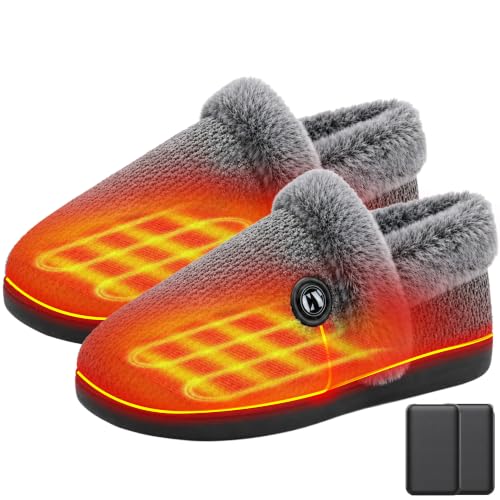

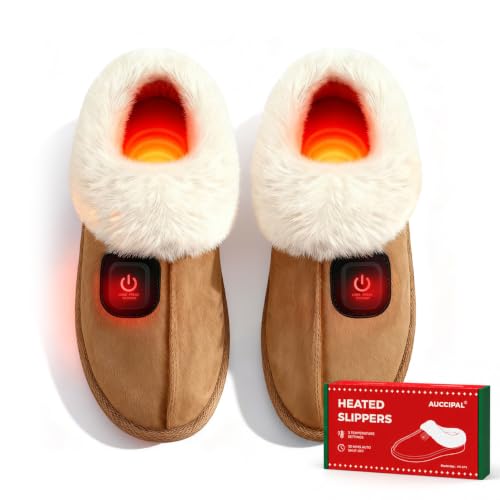

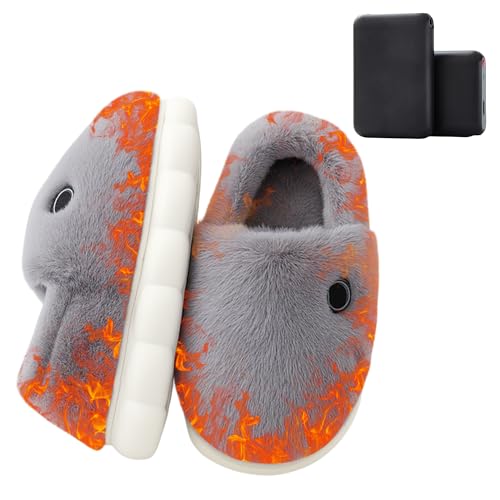

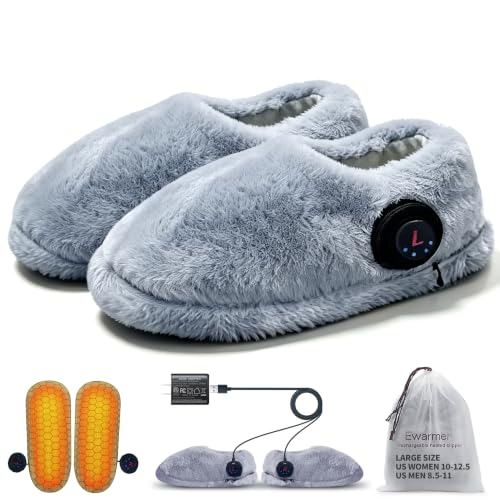
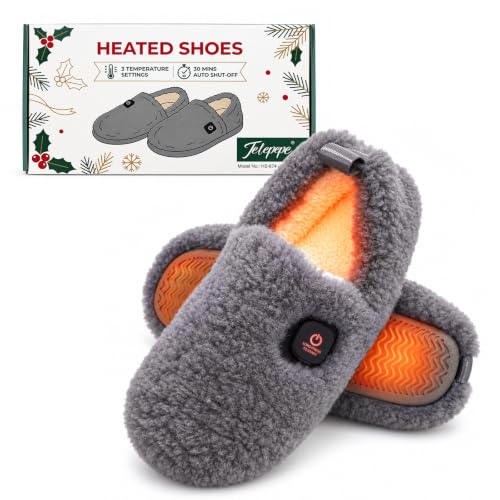

Three Levels at a Glance
No single design suits every home. Use these three levels as buying criteria, noting who each suits, what strengths to demand, and what limit to accept at that level.
Daily Wear Level
Choose this level for daily wear through winter. Demand at least three heat settings, a battery that lasts about 4 to 6 hours on a medium setting, and a closed heel that keeps the slipper on when you walk quickly. A firm rubber outsole and washable liners, with the battery removed, are strong pluses. Expect to pay around $70 to $120. The strength is steady warmth with safe walking grip. The limit is charging discipline, since a forgotten charge means a cold morning.
Occasional Use Level
Choose this level for occasional use, a spare pair for guests, or a first try at heated footwear. Look for two or three heat settings, about 3 to 4 hours of warmth on medium, and a simple slip on shape with a decent indoor outsole. Prices often sit around $40 to $70. If you mainly sit while wearing them, compare corded options in our guide to the best electric heated slippers, which can cost less to run. The limit here is a smaller battery and thinner cushioning for long standing.
Long Runtime Level
Choose this level if your feet are cold for comfort reasons, you work in a cold home office all day, or you want the longest runtime. Look for larger batteries giving about 6 to 8 hours on low, fast charging, replaceable battery packs, and premium insulation that keeps warmth in without bulk. Prices often run around $120 to $180. The strength is all day comfort and parts you can replace instead of replacing the pair. The limit is weight, since bigger batteries make each step feel heavier.
How to Choose the Best Battery Heated Slippers: Buying Guide
Work through fit first, then the sole and support, then heat and power. A warm slipper that slips off or flattens in a month is not a bargain at any price.
Fit, Sizing, and Toe Box
Measure your feet in the afternoon, when they are at their largest, and compare the length in inches or centimeters to the size chart rather than trusting your shoe size alone. Heated slippers should feel snug at the heel with wiggle room for toes, since a loose heel makes the heating element shift away from your foot. A wide toe box helps if you wear thick socks or have bunions. If you fall between sizes, size up when the brand allows free returns, because tight slippers restrict circulation and can feel colder, not warmer.
Weight and Flexibility
Battery packs add weight, usually in a pocket at the ankle or side. A good design balances that weight so the slipper does not flop or drag. The sole should flex at the forefoot for a natural step but stay firm enough that you do not feel every small object through it. Very stiff soles suit garage or workshop floors, while flexible soles feel better for lounging. Lift and walk in them if you can, or check the stated pair weight, with lighter pairs often around 1.5 lb and heavy boot styles closer to 2.5 lb.
Outsole Traction and Terrain
Most wear happens indoors, so judge the outsole for wood, tile, and kitchen spills. Look for rubber, not smooth foam, with a patterned tread that grips when floors are damp. Shallow lugs are plenty inside and keep the slipper quiet, while deeper tread helps for quick trips to a porch or mailbox. Avoid hard plastic soles on stairs, since they can skate on carpet edges. If you plan outdoor steps in rain, choose a sealed sole unit and keep the battery pocket away from puddle splash.
Cushioning and Support
Cushioning matters when you stand to cook or work. A moderate foam layer with some arch support beats a flat thin insole, especially for plantar discomfort during long standing. Heel to toe drop is small in slippers, so focus on stability, a wide base and a heel cup that keeps your foot centered over the warm zone. Removable insoles are useful if you use your own orthotics, but confirm the fit still closes properly. People with diabetes or reduced feeling in their feet should talk with their clinician before using heated footwear, since heat you cannot feel well can injure skin.
Water Resistance and Warmth Retention
True waterproof membranes are rare in slippers and are not needed for most homes. What you need is a water resistant upper that shrugs off a kitchen splash and insulation that traps warm air around the foot. Closed boot styles retain heat best, while open back styles lose warmth each time you lift your foot. Check how the heating zones are placed, toes and forefoot coverage matters more than heel only heat, because toes chill first. If you prefer heat without batteries for short seated use, our guide to the best microwave heated slippers explains that simpler option.
Upper Materials and Breathability
Uppers range from soft fleece and knit to suede and wool blends. Fleece feels cozy at once and dries fast, knit stretches for swollen feet late in the day, and suede looks smarter for guests but needs more care. Breathability still matters with heat, since trapped sweat can make feet feel clammy and then cold when you switch the heat off. Look for linings that wick moisture and for care labels that allow washing once batteries are removed. For shared household shopping, gender specific fits differ, so see our guides to the best heated slippers for women and the best heated slippers for men for sizing notes.
Types of Battery Heated Slippers
Open Back Slip On Styles
These slide on fast and suit quick trips to the kitchen or bathroom. They feel light and airy, but heat escapes at the heel and they can slip on stairs. Choose them for mostly seated wear and warm rooms where convenience beats maximum warmth.
Closed Back House Styles
These wrap the whole foot and hold the heating element in place as you walk. They are the best all round choice for most homes, balancing warmth, safety on stairs, and ease of use. Choose them for daily wear across mixed floor surfaces.
Boot Styles
Boot styles rise above the ankle, trap more warmth, and often carry larger batteries. They suit very cold houses, cabins, and people whose ankles chill easily. The trade off is bulk and weight, and they can feel too warm in a well heated home. Choose them when cold is the main problem.
Sock Styles
Heated sock styles are thin, flexible, and fit inside loose house shoes or boots. They give close contact heat and pack small for travel. They wear faster than slippers with real soles and offer little cushioning or grip alone. Choose them as a layer, not as your only house footwear, and compare them with the broader options in our guide to the best heated slippers.
Care and Maintenance Tips
- Charge smart. Recharge after long use rather than leaving packs empty for weeks, and store them about half charged during summer to protect battery health.
- Wash with care. Remove batteries and cables first, follow the label, and air dry away from direct heat so wiring and foam keep their shape.
- Inspect monthly. Check pockets, cables, and connectors for wear, and stop using a pack that swells, overheats, or smells unusual, then contact the maker.
- Rotate if you can. Alternating two pairs on heavy use days lets foam recover and spreads wear across the soles.
- Keep soles clean. Wipe grit from the tread weekly, since embedded grit scratches wood floors and reduces grip on tile.
FAQs
How should battery heated slippers fit?
They should fit snug at the heel and midfoot with clear space at the toes. Your foot should not slide forward when you walk downhill on a ramp or stairs, and the heating zone should stay under the forefoot. If your toes press the end, size up. A fit that is too loose feels less warm, because air gaps form between your foot and the heated lining.
Are expensive battery heated slippers worth it?
Higher prices are worth it when they buy replaceable batteries, longer runtime, and a real rubber outsole, because those features extend the life of the pair. They are less worth it for light seated use a few evenings a week. Check the cost of spare packs before you buy. A mid priced pair with available spares often beats a costly pair that becomes useless when one battery fails.
Can I wear battery heated slippers all day?
You can wear them for most of the day if you vary the heat and take breaks on the lowest setting or with heat off. Constant high heat can dry skin and drain batteries fast. Stand, walk, and change position regularly, as with any house shoe. If you have poor circulation, nerve damage, or a foot wound, ask your clinician first and check your skin often during wear, since reduced sensation raises burn risk.
How often should I replace my battery heated slippers?
Replace them when the sole is worn smooth, the foam stays flat, or runtime drops to about half of what it was when new despite proper charging. For daily winter use, many pairs last about two to three seasons. Battery packs may need replacement sooner than the slipper body. Keeping a dated note of purchase and first runtime makes the decline easier to judge honestly.
How long is the break in period for battery heated slippers?
Most pairs need only a few days of indoor wear for the foam and upper to shape to your foot. Boot styles with stiffer soles can take about a week. Wear them for short periods first while you learn the heat settings, starting on low. If a hot spot or rub appears in the same place each time, the size or shape is wrong and more wear will not fix it.
Do I need waterproof battery heated slippers?
Most people do not need fully waterproof slippers for indoor use. A water resistant upper and a rubber sole handle kitchen splashes and damp bathroom floors well. Full waterproofing adds stiffness and cost and can trap sweat. Choose it only if you regularly step outside into wet conditions, and even then keep battery pockets and charging ports dry and wipe the pair down after each outing.
The Bottom Line
Put fit and a secure heel first, then match runtime to your longest cold stretch and choose a rubber outsole for safe steps. Those three points matter more than extra heat levels you will rarely use. When a pair meets them, it belongs among the best battery heated slippers for your home. Compare your finalists in the product table, check spare battery prices, and order the level that fits your floors and routine.