
Best Bates Boots in 2026: Matching the Right Model to Your Routine
Disclosure: We may earn a commission when you buy through links on this page, at no extra cost to you. As an Amazon Associate I earn from qualifying purchases. Learn more

Compare the best bates boots by duty, fit, support and waterproofing, so you can pick the right shaft, sole and upper for long shifts on your feet.
There is no single Bates model that suits every job. A boot for polished uniform duty faces different demands than one worn on rough ground or on a motorcycle. The best bates boots for you match your surface, shift length and uniform rules, and you can compare the options in the comparison table below.
Start with how you spend your day. Long hours on hard floors call for cushioning and arch support. Outdoor work calls for grip and weather protection. Riding calls for ankle coverage and a sole that works on pegs.


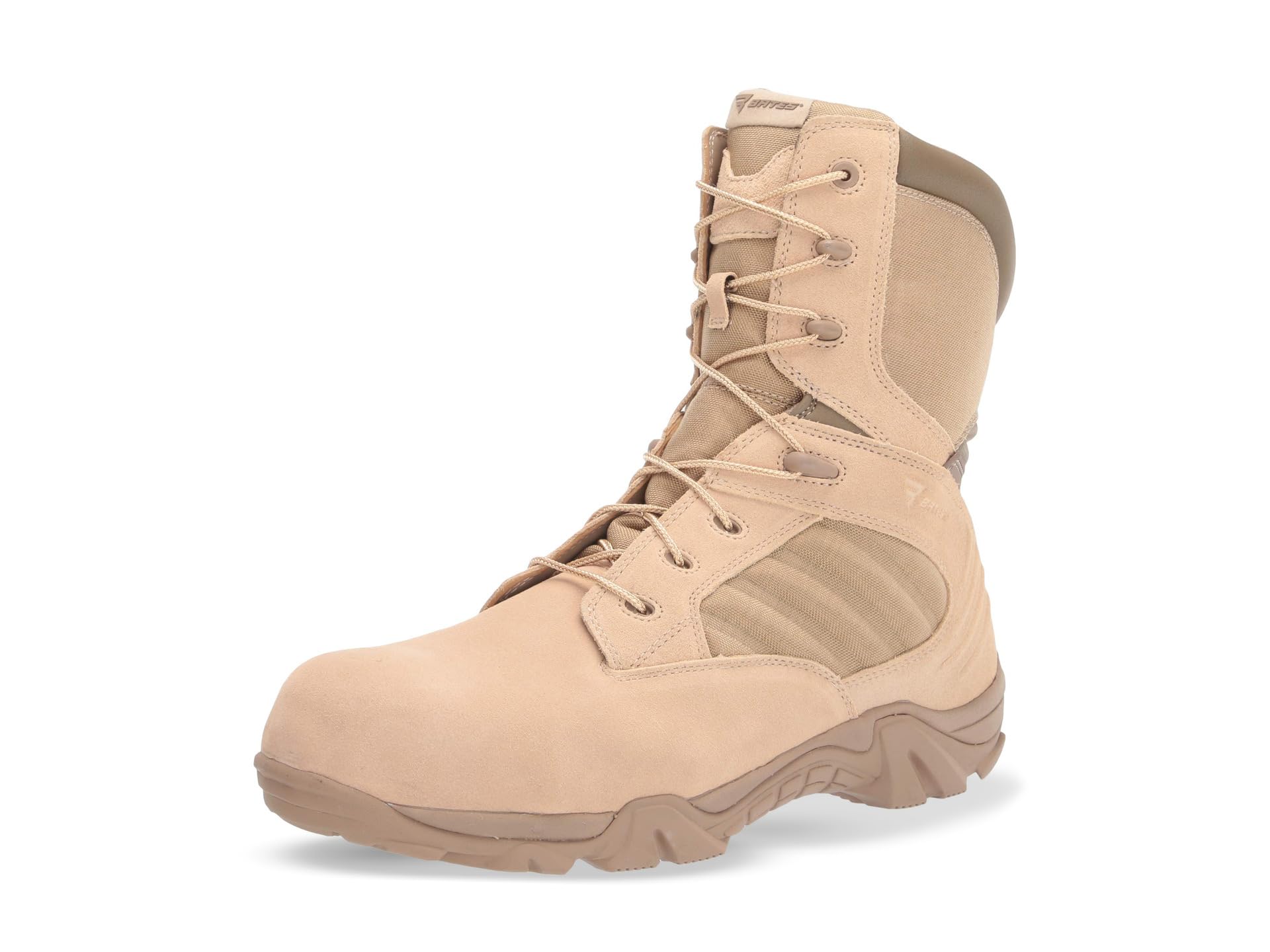

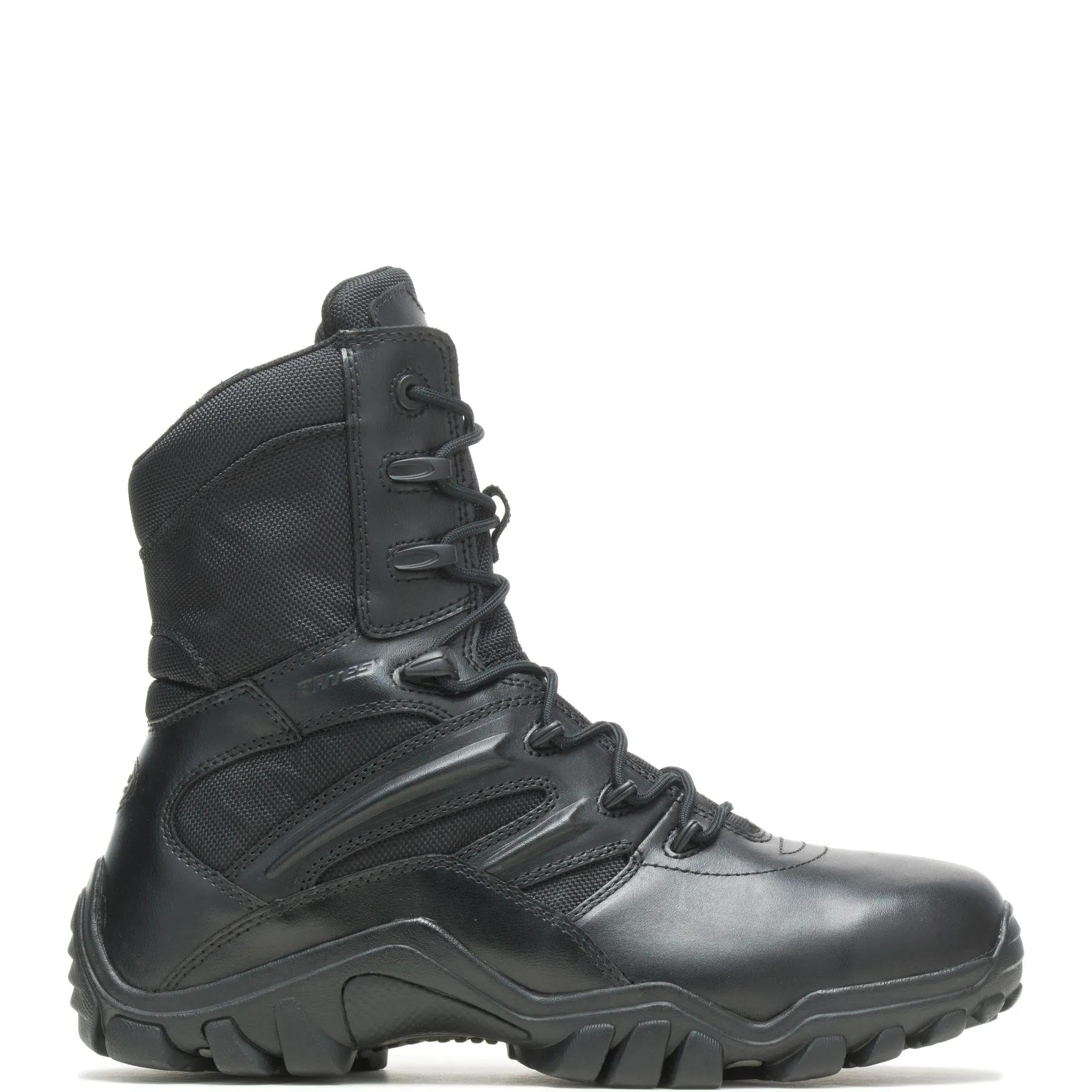


Who Should Buy Which Bates Boots?
Pick by the routine you repeat most often. Your usual surface, hours and dress code will point you to the right type.
Duty Officers and Security Staff on Long Shifts
You stand, walk and climb stairs on concrete, tile and asphalt, often for 8 to 12 hours. Prioritize a polishable leather toe if your uniform requires a shine, a side zip for quick entry once laces are set, and steady cushioning under heel and forefoot. A soft toe keeps weight down when no safety toe is required. Check that the outsole grips wet lobby floors as well as dry pavement.
Field Workers and Outdoor Crews
You move across gravel, mud, grass and uneven ground, and weather can change during a shift. Prioritize deeper outsole lugs, a waterproof membrane if you work in rain, and an upper that mixes leather with strong fabric panels. An 8 inch shaft helps guard your ankle on slopes and loose stone. If your job requires toe protection or an electrical hazard rating, confirm that before you shop, because it narrows your choices quickly.
Riders, Commuters and New Bates Wearers
You may be buying Bates for riding, for casual work wear, or for the first time after wearing shoes on duty. For riding, look for full ankle coverage, a sole with a defined heel for peg control, and leather that resists scuffs. For lighter daily wear, choose a lower shaft and a more flexible sole. Extra height and protection add weight you carry all day, so start simple.
Key Features to Compare
When you compare best bates boots side by side, work through these factors in order, so a low price cannot hide a boot that fits poorly or grips badly.
Cushioning and Support in Bates Boots
Cushioning softens each step on hard floors, while support helps your foot stay stable as you tire late in a shift. Look for a removable insole you can replace when it packs down, arch support that matches your foot shape, and a midsole that feels firm rather than spongy. Boots have a modest heel to toe drop, so your calf does real work at first. If you have ongoing foot pain, numbness, or a condition that affects circulation, talk with your clinician about personal needs before you choose.
Upper Materials and Breathability in Bates Boots
Full grain leather polishes well, resists scuffs and suits formal uniform rules, but it feels warmer and needs regular care. Suede and fabric panels weigh less and let more air move, which helps in hot weather, yet they show dirt sooner and take polish poorly. Some uppers blend leather at the toe and heel with breathable panels at the sides. Choose the blend by climate and dress code first, because a breathable upper cannot fix a boot your workplace will not allow.
Fit, Sizing and Toe Box in Bates Boots
Fit decides comfort more than any other factor. Measure both feet late in the day, when they are at their largest, and try boots with the socks you will wear on duty. Your toes should wiggle without pressing the front, and your heel should stay seated as you walk. Many Bates styles come in wide widths, so use that option rather than sizing up in length. A roomy toe box helps on long shifts, but excess length lets your foot slide and can cause blisters.
Weight and Flexibility in Bates Boots
A pair of duty boots often weighs about 3 to 5 pounds, and taller shafts, safety toes and thick lugs push that number higher. Weight matters most when you climb stairs, walk long distances or ride, where a heavy boot can tire your legs. A sole that bends near the toes feels natural on pavement, while a stiffer sole protects better on gravel and ladders. Match the trade off to your ground, and do not pay in daily fatigue for protection your job never asks for.
Waterproofing With Gore Tex and Other Membranes in Bates Boots
A waterproof membrane keeps rain and puddle water out, which matters for field work, winter duty and wet commutes. Gore Tex is one well known membrane, and other sealed linings work in a similar way. The trade off is airflow, since a sealed boot feels warmer in summer and dries more slowly once the inside gets wet. Choose waterproof Bates boots when wet ground is part of your normal week. If you work indoors, a non waterproof upper will often feel cooler and cost less.
Choosing Shaft Height, Closure and Toe Type for Your Bates Boots
Shaft height changes ankle support and uniform appearance. A 5 or 6 inch boot feels lighter and drives more easily, while an 8 inch boot covers more of your ankle and can feel steadier on rough ground. Neither height fixes a poor fit, so judge height after length and width. Check employer rules early, because some uniforms specify height, color and a polishable toe.
Laces give the most even tension and let you adjust one zone at a time. A side zip speeds entry after you set lace tension once. Choose a soft toe for general duty, a composite toe when you need protection with less weight, or a steel toe when your safety rules require it. Always follow your workplace standard rather than guessing.
Common Mistakes to Avoid When Buying Bates Boots
These errors seem small at checkout and grow during a full shift.
- Choosing by price alone leaves you with thin cushioning that feels flat and tiring on hard floors.
- Sizing up instead of choosing a wide width lets your foot slide, which causes blisters and sore toes.
- Buying a waterproof boot for dry indoor duty leaves you with warmer feet and a higher cost for no gain.
- Ignoring your uniform or safety rules can leave you with a boot you are not allowed to wear at work.
- Skipping a walk test on stairs and slopes hides heel slip that only appears when you move with purpose.
Tips to Get the Most From Your Bates Boots
Rotate two pairs if you wear boots daily, and give each pair a full day to dry between shifts. Air dry wet boots at room temperature away from direct heat, with insoles removed and shafts open, because strong heat can crack leather and warp adhesives. Brush off dust and mud after outdoor shifts so grit does not grind into seams.
Clean leather with a damp cloth, let it dry, then apply conditioner or polish to keep it flexible. Inspect laces, eyelets and zips each week, and replace worn laces before they snap. Watch outsole lugs for smooth spots, since worn tread is often the first sign that grip is fading. Store boots upright in a dry place.
Frequently Asked Questions
Are expensive Bates boots worth it for daily duty wear?
Expensive Bates boots can be worth it for daily duty wear if the extra cost buys features you use every shift. Higher prices often reflect thicker leather, a safety toe, a waterproof membrane or a more durable outsole. Those gains matter for full time staff, but add little for occasional wear. Compare cost against your hours in boots each week, rather than paying for a top tier label alone.
Can I wear Bates boots all day on a long shift?
Yes, you can wear Bates boots all day if the fit, cushioning and weight suit your work. Most wearers need a gradual start, with partial days during the first week, so feet and calves can adapt. Carry your prior shoes for the first few days in case hot spots appear. Sock choice matters too, and a smooth sock with padding at heel and forefoot can prevent friction on long walks.
Do I need waterproof Bates boots for outdoor work?
You need waterproof Bates boots for outdoor work only if wet ground, rain or snow is common in your routine. For occasional light rain, a leather upper treated with a suitable protector and dried promptly may be enough. For standing water or winter slush, a sealed membrane gives more reliable protection. Once water enters over the shaft, though, a waterproof boot holds it inside longer than a breathable boot does.
How long is the break in period for Bates boots?
The break in period for Bates boots is often about one to two weeks of regular wear. Leather at the ankle and forefoot softens gradually, and the insole shapes itself to your foot. Wear the boots for short periods at home first, then for partial shifts. A boot that causes sharp pain, lasting numbness or repeated blisters after this period likely fits poorly and needs a size or width change.
How often should I replace my Bates boots?
Replace your Bates boots when grip, support or upper integrity falls below what your job demands. Signs include smooth outsole lugs, a heel that wears unevenly, cracked leather, and cushioning that stays flat after a rest day. Full time duty wearers may reach that point in about one to two years, while occasional wearers can go longer. Do not judge by age alone, because surfaces and weekly hours change wear more than the calendar does.
Wrapping Up
Match the boot to your routine first. Fit and width come before every other choice, then cushioning and arch support for your shift length, then grip, shaft height and waterproofing for your surface. When you compare best bates boots with those points in mind, you avoid paying for protection you do not need.
Use the product table above to check shaft height, toe type, waterproofing and price against your short list. A pair that fits well, follows your work rules and suits your usual ground will serve you better than a heavier pair bought for a rare worst case day.


