Best Basic Shoes: A Buyer Checklist for 2026
Disclosure: We may earn a commission when you buy through links on this page, at no extra cost to you. As an Amazon Associate I earn from qualifying purchases. Learn more

A clear buyer checklist for the best basic shoes covering fit, traction, cushioning, and durability, plus the red flags to avoid before you buy.
A basic shoe sounds simple, yet the difference between a pair you forget about and a pair that aches by lunch usually comes down to a handful of measurable details. This guide gives you a simple checklist to judge the best basic shoes for everyday walking, errands, work shifts, and light exercise.
Instead of chasing trends, you will learn how to check fit, traction, cushioning, and build quality in a few minutes. Keep the checklist open while you browse the product table above, and you will spot weak options quickly.

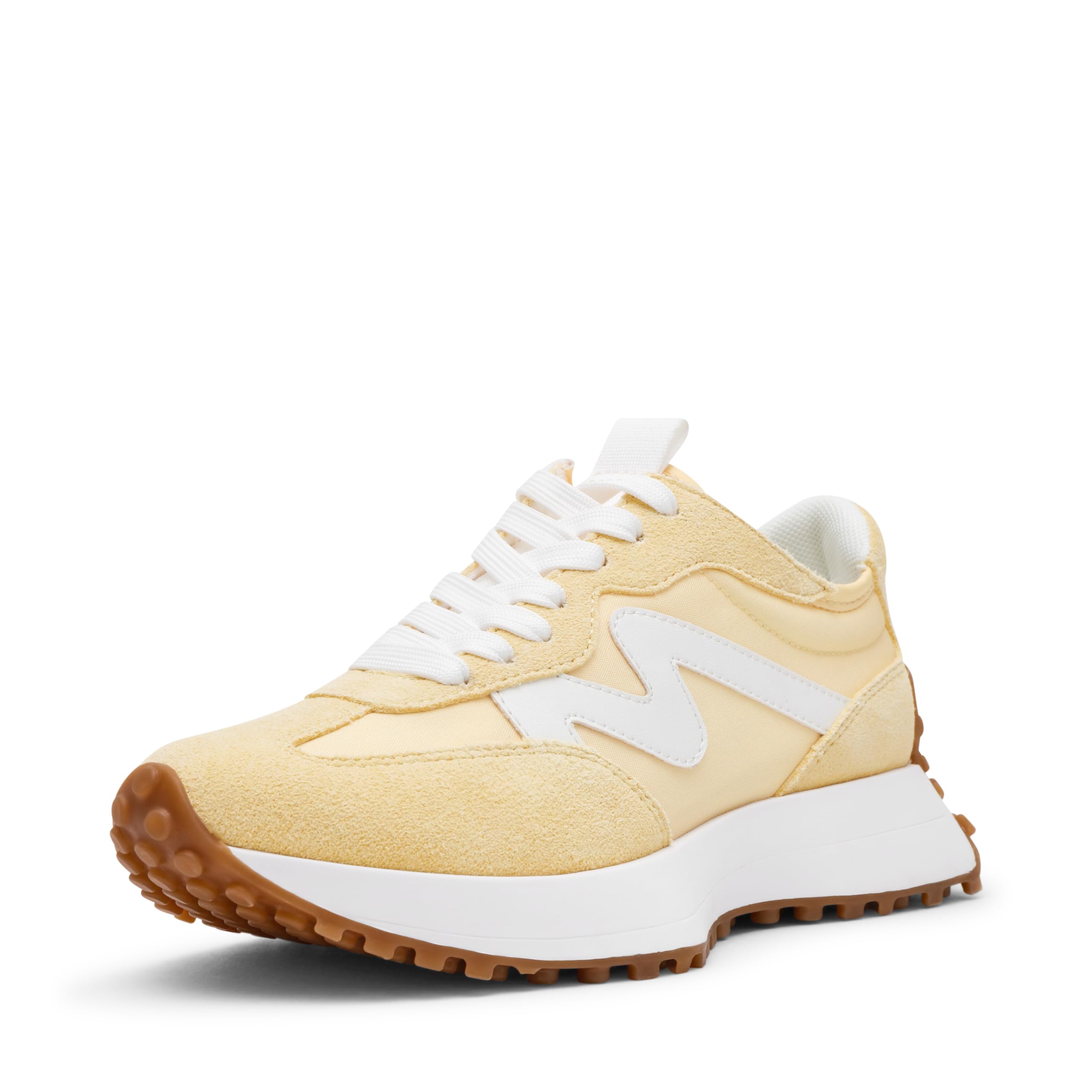
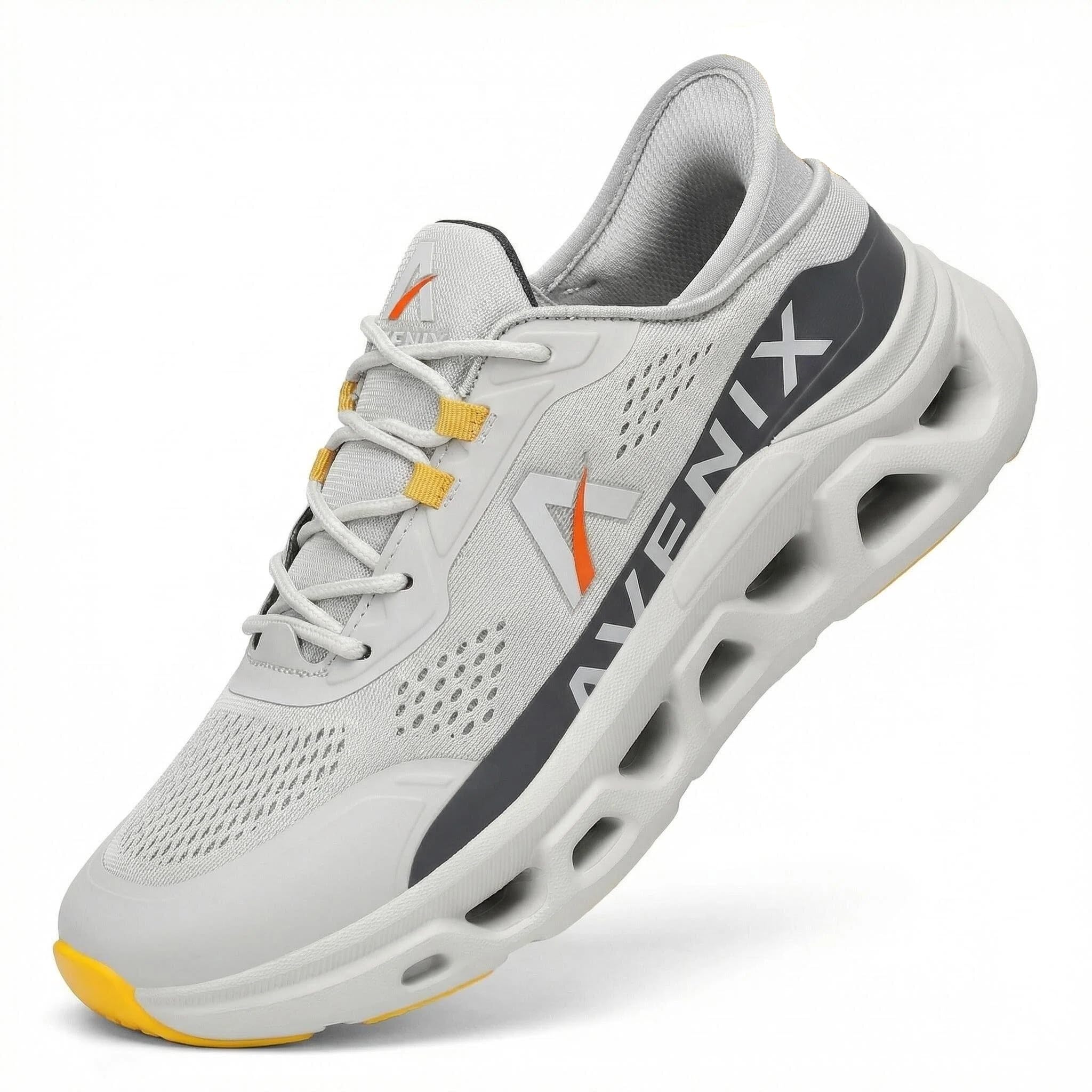


How to Evaluate the Best Basic Shoes
Every pair, at any price, gets judged on the same six points below. A shoe does not need to win all six, but it should never fail the first one, because no amount of cushioning fixes a bad fit. Use the thresholds under each heading as your pass or fail line when you compare options in the product table above.
Fit, Sizing, and Toe Box
Measure your feet late in the afternoon, when they are at their largest, and shop based on that measurement rather than the size you wore years ago. You want about a thumb width of space, roughly half an inch, between your longest toe and the front of the shoe. The toe box should let your toes spread and wiggle without pressing the sides. If you fall between sizes, choose the larger one and adjust with thicker socks or a different lacing pattern, because a shoe that is slightly roomy is far easier to fix than one that is too short.
Outsole Traction and Terrain
Look at the bottom of the shoe before you look at the top. For pavement and indoor floors, a full rubber outsole with shallow grooves gives steady grip without feeling sticky. For mixed terrain and gravel paths, choose deeper lugs, around 3 to 4 mm, that can bite into loose ground. Brand name rubber compounds matter less than coverage: rubber under the heel and forefoot wears far better than exposed foam. Press the outsole with a thumbnail. It should feel firm, not soft like an eraser, and the pattern should continue up slightly at the toe and heel where slips usually start.
Durability and Expected Lifespan
A basic shoe used daily should hold its shape and grip for at least a full season of regular wear, and walking or running shoes commonly deliver about 300 to 500 miles before the midsole feels flat. Check the stitching where the upper meets the sole, and look for glued seams that are even, with no gaps or bubbles. Flex the shoe gently: the upper should crease smoothly rather than crack. If a product page gives no guidance at all on expected lifespan or materials, treat that silence as a durability warning.
Arch Support and Foot Type
Match the shoe to your arch rather than buying the most support you can find. Flat feet often do better with a firmer arch and a stable heel, while high arches usually need more cushioning because the foot absorbs less shock on its own. A simple home check helps: wet your foot, step on cardboard, and look at the print. A full print suggests a flat arch, a narrow band suggests a high arch, and something in between is neutral. If you have ongoing foot pain, plantar fasciitis, or diabetes related foot concerns, talk with a clinician or podiatrist before relying on any shoe to fix it.
Cushioning and Support
Cushioning and support are different jobs. Cushioning softens impact through the foam midsole, while support controls how much your foot rolls inward as you walk. Neutral shoes suit feet that roll very little, and stability shoes add firmer material on the inner side for feet that overpronate. Heel to toe drop, the height difference between heel and forefoot, usually falls between 4 and 12 mm on everyday shoes. Higher drops feel easier on the Achilles tendon, while lower drops feel more natural to some walkers. Pick based on comfort during a short indoor walk, not on marketing labels.
Weight and Flexibility
For all day wear, lighter usually feels better by hour six, and most comfortable everyday shoes land somewhere around 8 to 12 ounces per shoe. Very light shoes sometimes trade away outsole rubber and structure, so weigh the savings against how you will use them. The shoe should bend where your foot bends, at the ball of the foot, and resist twisting through the middle. Hold the heel and toe and twist gently: a shoe that wrings out like a towel offers little support, while one that resists slightly will feel steadier on uneven ground.
Price Tiers That Pass the Checklist
Price alone tells you little, but each tier tends to deliver a predictable package. The three profiles below describe what a fair price should buy you in each range, so you can judge any shoe in the product table above against its tier instead of against a brand story.
The Well Rounded Profile
A well rounded everyday shoe, often around $70 to $120, should pass every section of the checklist with no weak spot. Expect a full rubber outsole, a breathable mesh or knit upper with some structure at the heel, and a midsole that still feels springy after a month of walks. Fit should be available in at least two widths. This tier suits most people best because it balances comfort, grip, and lifespan without paying for racing technology you will never use on a grocery run or a school pickup.
The Value Profile
Value shoes, often around $40 to $70, can absolutely pass the checklist if you know where makers save money. Savings usually come from simpler uppers, fewer color choices, and less sculpted midsoles, none of which ruin a daily shoe. What should not be missing at this price is rubber outsole coverage and honest sizing. Try value pairs on with your usual socks and walk a full loop of the store. If the heel slips or the toes press at this stage, no discount makes the pair a bargain.
The Heavy Use Profile
If you stand on concrete all shift or walk several miles daily, shop the sturdier end, often around $90 to $140. Look for a thicker rubber outsole, a reinforced toe area, and an upper made from tightly woven fabric or leather that resists scuffs. Water resistant finishes and Gore Tex linings appear in this tier and help for wet commutes, though they add warmth.
Quick Buyer Checklist
Run through these questions before you pay. A good pair should earn a yes on nearly all of them.
- Did you measure your feet in the afternoon and check both feet?
- Is there about half an inch of space in front of your longest toe?
- Can your toes spread inside the toe box without rubbing the sides?
- Does the outsole use real rubber at the heel and forefoot?
- Does the shoe bend at the ball of the foot but resist twisting?
- Does the support level match your arch type, neutral or stability?
- Is the return window long enough for a few indoor trial walks?
- Does the price match the tier profile described above?
Red Flags to Watch For
Some warning signs show up again and again on shoes that disappoint. Vague product pages that praise comfort without naming a single material or measurement should make you pause. A very short warranty or a return policy that excludes worn shoes entirely suggests the maker expects problems. Be wary of review patterns where dozens of five star comments appear on the same day with similar wording. Finally, skip shoes with paper thin outsoles, strong chemical smells out of the box, or size charts that jump oddly between sizes, because each of these predicts trouble that a low price cannot excuse.
Tips to Get the Most From Your Basic Shoe
Small habits stretch the life of any pair. Air dry wet shoes at room temperature, away from radiators and direct heat, which can warp foam and crack glue. Rotate two pairs if you walk daily, giving each midsole a day to recover its cushioning. Replace walking and running shoes after about 300 to 500 miles, or sooner if the outsole tread wears smooth or new aches appear. Retie your laces snugly before long walks, because a secure heel lock prevents the friction that causes most blisters.
Frequently Asked Questions
Can I wear basic shoes all day?
Yes, provided the fit and support match your feet and your day involves a mix of walking and standing. For shifts spent entirely on hard floors, add a quality insole or choose the heavy use profile above. Change into a different pair for evening walks when you can, since varied footwear spreads pressure across different points of the foot and reduces repetitive strain.
How should basic shoes fit?
They should feel snug at the heel and midfoot, with clear space at the toes. Your heel should not lift with each step, and no single spot should feel like a pressure point within the first minute. A useful test is to walk down a slope or a set of stairs: your toes should not jam into the front. If they do, go up half a size before assuming the model runs small.
Are expensive basic shoes worth it?
Sometimes, but the gains shrink fast above the midrange. Extra money can buy better rubber, more width options, and a midsole that keeps its bounce longer. It does not guarantee a better fit for your foot shape. A careful shopper with the checklist above usually gets more value from a mid priced pair bought in the right size than from a premium pair bought in the wrong one.
How long is the break in period for basic shoes?
Most modern everyday shoes need only a few short wears, roughly two to five outings, before they feel fully natural. Start with errands and short walks rather than a full day on your feet. Genuine pain, numbness, or blisters that return in the same spot are not part of breaking in. Those are fit problems, and the right response is a different size or model, not more patience.
Do I need waterproof basic shoes?
Only if your routine regularly includes rain, wet grass, or slush. Waterproof membranes keep water out but also hold warmth in, so they can feel hot in summer. For occasional showers, a water resistant upper and a spare pair of socks usually solve the problem for less money. If you do choose a membrane, check that the tongue is attached to the upper, because an open tongue lets water pour in over the laces.
How often should I replace my basic shoes?
Plan on replacing them every 300 to 500 miles of walking, or every six to twelve months of daily wear. Mileage is the better guide, since a light user may take two years to reach it. Watch for three signs: tread worn smooth in your strike zone, a midsole that feels flat and harsh, and a heel counter that leans to one side. Any two of the three mean the pair has done its job.
Wrapping Up
Fit, outsole grip, and honest construction matter more than any logo or price tag. Measure late in the day, match support to your arch, and judge each option against its price tier. When you apply this checklist, the best basic shoes for your routine become easy to spot. Compare your finalists in the product table above and choose the pair that passes every line.