Best Basic Black Pumps: Matching the Right Pair to Your Routine for 2026
Disclosure: We may earn a commission when you buy through links on this page, at no extra cost to you. As an Amazon Associate I earn from qualifying purchases. Learn more

Pick the best basic black pumps by routine: heel height, fit, cushioning, materials, and care explained simply.
There is no single perfect black pump, because the pair that feels right for a seated office day can punish you during a conference, a commute, or an evening event. Heel height, toe shape, and cushioning matter in different ways depending on how long you stand and how far you walk. This guide to the best basic black pumps starts with your routine, then matches features to it.
You will learn which heel shapes stay stable, how fit should feel at the end of the day, and where extra money actually improves comfort. Begin with the comparison table below, then read the routine based sections to find your match.

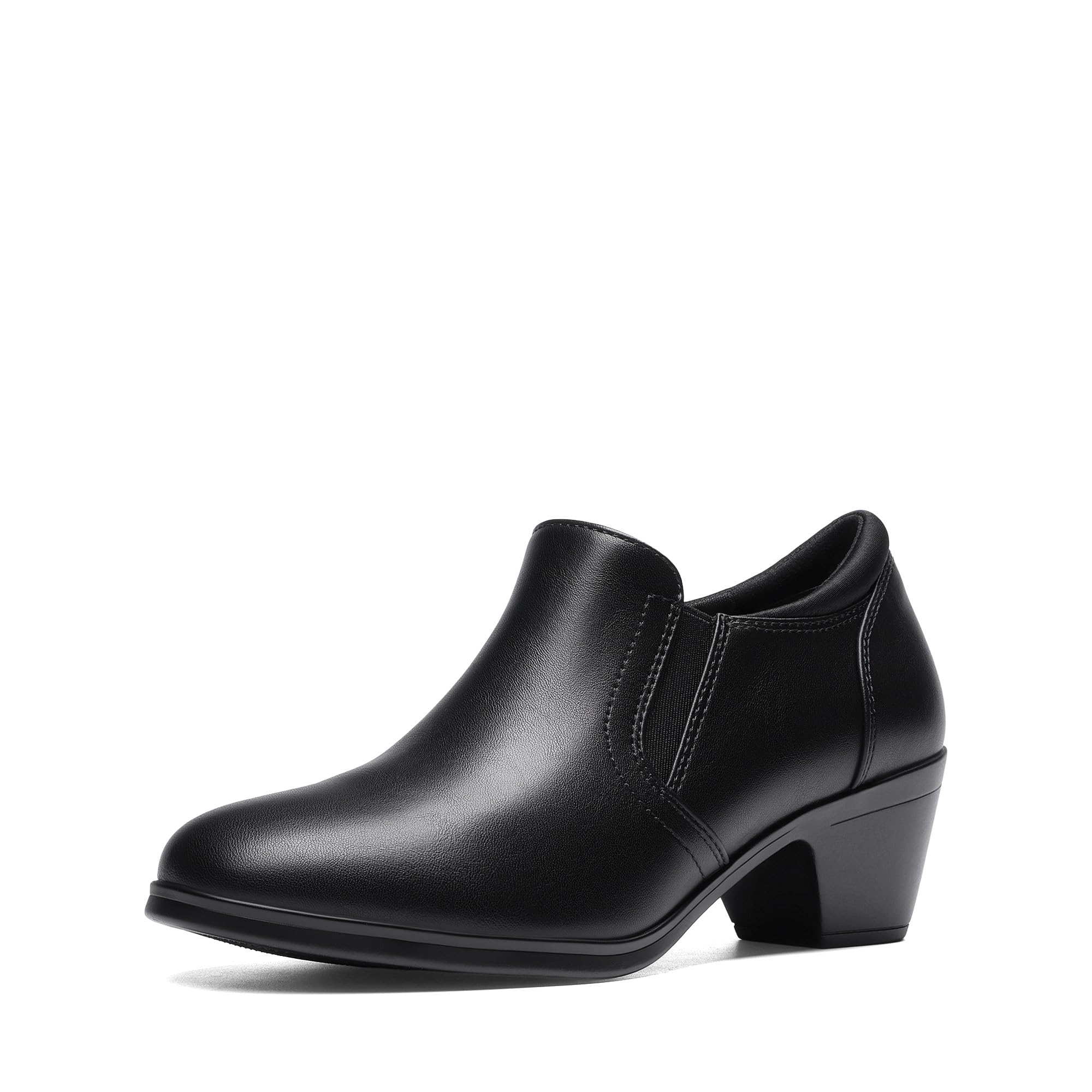
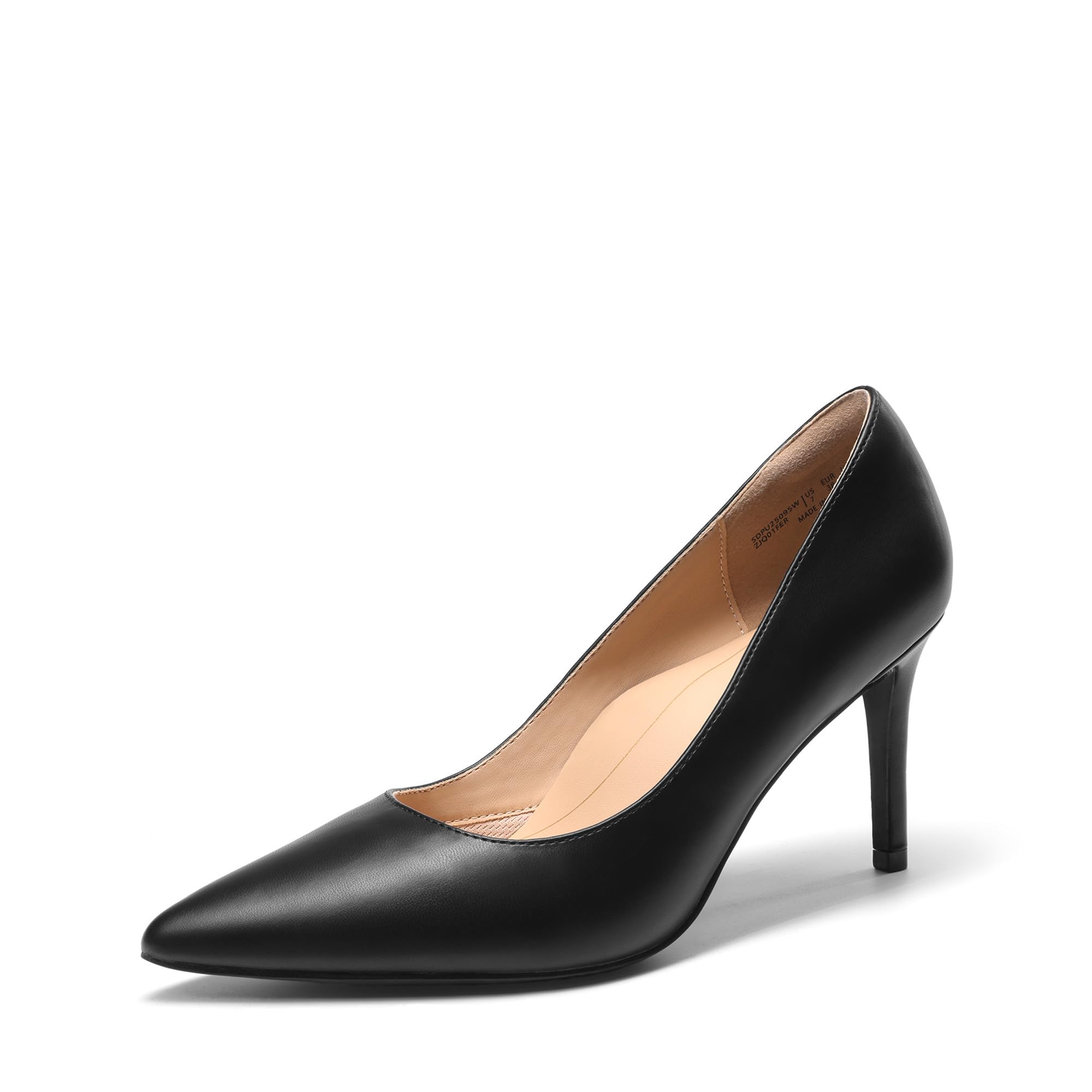
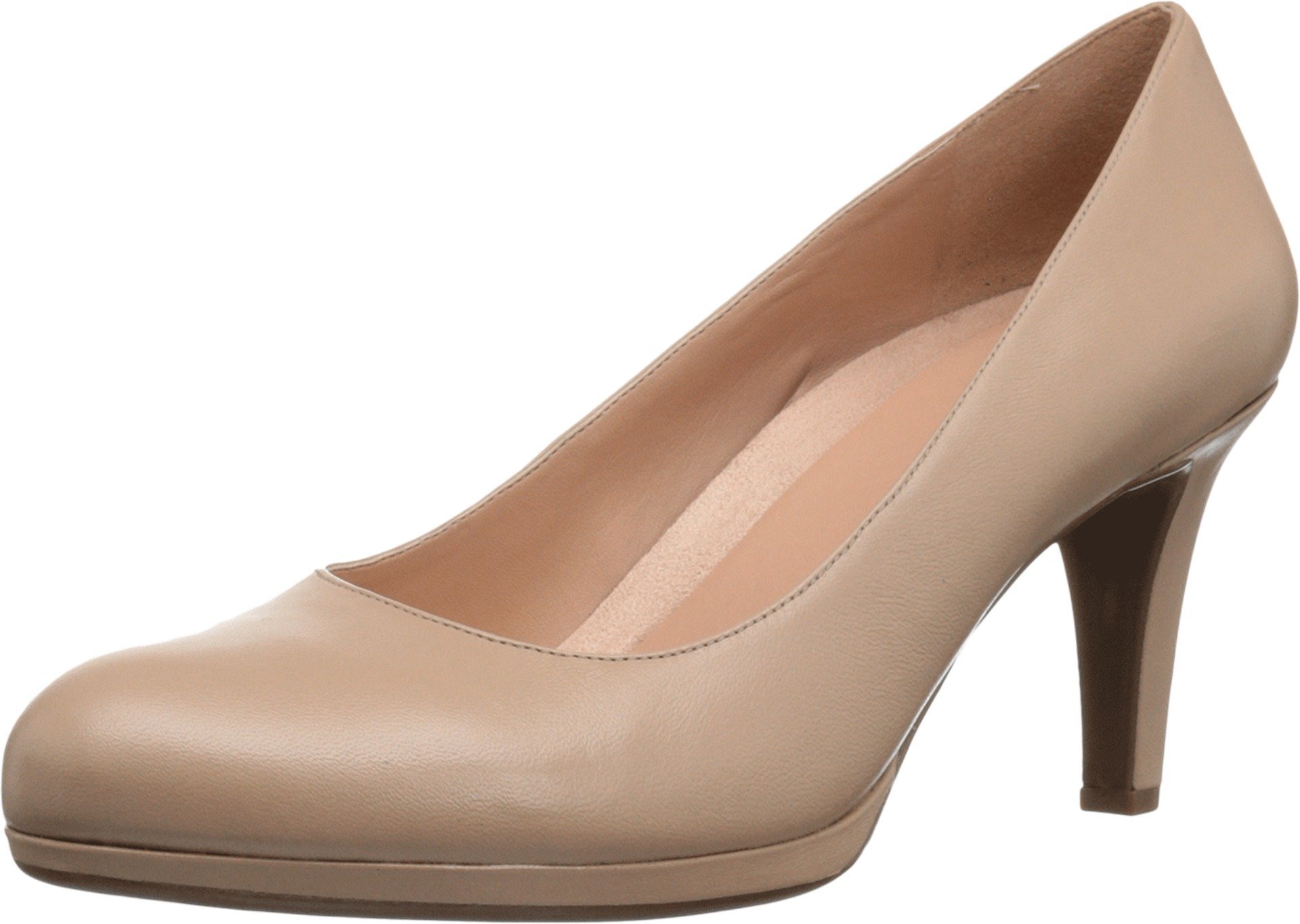


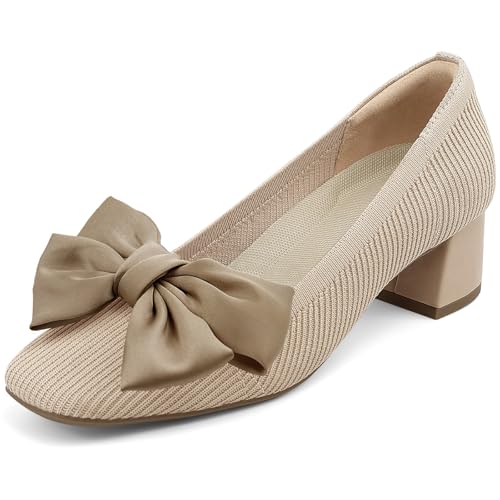

Who Should Buy Which Basic Black Pumps?
Start by finding yourself in one of the three groups below. Each group needs a different balance of heel height, support, and polish, and buying for the wrong group is the most common reason a good pair ends up unworn in the closet.
For First Time Buyers
First time buyers should choose simple, forgiving pumps that work with many outfits and feel stable from the first wear. A moderate heel of about 1.5 to 2.5 inches, an almond or softly rounded toe, and a closed back are the safest starting point. Avoid very high heels and sharply pointed toes until you know how your feet handle a full day. Buy from a seller with easy returns, and try the pair indoors in the evening, when feet are at their largest, before you commit to keeping them.
For People Who Want the Best Performance
If performance means walking far, standing long, and still looking polished, pay for support features rather than decoration. Look for a sturdy block heel or a well shaped lower heel, a cushioned insole with real arch support, and an outsole with some grip. Leather uppers earn their price here because they soften and shape to your foot over the first wears instead of staying stiff. This group often benefits from trying two sizes, since comfort over eight hours depends on small fit details that a quick store walk cannot reveal.
For Value Seekers
Value seekers want a pair that looks classic, survives regular wear, and costs a fair price rather than the lowest price. Mid range pumps often deliver the best balance, with better insoles and more durable heel caps than bargain pairs. One smart value move is choosing a timeless shape you will wear weekly for years, because cost per wear beats sticker price. Readers comparing style families can see our guide to the best classic black pumps for the shapes that stay in fashion longest.
Key Features to Compare
With your routine in mind, compare the features below in order. Fit and heel stability come first for the best basic black pumps you will actually wear, while material and price decide how long that comfort lasts.
Intended Use and Who It Is For
Match the pump to the longest, hardest day it must handle, not the easiest. A mostly seated office day allows a slimmer heel and a more pointed toe, while a day of presentations, commuting, and stairs calls for a block heel and roomier toe box. Event wear allows more drama, but weddings still involve hours of standing, so comfort features matter there too. If your job is dress code driven, our guide to the best black pumps for work covers office expectations in more detail.
Price vs Value
Budget pairs, often under $50, usually use synthetic uppers, thin insoles, and heel caps that wear quickly, yet they can serve occasional wear well. Mid range pairs, about $50 to $150, typically add leather or better synthetic uppers, padded insoles, and sturdier heels, and they suit most regular wearers. Premium pairs, above about $150, should justify themselves with fit range, materials, and construction you can feel, not just a label. For label focused comparisons, see our guide to the best designer black pumps before you spend at that level.
Maintenance and Long Term Costs
Long term cost is driven by heel caps, soles, and upper care. Heel caps are small replaceable tips, and swapping them before they wear to the nail protects the heel and your floors, usually for a modest cobbler fee. Leather uppers need occasional conditioner and rest days between wears, while synthetic uppers need only wiping but cannot be repaired as easily.
Budget a small yearly amount for caps and care products, and a trusted pair will outlast several cheap pairs. Rotating two pairs also extends life, because foam insoles recover shape when given a day off.
Stability, Traction, and Foot Health
Stability is the safety feature that matters most in pumps. A heel placed under the center of your heel, a base that is not too narrow, and a textured or rubber outsole all reduce slips and ankle strain. Inside the shoe, your toes should lie flat without curling, and your heel should not lift with every step. Stop wearing any pair that causes numbness, sharp pain, or repeated blisters, and talk with a clinician or podiatrist about ongoing foot pain, because fit advice online cannot diagnose your feet.
Common Mistakes to Avoid When Buying Basic Black Pumps
Most disappointing purchases come from the same few errors, and all of them are easy to avoid.
- Buying by price alone: the cheapest pair often costs more per wear when heel caps fail and insoles flatten within months.
- Ignoring your routine: a beautiful high heel bought for a standing job will sit unworn, which is the worst value of all.
- Guessing your size: pump sizing varies by brand and toe shape, so measure your feet and check the size chart every time.
- Testing fit in the morning: feet swell during the day, so a pair that feels fine at breakfast can pinch badly by evening.
- Skipping the return policy: comfort shows itself over hours, not minutes, so easy returns protect you while you learn a new brand.
How to Make Your Basic Black Pump Last Longer
Break in a new pair gradually with a few short indoor wears before a full day, which softens the upper and reveals pressure points while returns are still possible. Clean and inspect your pumps regularly, checking heel caps, sole wear, and loose stitching before small problems grow. Store them in a dry place away from direct heat, ideally with shoe trees or gentle stuffing to hold their shape.
Rest each pair at least a day between wears so cushioning and leather recover. Readers who prize comfort above all can compare notes in our guide to the best comfortable black pumps, which focuses on cushioning and fit.
Basic Black Pumps: Your Questions Answered
How long does a basic black pump last?
A basic black pump worn weekly can last two to five years with basic care, and longer when worn less often. Lifespan depends mostly on heel cap replacement, sole wear, and whether the upper can be cleaned and conditioned. Synthetic pairs tend to fail by peeling or cracking, which cannot be repaired, while leather pairs usually fail at the sole or heel, which a cobbler can fix. Resting pairs between wears is the simplest habit that adds real life.
What features matter most when buying basic black pumps?
Fit, heel stability, and cushioning matter most, because they decide whether the pair gets worn or avoided. Your toes need room to lie flat, the heel should feel planted rather than wobbly, and the insole should pad the ball of the foot where pumps concentrate pressure. After those, weigh upper material and return terms. One useful test is standing on one foot briefly in each shoe at home, since wobble you feel in seconds becomes ankle fatigue over a full day.
Are expensive basic black pumps worth it?
Expensive pumps are worth it when the price buys better fit options, leather that shapes to your foot, and construction a cobbler can maintain for years. They are not worth it when the price buys only a famous label on the same thin insole and narrow toe. If you wear pumps several days a week, paying more for comfort usually pays you back in cost per wear. Occasional wearers can honestly choose mid range pairs and lose nothing that matters for their routine.
How do I maintain a basic black pump?
Maintain your pumps by wiping them after wear, replacing heel caps before they wear through, and storing them dry with their shape supported. Condition leather every few months, or after rain exposure, and let wet shoes dry slowly at room temperature rather than on a heater. A cobbler can also add thin rubber sole protectors, which extend sole life on pairs you love. Keep a small kit at home with a soft cloth, conditioner, and a spare set of heel caps in your size.
How much should I spend on a basic black pump?
Spend according to how often the pumps will work for you. Occasional wearers often do well around $40 to $80, while people in pumps most workdays should budget about $80 to $180 for support and durability. Include possible cobbler costs, such as heel caps or sole protectors, in your thinking rather than judging by sticker price alone.
Trying a mid range pair first teaches you your fit preferences, which makes any later premium purchase far safer. For a wider style overview, our guide to the best black pumps compares common shapes and heel types.
Our Verdict
Let your routine lead: choose heel height for your longest day, fit for your evening feet, and materials for the years you want the pair to serve. Compare the options in the product table above against the groups in this guide, and favor easy returns while you learn a brand. For most readers, the best basic black pumps are a mid range leather pair with a stable heel and honest cushioning. If foot pain persists with any footwear, talk with your clinician about your personal needs before buying another pair.