Best Band Watches for Every Need: How to Pick the Right One for 2026
Disclosure: We may earn a commission when you buy through links on this page, at no extra cost to you. As an Amazon Associate I earn from qualifying purchases. Learn more

Not all band watches fit every routine. See which best band watches match how you actually use them, what features to prioritize, and what to skip.
There is no single watch that suits every wrist, every job, and every budget, and pretending otherwise is how people end up with a watch they rarely wear. The best band watches for you depend on how your days actually look: office meetings, gym sessions, wet work, travel, or quiet weekends. This guide starts with use, not with specs, so the features you pay for are the ones you will notice.
This guide walks through who should buy which style, the features worth comparing, and the mistakes that lead to returns. Check the product table for a quick view of the styles, then use the sections that follow to narrow your choice to the band and movement combination that fits your routine.


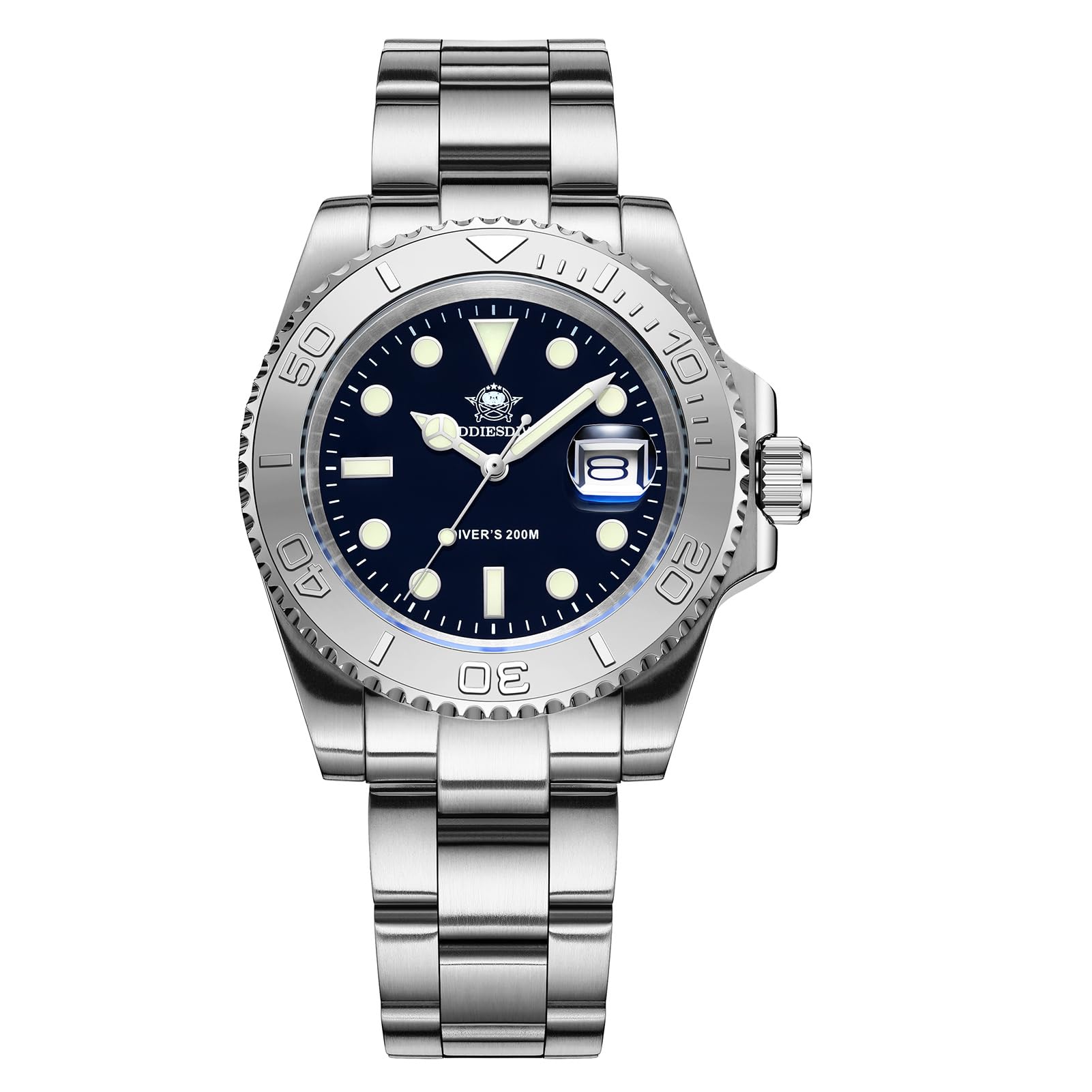
Who Should Buy Which Band Watches?
For First Time Buyers
If this is your first real watch, simple wins. Choose a quartz movement for grab and go accuracy, a moderate case around 38 to 40 mm that suits most wrists, and a strap you can swap without tools. A quick release strap system lets you change from a dressy look to a casual one in seconds, which stretches one watch across your whole week. Readers drawn to a classic finish often start by comparing the best leather band watches, since leather pairs easily with office and evening wear. Avoid jumping straight to a large or complicated watch; comfort and legibility teach you what you like.
For Value Seekers
Value seekers should balance purchase price against years of service. A stainless steel case, a mineral or sapphire crystal, and a strap that can be replaced cheaply will outlast a fashionable watch built from coated alloy. Rubber and silicone bands shine here because they shrug off sweat and rain and cost little to renew. If your days involve water, dust, or the gym, look through the best rubber band watches before paying for leather you would have to baby. Also weigh battery changes and service costs over five years, not just the price on day one, when judging real value.
For Gift Shoppers
A gift watch should be easy to size, easy to return, and hard to get wrong. Neutral dial colors, a standard strap width, and a case near 38 to 42 mm flatter the widest range of wrists and tastes. Interchangeable bands reduce risk further, because the recipient can adjust the style without replacing the watch. That is why many gift buyers browse the best watches with interchangeable bands when they are unsure of the recipient's taste. Include the receipt, confirm the return window, and pick a brand with accessible warranty service in the United States so any fix stays painless.
Key Features to Compare
Brand Reputation, Warranty, and Value
A watch is a long term purchase, so the company behind it matters. Established brands tend to stock spare parts, publish clear warranty terms, and maintain service networks that can replace gaskets, crystals, and movements years later. A two year warranty is a reasonable baseline; longer coverage signals confidence. Resale value follows reputation too, though most buyers should treat a watch as something to wear rather than an investment. Check whether warranty claims require shipping overseas, since that adds weeks. A slightly higher price from a brand with easy domestic service often beats a bargain that leaves you on your own after the sale.
Smart and Fitness Features
Smartwatches add GPS tracking, heart rate sensing, notifications, and sleep summaries that a classic watch cannot offer. Those tools genuinely help training and busy schedules, but they bring daily or near daily charging and a screen that ages faster than a mechanical watch. Treat fitness readings as guidance for your habits, not as medical measurements, and talk with a clinician about any health concern rather than relying on a wrist sensor. If sport is your main use, the best sport band watches pair these features with straps built for sweat and movement. Decide honestly whether you will use the data after the first month.
Movement Type (Quartz, Automatic, Solar, Smart)
The movement is the engine, and each type suits a different owner. Quartz runs on a battery, keeps excellent time, and asks almost nothing of you. Automatic movements wind from your wrist motion, feel rewarding to own, and need periodic servicing, but drift by seconds per day and stop after a day or two unworn. Solar movements charge from light and remove battery changes for years, a quiet convenience many owners love. Smart movements do the most and age the fastest. Match the movement to your patience: the less you enjoy upkeep, the stronger the case for quartz or solar.
Strap and Bracelet Options
The band decides comfort more than any other part. Leather looks warm and formal but dislikes water. Metal bracelets feel substantial, suit dress and daily wear, and can be sized by removing links. Mesh bands adjust finely and breathe well in heat, and fans of that woven look often compare the best watches with mesh bands for summer wear. Silicone and rubber handle sweat and swimming best, while fabric straps feel light and casual. Whatever you choose, confirm the lug width, commonly 18, 20, or 22 mm, so replacement straps are easy to find, and favor quick release spring bars for tool free swaps.
Common Mistakes to Avoid When Buying Band Watches
- Judging by price alone. A cheap watch with a fragile case and no parts support can cost more over three years than a mid priced watch that a local shop can service.
- Ignoring brand reputation, warranty, and value. Unclear warranty terms and no domestic service turn a small fault into a total loss.
- Buying the wrong size. A case that overhangs your wrist looks awkward and feels worse by afternoon. Measure your wrist and check the lug to lug length, not just the diameter.
- Skipping the water resistance check. A watch rated for splashes is not a swim watch. Match the rating to your real habits before water finds the seals.
- Choosing a strap you cannot replace. Proprietary fittings lock you into one look and one supplier. Standard lugs and quick release bars keep your options open for years.
Care and Maintenance Tips
Simple habits stretch a watch's life considerably. Service automatic watches every 5 to 7 years, or sooner if timekeeping drifts noticeably, so old lubricants do not wear the movement. Rinse after saltwater exposure with fresh water and dry the band fully, since salt and trapped moisture attack both seals and straps. Store away from magnets, including bag clasps and speakers, because magnetism can make a mechanical watch run fast. Wipe leather bands dry after wear and rotate straps in humid months. Finally, replace spring bars every few years; this tiny, cheap part is all that keeps the watch on your wrist.
Frequently Asked Questions
How long does a watch battery last?
Most quartz watch batteries last about 2 to 3 years, though models with heavy features such as alarms, lights, or constant sensors drain sooner. A seconds hand that jumps every few seconds often signals a low battery on many designs. Replace the battery promptly, because a dead cell left inside for years can leak and damage the movement. A watchmaker can also renew the case gasket during the same visit, protecting water resistance.
Quartz or automatic: which is better?
Neither is better for everyone. Quartz wins on accuracy, price, and zero fuss, making it ideal if you rotate watches or dislike upkeep. Automatic wins on craft and the pleasure of a self winding movement with a sweeping seconds hand. Choose quartz for a dependable daily tool. Choose automatic when you will wear the watch most days and accept servicing every several years as part of the hobby. Your routine, not prestige, should decide.
What case size fits my wrist?
Measure your wrist, then compare it with both case diameter and lug to lug length. Wrists under about 6.5 inches usually look balanced with 36 to 40 mm cases, while larger wrists can carry 42 to 44 mm comfortably. The key test is overhang: if the lugs extend past the edges of your wrist, size down. Thickness matters too, since a tall case catches on shirt cuffs. Trying a similar size in person settles doubts faster than any chart.
Is a smartwatch worth it over a classic watch?
It is worth it if you will actually use notifications, training data, or contactless payments every week. Those features save real time and can support better habits. It is not worth it if you dislike charging another device or want a watch that still feels current in ten years, since smart models age like phones. Many owners settle on both over time: a smartwatch for workouts and a classic watch for everything else. Start with the one your daily routine demands.
How water resistant should a watch be?
Match the rating to your wettest regular activity. A 30 meter rating handles hand washing and rain only, despite the impressive sounding number. Choose 50 meters for showering and shallow swimming, and 100 meters or more for regular swimming and snorkeling. Press no buttons underwater unless the maker allows it, and have seals checked after battery changes. Heat from showers ages gaskets faster than cold water, so cautious owners remove even rated watches before hot showers.
Final Thoughts
Narrow your choice in this order: pick the movement that matches your tolerance for upkeep, choose a case size that truly fits your wrist, then select the band material your days demand. The product table above gathers current styles in one place so those decisions take minutes, not evenings. Chosen that way, the best band watches stop being a guessing game and become the one watch you reach for every morning without thinking twice.