Best Balloon Arch Kit: How to Choose the Right One
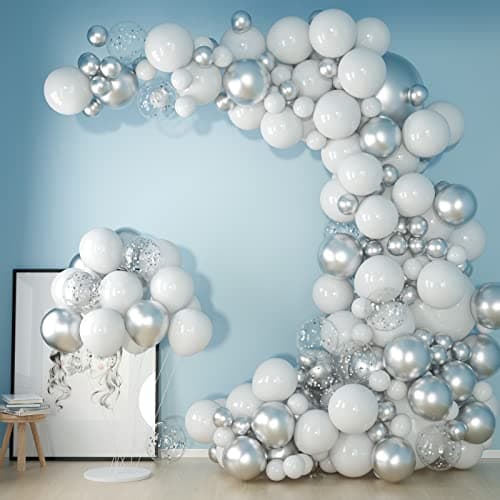
You've seen the photos: a full, colorful balloon arch framing the doorway or backdrop at a party, looking effortless. Then you open a box of loose balloons, a coil of tape, and a folded plastic base, and effortless is not the word that comes to mind. Finding the best balloon arch kit for your event comes down to a few things that aren't obvious from a product photo alone: how the kit is actually built, how much balloon it takes to fill the space you have, and what keeps the thing standing (and inflated) until the party's over. In this guide, you'll learn the difference between stand and strip kits, how to size a kit correctly, and what causes most of the popping and sagging complaints people run into.
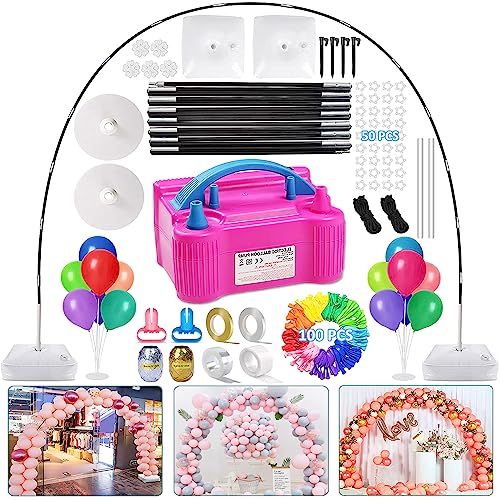
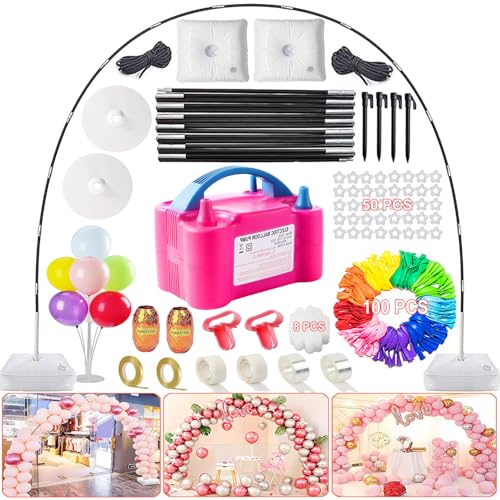
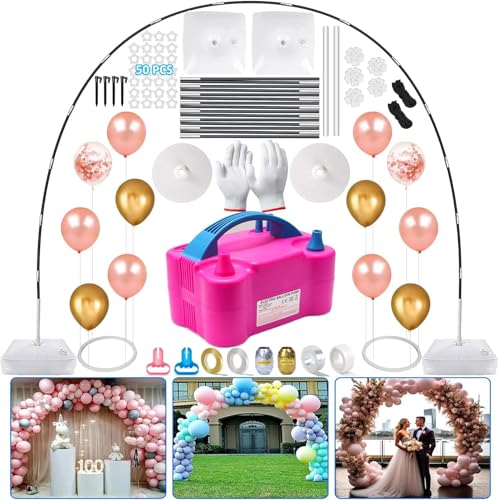
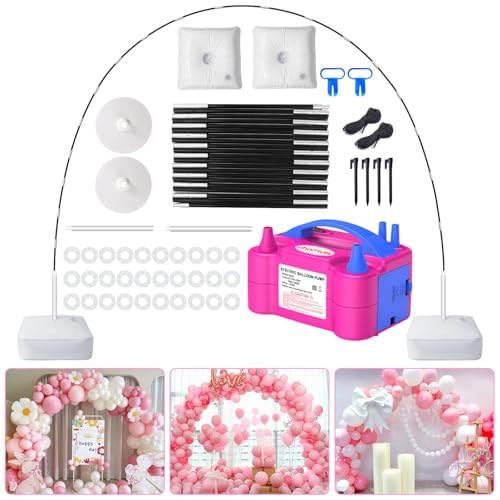
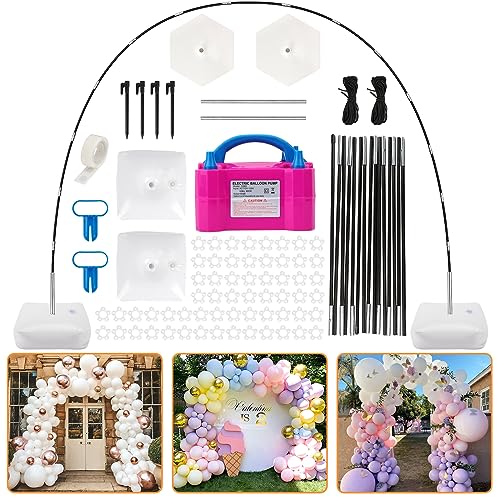
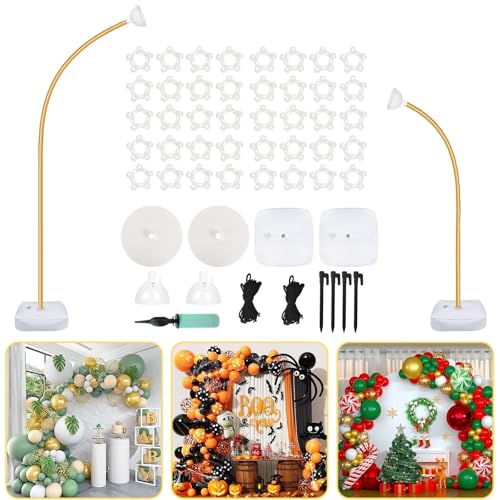
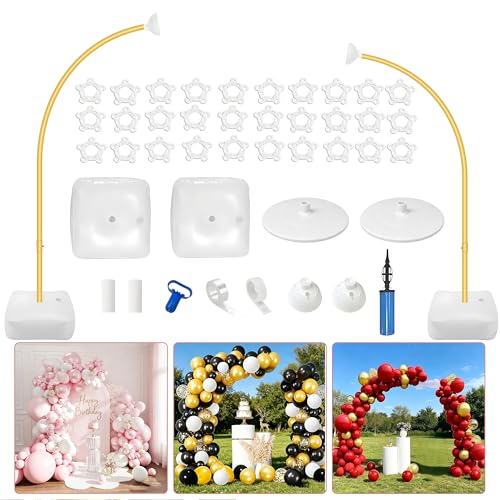
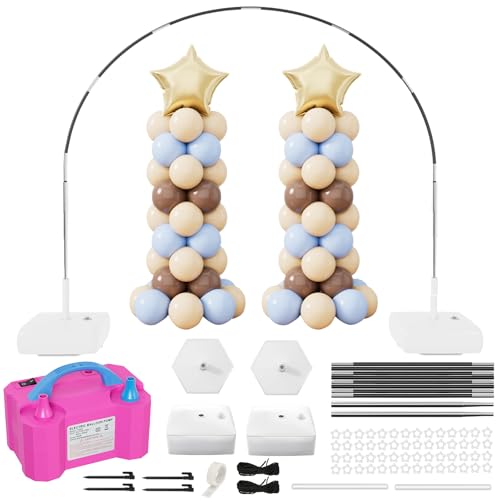
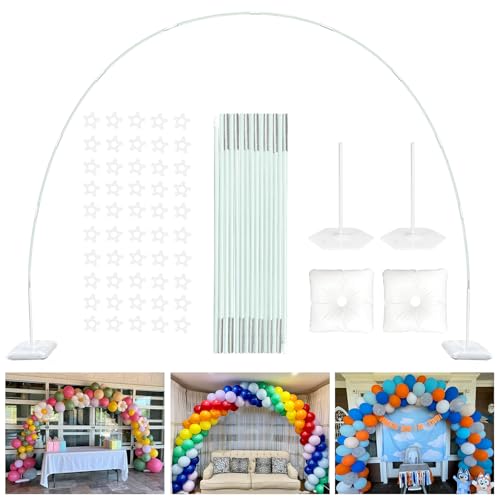
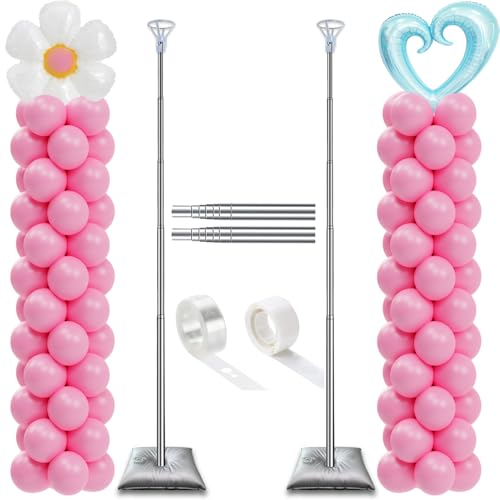
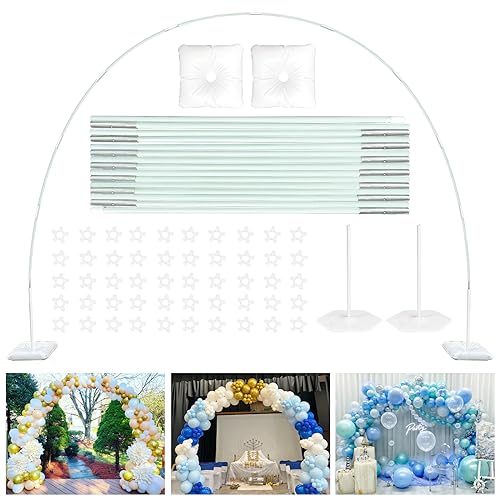
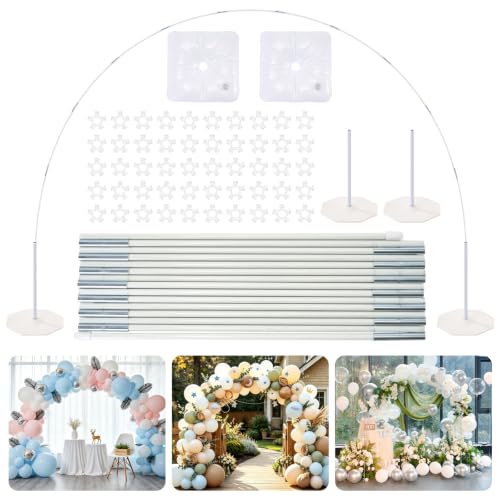
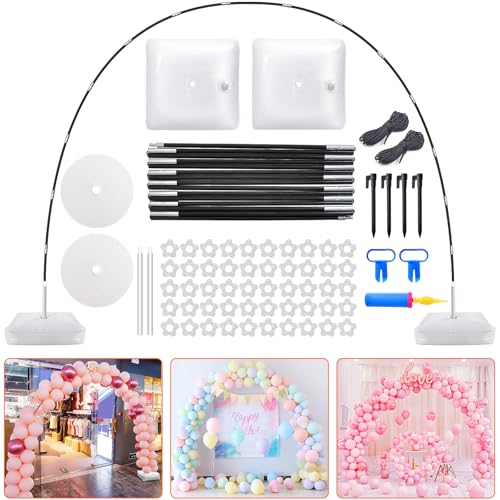
Stand-Based Frame Kits vs. Garland Strip Kits
When people search for the best balloon arch kit, they're really choosing between two structural categories, and picking the wrong one for your event is the single biggest reason people end up disappointed with the result.
Stand/Frame Kits: Built for Reuse and Stability
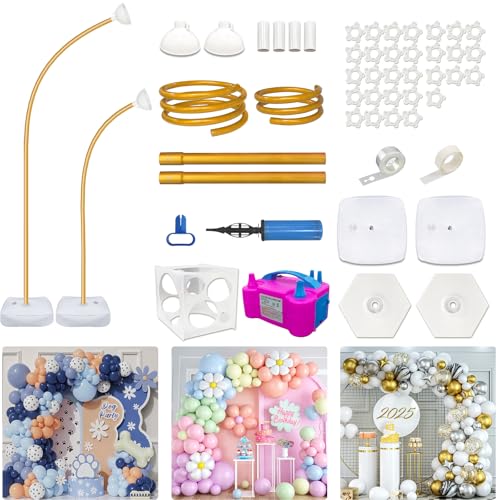
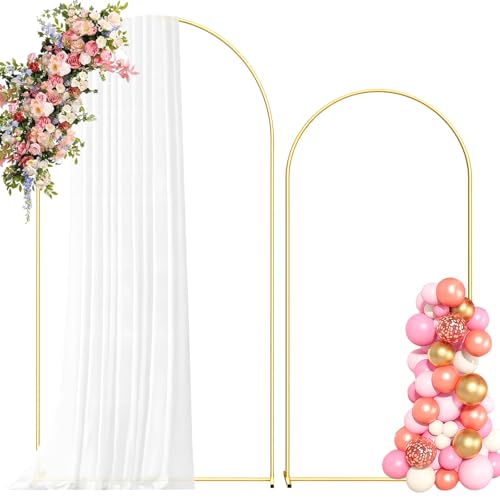
A stand-based kit uses a frame, usually fiberglass rods, PVC pipe, or telescoping metal poles, attached to a weighted or water-filled base. Balloons get tied or clipped directly onto the frame. Because the structure is doing the work, not the balloons themselves, a stand kit holds its shape better in high-traffic areas, resists tipping, and doesn't rely on tape or a wall to stay upright. It's also adjustable, so you can usually change the height and width to fit different doorways or stages. If you host parties more than once a year, a balloon arch stand pays for itself quickly since the frame breaks down and stores for the next event.
Garland Strip Kits: Fast, Flexible, and Usually One-Time
A garland strip kit skips the frame entirely. Instead, you get a long plastic strip with holes, plus adhesive glue dots, and you attach inflated balloons directly to the strip before taping or clipping the whole thing to a wall, table, or backdrop stand you already own. This is the faster, cheaper route, and it works well when you don't want a bulky frame sitting in the corner of a small apartment. The tradeoff is durability: without a rigid frame behind it, a balloon garland strip depends entirely on how well it's anchored, and it's generally treated as a one-time-use decoration rather than something you'll reuse as-is.
Matching Kit Length to Your Doorway, Backdrop, or Stage
Kits are sold by length, typically 5, 6, 8, or 10 feet, and getting this wrong is the fastest way to end up with an arch that looks thin and patchy instead of full. Before buying, measure the actual space: a doorway, the width of a table backdrop, or the stage area you're framing, and pick a kit length that comfortably covers it with a little extra for curve and overlap. Sizing matters just as much as the frame type when you're trying to land on the best balloon arch kit for your specific space.
How Balloon Count Scales With Arch Length
Balloon count depends on both the arch length and the balloon size you're using. As a rough rule of thumb, 11 inch balloons run about 6 per foot of arch, 9 inch balloons run closer to 8 per foot, and smaller 5 inch balloons can take 12 or more per foot to fill in gaps. That means a 6 foot arch needs somewhere around 35 to 40 balloons, while a 10 foot organic-style arch can easily use 100 or more once you're mixing sizes for texture.
Organic vs. Structured Styles Change the Math
A structured arch, evenly spaced same-size balloons in a tight pattern, uses fewer balloons but shows every gap if one deflates. An organic-style balloon garland mixes at least two or three balloon sizes in clusters, which uses more balloons overall but hides minor size differences and looks fuller with less precision required during setup. If this is your first time building one, the organic style is more forgiving.
Balloon Quality and Density: What Actually Prevents a Saggy, Popped Arch
The two complaints that come up more than any other with balloon arch kits are balloons popping before the event even starts and arches sagging or collapsing partway through. This is actually where the best balloon arch kit separates itself from a disappointing one, since the frame or strip system rarely matters as much as balloon quality does. Both usually trace back to the same handful of causes.
Why Balloons Pop Before the Party Even Starts
Over-inflating is the most common culprit; a balloon that's stretched to its limit has almost no give left when it bumps into a doorframe or another balloon. Heat and direct sunlight are close behind, since warm air expands inside the balloon and pushes it past its limit even if it looked fine when you filled it. Static electricity from carpet or dry winter air can also trigger a pop out of nowhere. Thicker, higher-grade latex resists all three of these better than the thin balloons sometimes bundled into budget kits, so balloon quality is worth paying attention to even if the frame or strip looks identical.
Why Arches Sag or Collapse Mid-Event
Sagging almost always comes down to the connecting material, whether that's an archline, string, or adhesive strip, not being strong enough to hold the combined weight of dozens of inflated balloons. A base that isn't anchored or weighted properly compounds the problem, letting the whole structure lean or tip once people start moving around it. If a kit's included connector material feels flimsy in the package, it's reasonable to expect the same issue once it's loaded with balloons.
Indoor Setup vs. Outdoor Weather: What Changes
An arch that looks perfect during an indoor test run doesn't automatically hold up outside. Wind is the biggest threat to a freestanding balloon arch base, especially on a lightweight or under-filled base, and can tip the whole structure over in gusts that wouldn't be noticeable indoors. Heat and direct sun accelerate both popping and slow air loss, so an outdoor arch generally needs to go up closer to the event start time rather than the day before. For an outdoor event, the best balloon arch kit is usually the one with the heaviest, most secure base you can find, not necessarily the fanciest one. Prioritize a water-fillable base and plan to set up in shade if possible, or at least out of consistent direct sun.
Frequently Asked Questions
Do you need helium for a balloon arch kit?
No. Nearly all balloon arch and garland kits are designed for air-filled balloons, not helium. Air-filled balloons are actually more practical for an arch since they hold their shape without the buoyancy that would make a garland float or shift out of position.
How long does an air-filled balloon arch last?
Indoors, an air-filled arch typically holds up well for three to seven days, and longer with higher-grade balloons kept out of direct sunlight. Outdoors, heat, sun, and wind shorten that window considerably, so it's best to build the arch as close to the event as reasonably possible.
How many balloons do I need for an 8-foot arch?
For the best balloon arch kit result on an 8 foot doorway, expect to need roughly 45 to 50 standard 11 inch balloons, more if you're going for a fuller organic look with mixed sizes. Always buy a few extra to cover pops during setup.
Can a balloon arch kit be reused for another event?
A stand-based frame kit can generally be reused indefinitely; you just replace the balloons each time. A strip or garland-style kit is usually treated as single-use, since the strip and adhesive don't hold up well to repeated removal and reattachment.
Why do balloons in an arch kit keep popping?
Over-inflation, heat or direct sunlight, and static electricity are the three most common causes. Filling balloons slightly less than full, keeping the arch out of direct sun, and avoiding low-humidity carpeted rooms all help reduce the odds significantly.
Can a balloon arch kit be used outdoors?
Yes, but a heavier, weighted or water-filled base and a shaded setup location make a big difference in how well it holds up. Wind is the main risk for tipping, and heat speeds up popping and deflation.
Is a balloon arch kit hard to set up for beginners?
Most kits marketed as the best balloon arch kit for beginners are designed for first-timers with no special tools required beyond a balloon pump. Expect one to two hours for a full-size arch, and it goes noticeably faster with two people splitting the inflating and attaching.
Making Your Decision
The best balloon arch kit for you comes down to how often you'll use it and where it's going. A stand-based kit is the better investment for repeat use and outdoor stability, while a garland strip kit is a lighter, cheaper option for a single indoor event. Whichever style you choose, sizing it correctly and paying attention to balloon quality will matter more to the final look than almost anything else on the box.