Best Ballerina Slippers in 2026: Which Type Is Right for You?
Disclosure: We may earn a commission when you buy through links on this page, at no extra cost to you. As an Amazon Associate I earn from qualifying purchases. Learn more

Compare the best ballerina slippers by type, ideal user and price range to match the style to your floors and your feet.
Ballerina slippers all share the same pretty shape, a soft flat inspired by dance shoes, but the comfort underneath varies enormously. Some are little more than fabric socks with a bow, while others hide real cushioning and a proper sole. This guide to the best ballerina slippers compares each type clearly so you can match the style to your floors and your feet.
The comparison table below groups the main types together. Read it alongside the type breakdown that follows, because the right choice depends less on looks and more on how long you stand, what floors you walk on, and how much support your feet need at home.


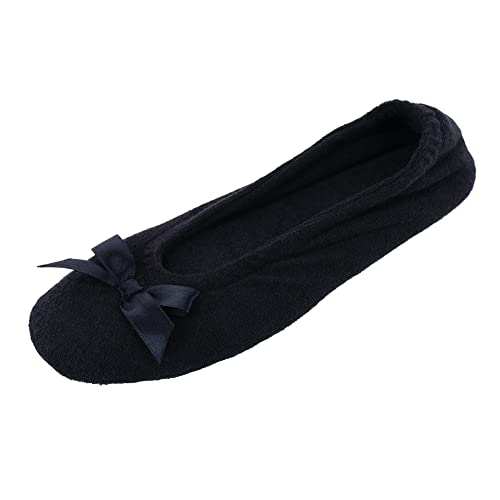


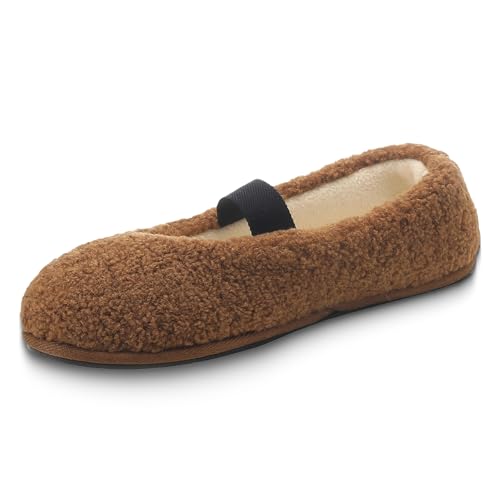
Types of Ballerina Slippers Compared
Four types cover nearly everything sold under this name. Prices below are typical ranges you will see, and each type trades comfort, support, and durability in a different way.
Classic Soft Sole Slippers
The classic type is a soft fabric or suede upper on a thin flexible sole, often with a small bow and elastic trim that hugs the foot. Prices usually run about $15 to $30. The appeal is freedom. Your foot moves naturally, the slipper folds into a drawer or bag, and the look is the closest to a real ballet shoe. The trade off is protection. Thin soles let you feel every edge and cold floor, and there is almost no cushioning for long standing. Choose this type for light wear, short tasks, and warm floors.
Cushioned and Memory Foam Slippers
This type keeps the ballet shape but adds a foam insole, sometimes layered, that molds to your foot over the first week of wear. Expect about $25 to $45. The foam softens steps on tile and hardwood and makes kitchen standing far more pleasant than a flat sole. The downside is heat and lifespan. Foam holds warmth, which some people love in winter and dislike in summer, and it slowly flattens after months of daily use. Choose this type if comfort while standing is your top need at home. Shoppers comparing foam quality across styles may also enjoy our guide to the best quality slippers for notes on materials that last.
Structured Sole and Arch Support Slippers
Structured types add a firmer rubber outsole and a shaped footbed with gentle arch support, while keeping the neat ballet outline on top. Prices usually run about $35 to $60. These are the best choice for all day wear, mixed indoor and quick outdoor trips like taking out trash or collecting mail, and for anyone whose feet ache in flat shoes. They feel less delicate than soft types and can look slightly chunkier. If flat shoes regularly leave your feet sore, treat that as a sign to choose support, and if pain persists, talk with a podiatrist about what your feet need.
Foldable Travel Slippers
Foldable types are built to roll or fold flat into a small pouch, using very light uppers and thin segmented soles. They cost about $12 to $25 and shine in suitcases, hospital bags, and guest rooms, where any slipper is better than cold floors. Comfort is modest and durability is the lowest of the four types, since thin soles wear through with daily use. Choose them as a second pair for travel, not as your main house slipper. Many buyers keep one structured pair at home and one foldable pair in a bag, which covers both needs cheaply.
Cushioned Slippers vs Structured Sole Slippers: Which Should You Choose?
These two types suit most buyers, so compare them on the points that decide daily happiness. For pure softness during the first steps of the morning, cushioned foam wins, because it absorbs impact on hard floors right away. For hours of wear, structured soles win, because a shaped footbed supports your arch instead of letting your foot flatten and tire. For outdoor trips, structured soles win again, since rubber grips wet pavement and shields against stones. For warmth, foam wins in cold houses. For lifespan, structured soles usually last longer, because rubber outsoles wear far more slowly than foam and fabric. If you stand while cooking for a family or work from home all day, choose structure. If you mostly wear slippers for evenings on carpet, choose cushioning and save the money.
How to Choose the Right Ballerina Slipper
Fit, Sizing, and Toe Box
Fit is the number one reason these slippers get returned. Measure your feet in the evening, when they are at their largest, and compare the length with the maker size chart rather than trusting your usual shoe size. The elastic trim should hold the heel without biting, and your toes should reach near the end without pressing the front seam. A toe box that is too narrow squeezes all day, while one that is too wide lets the slipper slide and rub. If you fall between sizes, most people do better sizing up in structured types and down in stretchy knit types, which relax with wear.
Weight and Flexibility
Light slippers feel like nothing on your feet, which is lovely for evening wear and packing. The cost of that lightness is always protection, because a sole you can roll into a ball cannot shield you from a dropped pan lid or a cold stone floor. Flexible soles also let your foot work harder with each step, which some people enjoy and others find tiring. Think about your hardest hour of the day at home. If that hour involves standing, stairs, or trips outside, let it outweigh the appeal of the lightest pair.
Break In Period and Comfort Out of the Box
Soft fabric and knit types feel right immediately and change little. Suede and leather look types need a few days for the upper to shape to your foot, and the elastic may feel firm on day one before it relaxes. Memory foam needs about a week of regular wear to mold properly, so judge it after several days, not after one evening. A useful test is to wear a new pair for one full morning of normal home activity. Blisters or heel slip that show up in that test rarely improve, so exchange sizes early while you still can.
Materials, Washing, and Indoor Outdoor Use
True waterproofing is rare in this style and rarely needed, since these are house shoes. What matters more is how the upper handles washing and how the sole handles a damp patio. Knit and microfiber uppers often tolerate machine washing on a gentle cycle, which keeps them fresh. Suede needs spot cleaning only. If you step outside often, choose a rubber outsole with real tread rather than a fabric sole, which turns slick on wet tile and wears fast on concrete. Breathable uppers matter in warm homes, where a lined winter style can feel hot by midday.
Cushioning and Support
Cushioning is the soft layer that absorbs step impact, while support is the shaping that holds your arch and heel in a natural position. Flat ballerina shapes offer little of either by default, so check the product details for insole thickness and any mention of arch contour. A heel cup, even a shallow one, stops your foot sliding side to side and reduces strain over a long day. Readers managing foot ache at home often compare options in our guide to the best slippers for plantar pain relief, and anyone with ongoing pain, numbness, or a condition like diabetes should ask a clinician before choosing very flat footwear.
Setup and Care Tips
- Air them out after wear. Soft uppers absorb moisture, so leave slippers open in a dry spot overnight rather than in a closed closet, which keeps odors away.
- Wash gently and dry flat. Where the maker allows washing, use a gentle cycle and air dry away from direct heat, since heat warps foam and cracks suede.
- Rotate two pairs for daily wear. Foam and fabric recover shape when rested a day, so two modest pairs often outlast one expensive pair worn nonstop.
- Replace them when the sole thins. Once you can feel floor texture through the sole or the tread is smooth, protection is gone even if the upper still looks pretty.
FAQs
Are expensive ballerina slippers worth it?
They are worth it when the extra money buys a rubber outsole, a shaped footbed, and stronger stitching, because those parts decide lifespan and all day comfort. They are not worth it when the price only buys decoration. A practical test is cost per month. A pair at about $50 worn daily for a year often beats three pairs at about $20 that each flatten within four months.
Can I wear ballerina slippers all day?
You can wear structured or well cushioned types all day at home if your feet feel fresh by evening. Thin soft sole types are better kept for shorter wear, because they offer almost no support over many hours. Pay attention to end of day aches in your arches or heels. That pattern usually means you need more support, not more softness.
How long is the break in period for ballerina slippers?
Most soft types need no break in at all. Suede uppers and firmer footbeds usually settle within three to five days of normal wear, and memory foam molds within about a week. Discomfort that gets worse after a week is not break in, it is a fit problem, so change sizes or styles rather than pushing through pain.
Do ballerina slippers need waterproof soles?
No, most wearers do not need waterproof soles for indoor use. What you may need is a rubber outsole if you step onto wet porches or garage floors, because fabric soles slip and soak through instantly. Save waterproof thinking for outdoor shoes, and for slippers judge the sole by grip and thickness instead, which matter every single day at home.
How often should I replace my ballerina slippers?
Replace daily wear pairs about every six to twelve months, sooner if the foam stays flat after a day of rest or the sole tread has worn smooth. Travel pairs used a few weeks a year can last for years. A simple check is the cold floor test. If you feel the chill through the sole on a winter morning, the insulation and cushioning have thinned past their useful life.
How should ballerina slippers fit?
They should feel snug at the heel, relaxed across the toes, and secure without the elastic leaving a deep mark. Your longest toe should sit close to the end without pressing hard when you stand. Walk on a hard floor, not just carpet, when testing fit at home, because sliding and heel lift show up clearly on smooth surfaces. Our guide to the best slippers for women has more sizing notes for similar close fitting styles.
The Bottom Line
Pick your type first, soft, cushioned, structured, or foldable, then get the fit right with evening measurements and a hard floor test. Support matters more than softness if you wear them for hours. Compare your shortlist with the product table above, and the best ballerina slippers for your home will be the pair you forget you are wearing.