Best Ballerina House Slippers: Budget, Midrange, and Premium Picks for 2026
Disclosure: We may earn a commission when you buy through links on this page, at no extra cost to you. As an Amazon Associate I earn from qualifying purchases. Learn more

Want the best ballerina house slippers without overspending? Learn what each price tier delivers, which upgrades are worth paying for, and how to choose.
Prices for this style run from under $20 to well over $80, and the gap is not always obvious from photos, since nearly every pair looks like a simple soft flat. The best ballerina house slippers for you depend on where the money goes in your pair, whether that is cushioning, a real rubber sole, or warm natural materials.
This guide breaks down what each price tier usually delivers, which upgrades repay their cost, and which extras you can skip with confidence. Start with the comparison table below, then use the tier sections to set a budget before you shop.


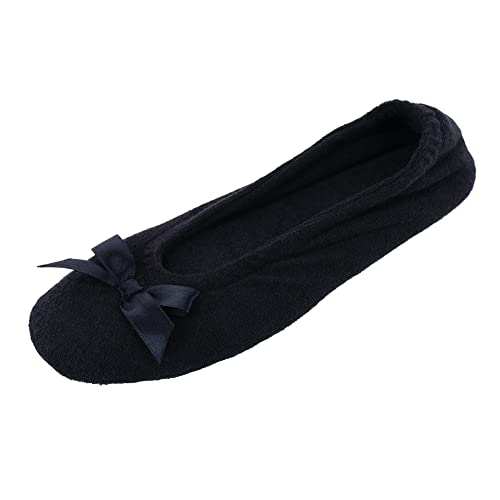


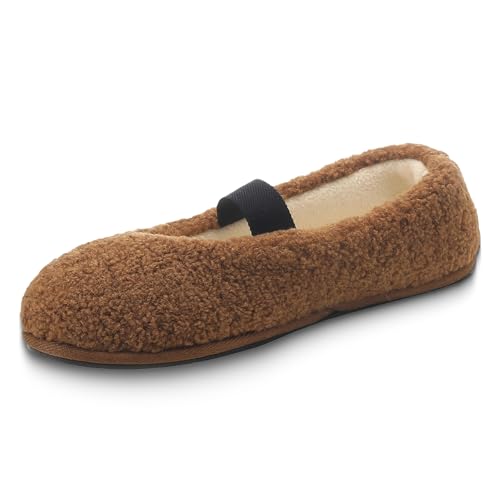
Budget Tiers Compared: Where Your Money Goes
Instead of chasing a single named pair, shop by tier and check the features each tier normally includes. The profiles below describe the buyer each tier suits best, so you can place yourself before comparing individual listings in the product table above.
Budget Tier Buyer Profile
Budget pairs, often around $15 to $30, suit occasional wear, guest slippers, travel, and trying the ballerina style for the first time. Expect a soft fabric upper, a thin padded insole, and a light sole meant for smooth indoor floors. The main limits are cushioning that flattens within months and soles with modest grip on tile. If you wear house slippers for an hour or two in the evening, this tier can be entirely sensible, as long as sizing runs true and the heel does not slip.
Midrange Tier Buyer Profile
Midrange pairs, often around $30 to $55, suit daily wearers who are on their feet at home for cooking, chores, and childcare. This tier usually adds memory foam or layered cushioning, a firmer rubber outsole with better grip, and stronger stitching at the toe and heel. Fit also tends to be more consistent, with more half sizes or width choices in some ranges. For most buyers this is where comfort per dollar peaks, because the upgrades target the parts that wear out and cause complaints in cheaper pairs.
Premium Tier Buyer Profile
Premium pairs, often around $55 to $90 or more, suit all day wearers, people with sensitive feet, and anyone who has worn through cheaper pairs quickly. The extra money usually buys natural materials such as wool or suede, a contoured footbed with real arch support, and a durable outsole you can wear to the mailbox or porch. Warm lined versions overlap with cold weather styles, and our guide to the best winter house slippers covers insulation choices if warmth is your main reason for spending more.
What Your Money Gets You at Each Price Tier
Tiers are patterns, not guarantees, so always check the details of a specific listing against these expectations. A well made midrange pair can beat a poor premium one, and a simple budget pair can be perfect for light use.
Budget Tier: What to Expect
Expect synthetic or cotton blend uppers, light padding, and a sole designed for carpet and smooth floors rather than outdoor steps. Elastic around the opening keeps the low cut shape on your foot, though it can loosen with heavy use. Colors and patterns are plentiful at this level, which makes budget pairs fun as gifts and spares. The honest trade off is lifespan, since thin foam and glued construction rarely survive daily wear beyond a season or two.
Midrange Tier: The Sweet Spot for Most Buyers
Midrange pairs add the features daily wearers actually feel, including denser cushioning that keeps its shape, a textured rubber sole for kitchen tile, and reinforced seams. Many include removable insoles, which helps with washing and odor control. This tier also tends to offer better sizing guidance and easier returns, which matters in a style where heel fit varies. If you are comparing the wider category as well, our guide to the best house slippers shows how ballerina styles sit alongside mules and booties.
Premium Tier: When Spending More Pays Off
Spending more pays off when the upgrades match a real need, such as wool that regulates temperature in both warm and cool rooms, or a supportive footbed that eases tired arches after long days. Premium construction also tends to age gracefully, with uppers that keep their shape and soles that resist smoothing. It does not pay off for decorative extras you will not feel, or for fashion colors at a large markup. Buy premium for materials and support, not for a label.
Features Worth Paying For (and Ones to Skip)
A short feature check keeps you from paying for the wrong upgrades. Work through these four points in order, because fit and support decide daily comfort far more than appearance.
Cushioning and Support
Cushioning should feel soft at first step yet firm enough that you do not sink straight to the floor, and a gentle heel to toe drop is less important indoors than even support across the foot. If your feet ache in flat shoes, look for a contoured footbed rather than a flat foam pad, and see our guide to the best support house slippers for support focused designs. Persistent foot pain, numbness, or swelling deserves medical advice, so talk with your clinician about your personal needs rather than relying on slippers to fix it.
Break In Period and Comfort Out of the Box
Ballerina styles should feel comfortable almost immediately, since there is little stiff structure to soften. A short break in of a few wears can ease tight elastic or a snug toe, but pinching across the toes or a heel that slips from the first step signals the wrong size or shape. Wool and suede uppers relax a little more than synthetic ones over the first week. If comfort depends on thick socks to stop slipping, the pair does not truly fit.
Durability and Expected Lifespan
The sole edge, the toe seam, and the elastic opening are where this style usually fails first. A stitched or well bonded rubber sole outlasts a thin fabric covered base, and dense foam keeps cushioning longer than very soft foam. Indoor slippers do not face mileage like running shoes, which are often replaced after about 300 to 500 miles, but daily indoor steps add up across a year. Rotating two pairs rests the foam and can extend the life of both.
Fit, Sizing, and Toe Box
Measure your feet late in the day and match the result to the size chart for the specific brand, since ballerina sizing varies more than sneaker sizing. Your heel should stay in the low back without gripping, and your toes need room to lie flat, so a rounded and slightly roomy toe box beats a pointed fashion shape. If you are between sizes and plan to wear socks, the larger size usually works better. Older wearers or anyone unsteady should favor a secure heel and strong grip, and our guide to the best house slippers for elderly wearers explains those safety points in full.
Long Term Costs to Factor In
The purchase price is only part of what a pair costs you over its life. Replacement insoles, gentle washing, and eventual replacement all add up, and a cheap pair replaced three times can cost more than one midrange pair that lasts. Wool and suede may need a protector spray and careful drying, while synthetic pairs usually wash easily but wear faster. Check the warranty and returns window before you buy, since an easy size exchange protects you in a style where fit is hard to judge online. Buying two pairs in a sale to rotate often lowers the cost per year of wear.
Frequently Asked Questions
How often should I replace my ballerina house slippers?
Replace them when the cushioning stays flat after a night of rest, the sole feels smooth on tile, or the elastic no longer holds your heel. Daily wearers often see those signs after about a year, while occasional wearers may get two years or more. A simple press test with your thumb shows whether the foam still springs back. Worn grip is a safety issue, so do not keep a slippery pair for kitchen use.
Are expensive ballerina house slippers worth it?
They are worth it when the price buys materials and support you will feel daily, such as wool uppers, a contoured footbed, and a durable rubber sole. They are not worth it for light evening wear, where a budget or midrange pair feels much the same. Hours of daily wear is the clearest dividing line. If your feet tire quickly in cheap pairs, the upgrade usually earns its cost within months.
Can I wear ballerina house slippers all day?
You can wear supportive pairs all day at home, but the flattest budget styles offer little protection for hours of standing on hard floors. Alternate with a supportive shoe for long cooking or cleaning sessions if your feet or back begin to ache. A cushioned midrange or premium pair handles all day wear far better. Listen to your feet, since soreness that builds daily is a sign the pair lacks support for your routine.
How long is the break in period for ballerina house slippers?
Most pairs need only two or three wears for the upper and elastic to settle to your foot shape. Slight snugness across the top is normal at first and should ease without pain. Blisters, toe pressure, or constant heel slip are not break in issues and rarely improve. Try a new pair indoors on clean floors so an exchange stays possible if the fit is wrong.
How should ballerina house slippers fit?
They should hug the heel gently, leave your toes flat and uncurled, and stay on when you walk quickly or climb stairs. A small amount of room in front of your longest toe is right, while a gap at the heel invites slipping. Try them in the evening with the socks you plan to wear. If you must curl your toes to keep them on, choose a different size or style.
Do ballerina house slippers need to be waterproof?
No, most wearers do not need waterproofing, because this style is made for dry indoor floors. A rubber sole that resists light moisture is enough for a quick step onto a porch or into a garage. Fully waterproof treatments can make uppers stiffer and less breathable, which works against the soft ballerina feel. If you regularly step outside, choose a pair with a full rubber outsole instead of chasing waterproof claims.
Final Thoughts
Set your tier by how many hours a day you wear them, then put fit and sole grip ahead of color and decoration. The right best ballerina house slippers purchase is the pair you can walk, cook, and climb stairs in without thinking about your feet. Check your size against the product table above, and favor the tier that matches your real routine rather than your most ambitious one.