Best Ball Watches: Collections Compared and How to Choose 2026
Disclosure: We may earn a commission when you buy through links on this page, at no extra cost to you. As an Amazon Associate I earn from qualifying purchases. Learn more

Compare Ball Watch Company collections by case size, movement, water resistance and price before you buy.
Shopping for the best ball watches means shopping for one specific maker: Ball Watch Company, a Swiss brand that grew out of American railroad timekeeping. Its watches are known for self-glowing tritium markers, strong magnetic and shock protection, and a rugged tool-watch look, and they sit in the mid-luxury price range rather than the budget one.
This guide explains how the main collections differ, what the technical terms on the dial and case back mean, and how to size, price and care for one before you order. The product table shows the models currently available, and the sections below help you choose among them.

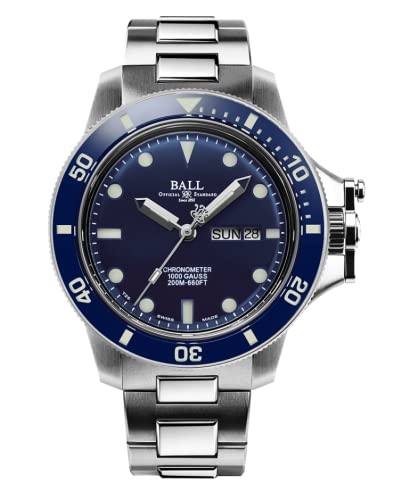
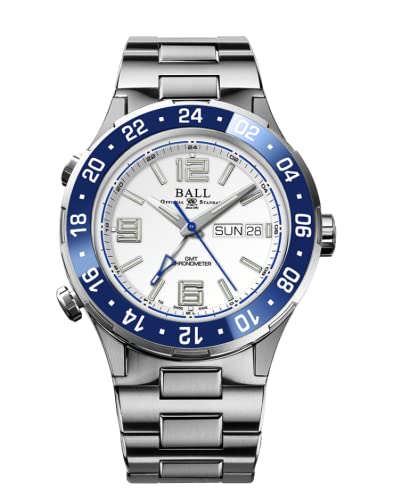
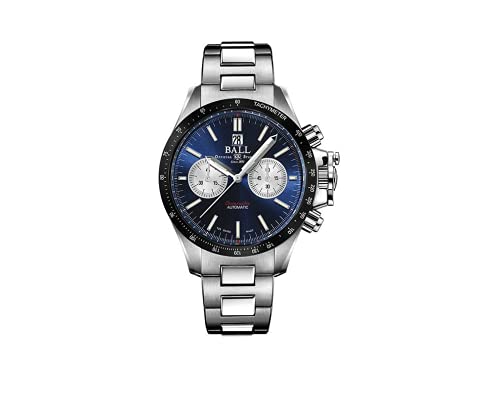


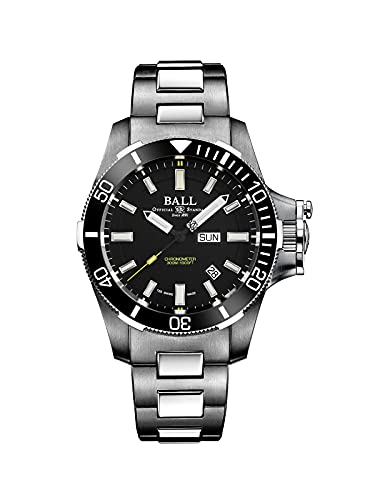
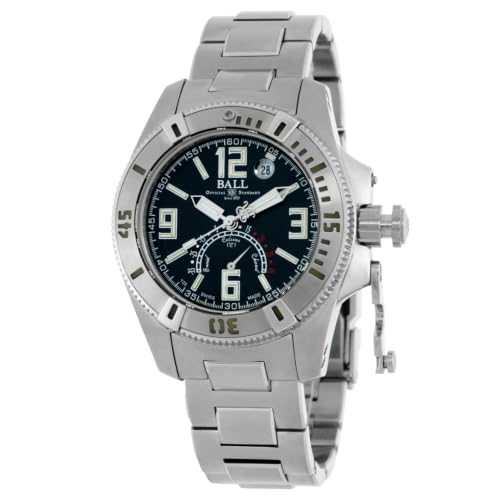
What Ball Watches Are Known For
The brand began in the late nineteenth century, when railroads needed conductors and engineers to carry watches accurate enough to keep trains from colliding. Ball became a reference name for railroad standard watches, and today's collections still borrow that heritage in their clear dials, strong lume and tough cases.
Three traits show up across most of the range. Tritium gas tubes, which the brand calls micro gas lights, glow all day and night without charging from a lamp. Anti-magnetic construction shields the movement from phones, laptop speakers and tablet covers. Shock protection, usually a spring-loaded system around the movement, helps the watch survive knocks that would throw a thinner dress watch out of time.
Main Ball Watch Collections Compared
Most buyers choose among a handful of lines. Pick the line first, then narrow by size, bezel and dial color.
| Collection | Character | Best for |
|---|---|---|
| Engineer Hydrocarbon | Rugged dive-style case with a rotating bezel | Daily wear, travel, water sports |
| Trainmaster | Dressier, railroad-inspired dial | Office wear and formal settings |
| Roadmaster | Sporty, with GMT and marine versions | Travelers and outdoor use |
| Submarine Warfare | Heavy-duty diver with a ceramic bezel | Serious water use and collectors |
Engineer Hydrocarbon
The Engineer Hydrocarbon is the line most people picture when they hear the brand name. It pairs a steel case and rotating bezel with high water resistance and heavy tritium lighting, so it works as a diver, a desk watch and a weekend watch. Chronograph and racer versions add timing functions if you want more than the time.
Trainmaster
The Trainmaster leans toward the brand's railroad roots. Its dials are cleaner and easier to wear under a shirt cuff, and the cases are usually slimmer than the diver lines. It suits buyers who want one watch that works at the office and on the weekend.
Roadmaster
The Roadmaster line is aimed at travel and the outdoors. Marine and GMT versions let you track a second time zone, which helps if you work with colleagues in other countries or fly often.
Key Features to Compare
Case Size and Wrist Fit
Cases run from about 38 to 43 mm across, and the thickness matters as much as the diameter. A 40 mm watch suits most wrists, while smaller wrists often prefer 38 to 40 mm and larger wrists can carry 42 to 43 mm comfortably. Measure the width of your wrist and compare it with the lug-to-lug length where it is listed, because a long case can overhang the wrist and sit awkwardly.
Movement Type
Most models use an automatic mechanical movement, which winds from the motion of your wrist. Automatics do not need batteries, but they do need to be worn or wound every few days, and they usually gain or lose a few seconds a day. If you prefer a watch you can leave in a drawer for weeks, check whether the model you like is quartz instead.
Water Resistance
Diver-style models offer far more water resistance than dress-style ones. A rating of 100 meters covers swimming and snorkeling, while higher ratings are meant for diving. Check the rating on the case back or listing, and keep the crown fully screwed down near water.
Lume and Legibility
Tritium tubes make the hands and markers glow steadily, which helps in dark rooms, early mornings and night shifts. The glow dims gradually over many years, so it is a long-lasting feature rather than a permanent one.
Strap and Bracelet
Steel bracelets look the most robust and suit daily wear, while leather and rubber straps feel lighter on a hot day. Many cases accept standard lug widths, so changing the strap later is an inexpensive way to refresh the look.
Price Range and Value
Expect to spend roughly $2,000 to $4,000 for current models, with limited editions and chronographs near the top. That puts them above entry-level Swiss watches and below high-end luxury names. Value here comes from the movement, the tritium lighting and the build, not from precious metals or brand marketing.
Because the price is significant, buy from a seller that includes the maker's warranty and a clear return window, and keep the box and papers. Check that the model number on the listing matches the dial and bracelet you want, since several colorways share a similar name.
Common Mistakes to Avoid
- Confusing Ball Watch Company models with novelty magnetic ball watches that use rolling beads for the time.
- Ordering a 43 mm case for a small wrist without checking the lug-to-lug length.
- Assuming every model is a diver, when dress-style lines have lower water resistance.
- Skipping the warranty details on a high-priced purchase.
- Leaving an automatic unworn for weeks and then assuming it is faulty when it stops.
Care and Servicing
Wipe the case and bracelet with a soft damp cloth after sweaty or salty use, and dry the watch before storing it. Keep it away from strong magnets, even though the movement is shielded, and avoid knocking the crown against hard edges.
Mechanical movements benefit from a service every several years, and water resistance seals should be checked at the same time. Use a watchmaker who works on Swiss automatics and ask about the cost before you commit, since a service is part of the real cost of owning a mechanical watch.
Frequently Asked Questions
Are Ball watches good for everyday wear?
Yes. The steel cases, shock protection and strong lume are built for daily use, and the Engineer and Trainmaster lines work in both casual and office settings.
What does tritium lighting do on a watch dial?
Tritium gas tubes glow on their own, so you can read the time in the dark without holding the watch under a lamp first. The light fades slowly over many years.
Do Ball watches need batteries?
Most automatic models do not. They wind from wrist movement, so they need regular wear. Quartz models use a battery that a watchmaker can replace.
Which Ball watch collection should a first-time buyer choose?
The Engineer Hydrocarbon is the most versatile starting point because it handles water, travel and daily wear. Choose the Trainmaster if you want a dressier look.
Final Thoughts
Pick the collection that matches how you will wear it, check the case size against your wrist, and confirm the warranty before you pay. Use the product table above to compare the models on offer, and the best ball watches for you will be the one that fits your wrist, your routine and your budget.