Best Ball of Foot Cushions for High Heels: Types Compared and How to Choose for 2026
Disclosure: We may earn a commission when you buy through links on this page, at no extra cost to you. As an Amazon Associate I earn from qualifying purchases. Learn more

Compare gel, foam, and fabric ball of foot cushions for high heels by fit, grip, and all day comfort before you buy.
Shopping for best ball of foot cushions for high heels usually starts with sore feet after a long day, not with fashion. The ball of the foot takes much of the pressure in heels, because the raised heel shifts weight forward onto a small area. A good cushion spreads that pressure, stops the foot sliding forward, and stays in place without bunching or showing at the shoe edge. The comparison table below shows the main cushion types side by side.
Fit matters more than thickness. A pad that is too thick can crowd the toes and make shoes feel tight, while a pad that is too thin may not relieve pressure at all. Shape matters too, because a pad should sit under the ball of the foot, not under the toes or the arch. Try cushions at home with the shoes you actually wear, and walk around the house before committing to a full day out.
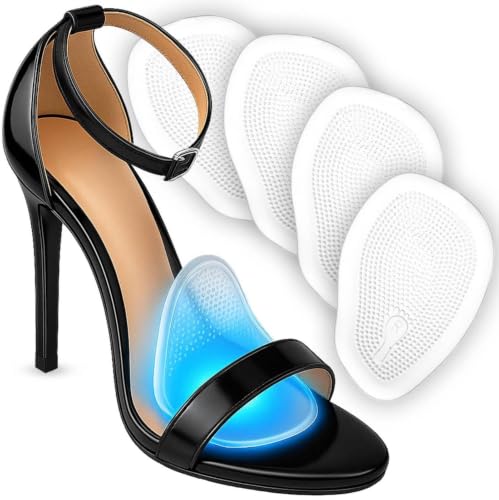


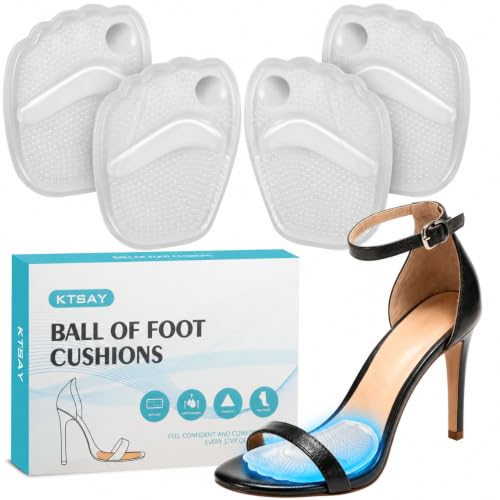
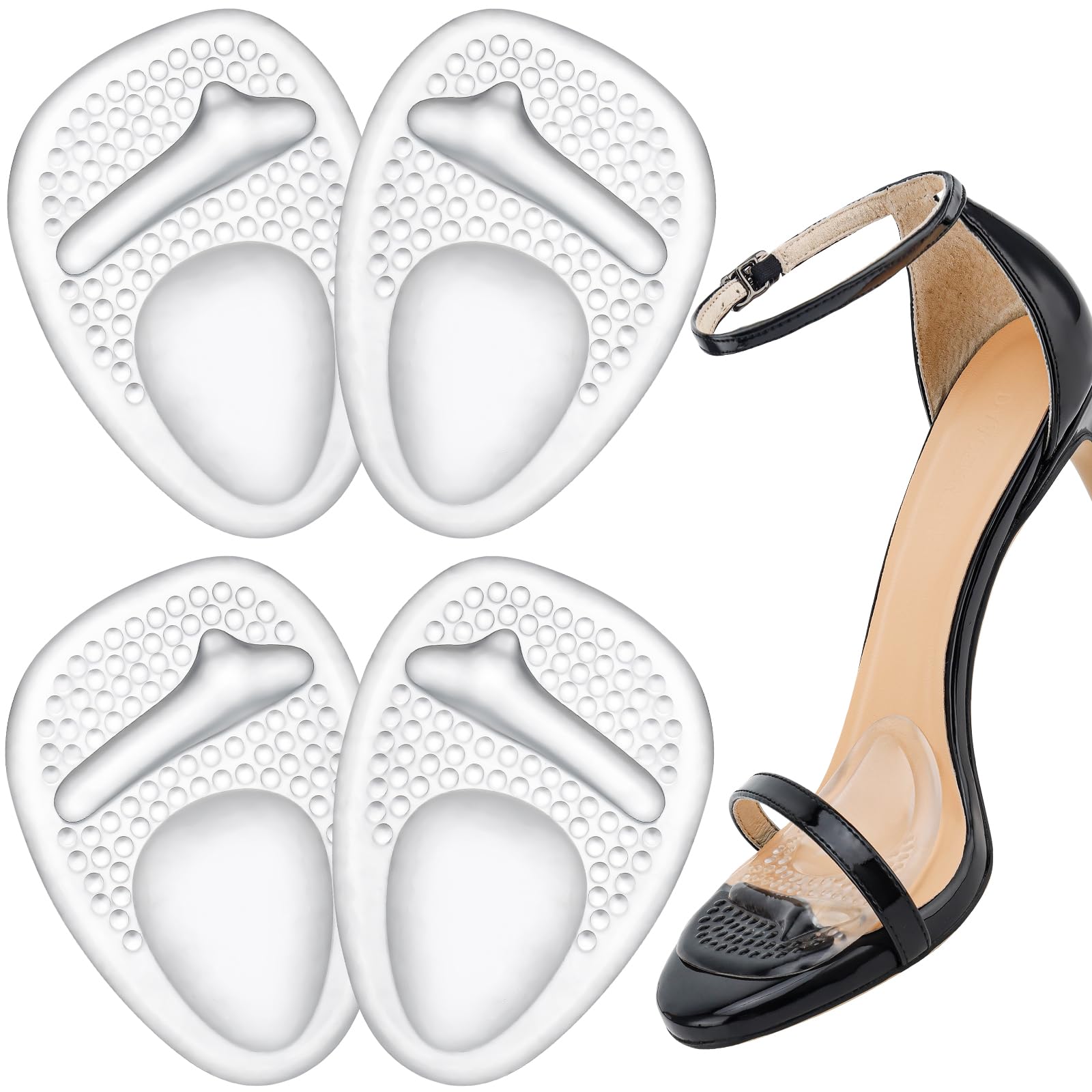


Cushion Types Compared
Gel cushions feel soft and springy, and they mould slightly to the foot shape under pressure. They suit pointed and narrow shoes well, because they add comfort without much bulk. Foam cushions feel lighter and can breathe better, which helps in warm weather or closed shoes that trap heat. Fabric covered pads add grip and a softer feel against skin, and they can be washed or replaced more easily when they wear.
Adhesive pads stick to the shoe insole and stay put during wear, while non adhesive inserts can be moved between pairs. Adhesive types suit a favourite pair worn often, since they do not shift, but they may lose grip after washing or long use. Moveable inserts suit people who rotate shoes, though they need checking during the day to be sure they have not slid forward. Choose the fixing style that matches how often you switch shoes.
Key Features Explained
Thickness and Shape
Thickness should relieve pressure without changing shoe fit. Start with a slim pad and move thicker only if pressure remains, because too much bulk can squeeze toes and cause new soreness. Shape should match your shoe style: teardrop pads suit pointed toes, while wider pads suit round toe and open toe shoes. Trimming is rarely a good idea, since a cut edge can curl and irritate skin.
Grip and Staying Power
A cushion that slides forward bunches under the toes and makes walking worse, so grip matters as much as softness. Look for a textured base or a reliable adhesive, and test the pad with a walk around the house before a long outing. Socks and hosiery change grip, so test with the hosiery you plan to wear. If a pad moves often, it is the wrong shape or fixing for that shoe, not a fault you should tolerate all day.
Breathability and Skin Comfort
Closed shoes trap heat, and a pad that holds moisture can irritate skin over a long day. Foam and fabric covers tend to breathe better than solid gel, though gel often feels cooler at first touch. If your skin reacts to adhesives, choose a non adhesive insert or a fabric covered pad and test it for a short period first. Replace pads when they flatten, crack, or lose their shape, since worn pads stop spreading pressure evenly.
Who Should Buy Which Type
Occasional heel wearers often do well with slim gel pads that add comfort without changing fit. Daily heel wearers may prefer durable foam or fabric pads that breathe and hold shape through repeated use. People with narrow or pointed shoes should choose slim, shaped pads that sit neatly without peeking out at the shoe edge.
General heel cushions cover a wider range of shoe styles, so compare them when you wear heels of several heights.
Broader foot cushion guides include arch and heel options that can pair with a ball pad for fuller comfort. See our guide to best foot cushions for high heels for more detail.
High heel cushion guides compare full foot solutions, which can help if pressure spreads beyond the ball of the foot. See our guide to best high heel cushions for more detail.
Shoe cushion options range from slim inserts to fuller pads, so check which style suits your shoe shape best. See our guide to best shoe cushions for high heels for more detail.
Mistakes to Avoid
A common mistake is placing the pad too far forward, under the toes, where it adds pressure instead of relieving it. The pad should sit just behind the toe joints, under the fleshy ball of the foot. Another mistake is buying the thickest pad available, which can crowd the shoe and cause toe pain or blisters. Start slim and adjust only if needed.
Wearing brand new cushions for a full day without a trial is also risky. Test them at home for an hour or two, and check for redness, sliding, or bunching. If pain persists, worsens, or appears in one foot only, stop and seek advice from a clinician, since persistent foot pain can signal a problem that a cushion alone will not fix. Cushions support comfort, they do not treat medical conditions.
Care and Everyday Use
Remove adhesive pads gently to avoid damaging insoles, and clean inserts as the maker directs. Let pads dry fully before reuse, since damp pads lose grip and can irritate skin. Keep a spare pair in your bag during long events, so a pad that shifts or flattens can be replaced rather than endured.
Rotate shoes when possible, since alternating heel heights and styles spreads pressure across different parts of the foot. Stretch and rest feet after long days in heels, and note which pad and shoe combinations felt best. That simple record saves money, because you stop buying pads that never suited your shoes in the first place.
A Final Check Before You Order
Before a long day out, test a new pad and shoe combination at home for an hour or two, walking, standing, and sitting as you would at the event. Check for sliding, bunching, redness, or new pressure points, and adjust placement slightly until pressure feels spread evenly. That short trial prevents a full day of discomfort that no amount of determination can fix gracefully.
Keep a spare pair of pads in your bag during weddings, conferences, and long celebrations, since a pad that flattens or loses grip midday can be swapped in seconds. Note which pad shapes worked with which shoe styles, because pointed, round, and open toe shoes each suit different pad profiles. That small record saves repeat purchases of pads that never suited your shoes.
Rotate heel heights across the week when possible, giving feet recovery days in lower shoes or flats between long heel days. Stretch calves and feet after heel wear, and rest feet promptly if soreness appears rather than pushing through pain. Comfort habits plus well fitted pads keep heel wearing enjoyable instead of turning every outing into an endurance test.
Frequently Asked Questions
Where exactly should the pad sit?
The pad should sit under the ball of the foot, just behind the joints where the toes meet the foot. If it sits under the toes, it can push them upward and cause soreness. If it sits too far back, it can press the arch and feel lumpy. Place it, stand, and walk a few steps, then adjust until pressure feels spread evenly across the ball rather than focused on one spot.
Will a cushion change my shoe size?
A slim pad rarely changes fit noticeably, but a thick pad can make shoes feel tighter, especially in pointed or narrow styles. If your shoes already feel snug, choose the slimmest pad that still relieves pressure. Test with the hosiery you plan to wear, since thicker hosiery also takes up room. If shoes become painful with any pad, the shoe shape may be the real problem.
Gel or foam: which lasts longer?
Gel pads often keep their soft feel for a long time but can flatten under daily heavy use. Foam pads may compress sooner, yet they breathe better and feel lighter. Lifespan depends on wear frequency, shoe tightness, and cleaning. Replace any pad that has flattened, cracked, or lost grip, since a worn pad no longer spreads pressure evenly and may slide during wear.
Can cushions help with foot pain?
Cushions can ease pressure related soreness from long days in heels, but they do not diagnose or treat foot conditions. Pain that is sharp, persistent, one sided, or paired with swelling, numbness, or skin changes deserves prompt attention from a clinician. Use cushions for comfort, not as a substitute for advice, and stop wearing heels that repeatedly cause pain while you seek guidance.
How do I stop pads sliding forward?
Sliding usually means the wrong shape, size, or fixing for that shoe. Check placement first, then try a pad with stronger grip or adhesive. Test with your usual hosiery, since smooth hosiery lets pads move more easily. If sliding continues in one pair, that shoe may have a slick insole or a shape that does not suit inserts, and a different pad style may work better.
Final Thoughts
Comfort in heels comes from a pad that fits the shoe, sits in the right spot, and stays put without adding bulk. The product table above compares the main types, and the sections here explain how each feature feels in daily wear. Start slim, test at home, and replace pads when they flatten or lose grip.
With a good match, best ball of foot cushions for high heels can turn a long day from an endurance test into a comfortable outing. Listen to your feet, and seek clinician advice if pain persists rather than pushing through it.