Best Backcountry Watches: Types Compared and How to Choose for 2026
Disclosure: We may earn a commission when you buy through links on this page, at no extra cost to you. As an Amazon Associate I earn from qualifying purchases. Learn more
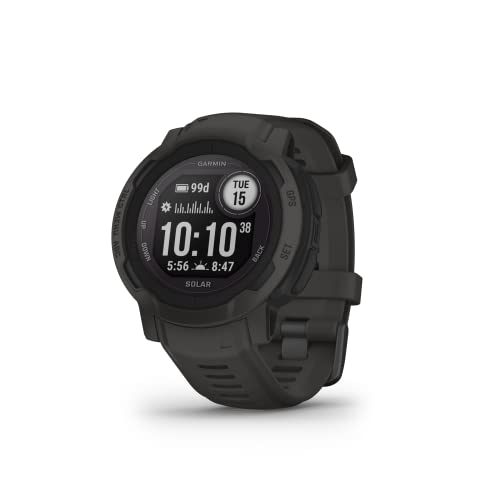
Compare the best backcountry watches by type to learn about GPS, battery life, solar charging, durability, and which style fits your trips best.
Backcountry gear fails in unfriendly places, so your watch choice carries more weight than a normal style purchase. This guide compares the best backcountry watches by type, so you can match power source, navigation tools, and toughness to the trips you actually take.
You will see how solar, automatic, smart, and quartz designs differ in battery life, weight, and upkeep. Start with the comparison table below, then read the type sections to narrow your choice before you spend trail money on the wrong tool.
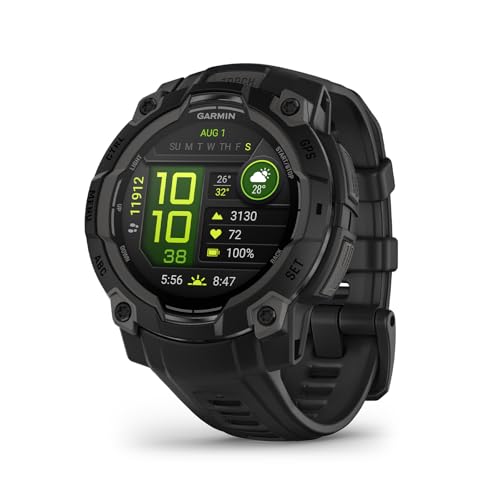
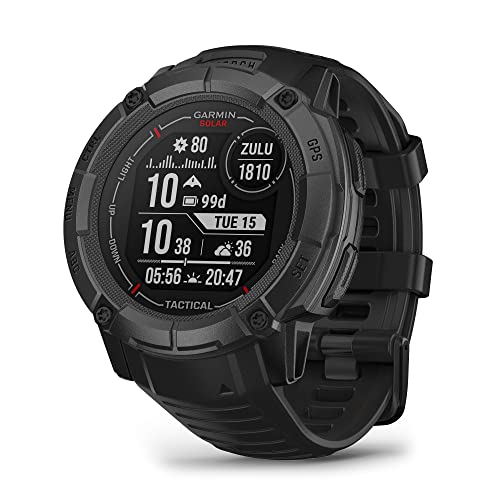


Types of Backcountry Watches Compared
Think of the four types as four answers to one question: where does the watch get its power, and what does it do with it? Smart designs spend power on GPS and screens. Solar designs harvest light. Automatic and quartz designs spend almost nothing and last, but they tell time and little else without extra instruments.
Your trip length decides a lot. A weekend hiker can recharge often and enjoy smart features, while a week long trek far from outlets rewards solar or simple quartz reliability. Weight, glove friendly buttons, and legibility in bright sun matter on every type.
Solar Watches
Solar watches charge through the dial whenever light reaches them, indoors or on the trail. In the backcountry this means a watch that can run for months without a cable, as long as sleeves and gloves do not keep it in darkness all day. Many solar field models add tough cases, 100 to 200 meters of water resistance, and simple tough designs built for knocks.
The strengths are freedom from charging and strong reliability. The limits are fewer navigation tools than a smartwatch and a rechargeable cell that will eventually need specialist service after many years. Choose solar if your trips run long, your pack weight matters, and you want time, date, and basic timers without daily charging chores.
Automatic Watches
Automatic watches wind themselves from wrist motion and need no battery at all. A well made automatic field watch with a steel or titanium case and a sapphire crystal can handle decades of trips, and it will never die from a drained cell at a trailhead.
The trade offs are real. Accuracy drifts by seconds per day, the watch stops after about two days off the wrist, and servicing every five to seven years costs real money. There is no GPS, no altimeter, and no backlight beyond lume. Choose an automatic when you navigate by map and compass and you value a lifelong mechanical tool over data.
Smartwatches
Smartwatches are small trail computers. GPS tracks your route, an altimeter and barometer follow elevation and weather trends, a compass guides you, and maps on some models show the trail itself. Heart rate and sleep data add training insight that no classic watch can offer.
The cost is battery life and fragility of attention. Expect days rather than months per charge with GPS running, and plan a small power bank on longer trips. Screens can wash out in fierce sun, and touch controls fight you when gloves are on, so prefer models with real buttons. Choose smart when navigation help and trip data are worth the charging routine.
Quartz Watches
Quartz watches run on a small battery with superb accuracy and very low prices compared with the other types. A simple quartz field watch is light, thin, and easy to read, and a battery often lasts two to three years, which covers a lot of trail seasons.
The limits are plain: no charging in the field, no smart features, and a dead battery means a dead watch until you reach a town. Carry a spare battery on remote trips if your model allows simple changes, or treat a quartz watch as a backup to a phone and map. Choose quartz for value, simplicity, and a second watch that just works.
Solar Watches vs Automatic Watches: Which Should You Choose?
Compare these two on five points. Power: solar feeds on light you already walk through, while automatic feeds on motion and stops when you rest for days. Accuracy: solar quartz movements stay within seconds per month, while automatics drift daily. Features: solar models often add alarms, timers, and world time, while automatics stay pure.
Upkeep favors solar as well, since an automatic needs periodic servicing that can cost around $150 to $300. Weight and price are similar in the field category. Verdict: pick solar for long trips and low fuss, and pick automatic only when mechanical character and lifetime ownership matter more to you than precision and features.
How to Choose the Right Backcountry Watch
Brand Reputation, Warranty, and Value
Buy from a maker with a warranty of at least two years and service centers that accept mail in repairs, since your nearest trail town may be far from a dealer. Established outdoor watch lines also hold parts support longer, which matters when a strap, bezel, or cell needs replacing years later.
Value in the backcountry means cost per season of trusted use. A watch around $200 to $400 that survives five years of trips beats a bargain watch that fogs on its first river crossing. If you also train in the gym or on runs, our guide to the best workout watches covers the training side of the same purchase.
Crystal and Case Materials
Sapphire crystal earns its premium here, because packs, rocks, and ice tools scratch lesser glass quickly. Mineral crystal costs less and is fine for gentler use, but expect marks after a season of rough travel. An anti reflective coating helps you read the dial under harsh midday sun.
For cases, stainless steel is strong and repairable, titanium cuts weight on long climbs, and tough resin absorbs impacts at the lowest cost. Look for a protected crown and buttons you can press with gloves on. Ski tourers should also see our guide to the best watches for backcountry skiing, where cold weather battery behavior gets special attention.
Legibility and Style
On the trail, legibility is safety gear. Big numerals, high contrast hands, and strong lume let you check time or a timer at dusk without digging for a headlamp. A clear second hand helps with map timing and navigation legs more than most buyers expect.
Style still counts at home, since a watch you like gets worn and charged or wound as needed. A 40 to 42 mm field design on a nylon strap moves from trail to town without costume vibes. Shoppers who rank build finish highly can compare notes in our guide to the best quality watches.
Movement Type (Quartz, Automatic, Solar, Smart)
Movement choice is really an energy plan. Quartz and solar movements ask almost nothing from you and stay accurate, automatics ask for wear and servicing, and smart movements ask for a cable every few days in exchange for GPS and data.
Match the plan to your longest trip without power. Under three days, any type works. Beyond a week, solar and quartz pull ahead unless you carry a charger anyway for a phone or satellite device. Honest answers here prevent the most common regret in this category.
Case Size and Wrist Fit
Backcountry watches run large, often 42 to 47 mm for smart models, because screens and batteries need room. Check lug to lug length against your wrist so the case does not hang over the edges, which causes pressure points under pack straps and jacket cuffs.
Thickness matters too. A tall case snags on sleeves and gloves, while a slimmer field watch slides under layers cleanly. Try the watch with your actual shell jacket cuff if you can. A quick release strap makes swapping between a snug training band and a longer strap over gloves fast and tool free.
How to Make Your Backcountry Watch Last Longer
Service automatic watches every five to seven years so oils and seals stay fresh. Rinse any watch after saltwater exposure and dry it before storage, since salt and grit chew through seals and straps. Store watches away from strong magnets, and keep smartwatch batteries between roughly twenty and eighty percent charge during long off season storage.
Replace worn straps before they fail above a river or a ridge, and check spring bars each season. A lost watch in the backcountry is both a cost and a litter problem, so treat strap checks as part of your normal gear inspection.
FAQs
Is a smartwatch worth it over a classic watch for backcountry use?
It is worth it when you will use GPS tracks, elevation data, and weather alerts on most trips. Those tools add real navigation support and training insight. If your routes are familiar and well marked, a solar or quartz watch gives you time and timers with far less charging and cost, and it will still be working long after a smartwatch battery fades.
How water resistant should a backcountry watch be?
Aim for at least 100 meters of water resistance for backcountry use. That rating handles rain, river crossings, and washing up in camp with confidence, assuming seals are healthy and the crown is secured. A 50 meter rating survives splashes but leaves less margin for a soaked week, so treat 100 meters as the practical floor for serious trips.
How long does a backcountry watch battery last?
A quartz battery lasts about two to three years, a solar cell can run for many years with regular light, and a smartwatch battery lasts days per charge but loses capacity over hundreds of cycles. Cold weather shortens every battery life, sometimes sharply on ski trips. Keep a smartwatch warm under your sleeve in winter to protect both charge and screen response.
Quartz or automatic: which is better for the backcountry?
Quartz is better for most backcountry users because it is accurate, light, cheap, and unaffected by rest days in camp. An automatic suits traditionalists who navigate without electronics and accept drift and service costs. If your safety plan depends on precise timing for weather windows or tides, quartz or solar accuracy is the responsible choice.
What case size fits my wrist for a backcountry watch?
Most wrists suit 40 to 44 mm cases for classic field styles, while smart models at 45 to 47 mm fit larger wrists best. Judge by lug to lug length, not diameter alone, and leave room for the watch to sit over a base layer sleeve. If the case rocks on your wrist or the strap ends barely meet, size down before you buy.
Final Thoughts
Decide your power plan first, then demand 100 meters of resistance, sapphire or tough glass, and a fit that works with gloves and layers. With those calls made, the best backcountry watches sort themselves by trip style in minutes. Compare your finalists in the product table above and choose the watch you trust far from the trailhead.