Best Aviator Watches under 200: Every Type Explained Side by Side for 2026
Disclosure: We may earn a commission when you buy through links on this page, at no extra cost to you. As an Amazon Associate I earn from qualifying purchases. Learn more

Compare aviator watch types side by side to choose the best aviator watches under 200 for your wrist, movement taste, and daily routine and budget.
Under $200, aviator watches split into four very different types, and comparing them model by model hides the choice that actually matters. Do you want mechanical charm, set and forget accuracy, light powered convenience, or smart features on your wrist? This guide compares each type plainly so you can find the best aviator watches under 200 for your wrist and your routine without wasting money on the wrong technology.
Read the type comparison first, then the fit and water guidance, and only then look at the comparison table below. That order keeps price in perspective, because a cheap watch in the wrong type still costs you the full amount.


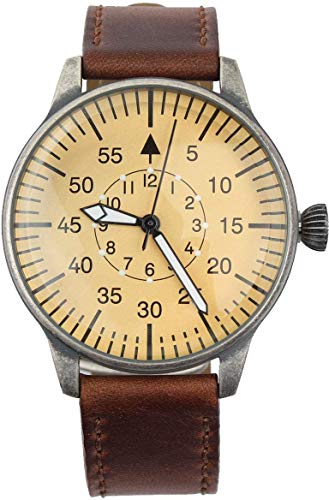


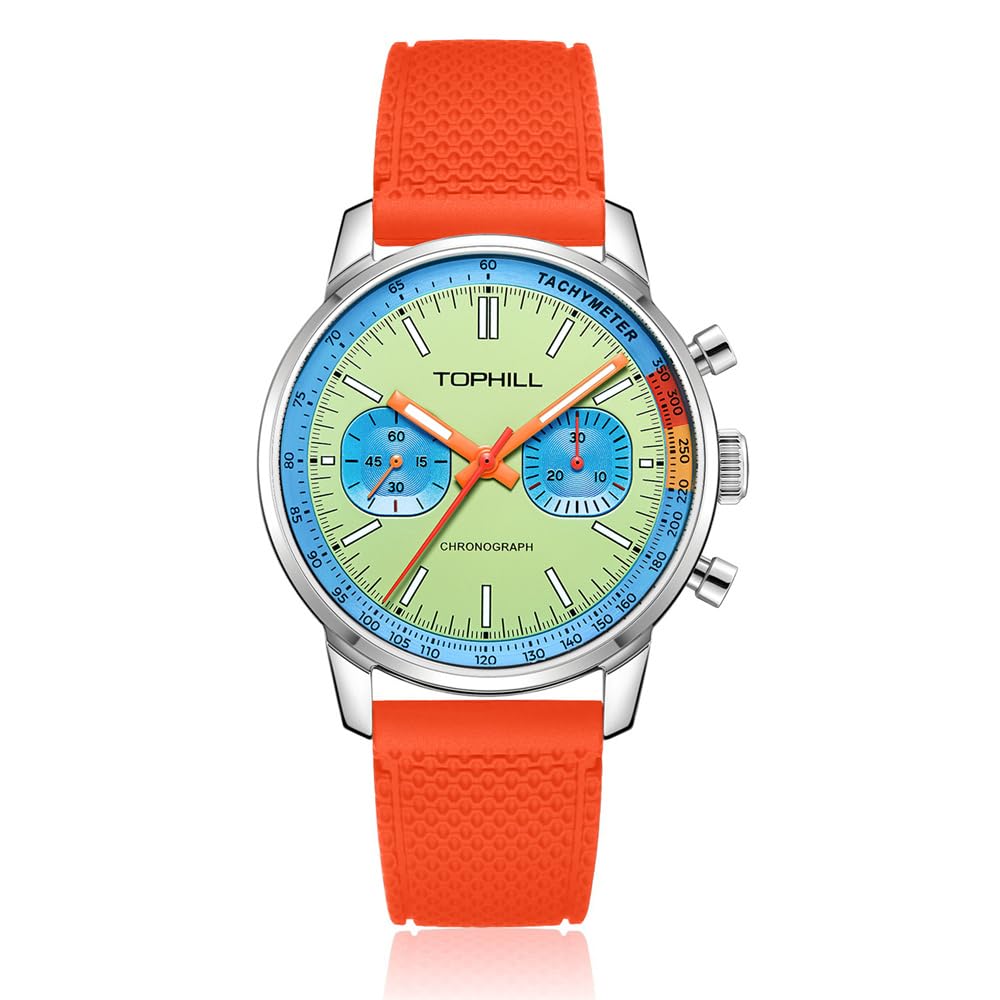
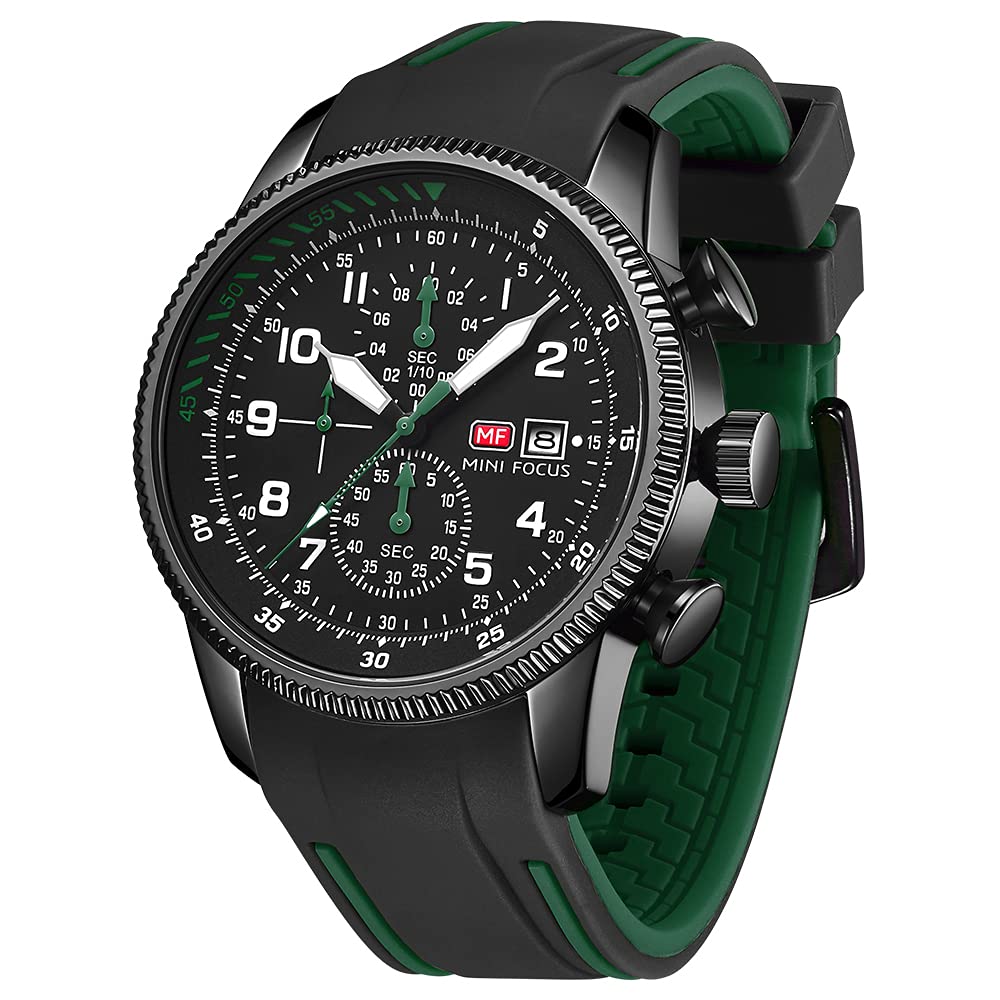
Types of Aviator Watches Compared
Here is the side by side logic in words. Automatic models suit enthusiasts who wear a watch daily and value craft, at around $120 to $200 for credible entry options. Smart models suit data lovers who will charge often, at around $100 to $200 for basic aviation styled options. Solar models suit low upkeep owners in bright climates, at around $100 to $200. Quartz models suit accuracy and value seekers, at around $50 to $150, leaving budget for straps and service.
Automatic Watches
Automatic aviator watches wind themselves from wrist motion through a rotor and mainspring. You gain a sweeping second hand, a mechanical feel that many owners love, and no battery changes. You give up accuracy, since entry automatics may drift by about 10 to 30 seconds per day, and you accept service every five to seven years that can cost a fair share of the purchase price. At this budget expect mineral glass more often than sapphire, modest water resistance, and cases around 40 to 44 mm. Choose automatic if you will wear the watch most days and enjoy setting it as part of your morning routine.
Smartwatches
Aviator styled smartwatches add GPS, notifications, activity tracking, and changeable dials that can mimic classic pilot layouts. They are the most capable type and the most demanding, with charging needed every few days and software support that will end long before a mechanical watch wears out. Aviation functions at this price are usually basic, such as world time, flight friendly dials, and phone based data, rather than full cockpit databases. Choose a smart model if data and connectivity matter more to you than longevity, and confirm phone compatibility before you buy.
Solar Watches
Solar aviator watches charge a rechargeable cell from light through the dial, so they can run for months on a full charge and rarely need attention. Accuracy is quartz grade, cases tend to be light, and upkeep is minimal as long as the watch sees regular light. The limits are fewer true pilot designs at this price, dials that must let light through, and a cell that will eventually need professional replacement after many years. Choose solar if you rotate watches often or live in a sunny place and hate both battery changes and daily charging.
Quartz Watches
Quartz aviator watches use a battery and an electronic oscillator for the best accuracy per dollar in this guide. They are thinner, lighter, and cheaper to own, with battery changes every two to three years as the main chore. At under $200 this type often delivers the strongest overall package: clear pilot dials, 50 to 100 m water resistance, and money left over for a better strap. You give up mechanical romance and the sweeping second hand. Choose quartz if you want a pilot watch that is ready every morning and correct every week without effort.
Automatic Watches vs Smartwatches: Which Should You Choose?
Compare these two popular types on five points. On accuracy, the smartwatch wins by syncing to network time, while the automatic drifts daily. On upkeep, the automatic needs service every several years, while the smartwatch needs charging every few days and replacement sooner. On flight utility, the smartwatch offers GPS and logs, while the automatic offers only time and perhaps a second time zone. On longevity, the automatic can serve for decades, while the smartwatch ages with its software. On feel, the automatic offers craft and weight, while the smartwatch offers a screen. Daily wearers who love objects choose automatic, data driven travelers choose smart, and neither choice is wrong when it matches your habits.
For a wider view of the price bracket beyond pilot styling, see our guide to the best watches under 200, which shows what the same budget buys in dive and dress designs.
How to Choose the Right Aviator Watch
Water Resistance Rating
Match the rating to your real life. A 30 m rating handles splashes only, 50 m handles showers and brief swims with care, and 100 m is the comfortable target if you swim with your watch. Many aviator models under $200 sit at 50 m, which is fine for most owners who remove the watch for water sports. Crowns on pilot watches are often large for glove use, so confirm the crown is fully pushed in before any water exposure, and never turn it while the watch is wet.
Movement Type in Daily Use
Beyond the type comparison, think about your week. If the watch will sit from Friday to Monday, an automatic may stop and need resetting, while quartz and solar will be ready. If you travel across time zones, look for an easy hour adjustment or a second time zone hand, which some pilot models include. If you work around magnets or strong electronics, quartz handles exposure more calmly than an entry automatic. Movement choice is really a routine choice, so write down how you will wear the watch before you rank movements in the abstract.
Smart and Fitness Features
Only the smart type offers GPS, heart rate, and sleep tracking in this category, and those readings are estimates for trends, not medical measurements. Talk with your clinician about any personal health question instead of relying on wrist data. For classic types, fitness value is zero, and that is acceptable if you already track activity elsewhere. Do not let a feature list pull you into the smart type unless you will charge the watch and open its app weekly, because unused features still cost money and battery life.
Case Size and Wrist Fit
Pilot watches wear large by tradition, with open dials and thin bezels that make a 42 mm case look bigger than a 42 mm dive watch. Measure your wrist and compare lug to lug length with the flat top of your wrist. Cases around 38 to 42 mm suit most wrists under $200, while 44 mm and above need a larger wrist to avoid overhang. Thickness matters for cuffs, and strap width, often 20 or 22 mm, decides how easy spare straps are to find. A quick release strap makes seasonal swaps simple and cheap.
What You Can Realistically Get Under $200
Set honest expectations for this budget. You can get a steel case, a reliable Japanese or proven quartz movement, mineral glass, decent lume, and 50 m water resistance. You usually cannot get true sapphire crystal, high grade automatic finishing, and a premium bracelet all at once, so decide which one matters and let the others go. Do not save money on legibility or fit, since a watch you cannot read quickly or wear comfortably fails its main job. Around $150 to $200 is the sweet spot where build quality steps up without crossing into the next tier.
Shoppers comparing automatic options across styles can use our guide to the best automatic watches under 200 to test whether an aviator automatic still wins on specifications. If your taste leans rugged rather than cockpit styled, our guide to the best field watches under 200 shows a close cousin style with similar sizing and pricing.
Picking the Right Aviator Watches for Different Uses
Best Mens Aviator Watches under 200: Which Type Works Best
For best mens aviator watches under 200, three factors dominate. First, case size runs larger in mens pilot lines, so verify lug to lug fit rather than assuming a 44 mm case suits you. Second, strap length and lug width vary, and a standard 22 mm quick release strap gives you the widest swap options. Third, office wear favors cleaner dials and brushed steel over busy chronographs. For most men buying a first pilot watch, a 40 to 42 mm quartz or solar model in steel offers the best balance of presence, accuracy, and price.
Best Automatic Aviator Watches under 200: Which Type Works Best
For best automatic aviator watches under 200, focus on movement honesty, wearing frequency, and service math. Check that the listing names the movement and its expected accuracy, since vague automatic claims are a warning sign. Plan to wear the watch at least four or five days a week to keep it running, or budget for a simple winder. Finally, remember that a service in five to seven years may cost around $100 or more, so the true ownership cost exceeds the purchase price. Buyers who accept those terms gain the most mechanical character available at this budget.
How to Make Your Aviator Watch Last Longer
Care differs by type. Service automatic watches every five to seven years and store them away from magnets, which can speed them up. Rinse any watch gently after saltwater exposure and dry it before storage, and keep leather straps dry. For quartz and solar models, replace batteries and cells professionally so seals can be checked, and give solar dials regular light rather than drawer storage. For smart models, avoid charging overnight every night if the maker advises partial charging habits, and keep the charging contacts clean and dry.
Frequently Asked Questions
Can you get a good aviator watch under $200?
Yes, you can get a genuinely good aviator watch under $200 if you choose the type first and accept mineral glass and modest water resistance. Quartz and solar models deliver the strongest accuracy and lowest upkeep at this price, while entry automatics deliver character with higher service costs. Spend near the top of the budget for a steel case and clear lume, and use the product table above to compare fit data rather than dial photos alone.
What case size fits my wrist?
Most wrists suit a 40 to 42 mm aviator case, because the open pilot dial wears visually larger than other styles at the same size. If your wrist is under about 6.5 inches, look at 38 to 40 mm and a shorter lug to lug length. If your wrist is over about 7.5 inches, 42 to 44 mm will look balanced. Always check lug overhang, since that single measurement predicts comfort better than diameter alone.
How long does a watch battery last?
A quartz aviator watch battery usually lasts about two to three years. Solar cells run for months per charge and the cell itself can last many years before it needs professional replacement. Smartwatch batteries last days per charge and age over a few years of cycles. Automatic watches have no battery at all. When a quartz second hand begins jumping in steps on some movements, treat it as an early low battery signal and book a change.
Is a smartwatch worth it over a classic watch?
It is worth it only if GPS logs, notifications, and activity data will change your daily decisions. A classic aviator watch will outlast a smart model, needs almost no weekly attention, and keeps its look for decades. Many owners solve the tension by wearing a classic pilot watch daily and using a phone or a simple tracker for data. If charging another device feels like a chore now, that feeling rarely improves after purchase.
Quartz or automatic: which is better?
Quartz is better for accuracy, thin cases, low price, and owners who rotate watches or wear one only on some days. Automatic is better for mechanical feel, a sweeping second hand, and long service life when maintained. Under $200 the quartz advantage in accuracy is large, while the automatic advantage is emotional and real for enthusiasts. Decide which advantage you will notice every day, because that is the one worth paying for.
How water resistant should a watch be?
Aim for at least 50 m for daily wear that includes hand washing, rain, and the odd shower. Choose 100 m if you swim regularly and will keep seals maintained. Remember that large pilot crowns must be fully closed before exposure, and hot showers can age gaskets faster than cool water. For most owners under this budget, 50 m with sensible habits beats a higher rating treated carelessly.
Final Thoughts
Choose the type first, then fit, then water resistance, and let dial style come last. Use the comparison table above to test each candidate against those three filters, and the right best aviator watches under 200 pick will be clear: the watch whose movement matches your routine, whose case sits flat on your wrist, and whose upkeep you will actually enjoy.