
Best Automatic Watches under 600 at Every Price: What Your Money Really Gets You for 2026
Disclosure: We may earn a commission when you buy through links on this page, at no extra cost to you. As an Amazon Associate I earn from qualifying purchases. Learn more

Learn how to choose the best automatic watches under 600 with clear price tier guidance on movements, crystal, fit, water resistance, and long term costs.
Under $600 is one of the most competitive ranges in watchmaking, because you can buy anything from a basic automatic to a refined daily watch with sapphire crystal and strong water resistance. This guide sorts that range into clear tiers so you know what each step buys. If you are hunting for best automatic watches under 600, check the comparison table below first, then use the tiers here to judge value.
The key question is not how much you can spend, but which upgrades you will actually feel. Better regulation, a solid bracelet, and a case that fits your wrist matter daily. Decorative extras and famous movement names matter less if the basics are weak.
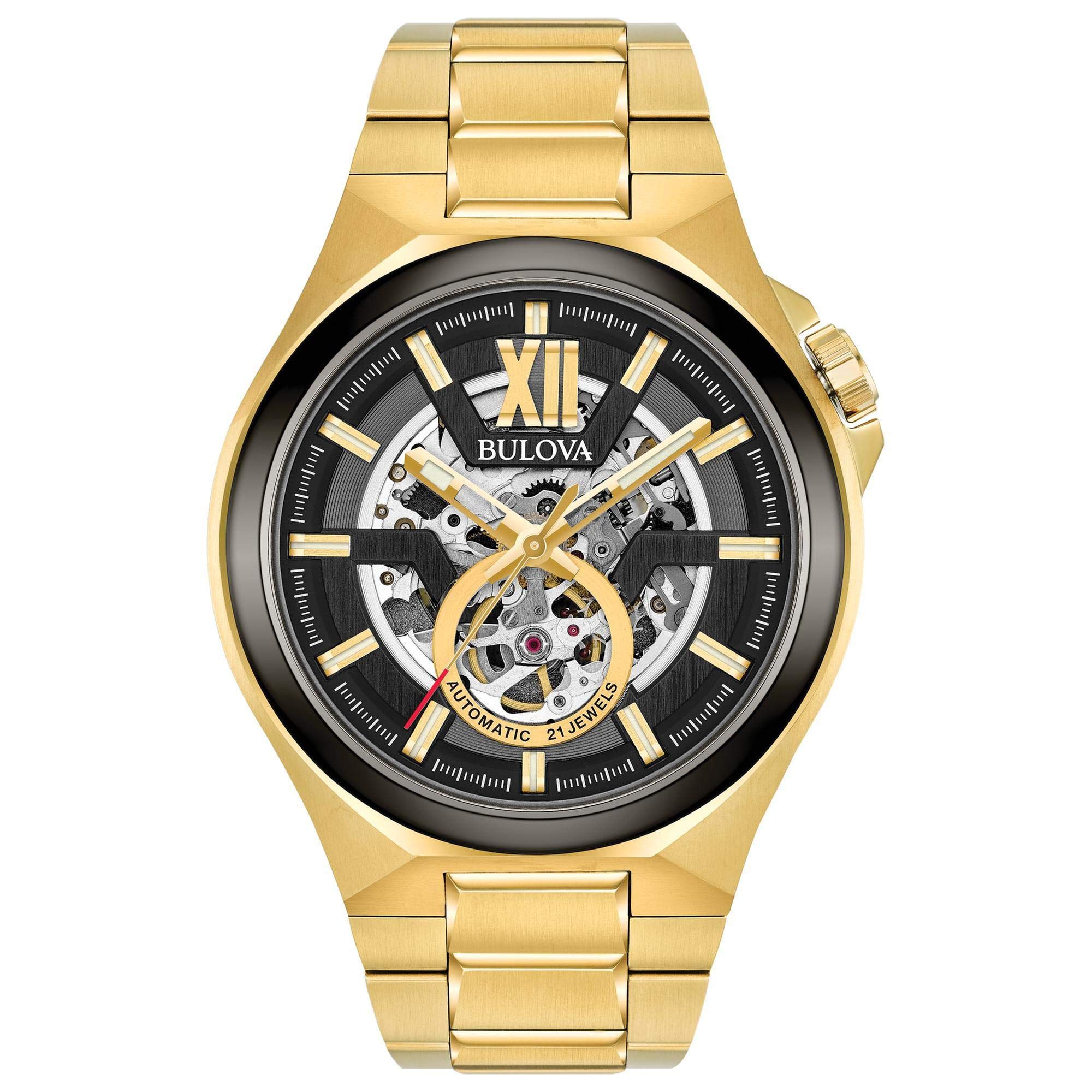


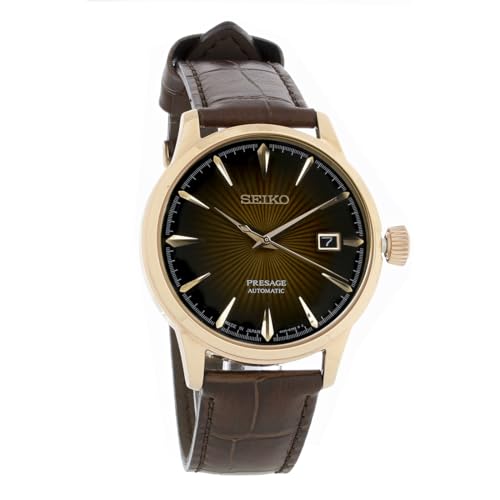
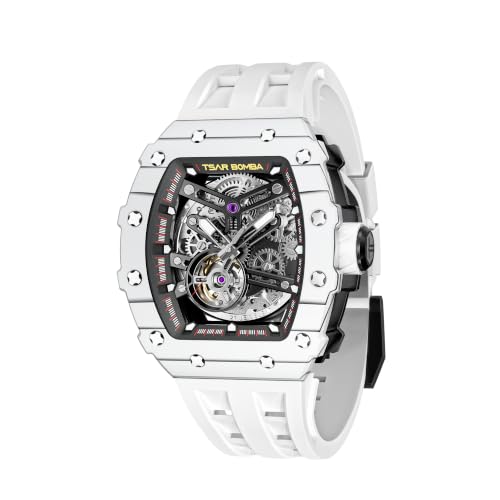
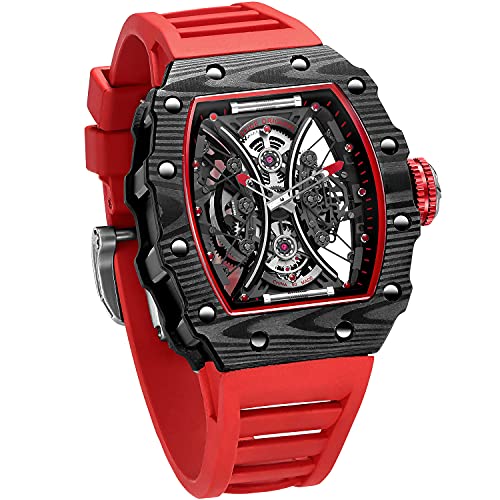
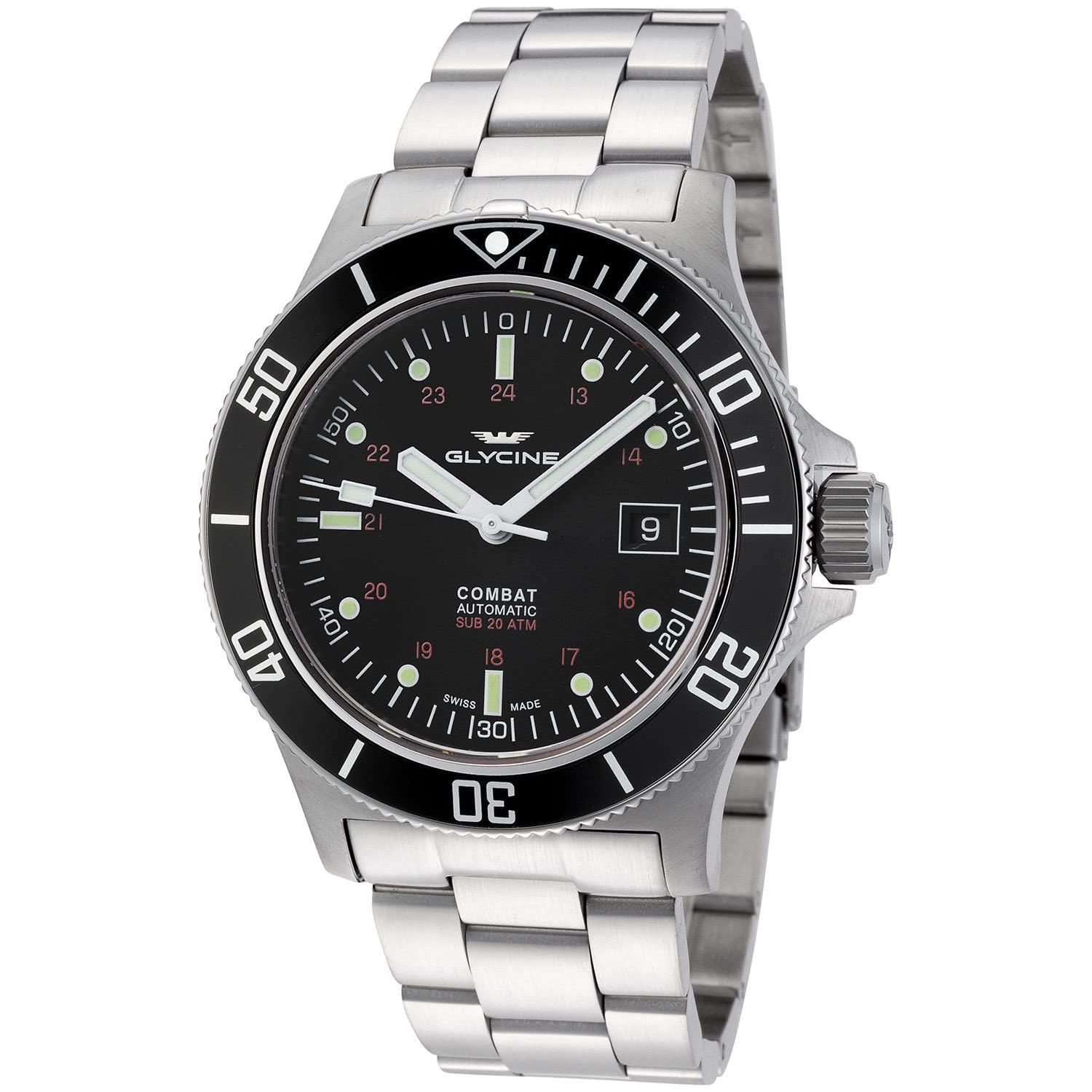
Three Budget Profiles under $600
Instead of naming models, this section defines the three profiles worth seeking at low, middle, and high points under $600. Match listings in the product table above to these profiles to see which one fits your budget and your routine.
The Budget Profile
A budget profile around $150 to $250 should deliver a dependable automatic movement with hand winding, a steel case, and a clean dial with usable lume. Expect mineral crystal on some models and sapphire on others, so check rather than assume. The limitation is usually bracelet quality and wider accuracy tolerance. This profile suits a first serious automatic or a work watch you do not mind marking up during active days.
The Midrange Profile
A midrange profile around $300 to $450 is the value center of this range. You should expect sapphire crystal, 100 m water resistance on sport designs, and a bracelet with solid links and a milled clasp. Movements often add hacking and a smoother beat rate. Finishing becomes visibly cleaner, especially on dial markers and case edges. For most buyers who wear one watch daily, this profile gives the strongest return per dollar.
The Premium Profile
A premium profile around $450 to $600 should justify itself with a longer power reserve, tighter accuracy, and superior finishing or a distinctive design done well. Look for anti reflective coating on sapphire, a well regulated movement, and a warranty with real service support. If a watch at this level only adds a name and a larger case, it is not a true premium step. Compare it carefully against strong midrange options before paying the difference.
What Your Money Gets You at Each Price Tier
Each tier below describes typical features, the trade off you accept, and who should buy there. Use it to set a ceiling before you fall for a dial color.
Budget Tier: What to Expect
At the budget tier you get honest mechanical timekeeping without frills. Cases are steel, water resistance ranges from 50 m to 100 m, and straps are serviceable rather than luxurious. Accuracy may be stated as a wide daily range, and real world results vary between individual watches. This tier fits learners, gift buyers with a fixed limit, and anyone who wants a mechanical watch for daily tasks. See our guide to the best watches under 600 for how automatic options sit beside quartz and solar at the same ceiling.
Midrange Tier: The Sweet Spot for Most Buyers
The midrange tier adds the upgrades you notice every morning. Sapphire resists scratches from desks and door frames, lume stays readable at night, and bracelets feel balanced rather than rattly. Movements are easier to set precisely and often keep better time week to week. If you plan to keep one watch for five years or more, buy here if you can. Our guide to the best watches under 500 automatic range shows many models that cluster in this sweet spot.
Premium Tier: When Spending More Pays Off
The premium tier pays off when you value regulation, reserve, and refinement together. A reserve of 70 hours or more changes ownership, because the watch survives a weekend off the wrist. Better steel finishing, ceramic bezels on dive styles, and refined clasps with tool free micro adjustment also appear. This tier suits enthusiasts and buyers replacing several cheaper watches with one keeper. It is not required for reliable timekeeping.
What to Look For in the Best Automatic Watches under 600
Spend first on the parts that affect accuracy, protection, and comfort. Skip features that add dial clutter or case thickness without helping your actual use.
What You Can Realistically Get Under $600
Under $600 you can realistically get sapphire crystal, a movement with hacking and hand winding, 100 m to 200 m water resistance on sport models, and a bracelet worth keeping. You should not expect precious metals, in house movements from luxury houses, or chronometer level guarantees on most models. Do not save money by accepting a case size that does not fit, because no movement quality fixes a watch that slides or digs into your wrist all day.
Movement Type (Quartz, Automatic, Solar, Smart)
Automatic movements in this range vary from entry calibers with about 40 hours of reserve to advanced ones with 70 to 80 hours and anti magnetic parts. Quartz still wins on accuracy, solar wins on low upkeep, and smartwatches win on data and GPS. An automatic wins on longevity and feel. Decide which win matters to you. If you need precise timing for transit or work, keep a quartz watch in rotation beside your automatic rather than expecting mechanical perfection.
Strap and Bracelet Options
A good bracelet can account for a large share of value under $600. Look for solid end links, minimal stretch, and a clasp with several micro adjust holes or a sliding system. Quick release spring bars make strap changes simple, letting one case serve office and weekend roles. Leather straps should be full grain or quality suede if they are to last. If you know you will wear rubber or fabric, buy the bracelet version anyway when the price gap is small, because bracelets cost more to add later. For lower price context, our guide to the best automatic watches under 200 shows how sharply bracelet quality drops below this range.
Water Resistance Rating
Match the rating to real use. A dress leaning automatic with 50 m handles rain and splashes, a general daily watch with 100 m handles swimming, and a dive style with 200 m and a screw down crown handles regular water sport. Ratings assume new gaskets and a secured crown. Have sealing checked after a battery free service interval or any case opening. Never operate the crown or pushers in water unless the maker explicitly allows it for that model.
One more comparison helps set expectations. Our guide to the best automatic watches under 300 dollars covers the step below midrange, so you can see exactly which features your extra budget should add. If a watch under $600 offers nothing beyond that lower tier except styling, keep shopping.
Long Term Costs to Factor In
Plan for service every 5 to 7 years, with professional service often costing around $200 to $450 in this class depending on movement and brand. Add strap replacement, possible crystal or gasket work after damage, and shipping if service is mail based. A strong warranty of 2 to 5 years lowers early cost risk, so read exclusions for water damage and crown damage. Total ownership over ten years can add half the purchase price again, which is normal for a mechanical watch kept in good order.
Practical know how reduces those costs. Keep the watch away from strong magnets, rinse salt water off promptly, and store it in a dry place away from direct sun that fades dials and dries leather. If timekeeping suddenly shifts, visit a watchmaker promptly rather than continuing to wear a watch that may have a magnetized or damaged movement. Early checks are cheaper than full repairs. Buyers considering the next tier can also read our guide to the best automatic watches under 1000 to decide whether to stretch now or upgrade later.
Frequently Asked Questions
Can you get a good automatic watch under $600?
Yes, under $600 buys a genuinely good automatic watch with sapphire crystal, solid construction, and a movement that can serve for decades with care. This range is where value peaks for many brands. The limit is luxury finishing and brand prestige, not basic quality. Choose fit and specs first, and you can find a watch here that removes any need to spend more for daily use.
Quartz or automatic: which is better?
Quartz is better for accuracy and low running cost, while automatic is better for craft, serviceable longevity, and the experience of a mechanical movement. Under $600 the automatic quality is high enough that accuracy becomes acceptable for most daily routines, often within seconds rather than minutes per week when regulated well. Pick based on whether precision or mechanical character matters more in your day.
How water resistant should a watch be?
For a desk and town routine, 50 m is enough with a secured crown. For swimming and active weekends, choose 100 m or more. For frequent diving or water sport, choose 200 m with a screw down crown and have gaskets checked regularly. Also remember that leather straps are not water friendly even when the case rating is high, so swap to rubber or steel before swimming.
What case size fits my wrist?
Most wrists suit 38 mm to 42 mm, with lug to lug length under about 50 mm preventing overhang. Smaller wrists often prefer 36 mm to 39 mm, especially for dress leaning styles, while larger wrists can carry 42 mm sport cases. Thickness matters too. A slim 11 mm case wears smaller than a tall 14 mm case of the same diameter, particularly under shirt cuffs.
Is a smartwatch worth it over a classic watch?
A smartwatch is worth it if you train with GPS, track sleep, or need notifications on your wrist every day. A classic automatic is worth it if you want an object that lasts, needs no charging, and keeps working when software platforms change. They solve different problems. Many owners keep a smartwatch for workouts and an automatic for everything else, which is a sensible split rather than a compromise.
How long does a watch battery last?
An automatic watch has no battery, so the useful measure is power reserve, which ranges from about 40 to 80 hours in this price class. A quartz battery by contrast lasts 2 to 3 years. If you wear your automatic daily, reserve length rarely matters. If you rotate watches, a longer reserve means fewer resets on Monday morning and is a real reason to choose the premium tier.
Our Verdict
Set your tier by fit, crystal, and movement reserve, then choose the dial you enjoy most within that tier. Midrange will satisfy most buyers, premium rewards enthusiasts who notice finishing, and budget remains a smart entry. Return to the product table above, compare the finalists side by side, and pick the best automatic watches under 600 option you will wear daily and service willingly.


