
Best Automatic Watches under 50: Buying Guide for 2026
Disclosure: We may earn a commission when you buy through links on this page, at no extra cost to you. As an Amazon Associate I earn from qualifying purchases. Learn more

A buying guide to the best automatic watches under 50, covering movement, materials, water resistance, fit, and value tips for daily wear.
Finding a true automatic watch for around $50 takes patience, because most watches at this price use quartz power. This guide sets honest expectations, shows which corners are usually cut, and helps you spot a usable mechanical watch without wasting money. If you want best automatic watches under 50, start with the comparison table below and then check each option against the criteria here.
At this budget, success means a watch that keeps acceptable time, survives daily splashes, and feels comfortable for a full shift. It does not mean sapphire crystal, refined finishing, or a bracelet that feels like a premium model. Keeping that line clear protects you from listings that promise luxury language at a disposable price.


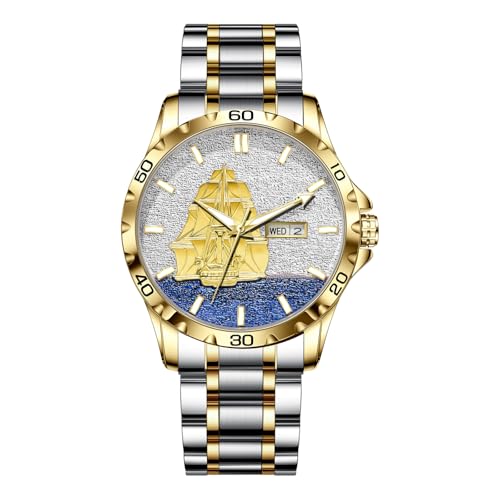
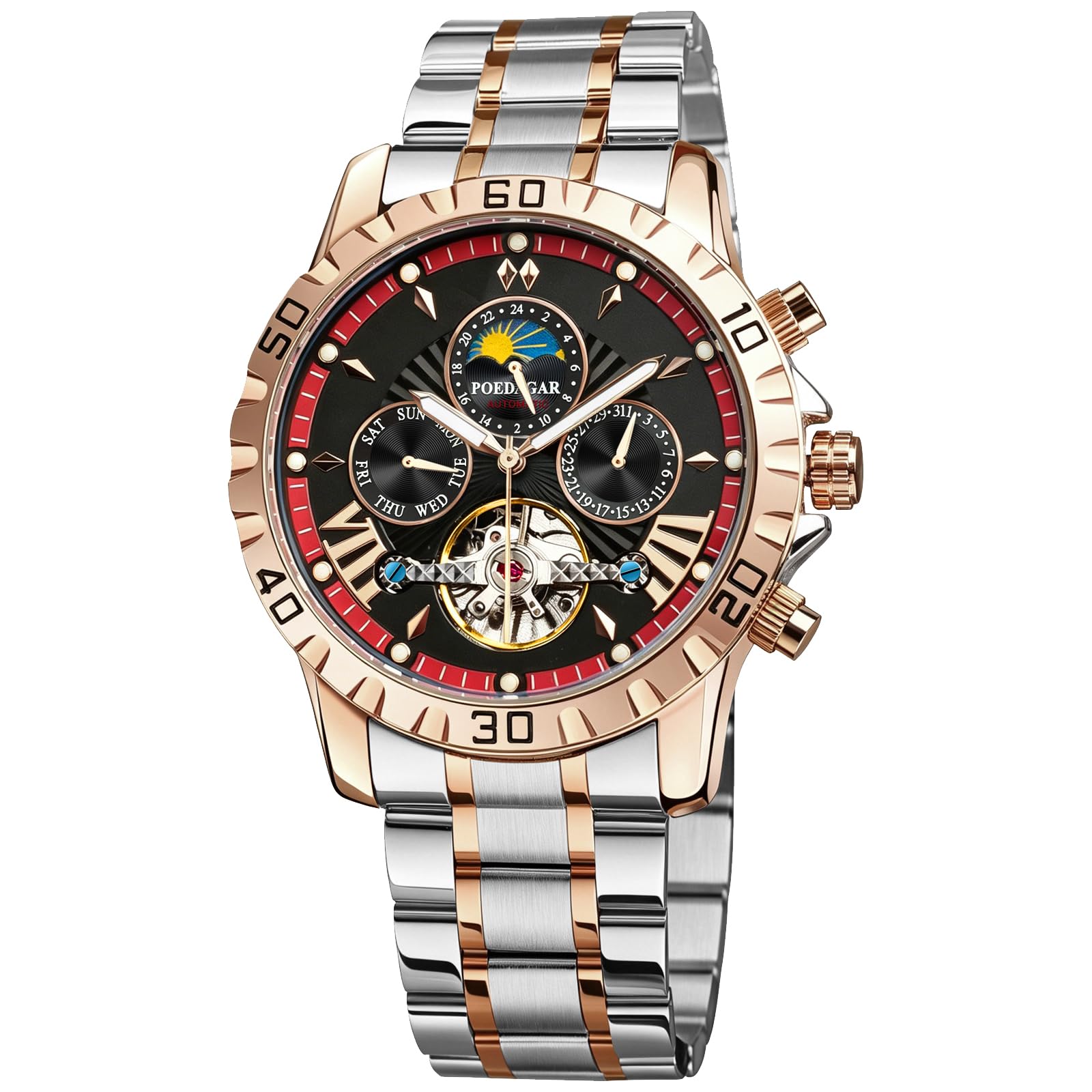


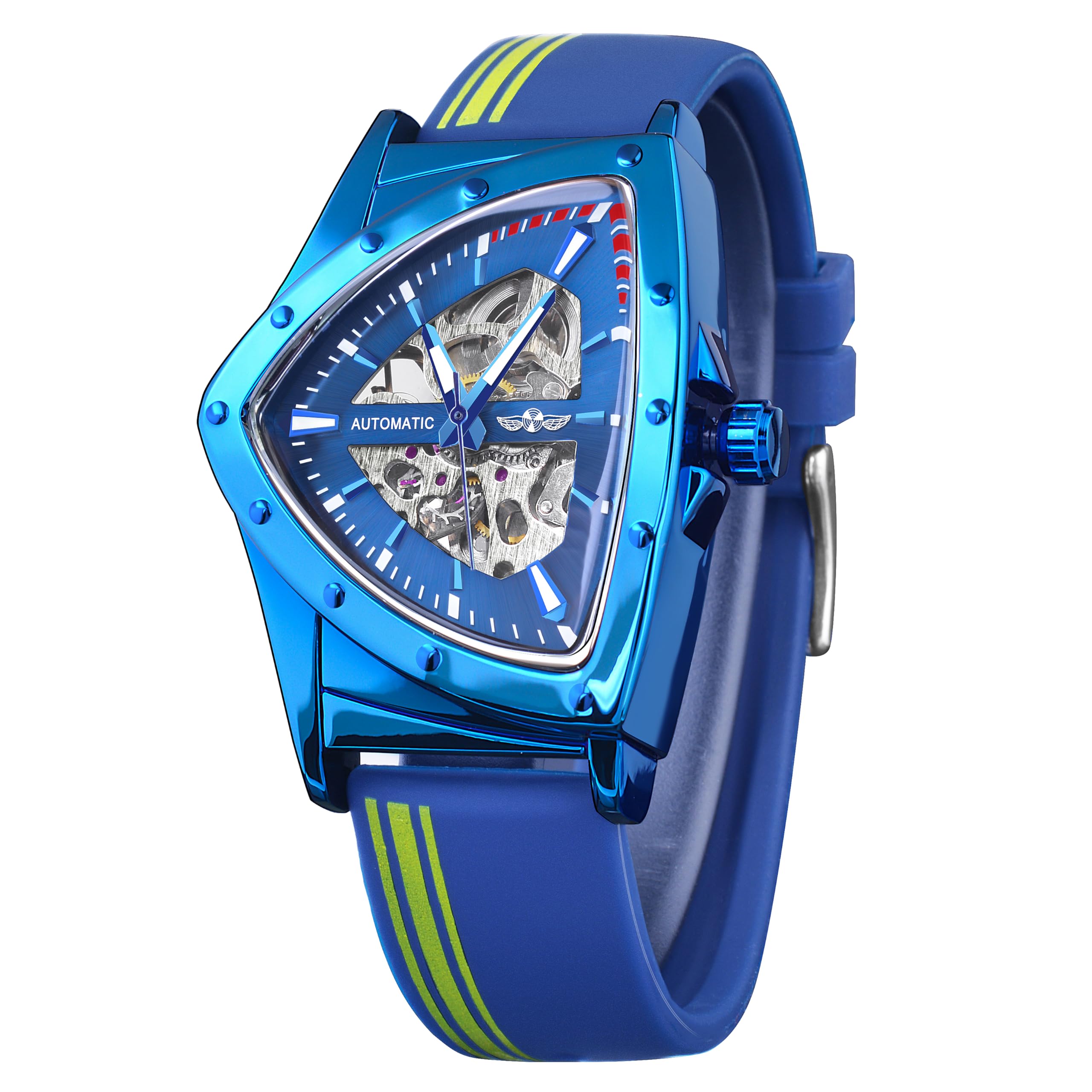

Three Profiles That Make Sense under $50
Rather than naming specific models, this section describes the three profiles that make sense under $50. Match any watch in the product table above to one of these profiles, and you will know quickly whether its price is fair for what it offers.
The All Round Profile
The best overall profile at this price is a simple steel case watch with a basic automatic movement, a clear dial, and a strap you can replace easily. Two strengths to look for are hand winding support and a display back or at least a well sealed case back that keeps moisture out. The main limitation will be accuracy variation and modest finishing. If a listing offers those basics without gimmicks, it is a stronger buy than a crowded dial with weak lume.
The Stretch Your Dollar Profile
The best value profile stretches your $50 furthest by prioritizing the movement and case over the strap. Many low cost automatics ship with a stiff strap that you will replace within months, so a standard lug width is valuable. Look for 18 mm or 20 mm lugs and quick release spring bars if possible. Value also means a seller with clear returns, because quality control varies more at this tier and you may need an exchange.
The Upgrade Profile
An upgrade pick at the top of this budget should add one meaningful improvement, such as better water resistance, a more legible dial with real lume, or a movement with hacking. Hacking stops the second hand when you pull the crown, making precise setting easier. Do not pay the top of the budget for only a different color or a larger box. One functional upgrade is worth more than several cosmetic extras bundled into the listing photos.
How to Choose the Best Automatic Watches under 50
This is the core decision section. At around $50, every dollar forces a trade off, so rank your needs before you shop. A watch for daily work needs sealing and legibility first, while a watch for occasional casual wear can accept lower water resistance if the style suits you better.
What You Can Realistically Get Under $50
Under $50 you can realistically get a base automatic movement, a mineral or simple glass crystal, and a case in steel or coated alloy. Confirm the case material, because alloy cases wear faster and can irritate skin for some people. Expect water resistance around 30 m, suited for splashes only. Do not compromise on a working crown, smooth date change if a date is fitted, and hands that align properly. Those basics matter more than extra dial text.
Movement Type (Quartz, Automatic, Solar, Smart)
An automatic movement at this price will be simple, with a power reserve around 40 hours and accuracy that can vary by 20 to 40 seconds per day. Quartz is far more accurate at the same price, solar removes battery changes, and smart models add notifications but need charging. Choose automatic here because you enjoy mechanical watchmaking, not because it will beat quartz on precision. If exact time matters for work, quartz remains the sensible low cost choice.
Strap and Bracelet Options
Straps at this price are often the weakest part. Leather look straps may crack early, fabric straps feel better in heat, and light metal bracelets can pull hair if links are loose. A quick release strap design helps because you will likely upgrade the strap soon. Budget around $15 to $25 for a better replacement strap and include that in your total cost. When comparing with the wider market in our guide to the best watches for under 50, note how many quartz options leave more budget for a good strap.
Water Resistance Rating
A 30 m rating means splash resistance, not swimming, despite the meter number sounding deep. Pressure ratings use still water, and real movement raises pressure. If you wash hands often or work outdoors in rain, 30 m is workable with care and a dry strap. If you want to shower or swim, you need 100 m or more, which is rare for an automatic under $50. In that case, saving toward the range in our guide to the best automatic watches under 200 will serve you better.
Crystal and Case Materials
Sapphire crystal is highly scratch resistant but uncommon at this price, so expect mineral crystal or hardened glass and treat it with care. A steel case resists corrosion better than coated alloy and feels more substantial. Check case diameter and thickness together. A thick budget automatic can sit high and catch on sleeves. Polished cases show scratches sooner, while brushed finishes hide daily marks and suit a low maintenance routine.
Legibility and Style
Clear legibility is free if you choose well. Pick high contrast hands, simple markers, and lume that covers the hands and main hour points. Avoid dials packed with small subdials that do not function or are hard to read. For work, a plain field or dress style reads faster than a busy chronograph look. Lume quality varies widely at this tier, so photos in darkness from real buyers tell you more than bright studio images.
Automatic Watches vs Other Options
Comparing types honestly can save you from forcing an automatic into a job it does poorly. Each option below wins in a specific situation, and none wins in all of them.
Solar Watches
Solar watches charge from light and can run for months in darkness once charged. They beat low cost automatics on accuracy and upkeep, because there is no mainspring to service. They suit someone who wants set and forget timekeeping. The downside is that capacitor replacement eventually needs a specialist, and dial designs must let light reach the cell. If low effort matters most, solar is often the smarter under $50 buy.
Dive and Field Watches
Dive and field styles bring strong lume, clear markers, and tougher cases, but true dive ratings are rare in an automatic under $50. Field styles are more realistic here and handle outdoor work well with fabric straps. Dive styling without real sealing is only a look, so check the rating rather than the bezel. If you actually swim or work around water daily, prioritize sealing over style and consider a quartz dive watch instead.
Quartz Watches
Quartz watches dominate this price because the technology is accurate, thin, and cheap to produce. A quartz watch will keep time within seconds per month and need only a battery change every few years. Readers who step up in budget later may compare with our guide to the best watches under 500 automatic models to see how far automatic quality rises. At $50 today, quartz wins on function, while automatic wins only on mechanical interest.
Smartwatches
Budget smartwatches add step counting, notifications, and sometimes GPS, but screens, batteries, and software support age quickly. They suit training and phone alerts, not long term ownership. An automatic has no app, no charging, and no data tracking, and it will still work years later with service. If you need fitness data for health reasons, use a proper device and talk with a clinician about personal needs rather than relying on a low cost watch sensor.
Setup and Care Tips
Good habits extend the life of a low cost automatic more than any accessory. Use the list below during the first week and as a routine after that.
- Service automatic watches every 5 to 7 years, and ask for a pressure check if you expose the watch to water often.
- Rinse after saltwater exposure with fresh water, then dry the case and strap fully before storage.
- Store away from magnets, including phone cases and bag clasps, because magnetism can speed up the movement.
- Rotate straps to reduce wear, and let a damp fabric or leather strap dry at room temperature away from heat.
- Wind gently when the watch has stopped, wear it for a full day to build reserve, and avoid shaking it hard to start it.
- Check crown position before washing hands, because a crown left pulled out removes water protection entirely.
Practical know how matters at this tier. Set the date during daytime hours rather than late at night, because many simple movements engage the date change mechanism in the evening and forcing it can cause damage. Also keep the original box and papers for returns during the first month, when most quality issues at this price appear.
If you later decide the compromises are too many, our guide to the best automatic watches under 300 dollars describes the next clear step in crystal, sealing, and movement quality. And for a broader view of what a higher automatic budget buys, see our guide to the best automatic watches under 1000 before you commit to saving or spending now.
FAQs
Can you get a good automatic watch under $50?
Yes, you can get a usable automatic watch under $50, but good means basic and honest rather than refined. Expect simple finishing, modest accuracy, and splash level sealing. The best outcome is a reliable daily watch for casual wear. If you need swimming, high accuracy, or sapphire crystal, this budget is too low and a quartz watch or a larger automatic budget will satisfy you more.
How water resistant should a watch be?
It should match your wettest routine, not your average day. Splashes and rain need 30 m to 50 m, hand washing with care sits in the same range, and regular swimming needs 100 m with a secure crown. Remember that old gaskets lose protection, so a used or stored watch may no longer meet its original rating even if the dial still prints the same number.
How long does a watch battery last?
A typical quartz battery lasts 2 to 3 years, while an automatic has no battery at all. Instead, an automatic stores about 40 hours of power at this price and stops if left unworn longer than that. If you rotate watches and dislike resetting time, a watch winder or a quartz grab and go option may fit your routine better than a budget automatic.
Quartz or automatic: which is better?
Quartz is better for accuracy, thin cases, and low cost, while automatic is better for mechanical interest and long service life. Under $50 the gap in accuracy is large, so choose with open eyes. Buy automatic because you enjoy the sweeping second hand and the craft, not because a listing implies it is more advanced. For timed work shifts, quartz remains the practical winner.
Is a smartwatch worth it over a classic watch?
A smartwatch is worth it if notifications and activity tracking help you daily and you accept charging every few days. A classic automatic is worth it if you want a simple object that tells time for years without software. At around $50, budget smartwatches can feel disposable once support ends. Your phone habits, not fashion, should make this call.
Our Verdict
Judge any candidate on movement honesty, case material, and legibility before style extras. Confirm the total cost including a likely strap upgrade, and keep return options open during the first weeks. Look again at the product table above, compare the few models that meet those basics, and choose the best automatic watches under 50 option that fits your routine without pretending to be a luxury watch.


