
Best Automatic Watches under 40mm by Budget: A Clear Guide for 2026
Disclosure: We may earn a commission when you buy through links on this page, at no extra cost to you. As an Amazon Associate I earn from qualifying purchases. Learn more

Compare the best automatic watches under 40mm at every price point. Learn what you get at budget, midrange, and premium levels and where spending more pays off.
A compact automatic watch can cost under $100 or well over $500, and the price gap is not always obvious from a photo. This guide explains where your money actually improves the movement, the case finish, and daily comfort. If you are shopping for best automatic watches under 40mm, use the comparison table below to check size and specs, then read the tiers here to decide how much you really need to spend.
Staying under 40 mm is about proportion as much as fashion. A smaller case sits flatter, slides under a cuff more easily, and often feels lighter during a full day of wear. The trade off is that brands have less room for large dial markings and extra complications, so legibility and layout matter more than in a larger watch.


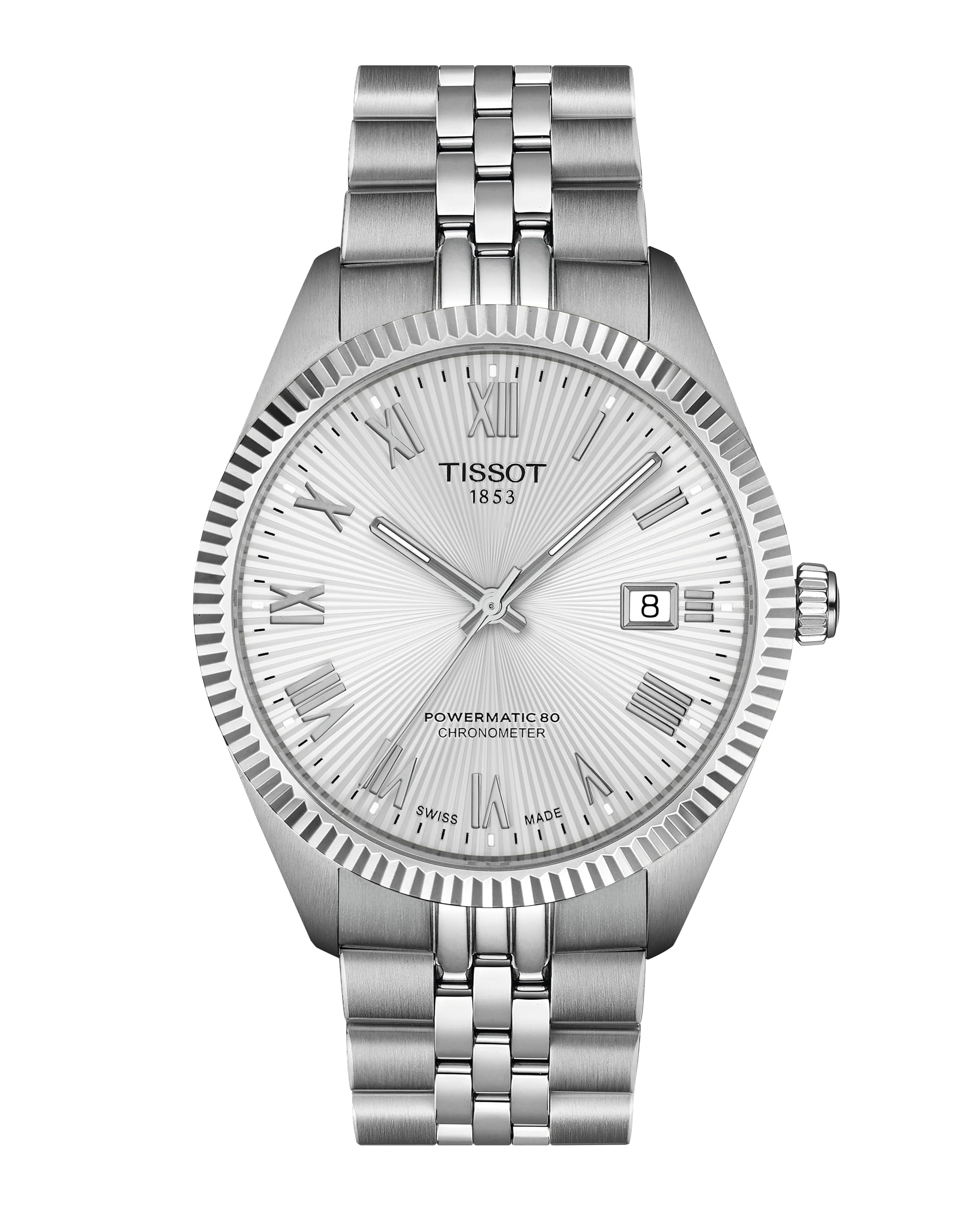


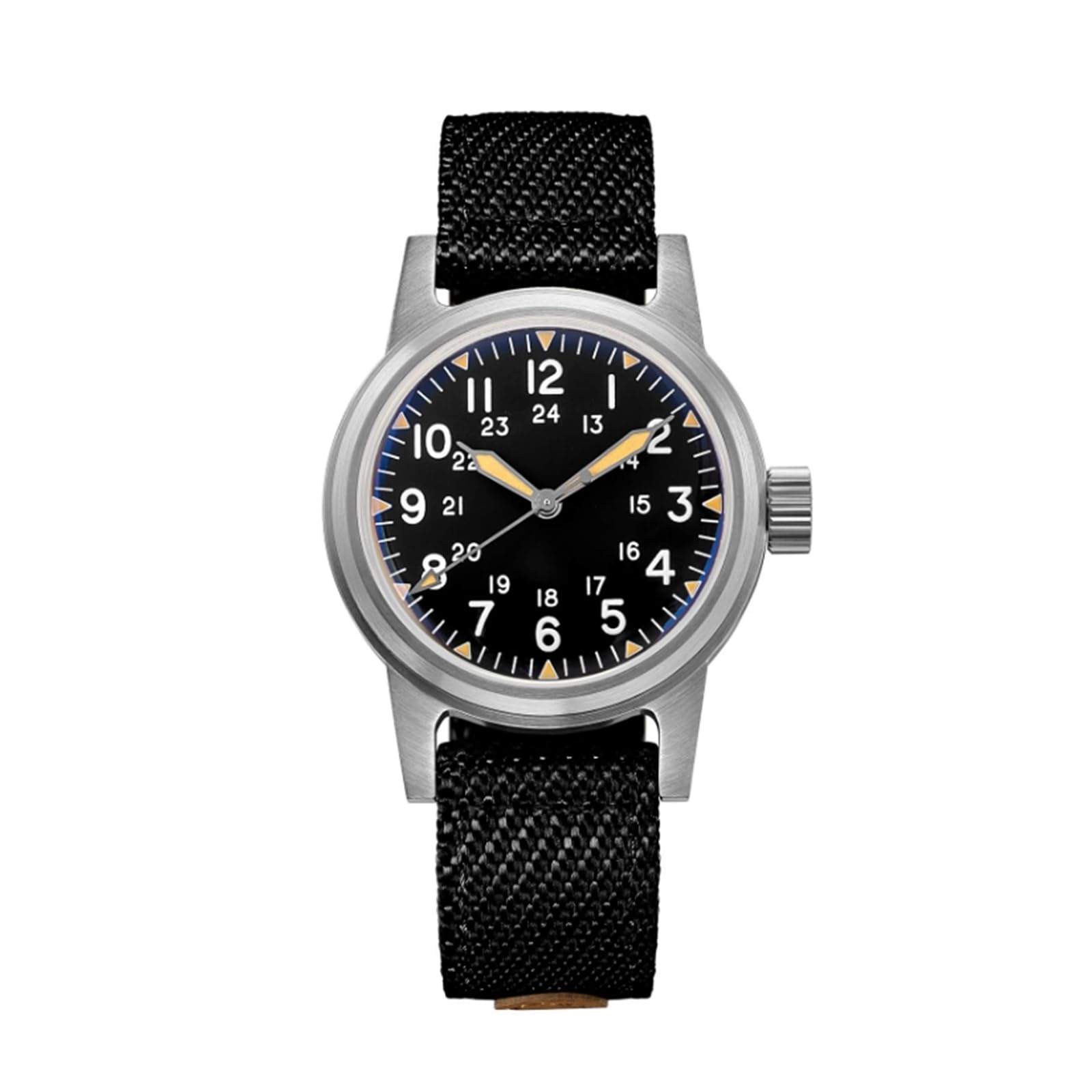

Three Budget Profiles for Compact Automatics
This section is not a ranking of named models. Instead it shows the kind of watch that makes sense at each budget, so you can match any option in the product table above to the right expectation. Think in tiers first, then choose a dial style you will enjoy wearing.
The Budget Profile
A budget choice under 40 mm should focus on a reliable automatic movement, a simple dial, and a case that does not feel sharp at the edges. Expect mineral crystal rather than sapphire crystal, modest water resistance for splashes, and a basic strap. That is enough for office wear and casual days if you accept wider accuracy variation and a simpler clasp. Avoid paying extra at this level for decorative details that do not improve timekeeping.
The Midrange Profile
The midrange tier is where most buyers get the best balance. You often gain sapphire crystal, better lume, smoother second hand motion from a higher beat movement, and a bracelet with solid links that feels less hollow. Water resistance commonly rises to a level suited for swimming. If you wear one watch most days, this tier usually gives the clearest step up in comfort and durability without moving into luxury pricing.
The Premium Profile
A premium compact automatic justifies its price through finishing, regulation, and details you feel every day. Cases are polished and brushed with cleaner transitions, dials have applied markers with even lume, and movements may offer longer power reserve and better accuracy. You also tend to get a stronger warranty and better service support. Pay this much only if you notice those details and plan to keep the watch for many years.
What Your Money Gets You at Each Price Tier
Prices move in steps, and each step buys a different kind of improvement. Some upgrades protect the watch, others only refine how it looks in bright light. Sorting upgrades into these two groups helps you avoid overspending on polish while missing basics like fit and water resistance.
Budget Tier: What to Expect
At around $100 to $250, expect a proven entry automatic movement, 38 mm to 39 mm cases in stainless steel, and water resistance suited for rain and hand washing. Straps are often leather look material or light bracelets with folded links. Accuracy may vary by tens of seconds per day, which is normal here. This tier suits a first automatic or a second watch for casual rotation, as long as you check lug to lug length before buying.
Midrange Tier: The Sweet Spot for Most Buyers
At around $250 to $600, you should expect sapphire crystal, 100 m water resistance on sport styles, and movements with hacking and hand winding. Hacking lets you stop the second hand to set the time precisely, which many budget movements also now offer. Bracelets improve, lume lasts longer into the night, and case thickness often drops. For guidance on this broader range, see our guide to the best watches under 500 automatic options and how their specs compare.
Premium Tier: When Spending More Pays Off
Above around $600, and especially as you approach the range covered in our guide to the best automatic watches under 1000, you pay for tighter regulation, better anti reflective coating, and movements with 60 to 80 hours of power reserve. That reserve means you can set the watch down for a weekend and find it still running. Finishing and brand heritage also drive price here, so decide how much those matter to you beside pure function.
Features to Look For in the Best Automatic Watches under 40mm
Not every feature helps a compact watch. A small dial crowded with subdials can be hard to read, while a clean three hand layout with strong lume serves you better daily. Use the points below to judge each listing in the comparison table above on merit rather than on feature count alone.
Legibility and Style
Legibility comes first on a dial under 40 mm. Look for contrast between hands and dial, markers that are large enough at a glance, and lume on both hands and hour markers. A dark dial with polished hands can glare outdoors, while matte hands read better. For office wear, a restrained dial with few lines of text looks cleaner and stays versatile with shirts and jackets. Sport styles can carry bolder markers without looking crowded if spacing is careful.
Smart and Fitness Features
A traditional automatic has no GPS, no heart rate sensor, and no notifications, and that simplicity is the point for many buyers. If you need training data, wear a dedicated fitness device on the other wrist or choose a smartwatch instead for those days. Do not expect an automatic watch to track health, and do not use any watch as a medical device. The value here is a self winding movement that needs no charging cable and no software updates.
Strap and Bracelet Options
A quick release strap system lets you swap between leather, fabric, metal, and silicone in seconds without tools. That single feature extends one compact watch across seasons and outfits. Check lug width, often 18 mm or 20 mm at this case size, before ordering extra straps. Leather suits dress wear but dislikes water, fabric straps feel light and casual, and a steel bracelet adds weight but lasts longest with daily use.
Case Size and Wrist Fit
Case diameter is only part of fit. Lug to lug length decides whether the case overhangs your wrist, and thickness decides whether it catches on cuffs. For many wrists around 6 to 7 inches, a lug to lug under 47 mm wears securely and looks balanced. Try to find side profile photos and thickness in millimeters. A 39 mm case that is 13 mm thick can feel larger than a 40 mm case that is 11 mm thick and shaped to hug the wrist.
Movement Type (Quartz, Automatic, Solar, Smart)
An automatic movement winds from your wrist motion and stores energy in a mainspring, typically for 38 to 80 hours depending on tier. Quartz watches are more accurate and need less care, solar watches charge from light, and smartwatches add screens and sensors but need frequent charging. If you rotate several watches, an automatic may stop between wears and need resetting. If you wear one watch daily, an automatic stays running with almost no thought beyond occasional time checks.
When you compare value across price points, it helps to look at the lower tiers as a baseline. Our guide to the best automatic watches under 200 shows what entry movements deliver, while our guide to the best automatic watches under 300 dollars shows where sapphire and better bracelets begin to appear. That context makes it easier to see if a premium compact model truly adds enough.
Long Term Costs to Factor In
Ownership cost goes beyond the purchase price. An automatic watch needs a service every 5 to 7 years, and a professional service can cost around $150 to $400 depending on the movement and brand. Budget for strap replacement once a year or two for leather, and keep a small reserve for gasket checks if you swim with the watch. A longer warranty reduces early risk, so read what it covers. Readers watching a strict total budget can also review our guide to the best automatic watches under 100 to understand the lowest cost entry point and its compromises.
Practical know how helps here. Store the watch away from strong magnets such as bag clasps and speakers, because magnetism can make an automatic run fast. If it suddenly gains many minutes a day, a watchmaker can demagnetize it quickly and inexpensively. Also wind a stopped automatic gently by wearing it or turning the crown a modest number of turns, rather than shaking it hard.
Frequently Asked Questions
What case size fits my wrist?
Most people with wrists under 7 inches find 36 mm to 39 mm balanced and comfortable. Measure your wrist, then compare lug to lug length rather than diameter alone, because overhang looks and feels awkward. If you are between sizes, choose the smaller case for dress use and the larger one only if the dial needs extra room for clear markers.
How water resistant should a watch be?
For daily wear, 50 m handles splashes and rain, while 100 m is safer for swimming and showers. Ratings are measured in still water, so moving water adds pressure beyond the number on the dial. Keep the crown pushed in or screwed down before any water contact, and have gaskets checked every few years if you swim often. Never press buttons underwater unless the maker states it is safe.
Is a smartwatch worth it over a classic watch?
A smartwatch is worth it if you rely on notifications, GPS tracking, and health data every day. A classic automatic is better if you want a watch that works for years without charging and without software support ending. Many owners use both for different purposes. Choose based on the job you need done most often, not on which device lists more features in a store description.
How long does a watch battery last?
An automatic watch has no battery, so this question applies to quartz models, which usually run 2 to 3 years per battery. An automatic instead depends on power reserve, measured in hours, and on regular wear to stay wound. If you prefer never changing a battery and accept slightly lower accuracy, automatic or solar power makes more sense than standard quartz for long term ease.
Quartz or automatic: which is better?
Quartz is better for pure accuracy and low upkeep, while automatic is better for craft, longevity, and avoiding battery changes. An automatic can be serviced and kept running for decades, though service costs add up. A quartz watch costs less to maintain but relies on electronic parts. Neither is universally superior. Your routine, budget for service, and taste for mechanical watchmaking should decide.
Final Thoughts
Focus on fit, movement quality, and crystal material, in that order, and the price tier will become clear. A compact case only works if lug to lug and thickness suit your wrist, and a good movement only matters if you will wear the watch often enough to keep it wound. Compare your shortlist in the product table above, then choose the best automatic watches under 40mm option that matches your daily routine and your service budget.


