Best Automatic Watches under 3000: A Buyer Checklist for 2026
Disclosure: We may earn a commission when you buy through links on this page, at no extra cost to you. As an Amazon Associate I earn from qualifying purchases. Learn more
Use this buyer checklist for the best automatic watches under 3000, covering movements, water resistance, case fit, red flags, and ownership costs.
At a ceiling of $3000, watch listings start to blur together. Every brand claims fine finishing, a capable movement, and lasting value, and the price alone no longer separates the strong from the ordinary. A written checklist solves that problem. This guide applies a simple scoring mindset to the best automatic watches under 3000, so you can judge any candidate on movement quality, construction, fit, and service support before emotion takes over.
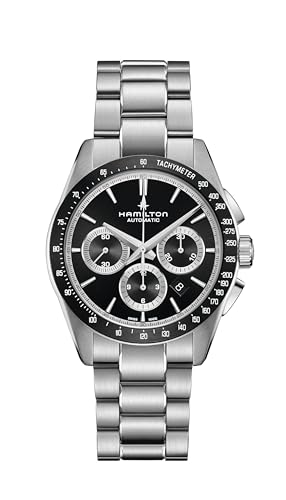
Work through the criteria in order, note where each watch you like passes or fails, and use the red flags section to walk away from weak deals with confidence. The comparison table below gives you a starting short list to score.

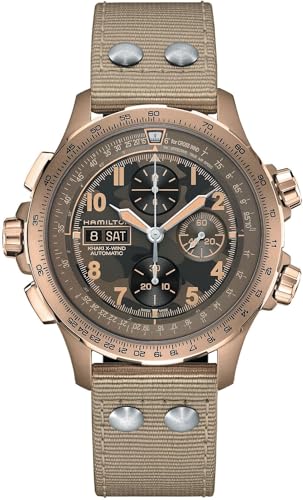
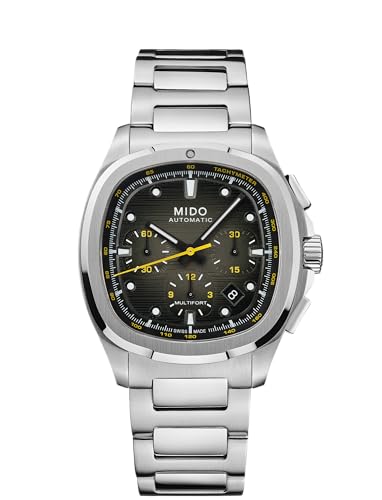


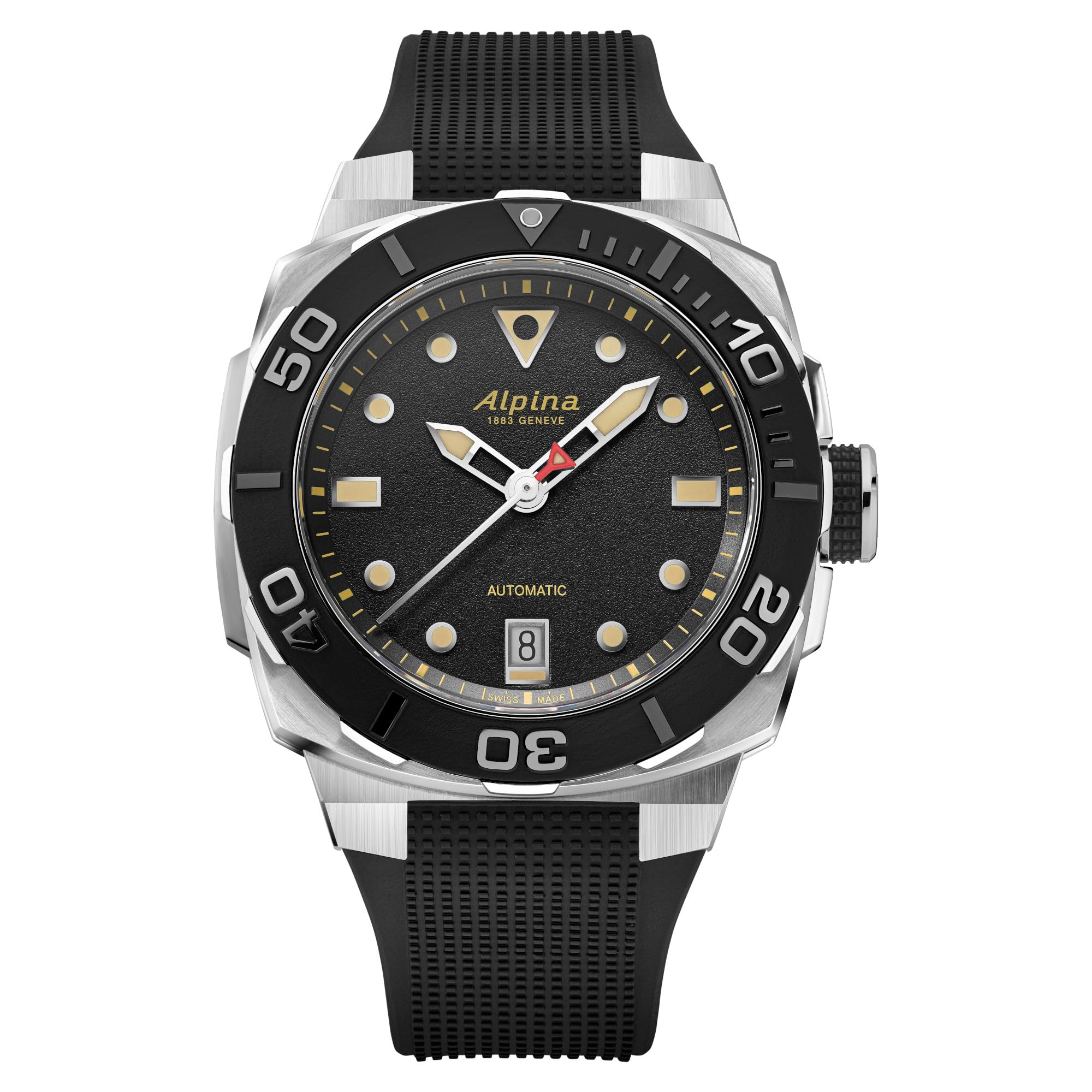
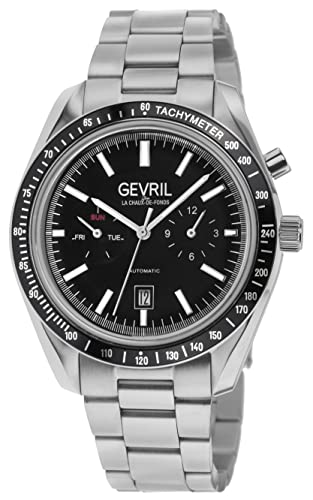

How to Evaluate the Best Automatic Watches under 3000
Each criterion below has a clear pass line. A watch does not need to top every category, but it should not fail the ones tied to your daily use, such as water resistance for swimmers or case size for small wrists.
What You Can Realistically Get Under $3000
This budget should buy sapphire crystal front and often back, a movement with proven architecture, and finishing that stays clean under close inspection. Chronometer grade accuracy is available on some models, as are ceramic bezels and quality bracelets with milled clasps. You generally do not get precious metal cases or the most storied in house movements. For the full price class across movement types, see our guide to the best watches under 3000. Never fund decoration by accepting weak sealing or a thin warranty.
Movement Type (Quartz, Automatic, Solar, Smart)
Score the movement on stated accuracy, power reserve, and serviceability. A reserve around fifty to seventy hours suits modern routines, and hacking plus hand winding should be present at this price. Quartz wins on raw accuracy, solar on low upkeep, and smart models on GPS and data, but none offer the mechanical life span you are paying for here. A movement used across many models is a plus, because parts and watchmaker familiarity keep ownership simple for decades.
Strap and Bracelet Options
At this level a bracelet should have solid links, a milled clasp, and fine adjustment for warm days. A quick release strap system earns points because one watch can move from steel to rubber to leather in seconds. Check lug width, spring bar quality, and whether the brand sells replacement straps at sane prices. A brilliant case on a rattling bracelet fails the daily comfort test, and you will feel that failure every single morning you wear it.
Water Resistance Rating
Read ratings literally. A 30 m watch is splash resistant only, 100 m supports swimming, and 200 m with a screw down crown supports diving. At $3000, everyday models should offer at least 100 m, and sport models should reach 200 m. Points off for pushers that cannot be used in water on a watch sold for the water. Remember that every rating assumes fresh gaskets, so a pressure check belongs in your service routine.
Case Size and Wrist Fit
Score fit by lug to lug span and thickness, not diameter alone. Most buyers pass the fit test between 38 and 44 mm, with the lugs ending inside the edges of the wrist. A thick dive case can wear larger than a slim dress case of the same diameter. If a watch slides, tilts, or fights your cuff during a full day trial, it fails, no matter how strong the rest of the checklist looks. Comfort is a spec, treat it like one.
Brand Reputation, Warranty, and Value
Give full marks to makers with authorized United States service, warranty coverage of two years or more, and a record of supplying parts for older models. Value retention follows steady designs and broad demand rather than hype cycles. Keep box, papers, and service records together, since a complete set supports resale and warranty claims. A famous name with slow service can score below a quieter brand that turns repairs around quickly and communicates clearly.
Three Profiles That Pass the Checklist
The All Rounder Profile
The overall profile passes every criterion without topping any single one: a mid size case, sapphire crystal, 100 to 200 m of resistance, and a movement with a healthy power reserve. Finishing is even, the bracelet adjusts finely, and service support is easy to reach. This is the profile for a buyer who wants one serious watch for work, travel, and weekends. Expect to pay about $1,800 to $3,000 for a clean match, with the lower end covering simpler dials from strong mid tier makers.
The Value Profile
The value profile spends the budget where the checklist can see it: movement, crystal, and sealing, while keeping dial decoration modest. Many value standouts land around $1,000 to $1,800, and cross shoppers will recognize overlap with our guide to the best automatic watches under 1000 at the entry edge. The savings can fund straps and the first service, which improves real ownership more than a fancier box. Resale grows more slowly here, so buy this profile to wear, not to flip.
The Heavy Use Profile
The heavy use profile maxes the toughness lines: 200 m resistance, a protected crown, strong lume, and a case and bracelet that shrug off knocks. Titanium versions cut weight for long active days. Accuracy and finishing stay solid, though ultimate elegance gives ground to tool watch practicality. This profile suits divers, field workers, and travelers who treat a watch as gear. Its weakness is formality, since a chunky tool case looks out of place with a suit.
Quick Buyer Checklist
- Is the movement accuracy stated clearly, and does the power reserve cover your days off?
- Is the crystal sapphire, front and ideally back?
- Does the water rating match your real swimming or diving habits?
- Do the lugs end inside your wrist edges, and does the case clear your cuff?
- Is warranty coverage at least two years, with service available in the United States?
- Does the bracelet or strap adjust finely enough for hot and cold days?
- Can a local watchmaker service this movement, or must it return to the brand?
- Would you still choose it at full price, without a sale deadline pressuring you?
Red Flags to Watch For
Walk away from vague spec sheets that hide the movement maker, accuracy range, or true water rating. Be wary of huge claimed discounts from list prices that no one ever pays, unusually uniform praise in short reviews, and warranty terms under one year at this price level. Missing box and papers on a recent model deserve hard questions. Shoppers at lower tiers, such as those in our guide to the best automatic watches under 300 dollars, meet these flags often; at $3000 there is no excuse for accepting them.
Best Automatic Watches for Specific Needs
Best Men's Automatic Watches under 3000: What to Check
For men, the best automatic watches under 3000 usually come down to presence with comfort: a case around 40 to 43 mm, a bracelet with fine adjustment, and lume strong enough for night checks. Men in physical jobs should weight shock resistance and crown protection higher, while office based buyers can trade some toughness for a slimmer case. Try the watch on your actual wrist late in the day, when wrists swell slightly, for the truest fit read.
Care and Maintenance Tips
Service an automatic watch every five to seven years, rinse it in fresh water after saltwater use when the rating allows, and store it away from strong magnets. Rotate straps so each one dries and rests, and keep the crown fully closed whenever the watch is near water. Small habits like these protect the checklist scores you paid for, especially sealing and accuracy, and they cost almost nothing beyond a calendar reminder. Readers building habits on a smaller budget will find the same rules in our guide to the best watches under 500 automatic.
FAQs
Can you get a good automatic watch under $3000?
Yes, this ceiling buys genuinely excellent watches with sapphire crystals, dependable movements, and real service networks. The gains over the $1500 tier are finer finishing, longer power reserves, better bracelets, and on some models certified accuracy. What it does not buy is immunity from homework: weak deals exist at every price. Run each candidate through the checklist and the tier proves itself quickly.
Is a smartwatch worth it over a classic watch?
It is worth it when GPS, training data, and wrist notifications will be used daily and you accept charging plus a device life of a few years. A classic automatic at this price is a decades long object with serviceable parts. Many buyers own both and split duties. If forced to choose one at $3000, pick the tool that matches most of your hours, not the one that impresses at a single glance.
What case size fits my wrist?
Measure your wrist and match it to lug to lug length first. Slim wrists tend to suit 36 to 40 mm, average wrists 39 to 42 mm, and large wrists 42 to 44 mm. Thickness can push a watch from comfortable to clumsy, so note it alongside diameter. If you buy online, confirm the return window and test the watch indoors for a full day before removing protective films.
How water resistant should a watch be?
For daily wear with swimming, 100 m is the sensible target; for diving, 200 m with a screw down crown and a unidirectional bezel. Treat 30 m and 50 m ratings as splash protection for dress leaning pieces. No rating survives neglected gaskets, so schedule pressure checks with service. Also leave chronograph pushers alone underwater unless the maker states clearly that they are safe to use while submerged.
How long does a watch battery last?
An automatic watch carries no battery, so the figure applies to quartz rivals at two to three years per cell, with solar cells lasting far longer. The automatic equivalent cost is movement service every five to seven years, which also renews seals and regulation. When you compare total ownership cost across types, include those service visits rather than assuming the automatic runs free forever after purchase.
Quartz or automatic: which is better?
Quartz is better for accuracy, slim design, and the lowest running cost. Automatic is better for mechanical craft, a smooth sweeping second hand, and a service life measured in decades. At $3000 the automatic premium buys finishing and movement quality that quartz rarely attempts. Choose by the experience you want on your wrist each day, because both technologies keep time well enough for real life.
The Bottom Line
Score every candidate on movement, construction, fit, and service before you let styling speak. A watch that passes those four lines at this ceiling should satisfy you for many years, and the red flags list will keep the weak deals out. Return to the product table above with your scores in hand, and choose among the best automatic watches under 3000 the one that earned its price on paper and on your wrist.