
Best Automatic Watches under 2500: Everything to Know Before Your First Purchase for 2026
Disclosure: We may earn a commission when you buy through links on this page, at no extra cost to you. As an Amazon Associate I earn from qualifying purchases. Learn more

A first time buyer guide to the best automatic watches under 2500, explaining movements, case fit, crystals, straps, warranties, and common mistakes.
Buying your first serious automatic watch is exciting, and a budget up to 2500 dollars gives you real choice without forcing you into the deep end of luxury pricing. It can also feel confusing, because listings throw around terms like calibre, beat rate, and lug width as if everyone already knows them. This guide to the best automatic watches under 2500 starts with the basics and builds up to a calm, confident decision.
You will learn what an automatic movement is, which specifications actually change daily wear, and which mistakes catch new buyers most often. Use the comparison table below as your shortlist while you read, and by the end you will know exactly what each line of a specification sheet means for you.


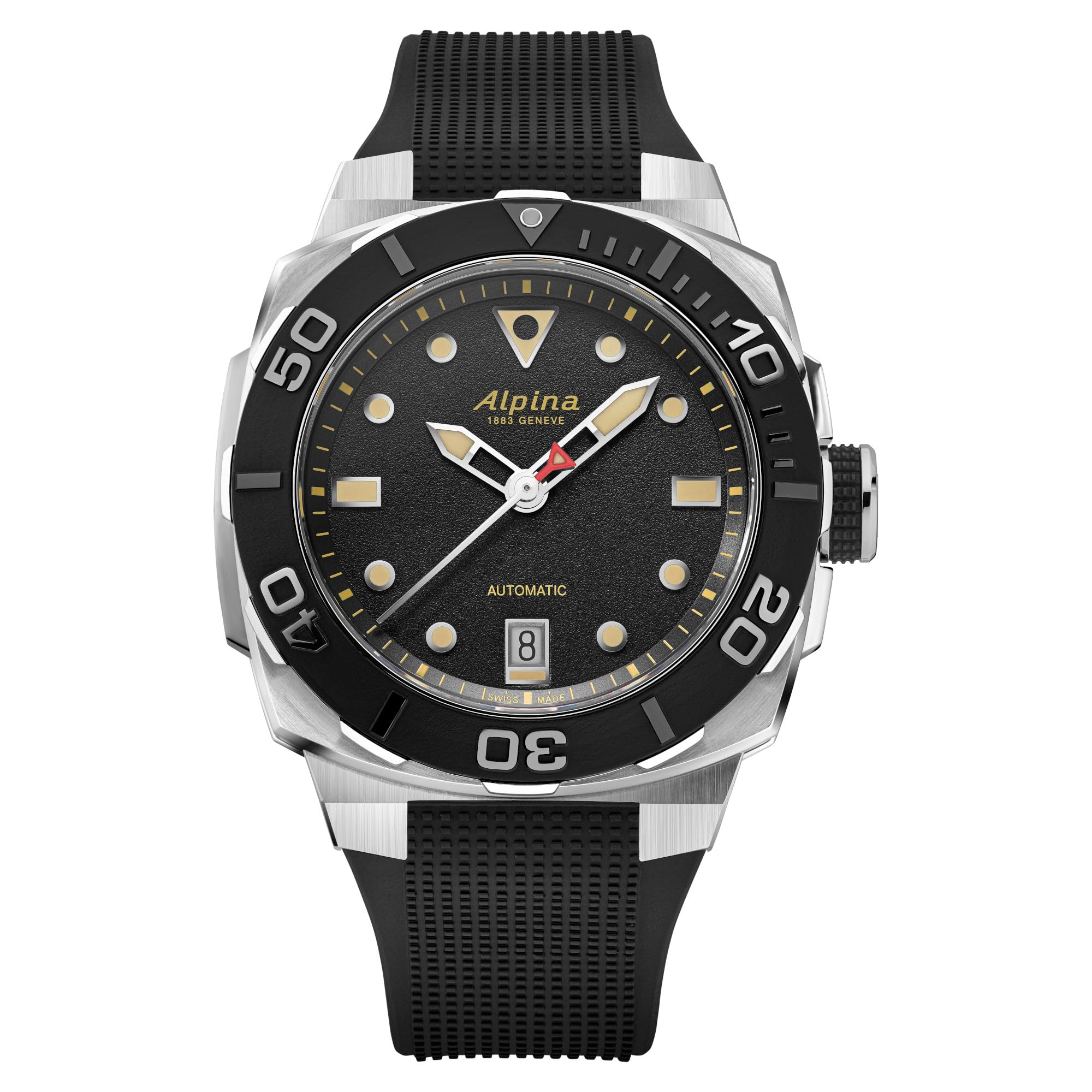


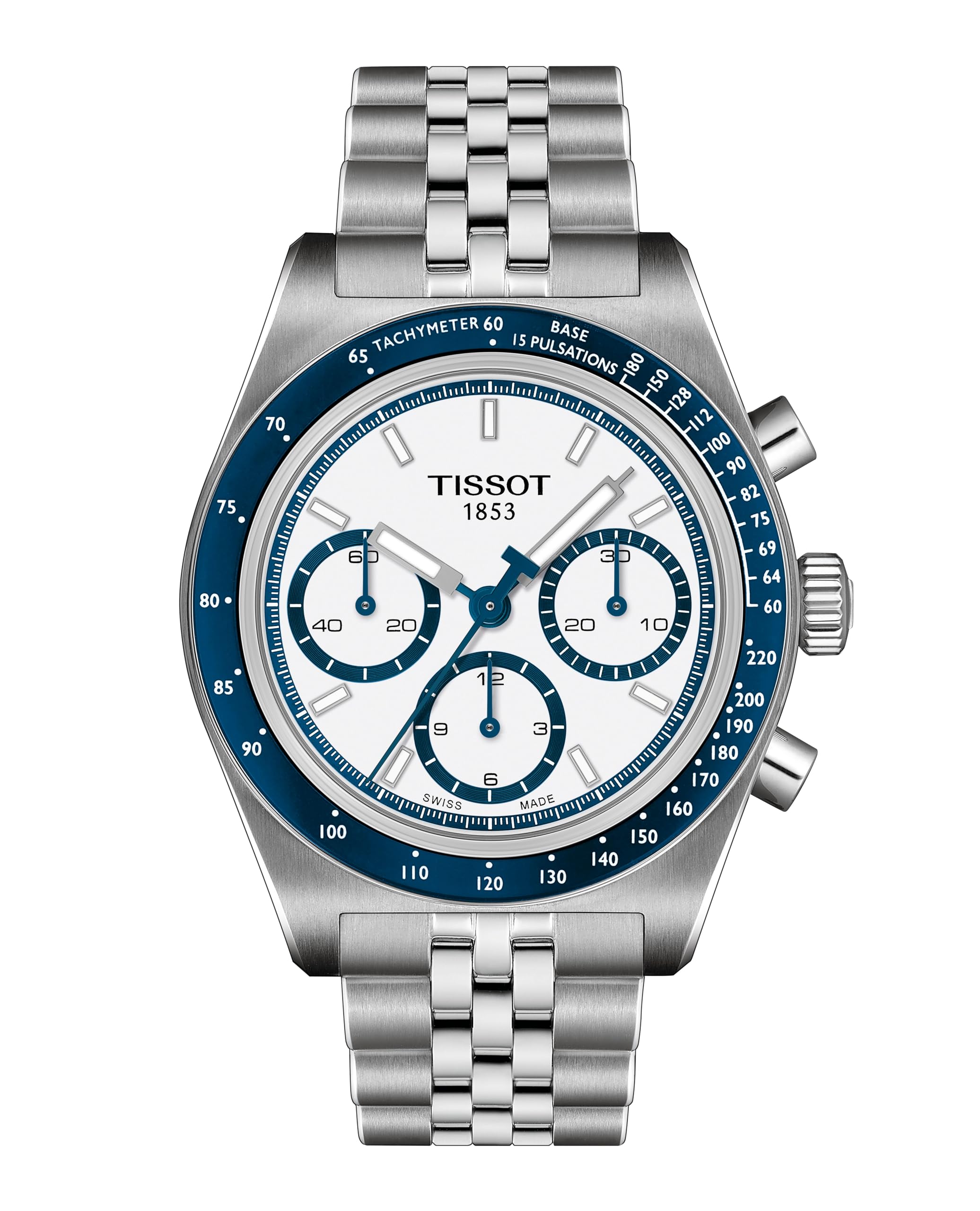
Automatic Watches 101: The Basics
An automatic watch is a mechanical watch that winds itself. Inside the case, a weighted rotor spins as your wrist moves and tightens the mainspring, which stores energy and releases it in tiny, even steps to move the hands. A full wind typically gives about 40 to 70 hours of power reserve, depending on the movement, so the watch keeps running through a quiet weekend on your dresser.
A few terms will unlock every listing you read. The calibre is the specific movement model inside. The beat rate, often written as vibrations per hour, controls how smoothly the seconds hand sweeps and influences accuracy. Hacking means the seconds hand stops when you pull the crown out, which makes setting the exact time easy. Hand winding means you can also wind the watch manually with the crown, which is useful after a few days off the wrist. None of this requires expertise: wear the watch, set it now and then, and enjoy machinery doing quiet work on your wrist.
Key Specs of the Best Automatic Watches under 2500
What You Can Realistically Get Under $2500
Under $2500 you can realistically expect a lot: well finished steel cases, sapphire crystals front and often back, movements with 60 to 70 hours of power reserve, and water resistance of 100 to 200 metres on sport models. Around $1000 to $2500 is where finishing quality jumps, with polished and brushed surfaces that catch light cleanly. What you still cannot expect is precious metal cases or the most exotic complications at full quality. Do not economise on warranty and service access, because a watch at this price is a long term purchase.
Movement Type (Quartz, Automatic, Solar, Smart)
Quartz movements use a battery and a crystal oscillator, and they are the accuracy champions, gaining or losing only seconds per month. Automatic movements trade some accuracy, usually a few seconds per day, for mechanical craft and a battery free life. Solar movements charge from light and suit people who dislike maintenance of any kind. Smart movements add screens, apps, and sensors but age with their software. For a first purchase meant to last decades, automatic is the classic choice, while quartz makes sense as a second, grab and go watch.
Smart and Fitness Features
A traditional automatic offers no GPS, no heart rate sensor, and no step counting, and new buyers should be clear about that trade before spending. If training data matters to you, wear a fitness band on the other wrist or rotate a smartwatch on workout days. Consumer heart rate tools are training aids rather than medical devices, so treat unusual readings as a prompt to see a professional, not as a diagnosis. Many first time buyers discover they enjoy the break from notifications: an automatic tells the time and nothing else, and that calm is part of its appeal.
Case Size and Wrist Fit
Case diameter is the number you will see most, and most wrists suit 38 to 42 mm. The lug to lug measurement, the full length across the strap mounts, decides whether the watch overhangs your wrist, so check it against your wrist width. Thickness matters as well: sport watches around 12 to 14 mm thick feel substantial, while dress styles under 11 mm slide under cuffs. A practical know how tip is to cut a paper circle to the case size and tape it to your wrist for a day. You will learn more from that than from any photo.
Brand Reputation, Warranty, and Value
At this budget, brand reputation buys you service centres, spare parts for decades, and resale value if your taste changes. Warranties of two to five years are common, and longer cover signals confidence. Smaller independent makers can offer striking design and strong value, but ask who will service the watch in ten years and what that service costs. If you are still deciding your ceiling, browsing the broader best watches under 2500 category shows how automatics compare with quartz and smart options at the same money.
Strap and Bracelet Options
The strap changes a watch as much as the dial does. A steel bracelet suits daily wear, resists sweat, and adds presence, but it should have solid links and a clasp with fine adjustment. Leather dresses a watch up and feels light, yet it dislikes water and needs replacing every year or two. NATO style fabric straps are cheap, secure, and great for travel. Rubber suits swimming and hot weather. Quick release spring bars, now common, let you swap straps in seconds without tools, which effectively gives you several watches for the price of one case.
Rookie Mistakes to Avoid
- Buying by diameter alone. Lug to lug length and thickness decide real comfort, and ignoring them is the most common cause of returns.
- Chasing the lowest price from an unknown seller. Grey market savings can vanish if the warranty card is missing and a fault appears in month two.
- Ignoring service costs. A service every five to seven years can cost around $250 to $500 at this level, so include it in the real price.
- Choosing a style that fights your wardrobe. A bold dive watch with a suit, or a slim dress watch with sportswear, ends up unworn.
- Expecting quartz accuracy. A few seconds a day is normal and healthy for a mechanical watch, not a defect.
Getting Started: Setup and First Use
When your watch arrives, resist the urge to shake it hard. Instead, wind the crown slowly for about 30 to 40 turns until you feel gentle resistance build, then set the date a day back, move the hands past midnight to confirm the date change, and set the correct time. Avoid changing the date between about 9 in the evening and 3 in the morning, when the date mechanism is engaged on many movements. Wear the watch for a full active day so the rotor tops up the reserve. Rinse it after saltwater exposure, dry it well, and store it away from strong magnets such as tablet covers and speaker drivers, which can disturb accuracy until a watchmaker demagnetises it.
Automatic Watches: Your Questions Answered
Can you get a good automatic watch under $2500?
Yes, this budget buys genuinely excellent automatics with sapphire crystals, long power reserves, and finishing that holds up for decades. The main decision is style and brand rather than basic quality. One point new buyers miss is that two watches at the same price can carry very different service costs, so ask about service pricing before you buy. A slightly cheaper watch with affordable servicing can cost less over twenty years than a rival with costly factory only care.
What case size fits my wrist?
Most wrists between about 6.5 and 7.5 inches suit cases of 39 to 42 mm, while smaller wrists often prefer 36 to 39 mm. Check the lug to lug length against the flat top of your wrist: if the lugs hang past the edges, size down. Thickness counts too, especially under shirt cuffs. If you are between sizes, choose the smaller one for a dress watch and the larger one for a sport watch, because bezels make sport styles wear visually bigger than their numbers suggest.
Is a smartwatch worth it over a classic watch?
A smartwatch is worth it if notifications, payments, and training records genuinely improve your day and you accept charging it constantly. It is not a lifetime purchase, because batteries fade and software support ends. A classic automatic at this budget is the opposite: no apps, but serviceable for decades and stable in value. Many owners in this price range keep a smartwatch for the gym only. If forced to pick one object to keep for twenty years, pick the automatic every time.
How water resistant should a watch be?
For daily wear with occasional rain and hand washing, 50 metres is a comfortable minimum. Choose 100 to 200 metres if you swim regularly, and look for a screw down crown on any watch that will be in the water often. Remember that seals age: a five year old watch should have its resistance checked before a swimming holiday. Also avoid pressing pushers or turning a wet crown, because moving parts can let water past seals that would otherwise hold perfectly well.
Quartz or automatic: which is better?
Better depends on what you value each morning. Quartz is better if you want to grab a watch that is always right and ready, at lower cost. Automatic is better if you enjoy machinery, want a smooth sweeping seconds hand, and like the idea of a watch your grandchildren could wear. At this budget the automatic also holds value far better. Readers comparing entry points often look at the best automatic watches under 1000 to see what the step up to this level adds in finishing and movement quality.
How long does a watch battery last?
An automatic watch has no battery, so the honest answer is that this question belongs to quartz models, where cells last about two to three years. The automatic equivalent is power reserve: expect roughly 40 to 70 hours at this price, with many modern movements near the top of that range. If you rotate watches, a watch winder can keep one ready, though it is a convenience rather than a need. A stopped automatic restarts with wrist motion or about 30 crown turns.
Final Thoughts
Keep your first purchase simple: choose a reputable maker, a case that fits your wrist in all three dimensions, and a style that matches most of your week. Compare the shortlist in the product table above against those three tests, and step down to guides like the best watches under 500 automatic or the best automatic watches under 200 only if this budget starts to feel like a stretch, while the best automatic watches under 300 range shows the entry point clearly. Buy once, buy well, and the best automatic watches under 2500 choice you make now can stay on your wrist for decades.


