
Best Automatic Watches under 250: Budget, Midrange, and Premium Picks for 2026
Disclosure: We may earn a commission when you buy through links on this page, at no extra cost to you. As an Amazon Associate I earn from qualifying purchases. Learn more

A buying guide to the best automatic watches under 250, with price tier advice, crystal and movement checks, smart feature notes, and care costs.
A budget of 250 dollars opens the automatic watch market up in a useful way. You are past the most basic models, yet still below the prices where brand prestige starts to dominate the bill. This guide to the best automatic watches under 250 helps you see which upgrades in this range are real and which are mostly decoration.
Start with the comparison table below and note the movement, crystal, and water resistance of each option. Those three items explain most of the price difference, and the sections that follow show you how to weigh them against style and brand.


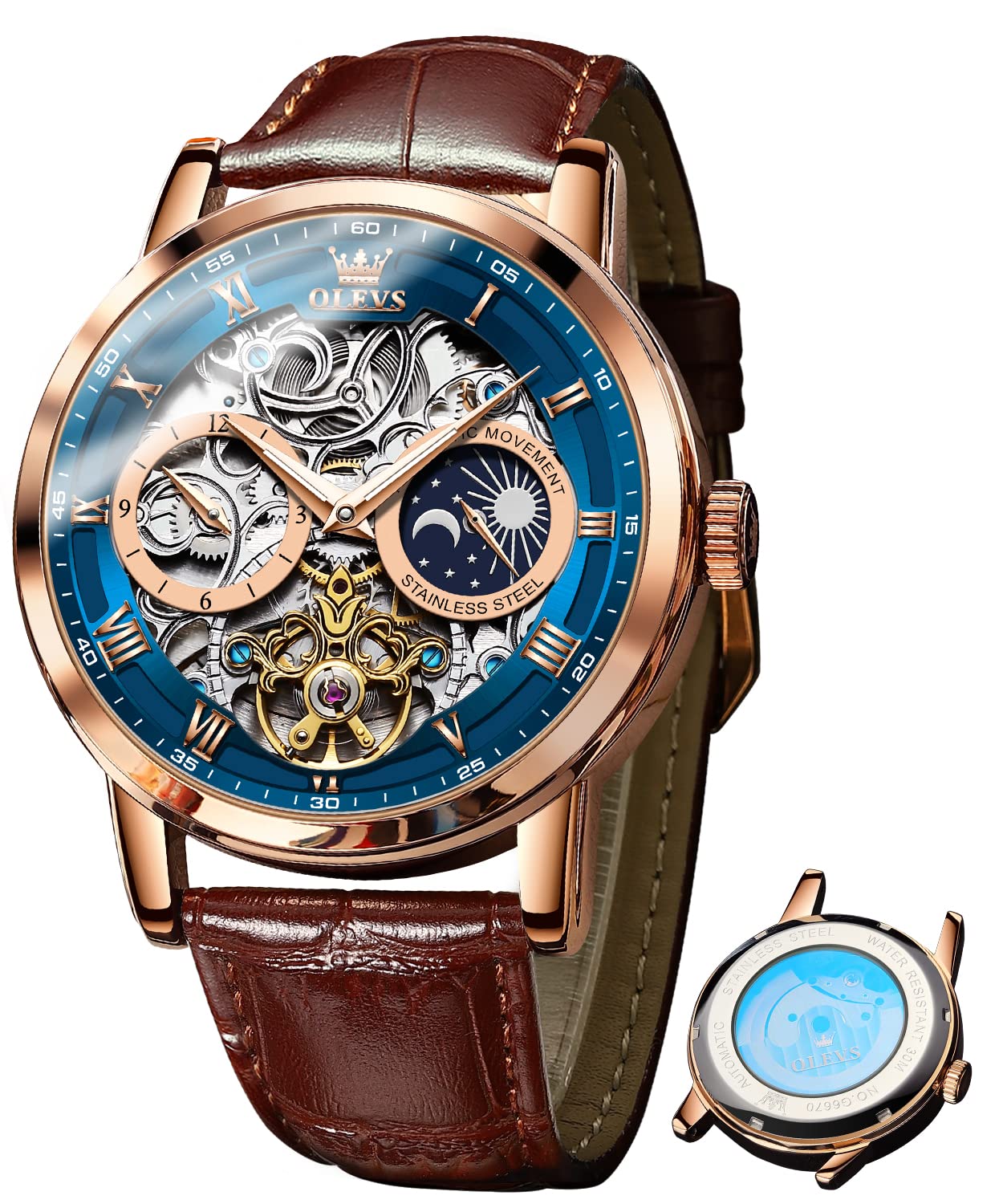
What a Good Choice Looks Like at Each Budget Level
Think of this price band as three smaller bands. Each band has a fair standard, and a watch that misses the standard for its band is poor value even if it looks attractive in photos.
Budget Level Criteria
At around $100 to $150, insist on a named automatic movement, a stainless steel case, and clear water resistance figures. A mineral crystal is expected and perfectly serviceable at this level. The dial should be clean and readable, the crown should wind smoothly, and the strap should use standard lug widths so replacements are easy to find. Accept plain finishing and modest lume. Reject vague movement descriptions, alloy cases presented as steel, and bracelets with sharp edges. At the budget level, honest specifications are the single best sign of a watch worth buying.
Midrange Level Criteria
At around $150 to $200, expect a movement with hacking and hand winding, better case finishing, and water resistance of 100 metres on sport styles. Lume should last through the night, and the bracelet should use solid links with a secure clasp. Many watches here add a display case back so you can watch the rotor move, which costs nothing in durability. If a midrange watch still pairs a basic movement with a folded link bracelet and 30 metres of resistance, it belongs in the budget band and should be priced like it.
Premium Level Criteria
At around $200 to $250, look for the details that separate a good watch from a satisfying one: a sapphire crystal, a screw down crown on sport models, tight bezel action with no wobble, and a bracelet with solid end links. Dial printing should be crisp under magnification and hands should align with the markers. Warranty support should be easy to reach in your country. If the premium price only buys a larger case or a busier dial design, spend less and keep the difference for a future service.
What Your Money Gets You at Each Price Tier
Budget Tier: What to Expect
Budget automatics in this guide start higher than the cheapest mechanical watches on the market, and that is deliberate. Around $100 to $150 buys a movement with a track record, a case that resists daily knocks, and accuracy of roughly twenty to forty seconds a day, which most owners correct once a week. Expect a power reserve near 40 hours. What you give up is refinement: lighter bracelets, simpler clasps, and lume that fades by morning. For a first automatic or a work watch that will take abuse, those trade offs are sensible.
Midrange Tier: The Sweet Spot for Most Buyers
Most buyers should shop here first. The extra money over the budget band buys comfort and confidence: smoother winding, better bracelets, stronger water resistance, and movements that hold time more steadily. This is also where respected makers compete hardest, so discounts are common and patience pays. If your research started with the broader best watches under 250 category, including quartz and solar models, this tier is where automatics begin to match those rivals on everyday convenience while adding mechanical character they cannot offer.
Premium Tier: When Spending More Pays Off
The top of this budget pays off when it buys a sapphire crystal and a bracelet you will keep for years, because replacing either later costs real money. It also buys stronger resale interest if you later trade up toward the models in our best watches under 500 automatic guide. It does not pay off for decorative complications you cannot read or for gold coloured coatings that wear at the edges. Judge the premium band by touch as much as by eye: crown action, clasp snap, and bezel feel reveal quality quickly.
Features the Best Automatic Watches under 250 Should Have
Brand Reputation, Warranty, and Value
A known brand earns its premium through parts availability, service networks, and warranties that are honoured without a fight. Two years of warranty cover is typical in this range, and longer cover is a genuine plus. Resale value follows reputation, so a recognised name usually returns more of its cost if you sell. That said, smaller brands can offer stronger specifications for the money. Balance both: check who services the watch in your country and what a service costs before you decide that a famous name is worth the extra.
What You Can Realistically Get Under $250
Under $250 you can realistically get a proven Japanese or Swiss entry movement, a steel case, 100 metres of water resistance on sport styles, and sometimes a sapphire crystal. You cannot expect in house movements, luxury finishing, or chronometer certification, and listings implying those things deserve suspicion. Around $200 to $250 is where sapphire becomes common enough to insist on for a watch you plan to keep. Do not economise on seller reputation: authorised sellers protect you if the watch arrives running far outside its stated accuracy.
Crystal and Case Materials
The crystal protects the dial and takes most scratches. Sapphire is the hardest common option and resists scratches from keys, door frames, and desk edges, though it can shatter under a hard point impact. Mineral glass scratches more easily but is cheaper and less brittle. Acrylic, found on vintage styled pieces, scratches easily yet polishes back with simple compounds. For cases, 316L stainless steel is the standard for good reason: it resists corrosion and polishes well. Titanium is lighter and warm to the touch but shows scuffs, and it is rare at this price.
Smart and Fitness Features
Automatic watches do not offer GPS, heart rate tracking, or notifications, and that absence is the point for many buyers. If you want training data, a smartwatch or a fitness band does that job better and can share your wrist rotation with an automatic for dress and work. Note that consumer heart rate readings are training aids, not medical measurements, so anyone managing a health condition should rely on proper medical devices and professional advice. Choose the automatic for timekeeping and craft, and add a tracker only if you will use its data.
Movement Type (Quartz, Automatic, Solar, Smart)
Movement choice shapes ownership more than any other decision. Automatic movements wind from your motion, sweep smoothly, and need a service every five to seven years. Quartz movements are more accurate and far cheaper to maintain, with a battery change every two to three years. Solar movements remove even that chore by charging from light. Smart movements add screens and apps but age fastest. Readers stepping up in budget often compare this range with the best automatic watches under 1000 to see which movement upgrades the extra money actually buys.
Long Term Costs to Factor In
Plan for a service every five to seven years, which at this price can cost around $100 to $200 depending on your region and the movement. Straps and bracelets wear too: leather needs replacing every year or two with daily wear, while a steel bracelet can last the life of the watch with occasional pin replacement. Keep the box and papers, because they support resale value. If you rotate several watches, a simple watch box protects them better than a drawer. None of these costs should scare you, but they belong in the budget from the start.
FAQs
Can you get a good automatic watch under $250?
Yes, this is one of the strongest value points in the whole automatic market. You can get a proven movement, a steel case, and real water resistance with money left for a spare strap. One point buyers often miss is regulation: some sellers adjust the movement before shipping, which can improve daily accuracy noticeably. Ask about it. A watch regulated to within ten seconds a day at this price feels like a bargain every morning you check it.
How water resistant should a watch be?
Choose 100 metres if the watch will see swimming, showers, or wet work, and 30 to 50 metres for office and social wear. The rating is measured in still water under controlled conditions, so real life margins matter. A practical extra tip: heat and soap in showers age the seals faster than cold clean water does, so a watch you shower in daily deserves a seal check sooner. Rinse after salt water and dry the crown area, where moisture likes to linger.
Is a smartwatch worth it over a classic watch?
It is worth it when notifications, calls, and workout records are part of your daily routine and you accept nightly or near nightly charging. It is not worth it as your only watch if you dislike screens or want something that still works in ten years without software support. Many owners split the difference: smartwatch for training, automatic for everything else. If you must choose one and you value longevity, choose the classic automatic and track workouts with your phone.
Quartz or automatic: which is better?
Quartz is better for accuracy, slim design, and the lowest running costs. Automatic is better for mechanical interest, smooth seconds motion, and long service life without batteries. Your routine decides: people who wear one watch daily keep an automatic wound without thinking, while people who rotate many watches may prefer quartz that is always ready. Budget plays a part too, since a good quartz costs less to buy and to own, freeing money for other purchases like the options in our best automatic watches under 300 guide.
How long does a watch battery last?
A quartz watch battery typically lasts about two to three years, and less in models with alarms, lights, or chronographs used often. An automatic has no battery at all: it stores energy in a spring and runs for roughly 40 hours after a full wind. If you store an automatic for weeks, it will stop, and a few dozen crown turns restart it. A solar watch splits the difference, running for months on a full charge from ordinary indoor and outdoor light.
Wrapping Up
Put your money into the movement, the crystal, and the bracelet, in that order, and let style choose among the watches that pass those tests. The product table above is the fastest way to compare those items side by side. Shoppers on a tighter limit can step down to the best automatic watches under 200 range and keep most of the same logic. Whichever band you choose, the best automatic watches under 250 for you is the one whose specifications match your daily life, not the one with the longest feature list.


