
Best Automatic Watches for Beginners by Budget: Smart Choices for 2026
Disclosure: We may earn a commission when you buy through links on this page, at no extra cost to you. As an Amazon Associate I earn from qualifying purchases. Learn more

Learn how to choose the best automatic watches for beginners by budget, with clear guidance on movement, case size, water resistance, straps, and care.
Your first automatic watch is exciting, but the price range is wide enough to confuse anyone, from under $100 to well past $1000. This guide sorts the market by budget so you can see what your money actually buys at each level and where an upgrade is worth paying for. The best automatic watches for beginners share a few traits: they are easy to set, forgiving to wear, and simple to get serviced later.
An automatic watch winds itself as you move, so there is no battery to change and no daily charging. What changes with price is refinement: better crystals, smoother movements, stronger water resistance, and bracelets that feel solid instead of rattly. Use the comparison table below to spot those differences, then read the tiers to decide your level.
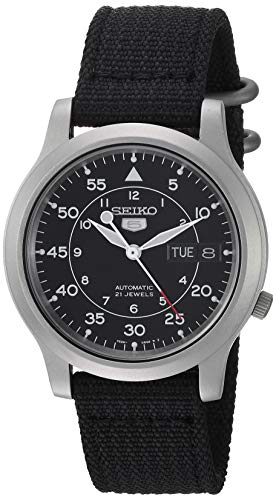


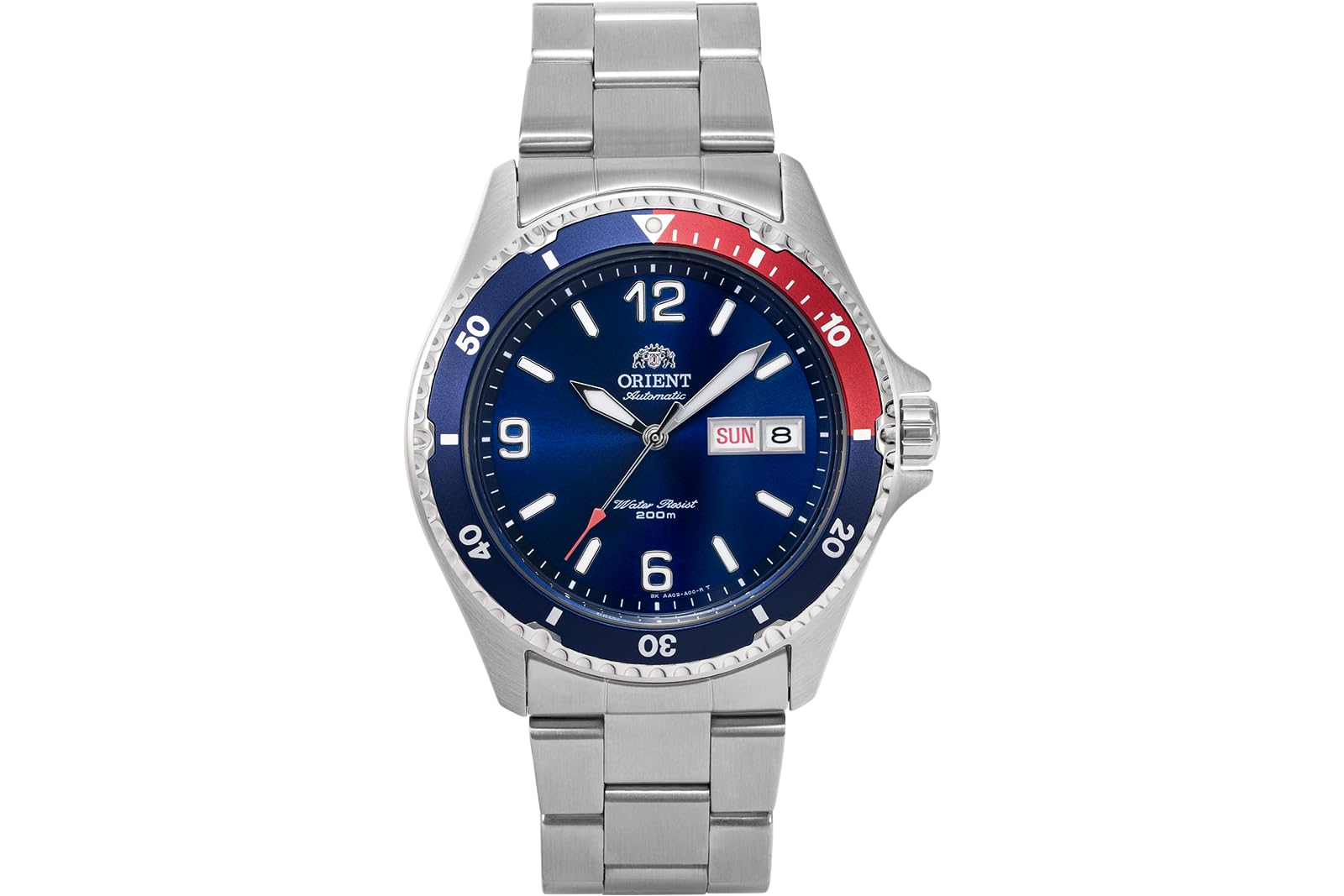


Three Budget Profiles for Your First Automatic
Rather than naming a single winner, think in profiles. Each profile below describes the kind of watch a beginner should look for at that spend, the strengths to expect, and the one tradeoff to accept with open eyes. Match the profile to your habits first, then check listings against it.
The Budget Profile
Around $100 to $200, look for a proven entry level automatic movement, a case near 38 to 40 mm, and a simple three hand dial with a date. Strengths at this level are honest value and low worry: a scratch or a knock is not a financial disaster while you learn. The tradeoff is usually a mineral crystal instead of sapphire and a basic strap you may want to replace. For a first watch you will wear daily and learn on, that trade is often smart.
The Midrange Profile
Around $250 to $500, expect sapphire crystal on many models, better water resistance, and movements with hacking and hand winding. Bracelets improve a lot here, with solid links and clasps that feel secure. This profile suits a beginner who already knows they love the hobby and wants one watch to keep for years. The tradeoff is choice overload, so lean on case size and dial style to narrow the field rather than chasing tiny spec differences.
The Premium Profile
Around $600 to $1000, you pay for finishing, heritage, and longer power reserves that can run through a long weekend off the wrist. Expect refined dials, strong lume, and movements with a reputation for steady rates. This profile fits a buyer marking a milestone, such as a graduation or a new job. The tradeoff is real money at risk while you are still learning your taste, so buy from a seller with a friendly return policy. For context across the whole category, see our guide to the best automatic watches and note how premium features filter down over time.
What Your Money Gets You at Each Price Tier
Budget Tier: What to Expect
Budget automatics deliver the core experience: a sweeping seconds hand, a movement you can often see through a display case back, and styling that covers field, dive, and dress looks. Cases are usually steel with mineral crystal, water resistance is often 30 to 100 meters, and straps are basic. Accuracy may wander more from day to day, which is normal at this level. Spend your limited money on a reputable movement and a size that fits, not on extra dial complications you will rarely use.
Midrange Tier: The Sweet Spot for Most Buyers
Midrange is where most beginners should land if the budget allows. Sapphire crystal becomes common, water resistance of 100 to 200 meters is realistic, and bracelets gain solid end links and better clasps. Movements add hacking, which stops the seconds hand for precise setting, and power reserves stretch toward 40 hours or more. Servicing also gets easier because these calibers are widely known to watchmakers. If you want one watch for office, travel, and weekends, this tier balances cost and quality best.
Premium Tier: When Spending More Pays Off
Premium money buys details you feel rather than features you list: a bezel that turns with crisp clicks, hands aligned perfectly, and a dial that rewards a close look. You may also get anti reflective coatings, longer warranties, and movements regulated to tighter accuracy. Resale value tends to hold up better with respected brands, though you should never buy a first watch as an investment. Choose this tier when the watch marks an occasion and you plan to keep it for a decade. If funds are tight, our guide to the best affordable automatic watches shows how to protect the essentials on a smaller budget.
Features Worth Paying For (and Ones to Skip)
Water Resistance Rating
For a beginner, 100 meters is the rating to aim for, because it covers showers, rain, and swimming without worry. A 30 meter watch is splash resistant only, and many new owners learn that the hard way. A 200 meter rating adds a screw down crown and suits regular swimming or snorkeling. Whatever the rating, rinse the watch after saltwater and never operate the crown while the watch is wet. Paying for 100 meters is worth it; paying extra for extreme depth ratings you will never use is not.
Beginner Friendly Features That Matter
The friendliest features are a clear dial, a date you can set without fuss, and a crown that is easy to grip. Hand winding matters because a stopped watch restarts in seconds with a few crown turns. A quick release strap lets you swap looks without tools or scratches, which encourages you to actually wear the watch in more settings. A practical know how tip: when you set the date, first move the hands to about 6 o clock, then change the date, then set the time, because changing the date near midnight can strain the mechanism on many movements.
Brand Reputation, Warranty, and Value
Buy from brands and sellers with a real warranty, ideally two years, and a service path in the United States. A known movement matters more than a famous logo, because any competent watchmaker can service common calibers and source parts. Keep your receipt and warranty card with the box. If you are comparing starter options beyond automatics, our guide to the best beginner watches covers quartz and solar choices that need even less upkeep.
Movement Type (Quartz, Automatic, Solar, Smart)
Automatic movements run on your motion and a spring, quartz runs on a battery with superior accuracy, solar charges from light, and smartwatches add GPS and apps with daily or weekly charging. For learning watch craft, automatic offers the richest experience and the longest service life. Expect accuracy measured in seconds per day and plan a service every 5 to 7 years. If perfect time matters more than mechanics, there is no shame in starting with quartz and adding an automatic later.
Long Term Costs to Factor In
The purchase price is only the start. Budget for a service every 5 to 7 years, which often costs around $150 to $400 depending on the movement and your watchmaker. Straps wear out in one to three years of daily use, and a good replacement costs around $30 to $100. A watch winder is optional, not required, so skip it at first and simply wear or hand wind the watch. Factor in these costs and the midrange tier often beats a cheap watch that needs early repairs. Shoppers choosing for someone else may also find our guides to the best men's automatic watches and the best women's automatic watches helpful for size and style cues.
Automatic Watches: Your Questions Answered
What makes automatic watches for beginners different?
They favor simplicity and durability over complications and prestige. A good first automatic, the kind people mean when they search for the best automatic watches for beginner guidance, has a legible dial, a forgiving case size near 38 to 40 mm, and a movement any watchmaker can service. Fewer dial features mean fewer costly repairs, and a modest price means you can learn your taste without fear of one expensive mistake.
How water resistant should a watch be?
Aim for 100 meters if you will wear the watch daily and swim sometimes. That rating handles rain, showers, and pool laps with healthy seals. Choose 200 meters with a screw down crown for frequent ocean use. Avoid water entirely with a 30 meter watch beyond hand washing. Whatever you buy, have the seals checked at each service, because gaskets age even when a watch looks perfect.
Quartz or automatic: which is better?
Automatic is better for craft, longevity, and the pleasure of a sweeping seconds hand. Quartz is better for accuracy, thin cases, and the lowest cost of ownership. Beginners who enjoy objects and rituals usually love automatics; beginners who just need the time usually prefer quartz. Many collections end up with one of each, using quartz for rough days and automatic for everything else.
What case size fits my wrist?
Start with 36 to 40 mm if your wrist is under about 6.5 inches, and 39 to 42 mm for larger wrists. Lug to lug length decides comfort as much as diameter, so keep it under the width of your wrist top. A practical trick is to cut a paper circle to the case size and tape it to your wrist; if it looks balanced in the mirror, the real watch likely will too.
How long does a watch battery last?
An automatic has no battery at all; it runs while you wear it and for about 38 to 80 hours after, depending on the movement. The battery question belongs to quartz watches, where a cell typically lasts 2 to 3 years. If your automatic stops after a quiet weekend, that is normal behavior, not a fault. Wind it, set it, and wear it, and it will settle back into its routine.
Final Thoughts
Start with fit, a serviceable movement, and honest water resistance, and your first automatic will teach you what you love. The budget tier teaches cheaply, the midrange tier satisfies longest, and the premium tier rewards a milestone. Compare your shortlist in the product table above, and remember that the best automatic watches for beginners are simply the ones you will wear every day with a smile.


