
Best Automatic Tool Watches: Matching the Right Model to Your Routine for 2026
Disclosure: We may earn a commission when you buy through links on this page, at no extra cost to you. As an Amazon Associate I earn from qualifying purchases. Learn more

Match an automatic tool watch to real use: diving, site work or travel. Compare case size, water resistance, crystal and straps to avoid overpaying.
A tool watch earns its name by doing a job under rough conditions, not by looking rugged in a photo. The right one for a diver, a field worker, and a desk based traveler are three different watches. This guide to the best automatic tool watches matches features to real routines so you buy capability you will use, and skip capability you will only pay for.
Start by naming your hardest normal use, such as swimming, site work, or frequent travel. Then use the comparison table below to check size, water resistance, crystal, and strap options against that use.


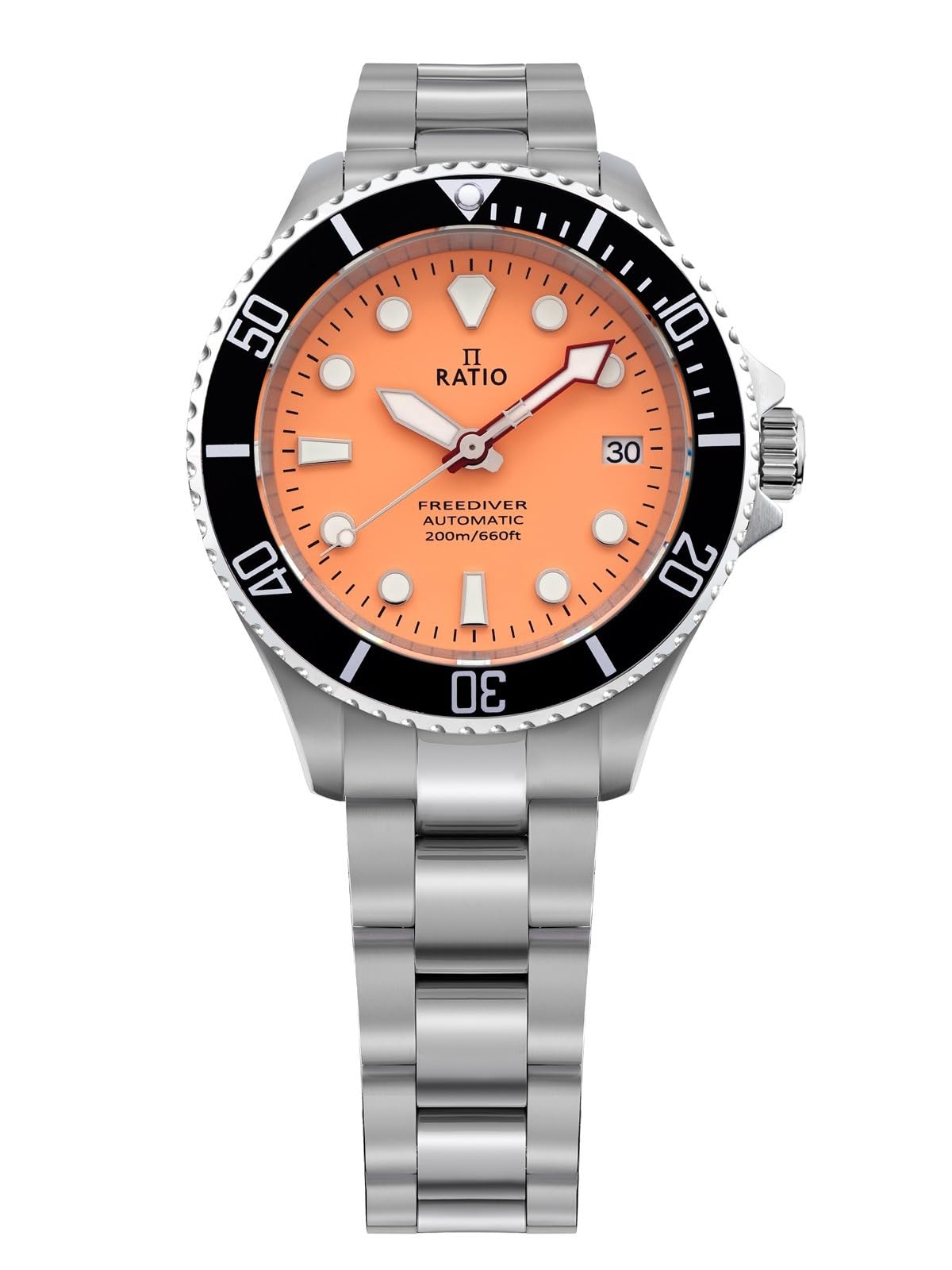

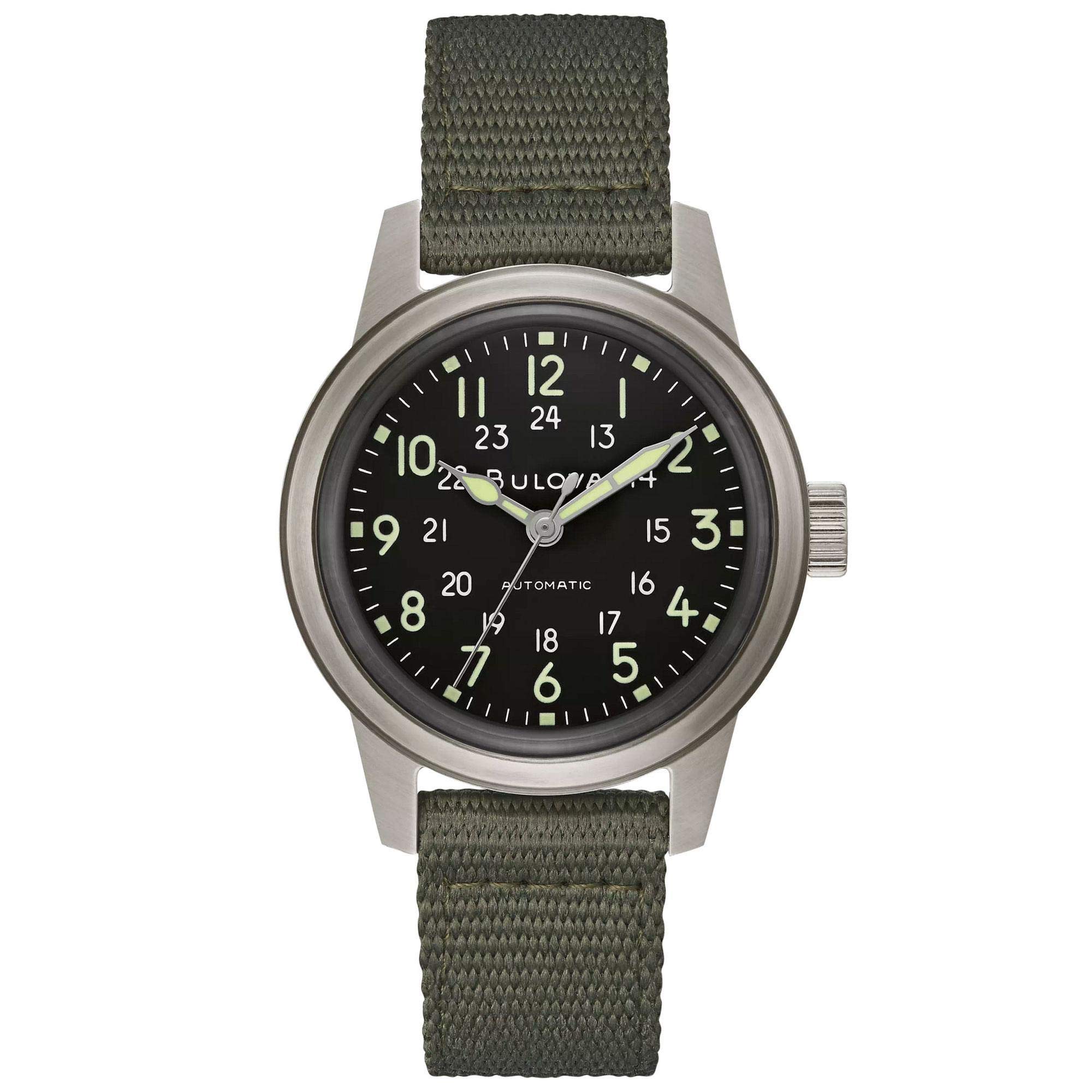
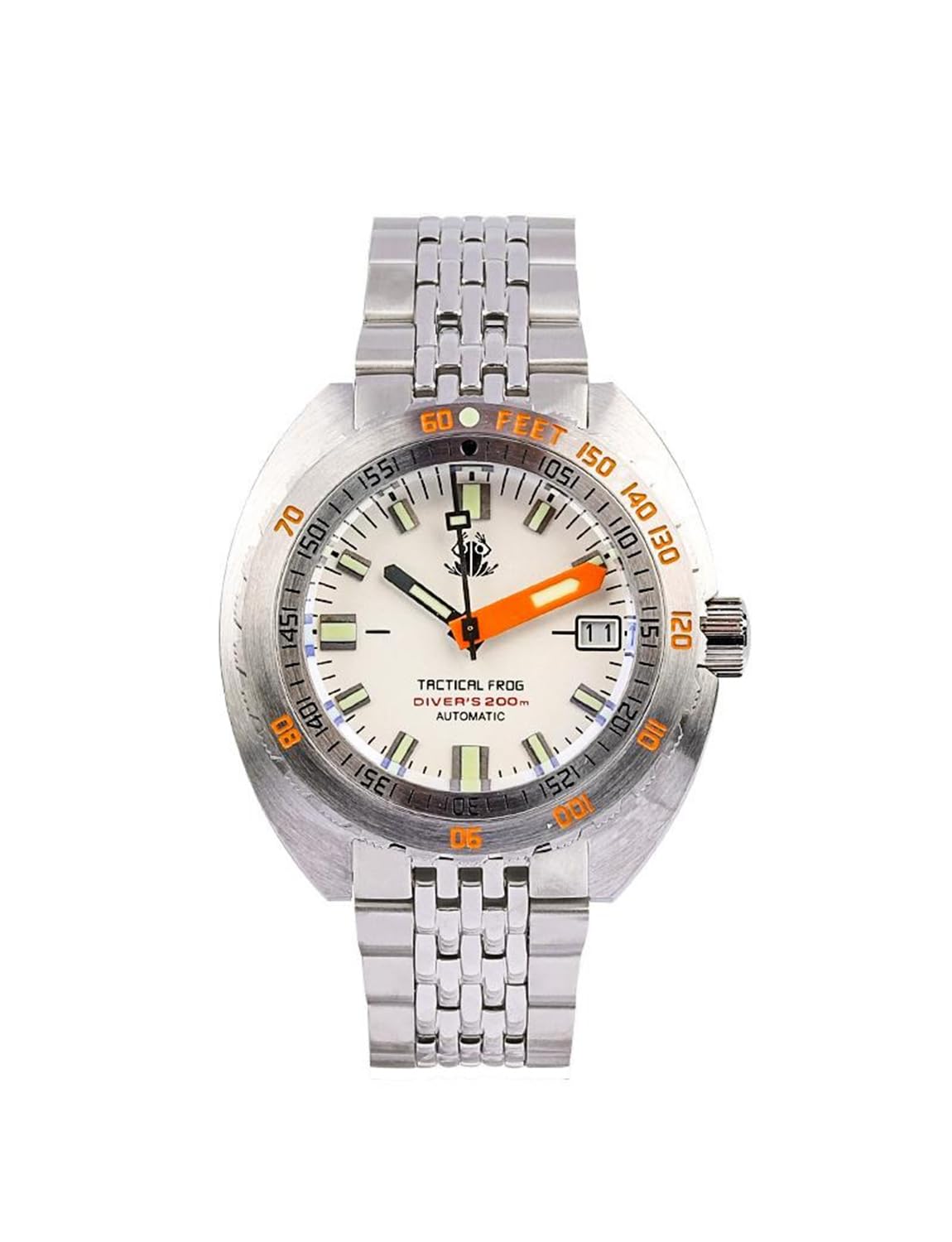
Who Should Buy Which Type?
For First Time Buyers
First time buyers do best with a simple, tough, three hand watch and no extra complications to learn. Look for a movement with hacking and hand winding, a clear dial with strong lume, and a case around 38 mm to 41 mm. A fabric or rubber strap forgives sizing mistakes and washes clean after dirty work. Keep the first purchase modest, around $150 to $400, until you know your size and style preferences. A watch you understand fully will teach you more than a complex one you set wrong half the time.
For Gift Shoppers
A tool watch makes a strong gift because it suits daily wear and needs no charging or pairing. Choose a neutral case finish, a mid size case, and a strap that can be swapped without tools if possible. A quick release strap system helps the person receiving it adjust the look for work or weekends. Confirm the warranty and keep the purchase paperwork with the box. If you are unsure about taste, our broader guide to best tool watches shows the main style families, from dive to field to travel, before you commit.
For Value Seekers
Value in a tool watch means strength where impacts and water actually strike: the crystal, the crown, the seals, and the strap hardware. Spend on sapphire crystal and a movement that local shops can service. Save by skipping precious metals, heavy decoration, and complications you will not use. Many strong value models land around $200 to $500 and last for years with basic care. Check that replacement straps and spring bars are standard sizes, because cheap upkeep over ten years beats a small saving on the first day.
Key Features to Compare
Case Size and Wrist Fit
Tool watches trend larger, but fit still decides comfort during a long shift or a long hike. Compare diameter with lug to lug length and thickness as one package. A thick case with a tall bezel can catch on cuffs, gloves, and equipment straps. For wrists under 6.5 inches, look near 38 mm to 40 mm. For larger wrists, 41 mm to 44 mm often balances presence and control. The watch head should not slide around when your wrist sweats, since movement during work causes strap wear and skin irritation.
Movement Type (Quartz, Automatic, Solar, Smart)
Automatic movements suit tool watches because they need no battery changes in the field and a watchmaker can service them almost anywhere. Quartz is tougher against hard shocks and more accurate, and it costs less, but a dead battery ends its run without warning. Solar removes that worry in bright work settings. Smart models add GPS and sensors yet need charging and can fail when software or screens age. For a mechanical tool watch, judge the movement by shock protection, accuracy range, and parts availability in the US.
Legibility and Style
Legibility is a working feature, not a style bonus. Large hands, high contrast markers, and even lume let you read the time in a dark warehouse, a night drive, or underwater at shallow depth. A matte dial and anti reflective coating reduce glare outdoors. Style still matters because a watch you dislike will stay in a drawer. Dive styles bring a rotating bezel for timing, field styles keep dials minimal, and travel styles may add a second time zone. Pick the layout that matches the timing task you actually perform.
Strap and Bracelet Options
The strap is half the tool. Rubber and silicone handle water, sweat, and chemicals best and rinse clean in seconds. Fabric straps dry fast and fit over a wide range of wrist sizes, though they fray with heavy use. Steel bracelets last longest and suit office settings, but they add weight and can trap grit. Leather looks good and fails fast in water, so treat it as a second strap for dry days. A quick release strap setup lets you change between them in seconds with no tools, which is a genuine practical advantage.
Crystal and Case Materials
Sapphire crystal resists the scratches that tool use guarantees, from grit, keys, and concrete edges. Mineral glass is acceptable on a low cost beater watch you expect to replace. For cases, stainless steel offers the best mix of strength and corrosion resistance. Titanium lowers weight for all day wear and resists corrosion even better, at a higher price. Coated cases look stealthy when new, but coatings wear at the edges with hard use and are hard to refinish, so bare metal is the safer long term choice for a true work watch.
Common Mistakes to Avoid When Buying
- Chasing the highest water rating. Most owners never go below a swimming pool. Paying for extreme depth ratings while the crystal stays mineral glass is money spent in the wrong place.
- Ignoring case size and wrist fit. A heavy oversized case bangs into door frames and equipment, and you will stop wearing it. Measure lug to lug length before you order.
- Buying complications you will not set. Every extra function is another thing to reset after the watch stops. Simple watches get worn, and worn watches give value.
- Skipping the warranty check. Confirm how long coverage lasts and whether crown and water damage are excluded. Tool use is exactly where those exclusions matter.
- Trusting lume claims without detail. Look for lume on both hands and all hour markers. A watch with glowing markers but plain hands is hard to read in the dark.
For movement background across styles, see our guide to the best automatic watches. Shoppers watching spend can compare value options in our guide to the best affordable automatic watches before they decide how far up the price range to go.
Tips to Get the Most From Your Automatic Tool Watch
Service the movement every 5 to 7 years and have the seals tested at the same visit if you swim in the watch. Rinse it with fresh water after saltwater exposure and after dusty or muddy work, then dry it before storing. Store it away from magnets, since tool environments include speakers, motors, and magnetic clasps that can speed a movement up. Rotate straps by season. Rubber suits summer sweat and water, while a bracelet or fabric strap may feel better in cooler months.
A useful know how habit is a weekly time check against your phone. Note the seconds gained or lost in a small log. A sudden change in rate is an early sign of magnetism, a knock, or a movement that needs service, and catching it early is cheaper than a repair later. Our fit guides to the best men's automatic watches and the best women's automatic watches can help if several people in a household are choosing sizes at the same time.
Frequently Asked Questions
Is a smartwatch worth it over a classic watch?
For site work and outdoor jobs, a classic tool watch often wins because it survives knocks, needs no charging, and works with gloves. A smartwatch wins when you need GPS tracks, messages, or health logs during the day. Battery and lifespan decide it for most people. A smartwatch is a device with a service life of a few years, while a mechanical tool watch can be serviced and kept for decades.
Quartz or automatic: which is better?
Quartz handles hard shocks better and keeps closer time for less money. Automatic offers a battery free mechanical movement that many owners find more satisfying and that can be repaired almost indefinitely. For the roughest jobs, such as regular use with vibrating tools, quartz has a real edge. For daily wear with normal knocks, a modern automatic with shock protection is durable enough and simpler to keep running for years.
What case size fits my wrist?
Check whether the lugs stay within the flat top of your wrist, because that test works for every wrist shape. Most daily tool watches fall between 38 mm and 43 mm, with thickness around 12 mm to 14 mm. Smaller wrists should start at 38 mm to 40 mm and slim profiles. If you wear gloves at work, also check that the crown is easy to grip but guarded enough not to dig into your hand.
How water resistant should a watch be?
Choose 100 meters for regular swimming and 200 meters if you dive or spend long days in the water. A 50 meter watch handles rain and splashes only, whatever the number suggests. Screw down crowns add real security for water use. Whatever rating you choose, aging seals reduce it, so a pressure test every couple of years is cheap insurance for a watch that swims often.
How long does a watch battery last?
An automatic tool watch has no battery. Its running time off the wrist, called power reserve, is usually about 38 to 80 hours depending on the movement. Quartz tool watches, the main alternative, run about 2 to 3 years on a battery, and solar versions extend that greatly. If your automatic stops over a quiet weekend, that is normal behavior. Wind it, set it, and wear it, and it will be back in rhythm by midday.
Our Verdict
Let your hardest regular task set the spec list: water rating for swimmers, crystal and case strength for physical work, and legibility for everyone. Then confirm the fit on your wrist. Use the product table above to compare the best automatic tool watches on those points, and pick the simplest model that covers your routine with room to spare.


