
Best Automatic Sport Watches at Every Price: What Your Money Really Gets You for 2026
Disclosure: We may earn a commission when you buy through links on this page, at no extra cost to you. As an Amazon Associate I earn from qualifying purchases. Learn more

Compare the best automatic sport watches by price tier, water resistance, case materials, and straps, with a clear guide to spending where it counts.
Prices for automatic sport watches stretch from under $200 to several thousand dollars, and the listings rarely explain what the extra money actually buys. A higher price can mean a tougher case, a better movement, and real water resistance, or it can mean branding and a fancy box. This guide to the best automatic sport watches breaks down each tier so you can spend on the upgrades that survive sweat, impact, and water.
You will also find the features worth paying for, the ones you can skip, and the long term costs most buyers forget. Start with the comparison table below, then match the tier guidance to your sport, your wrist, and how hard you plan to use the watch.


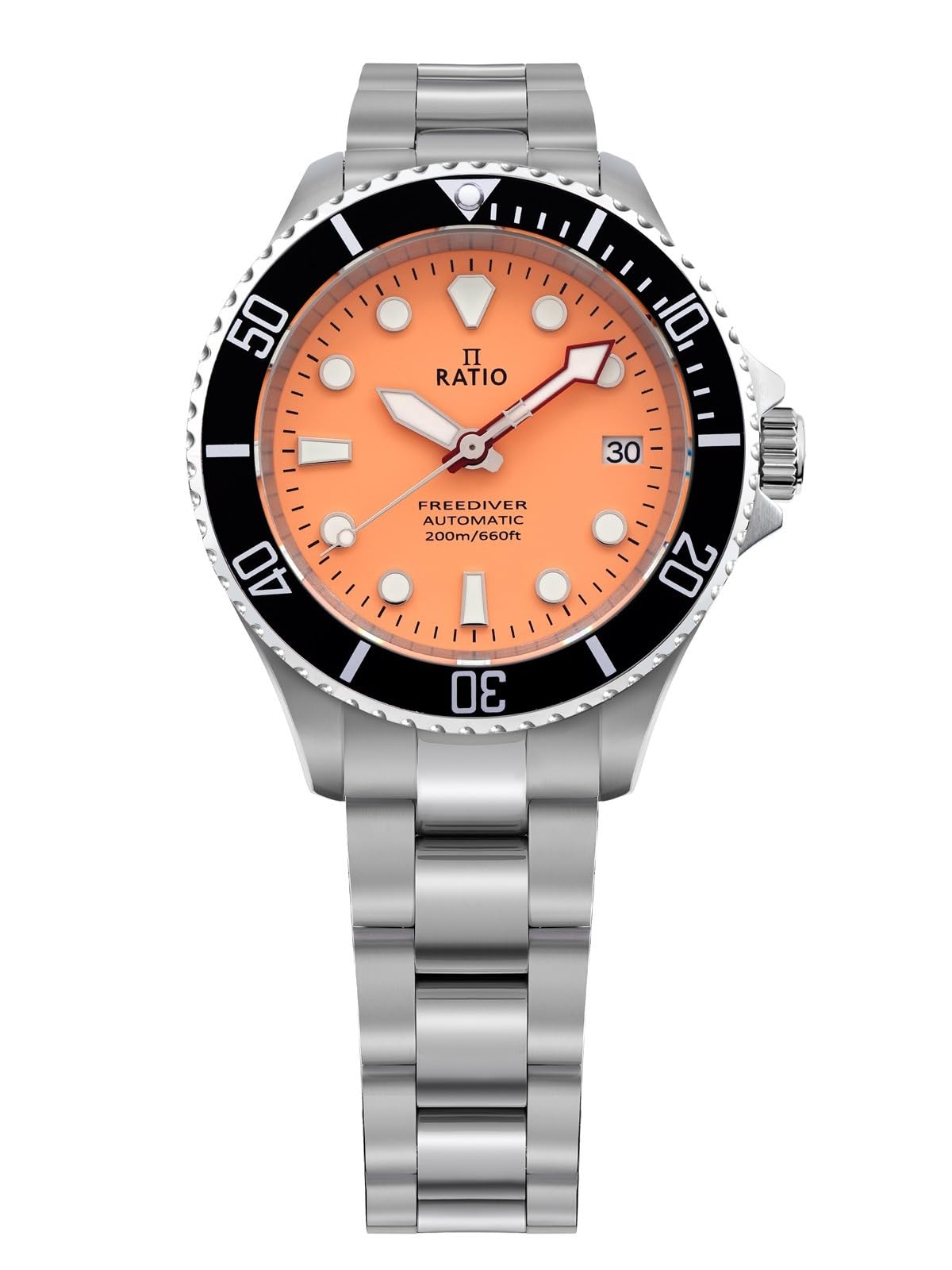


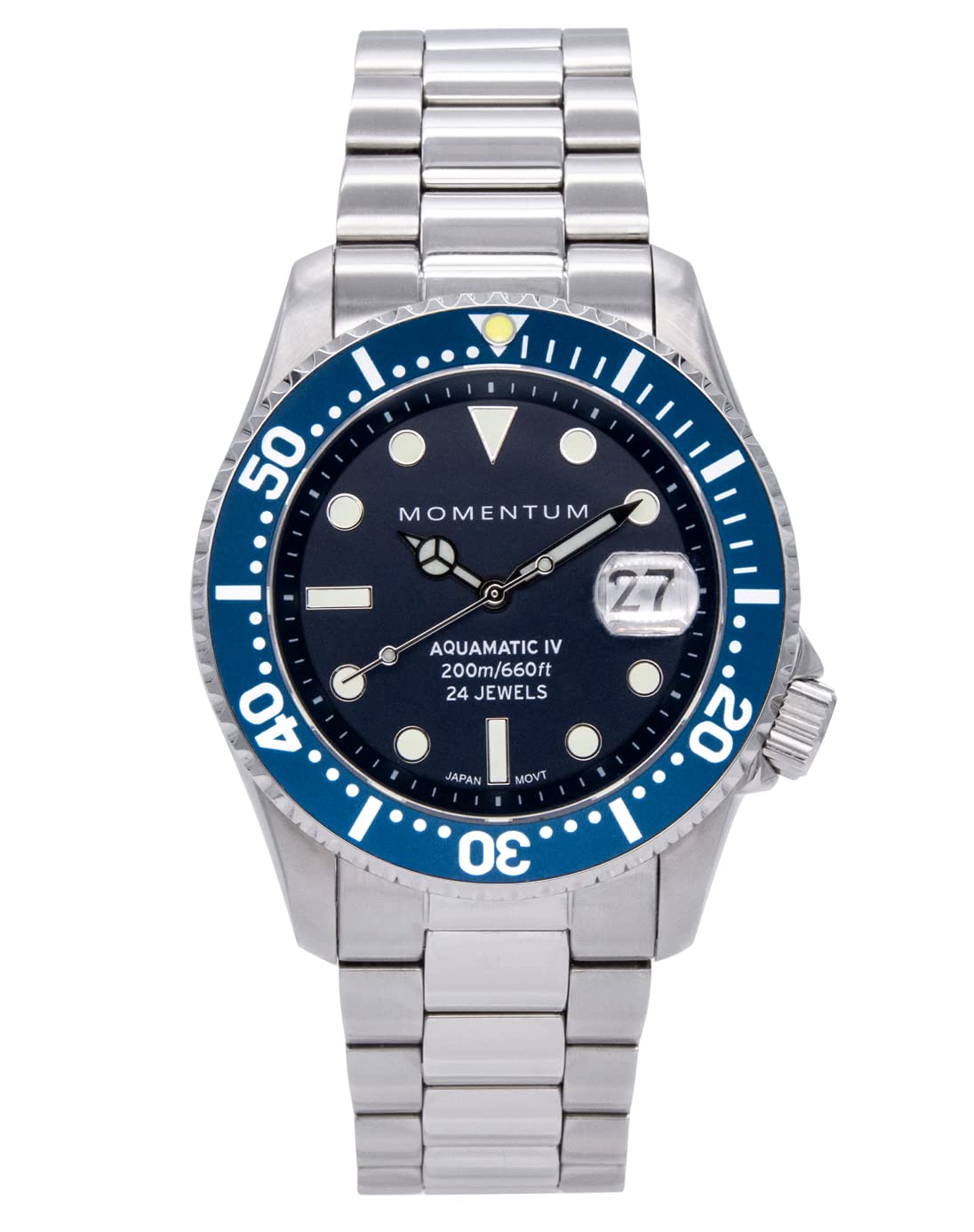
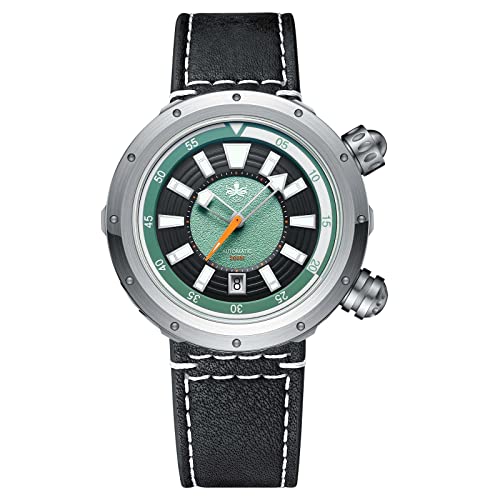
Three Budget Profiles to Compare
Rather than naming winners, this section describes the profile a strong watch in each tier should show. Use the profiles as a checklist against any model you are considering, and be wary when a watch claims the traits of a higher tier at a far lower price.
Budget Profile
A sound budget profile, usually around $150 to $300, gives you a proven automatic movement, a stainless steel or tough resin case, and at least 100 m of water resistance. Lume should be bright enough for a quick read at dawn, and the strap should be rubber or nylon that shrugs off sweat. What you give up is sapphire glass, refined finishing, and long power reserve. For gym sessions, weekend hikes, and a first mechanical sport watch, that trade is often smart.
Midrange Profile
The midrange profile, about $300 to $800, is where durability and finish rise together. Expect sapphire crystal on many models, a screw down crown, 200 m water resistance on dive styles, and movements with hacking and hand winding. Bracelets feel solid rather than hollow, and lume lasts through the night. This tier suits swimmers, divers on a budget, and anyone who wants one automatic watch for both training and travel without babying it.
Premium Profile
Above about $800, and often past $1,500, the premium profile buys regulated movements with tighter accuracy, ceramic or sapphire bezels, and cases finished to a standard you can feel at the lugs and crown. Straps and bracelets gain milled clasps and fine adjustment for swollen wrists after exercise. Resale value and parts support also improve. The gain is real but gradual, so buy this tier for craft and longevity, not for a dramatic jump in basic toughness.
What Your Money Gets You at Each Price Tier
Budget Tier: What to Expect
Budget watches deliver honest mechanical timekeeping with simpler materials. Mineral glass scratches more easily than sapphire, cases may use basic brushing, and accuracy can wander by a wider margin each day. Still, a well chosen budget piece keeps 100 m water resistance and a reliable movement at its core. It fits new buyers, rough jobs, and sports where loss or damage is a genuine risk and a costly watch would change how freely you move.
Midrange Tier: The Sweet Spot for Most Buyers
Midrange money fixes the budget tier weak points in order: better crystal, better sealing, better bracelets, and movements that hold time more steadily. This is also where brand service networks become dependable in the United States. For most swimmers, runners who prefer mechanical watches, and outdoor workers, this tier offers the lowest cost per year of hard use. If you plan to own one sport watch for a decade, aim here first.
Premium Tier: When Spending More Pays Off
Premium spending pays when you dive often, compete, or simply value fine mechanics. You gain chronometer grade accuracy on some models, superior shock and magnetic resistance, and materials such as titanium that cut weight during long efforts. Warranties lengthen and service quality rises. What premium money does not buy is fitness data, since an automatic movement tracks nothing. Riders who need GPS records for training should compare the options in our guide to the best sport watches for cycling before deciding.
Features Worth Paying For (and Ones to Skip)
Movement Type (Quartz, Automatic, Solar, Smart)
An automatic movement suits you if you enjoy mechanical craft and wear the watch often enough to keep it wound. Quartz is cheaper and more accurate, solar adds light powered ease, and smart models add GPS and training data but need charging and are not medical devices. For a broader look at movements across budgets, see our guide to the best automatic watches. Pay for a longer power reserve and hacking seconds; skip paying extra for decorative rotors you will rarely see.
Crystal and Case Materials
Sapphire crystal is the upgrade most worth funding on a sport watch, because the face takes knocks from doors, rocks, and gym gear. Steel cases balance weight and strength, titanium helps on long runs and rides, and resin absorbs impact at low cost. A screw down crown and solid case back protect the water rating you paid for. Skip gold tone coatings for hard use, since they show wear fast and add cost without adding strength.
Brand Reputation, Warranty, and Value
A known maker with United States service, a warranty of two years or more, and ready parts will save you money over a decade of ownership. Sport watches live rough lives, so seal changes, crown repairs, and movement service should be easy to arrange. Lesser known brands can offer strong specs on paper, but a watch you cannot get serviced locally becomes a short lived bargain. Keep receipts and register the warranty as soon as the watch arrives.
Smart and Fitness Features
Automatic sport watches tell time and, on some models, track elapsed time with a bezel or chronograph. They do not record pace, heart rate, or sleep, and no wrist sensor replaces a medical device. Triathletes who need full race data should review our guide to the best sports watches for triathletes and consider wearing a GPS watch for racing and an automatic for daily life. Paying a premium for an automatic and expecting smart features is the most common disappointment in this category.
Strap and Bracelet Options
Rubber and silicone straps handle sweat and water best, nylon dries fast and fits over a wetsuit, and steel bracelets look sharp but add weight during sport. A quick release strap system lets you swap from bracelet to rubber in seconds, which stretches one watch across work and training. Check lug width before buying spare straps. Skip leather for any watch that will swim or train, since soaked leather degrades quickly and holds odor.
Picking the Right Watch for Different Uses
Your sport sets the non negotiable specs. Divers need a unidirectional bezel and 200 m resistance, trail users need legibility and shock protection, and gym users need a case that will not dig into the wrist under load.
Best Automatic Sport Watches under 500
Shopping for best automatic sport watches under 500, focus on three things: at least 100 m, and ideally 200 m, of water resistance, a movement from a maker with United States service, and sapphire crystal if the price allows. This budget already covers tough dive and field styles with bright lume and solid straps. Spend the last dollars on fit and sealing rather than on a chronograph function you may never use outdoors.
Long Term Costs to Factor In
Ownership cost includes service every five to seven years, gasket checks, strap swaps, and the odd crown or crystal repair after a hard knock. Budget roughly the cost of a nice dinner each year, set aside, and the watch will never surprise you. Warranties cut early risk, but wear items such as straps are on you. Buyers who spend weekends on trails, boats, and backcountry trips can compare rugged alternatives in our guide to the best outdoor sport watches, where battery and GPS models change the cost picture again.
Frequently Asked Questions
How long does a watch battery last?
An automatic watch has no battery, so the honest answer is that it runs on wrist motion and spring power instead. Quartz sport watches run about two to three years per battery, and solar models can go a decade or more on a charge cell. The automatic trade is periodic service rather than battery swaps. If you leave an automatic unworn for days, expect to wind and reset it when you pick it up again.
Is a smartwatch worth it over a classic watch?
It is worth it when GPS routes, pace data, and notifications shape your training or workday. Many athletes who ask about the best looking automatic sport watches still race with a smartwatch, because looks and data are different jobs. A classic automatic lasts for decades with service and never needs a charger. Decide which job matters on most days, and let the other tool be the secondary one you wear only when needed.
Quartz or automatic: which is better?
Quartz is better for accuracy, low price, and zero winding; automatic is better for craft, longevity, and freedom from batteries. For timing intervals or races, quartz and smart tools win on precision. For a watch that feels mechanical and can be serviced back to life for decades, automatic wins. Plenty of owners keep both, training with the quartz piece and wearing the automatic everywhere else.
How water resistant should a watch be?
For swimming and showering, choose at least 100 m; for diving, choose 200 m with a screw down crown and a unidirectional bezel. A 50 m rating handles splashes and rain but is a poor choice for laps. Remember that ratings assume healthy gaskets, so have seals checked every few years. Pushers on a chronograph should stay untouched underwater unless the maker clearly allows their use while submerged.
What case size fits my wrist?
Most sport watch buyers land between 38 and 44 mm in case diameter, with lug to lug length deciding comfort. A thick dive case wears larger than its diameter suggests, so check thickness if you run or lift with the watch on. Readers hunting the best looking automatic sports watches often find that a slightly smaller case, around 39 to 41 mm, looks balanced and clears sleeves and gloves more easily than an oversized model.
Final Thoughts
Set your tier by how hard the watch will work, then spend inside that tier on sapphire, sealing, and service support. Fit and water resistance beat decorative extras every time outdoors. Compare your finalists against the product table above, and the best automatic sport watches for your life will usually be the ones whose specs match your sport, not the ones with the longest feature list.


