
Best Automatic Skeleton Watches 2026: See the Movement Work
Disclosure: We may earn a commission when you buy through links on this page, at no extra cost to you. As an Amazon Associate I earn from qualifying purchases. Learn more

Learn how to choose automatic skeleton watches for openwork design, legibility, movement quality, and daily wear, with value and care advice.
Best automatic skeleton watches cut away the dial to reveal gears, springs, and balance wheels in motion, turning timekeeping into visible theatre on your wrist. The comparison table below compares openwork styles, from lightly skeletonized dials to fully open movements.
Skeleton watches trade some legibility for drama, so the best ones balance open design with readable hands and solid movement quality. This guide explains openwork levels, legibility tricks, movement finishing, and daily wear, so you can choose a skeleton that impresses without frustrating you.
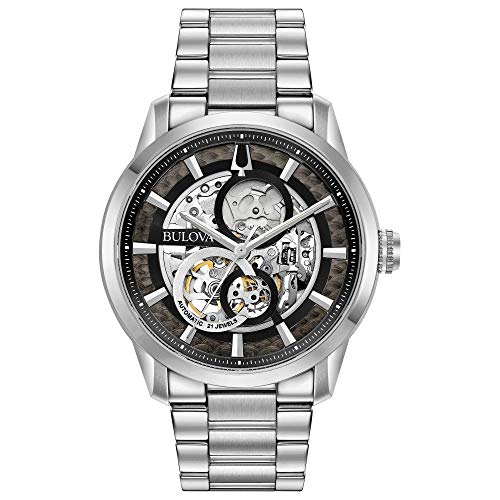
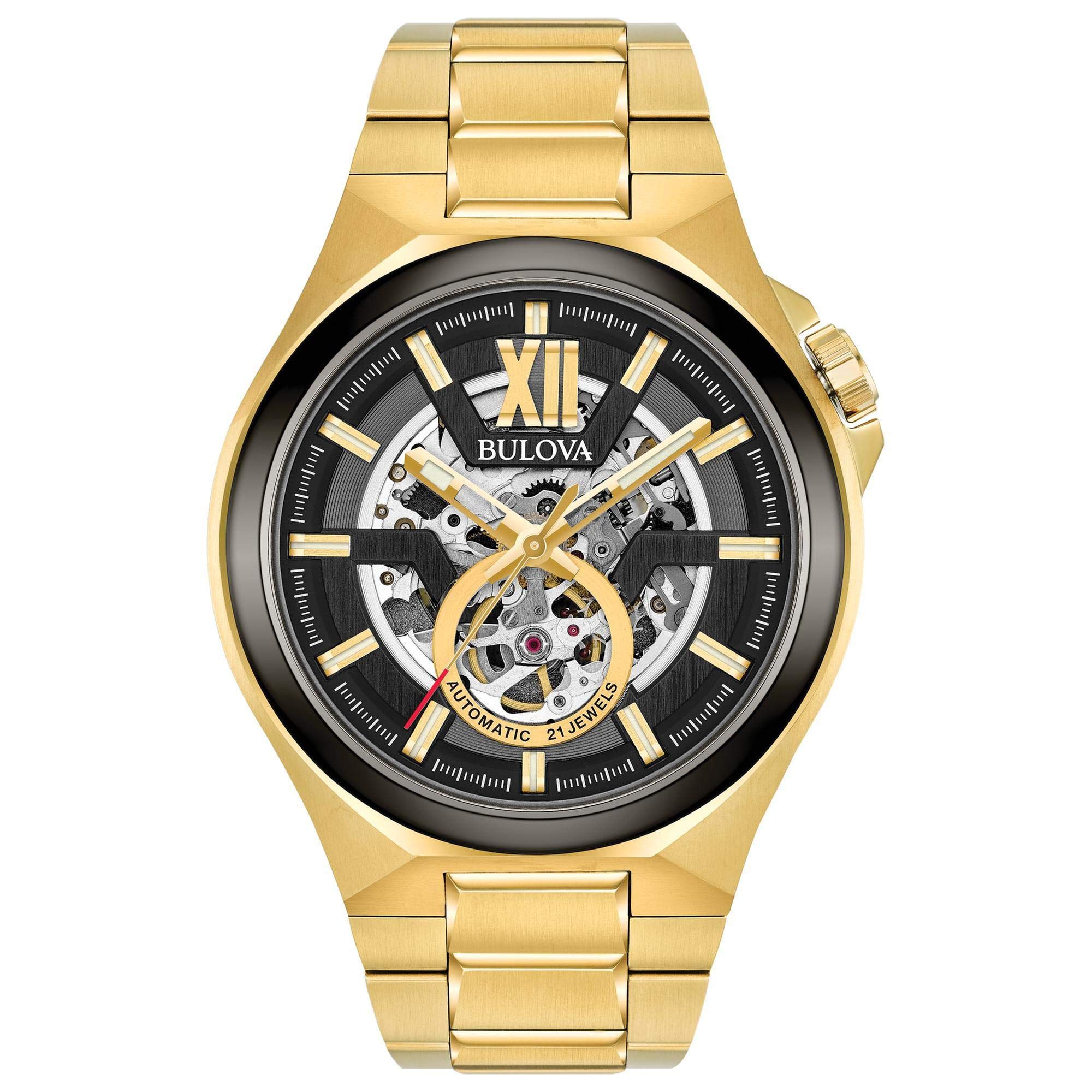

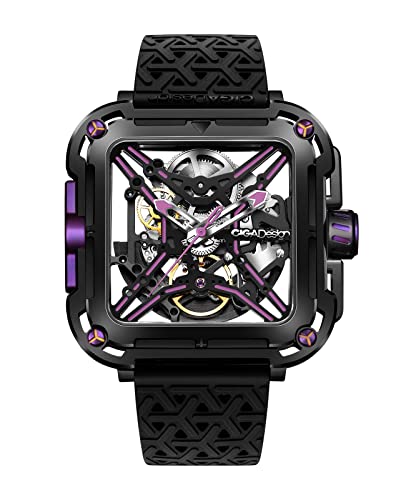

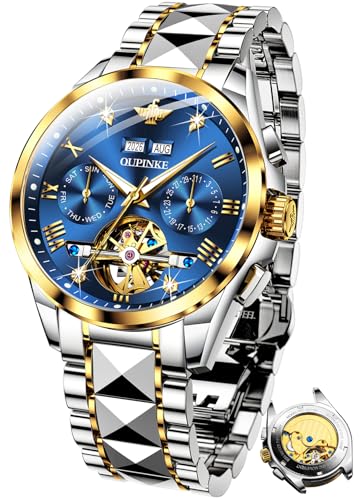
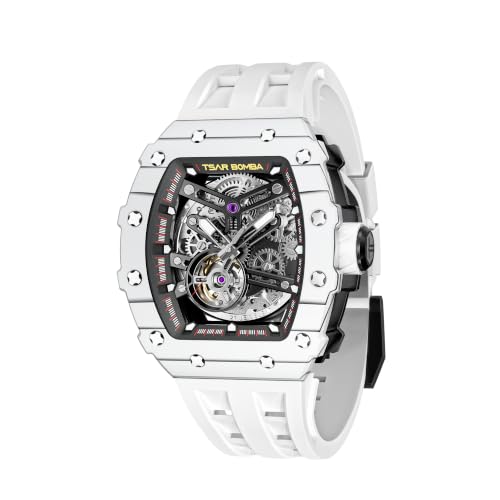
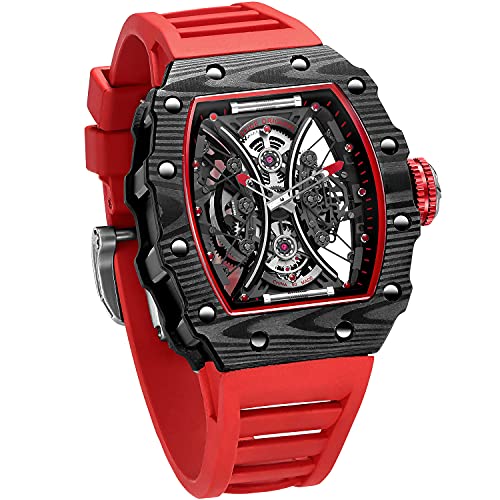


Who Should Buy a Skeleton Watch
Watch enthusiasts who love mechanical craft enjoy skeleton watches most, since the open dial turns every glance into a look at the movement. They suit collectors, special occasions, and anyone who wants a conversation piece that still tells the time.
Buyers who need instant legibility at a glance, such as pilots, medical staff, or drivers, may prefer a lightly skeletonized model with bold hands. Fully open dials can challenge quick reading, so weigh drama against daily practicality before committing.
Levels of Openwork Design
Light skeletonization opens small dial windows over the balance wheel or mainspring while keeping most indices readable. Full skeletons remove nearly the whole dial, leaving bridges and gears as the face itself, which looks stunning but demands careful hand design for legibility.
Check how the maker handles indices and hands on fully open models, since applied markers, luminous tips, and contrasting hands rescue readability. A skeleton that looks great in photos but hides the time in person will disappoint after the first week.
Movement Quality Behind the Glass
Openwork exposes the movement, so finishing quality becomes impossible to hide: look for clean Geneva stripes, polished bevels, blued screws, and smooth rotor motion. Rough edges, dull plates, or sloppy engraving stand out immediately on a skeleton and signal corners cut elsewhere too.
Ask about the base movement, since many skeletons start from proven workhorse calibres that are skeletonized by the maker. A reliable base with honest finishing beats a flashy open dial built on a fragile or unserviceable movement every time.
Comparing Related Options
Compare the wider field through best automatic watches and best skeleton watches for quartz and automatic openwork side by side. Value hunters should read best affordable automatic watches, while best men's automatic watches and best women's automatic watches narrow by audience and wrist size.
Compare shortlisted skeletons on legibility in person, movement finishing under magnification if possible, case comfort, and service availability. A skeleton that reads well, runs reliably, and services affordably will outlast a more dramatic model that frustrates daily.
Legibility in Daily Life
Test legibility in varied light, including dim rooms and bright sun, since open dials reflect and confuse differently than solid dials. Bold contrasting hands, a clear minute track, and luminous tips help enormously, especially for evening wear.
If you wear the watch for work, check that you can read the time in one glance without tilting your wrist repeatedly. A skeleton that forces a second look every time becomes tiring, so prioritize readable hands over maximum openness for a daily wearer.
Care, Service and Value
Skeleton watches need the same five to seven year service cycle as other automatics, plus extra care for the open dial, which shows dust and moisture more readily. Keep the watch dry within its rating, avoid shocks, and have gaskets checked if the case claims water resistance.
Resale value varies widely, since bold openwork appeals strongly to some buyers and less to others. Buy a skeleton because you love looking at it, not as an investment, and keep papers and service records to support future value.
Skeleton Styles and Case Materials
Skeleton watches range from industrial openwork with darkened bridges to elegant designs with polished bevels and gold accents. Industrial styles suit casual and modern tastes, while refined finishing suits dress occasions and collectors who appreciate traditional craft.
Case materials shape both look and weight: steel offers durability and value, titanium feels lighter on the wrist, and gold toned cases add warmth for evening wear. Sapphire crystals front and back matter most for skeletons, since both sides deserve clear viewing.
Consider case size carefully, since open dials can look larger than solid dials of the same diameter. A 40 to 42 mm skeleton usually balances wrist presence and wearability, while larger cases risk overwhelming smaller wrists.
Skeleton Watches as Gifts
Skeleton watches make memorable gifts for graduations, retirements, and anniversaries, since the visible movement symbolizes craft and time itself. Choose a legible model for recipients who will wear it daily rather than the most dramatic openwork available.
Include the story of the movement and maker in your gift, since understanding the craft deepens appreciation for a skeleton. A watch with a display back plus an open dial gives the recipient two views of the mechanism to enjoy.
Consider service and warranty support in the recipient location, since a gift that cannot be serviced locally becomes a burden. Choose makers with wide service networks for gifts, especially when the recipient lives far from specialist watchmakers.
Avoiding Common Skeleton Pitfalls
Cheap skeletons often hide rough finishing behind busy openwork, so inspect bridges and screws closely under magnification when possible. Dull plates, uneven engraving, and plastic feeling rotors signal low quality that disappoints after the novelty fades.
Overly open dials without a minute track frustrate time reading, so prioritize models with clear indices or chapter rings even at the cost of some openness. A skeleton you cannot read quickly becomes a bracelet rather than a watch.
Beware of fashion brands charging premium prices for skeleton styling over generic movements with poor service support. Research the base movement and maker reputation before paying for openwork, since the movement inside matters more than the window onto it.
Tourbillons and High Complications in Skeletons
Tourbillon cages rotating within skeleton dials showcase watchmaking theatre at its peak, though they add cost and service complexity far beyond standard skeletons. Most buyers under typical budgets should admire tourbillons rather than buy them.
Other complications like power reserve indicators and moon phases integrate beautifully into openwork designs, adding function to the visual drama. Choose complications that remain legible within the open dial rather than cluttering it.
High complications demand specialist servicing, so factor long term maintenance before falling for mechanical spectacle. A simpler skeleton with reliable servicing often brings more lasting joy than an exotic piece that sits awaiting repair.
Skeleton Watches for Women
Women skeleton watches balance openwork drama with smaller cases and refined details like polished bezels and elegant straps. Case sizes around 34 to 38 mm suit many wrists while still revealing generous movement views.
Dial legibility matters equally for women wearers, so bold hands and clear indices rescue time reading from busy openwork. Mother of pearl accents and gemstone indices add elegance without obscuring the mechanism.
Strap choices from leather to steel mesh let women skeleton watches shift from office to evening wear easily. A versatile skeleton earns daily wrist time rather than remaining a special occasion piece.
Frequently Asked Questions
Are skeleton watches hard to read?
Skeleton watches can be harder to read than solid dial watches, since gears and bridges compete with hands for attention. Models with bold contrasting hands, luminous tips, and a clear minute track read much better. Lightly skeletonized dials keep most indices and read almost normally. Always test legibility in person before buying, especially in dim light.
Are skeleton watches less durable?
Skeleton watches are not inherently fragile, since the movement structure remains intact beneath the open dial. However, removing dial material can expose parts to dust and moisture, so water resistance and sealing matter more. Choose a reputable maker with solid construction and service support. Treat the watch with normal mechanical care and avoid shocks.
Do skeleton watches cost more?
Skeleton watches often cost more than equivalent solid dial models because openwork finishing takes extra labour and skill. Hand finishing bridges and bevels adds hours of work. Affordable skeletons exist, but check finishing closely, since cheap openwork can look rough under magnification. Pay for honest finishing rather than openness alone.
Can I wear a skeleton watch every day?
You can wear a skeleton watch daily if legibility suits your needs and the case handles your routine. Dress skeletons suit office and evening wear, while sportier openwork models handle weekends well. Keep water exposure within the rating and protect the crystal from knocks. Many owners rotate a skeleton with a simpler daily watch.
How do I clean a skeleton watch?
Clean a skeleton watch with a soft dry cloth for the case and crystal, and a soft brush for the bracelet. Avoid water jets and ultrasonic cleaners, which can force moisture past gaskets. If dust appears under the crystal, ask a watchmaker to inspect the seals rather than opening the case yourself. Regular professional servicing keeps the open movement clean and healthy.
Final Thoughts
Pick best automatic skeleton watches by balancing openwork drama with readable hands, honest movement finishing, and reliable servicing. The product table above compares styles, but the watch that still delights you after a month of daily glances is the keeper. Choose craft you love to look at, and it will reward every glance.


