
Best Automatic Self Winding Watches for Every Need: How to Pick the Right One for 2026
Disclosure: We may earn a commission when you buy through links on this page, at no extra cost to you. As an Amazon Associate I earn from qualifying purchases. Learn more

Learn how to choose the best automatic self winding watches by use, wrist fit, movement, materials, and care, with a clear checklist for every budget.
There is no single watch that is right for everyone, because a desk worker, a traveler, and a weekend hiker ask different things from the same wrist. This guide to the best automatic self winding watches starts with how you actually live, then matches features to that routine. Self winding simply means the watch winds itself from your arm movement, with no battery and no daily crown winding required.
Read the use cases first, note the two or three features that matter for your day, then use the comparison table below to check those features across models. That order prevents the common trap of buying a beautiful watch that fights your routine.

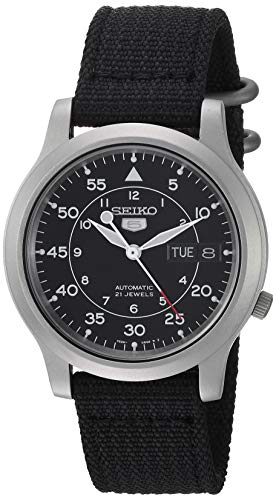


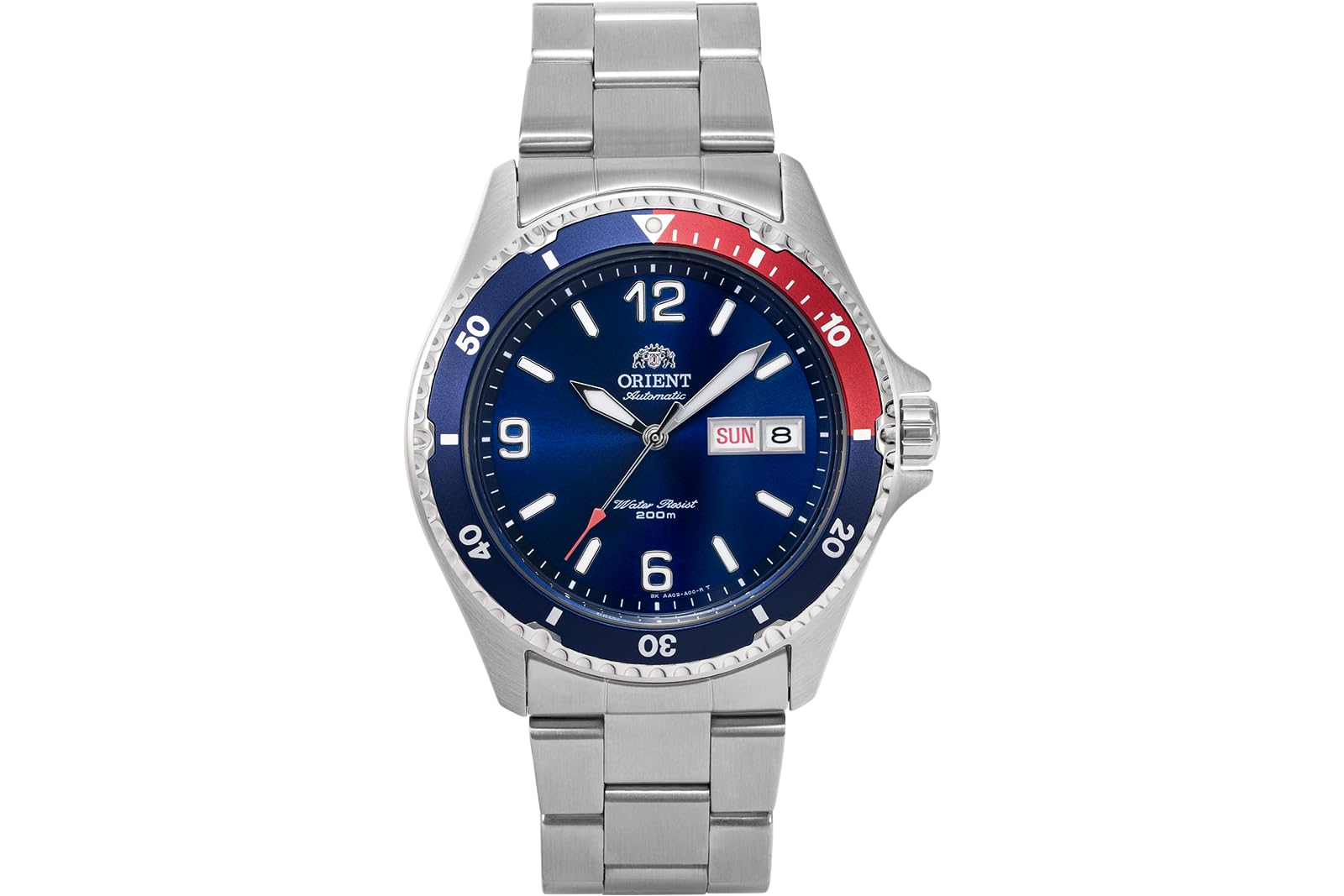


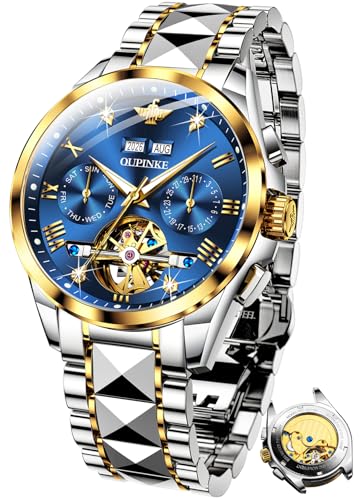

Who Should Buy Which Type?
For Value Seekers
Value seekers want the most working years per dollar, so durability and service access matter more than decoration. Look for a widely used movement that any good watchmaker can service, a sapphire or hard mineral crystal, and a case in stainless steel. Expect to pay about $150 to $400 for a watch that covers those points well. Avoid obscure movements and unusual case shapes, since parts and gaskets get harder to find. A simple three hand design with a date window usually gives the best value because there is less to break.
For First Time Buyers
First time buyers should prioritize ease. Choose a movement with hacking and hand winding, so setting the time feels simple and you can top up the power reserve on a quiet day. A 38 mm to 41 mm case fits most wrists and slips under sleeves. Clear numerals or bold markers help you learn to read an analog dial at a glance. If the whole category is new to you, our guide to best self winding watches explains the winding mechanism itself in simple terms before you shop.
For Gift Shoppers
A watch gift works best when it needs no special habits from the person receiving it. Pick a neutral dial color such as black, blue, or white, a standard strap size, and a case that suits an average wrist. A brand with a clear warranty and easy US returns lowers the risk if the size is wrong. Include the receipt and keep the box, since sizing a bracelet is easier at a shop with proof of purchase. Avoid very large or very themed designs unless you know the person wants exactly that look.
For People Who Want the Best Performance
Performance in a mechanical watch means accuracy, power reserve, and resistance to daily shocks and magnetism. At higher prices you can expect movements regulated to a few seconds per day, reserves of 70 hours or more, and crystals with strong anti reflective treatment. Sapphire crystals and well finished steel or titanium cases also belong at this level. Pay for those verified gains, not for decoration you cannot see. If you plan to keep one watch for decades, strong service support from the maker matters as much as the movement itself.
Key Features to Compare
Movement Type (Quartz, Automatic, Solar, Smart)
An automatic self winding movement uses a rotor that turns with your arm and tightens the mainspring. Quartz is more accurate and cheaper, but it needs battery changes and lacks the mechanical feel. Solar charges from light and suits someone who dislikes maintenance, though classic self winding designs rarely use it. Smart models add screens and sensors but age quickly with software. Judge an automatic by its accuracy range, its power reserve, and whether local watchmakers can service it. Those three points predict ownership satisfaction better than jewel counts or decoration.
Smart and Fitness Features
A self winding watch tells time and sometimes shows the date or day, and that is the full feature list for most models. It will not track GPS routes, count steps, or read your heart rate. If those tools matter, wear a fitness device on the other wrist or use one only for training. Watch based fitness data from any device is a training aid, not a medical measurement. Buyers who accept the simpler feature set gain a watch that needs no charging and no phone pairing, which many people find is the real luxury.
Case Size and Wrist Fit
Measure your wrist, then compare case diameter, thickness, and lug to lug length together. A 40 mm case with short lugs can wear smaller than a 38 mm case with long straight lugs. For wrists under 6.5 inches, 36 mm to 40 mm usually works. For larger wrists, 40 mm to 44 mm is common. The case should sit flat without rocking, and the crown should not dig into the back of your hand when you bend your wrist. Trying a similar size in a store, even a different model, teaches you more than any chart.
Crystal and Case Materials
Sapphire crystal is the most scratch resistant option and keeps a dial looking clear for years. Mineral glass costs less and is common under about $200, while acrylic appears on vintage style pieces and can be polished when scratched. Stainless steel cases balance weight, strength, and corrosion resistance for daily wear. Titanium cuts weight noticeably, which helps with larger cases, though it marks more easily. For budget shoppers, our guide to the best affordable automatic watches shows where material compromises are sensible and where they are not.
Common Mistakes to Avoid When Buying
- Judging by price alone. A higher price may buy decoration rather than accuracy or better materials, so compare the movement, crystal, and warranty before you compare the tag.
- Ignoring movement type differences. Quartz, automatic, solar, and smart watches ask very different things of an owner. Buying an automatic while expecting quartz accuracy leads to needless frustration.
- Buying the wrong size. Oversized cases snag on sleeves and look awkward in photos you will see for years. Check lug to lug length against your wrist width first.
- Skipping the warranty check. Confirm the warranty length, who performs the work, and whether water damage is excluded. A short or vague warranty is a warning sign at any price.
- Forgetting your other watches. If you rotate several watches, each automatic will stop between wears. A simple routine of setting it the night before solves the problem, but only if you accept that habit.
Shoppers comparing the wider category can also read our guide to the best automatic watches for movement background, and those with a firm ceiling can use our guide to best self winding watches under 500 to see what that budget should include.
Care and Maintenance Tips
Service an automatic watch every 5 to 7 years, or sooner if it starts losing time sharply or water fogs under the crystal. Between services, rinse it in fresh water after saltwater exposure and dry it fully. Store it away from magnets, including phone speakers and bag clasps, because magnetic fields can make a movement run fast. Keep it in a dry place out of direct sunlight to protect the dial and strap. Our guide to best winding watches also helps if you are deciding whether a winder box makes sense for a collection.
A practical know how point: if your watch runs fast after a day near a laptop bag or speakers, a watchmaker can demagnetize it in minutes for a small fee. Ask for that check before paying for a full service, since magnetism is a common and cheap fix.
FAQs
Quartz or automatic: which is better?
Quartz is better if you want the lowest cost and the closest accuracy with almost no attention. Automatic is better if you value a mechanical movement that runs on your motion and can be repaired for decades. Accuracy differs clearly. Quartz may drift a few seconds a month, while an automatic may drift that in a day. Choose by the experience you want each morning when you put the watch on.
Is a smartwatch worth it over a classic watch?
A smartwatch earns its place if messages, maps, and workout records on your wrist save you time daily. A classic self winding watch earns its place if you want to disconnect and still keep time reliably. Battery life sums up the trade off. Smart models need charging every day or two, while a classic watch runs whenever you wear it. Many owners end up with one of each for different parts of the week.
How water resistant should a watch be?
Match the rating to your wettest normal day. Thirty meters covers splashes, 100 meters covers swimming, and 200 meters covers frequent swimming and snorkeling. Ratings assume the crown is secured and the seals are fresh, so have seals tested if you swim often in an older watch. Avoid hot showers with any watch, since heat and soap age the gaskets faster than plain cold water does.
What case size fits my wrist?
Use lug to lug length as your main guide and diameter as the second check. If the lugs extend past the sides of your wrist, the watch is too big for you regardless of style trends. Most people land between 38 mm and 42 mm for daily wear. Slim wrists often prefer 36 mm to 39 mm. A watch that fits well disappears on the wrist after an hour, and that comfort is the best test.
How long does a watch battery last?
A self winding watch has no battery at all, so there is nothing to replace on a schedule. The comparison numbers still help. Quartz batteries usually last about 2 to 3 years, and solar cells can run for a decade or more before service. For an automatic, think in power reserve instead, typically about 38 to 80 hours. If yours stops overnight, wear it more actively or give it a hand wind before bed.
Final Thoughts
Match the watch to your routine first, then check movement serviceability, fit, and crystal quality. Those points decide long term satisfaction far more than dial decoration. Use the product table above to compare the best automatic self winding watches against your short list, and choose the one you can picture wearing on an ordinary Tuesday, not just on a special day.


