
Best Automatic Pilot Watches by Budget: Smart Picks for 2026
Disclosure: We may earn a commission when you buy through links on this page, at no extra cost to you. As an Amazon Associate I earn from qualifying purchases. Learn more

Compare the best automatic pilot watches at every price point. Learn what you get at budget, midrange, and premium levels and where spending more pays off.
Pilot watches span a very wide price range, from simple field inspired models under $200 to Swiss pieces costing several thousand dollars. Knowing where extra money actually improves a watch saves you from paying for a name alone. This guide to best automatic pilot watches breaks the market into clear tiers and shows what each tier delivers.
Use the comparison table below after you read the tier guide, so you can place each watch in the right group before you compare details. Budget first, features second is the order that keeps most buyers happy.

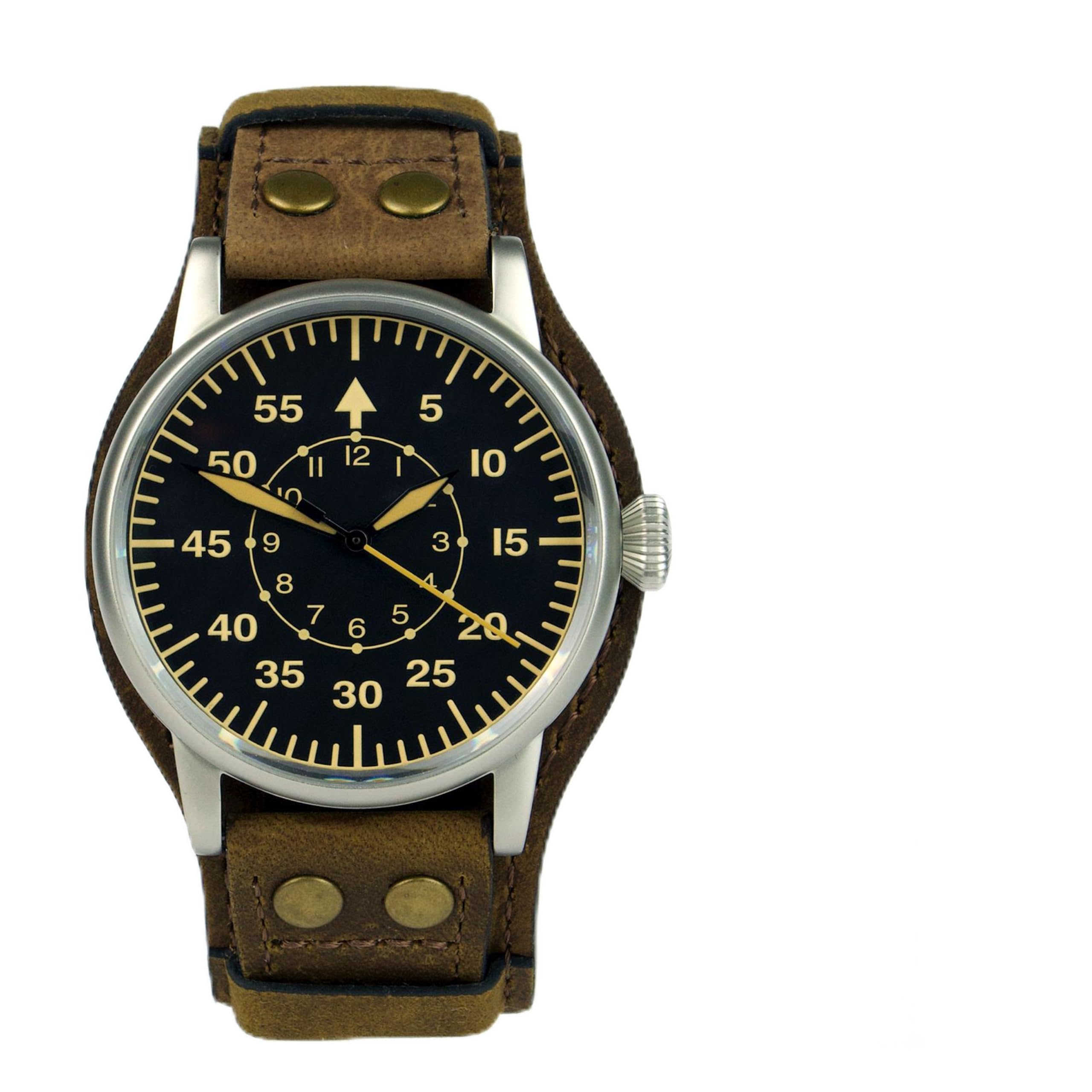
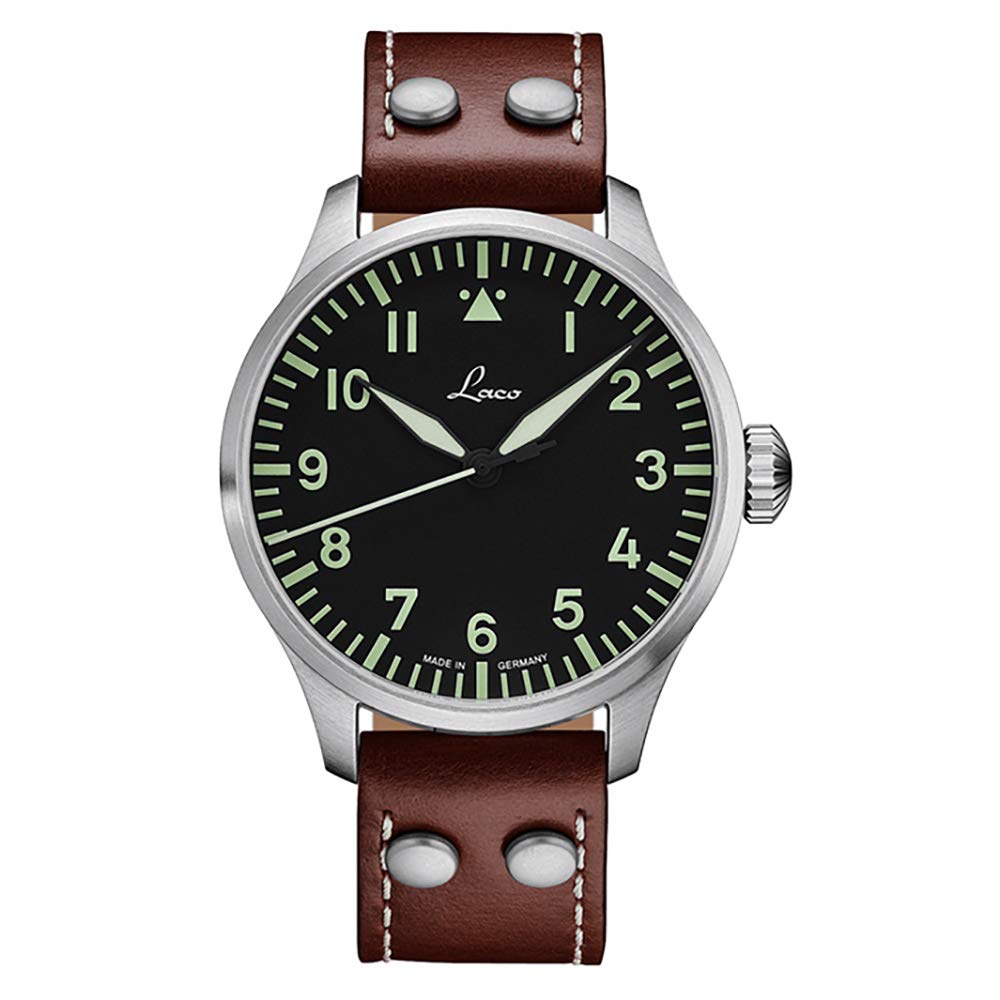
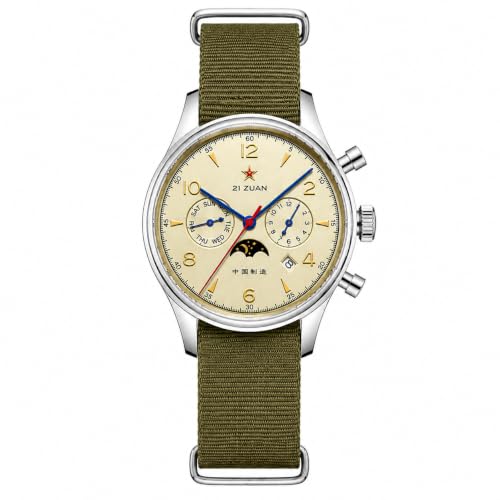
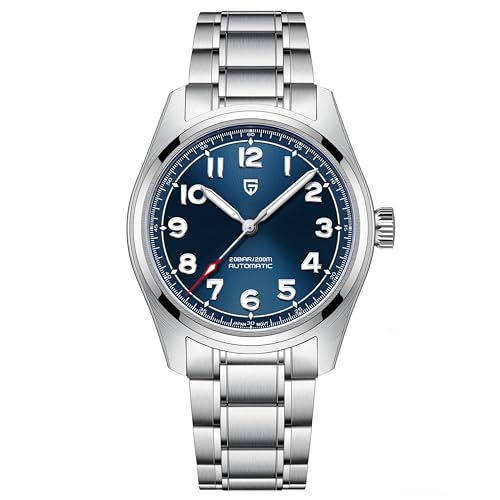

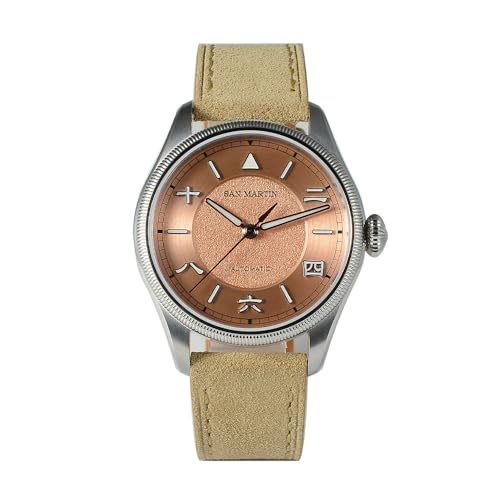

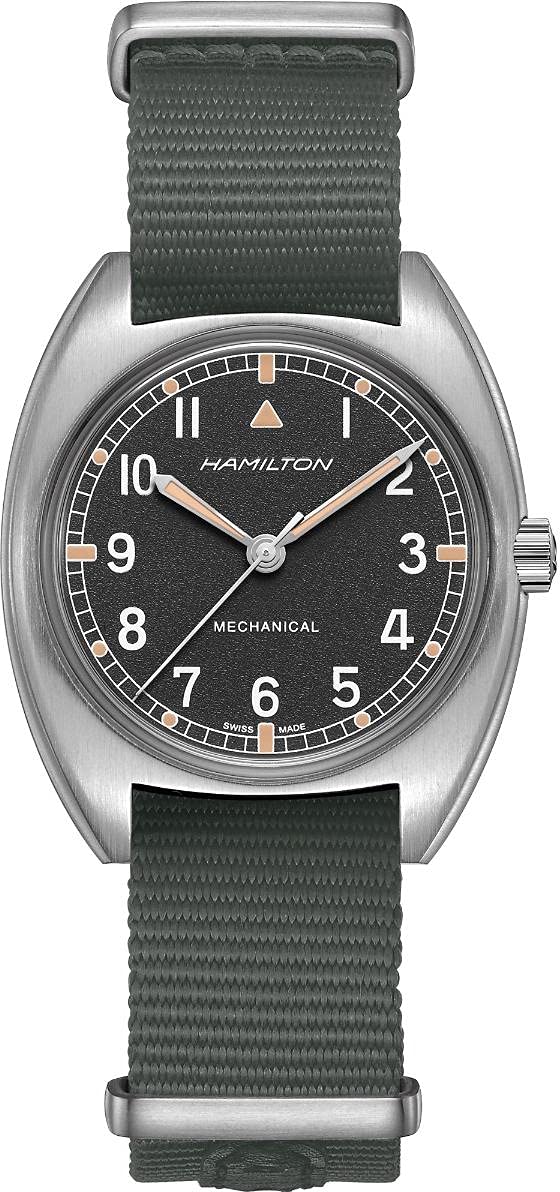
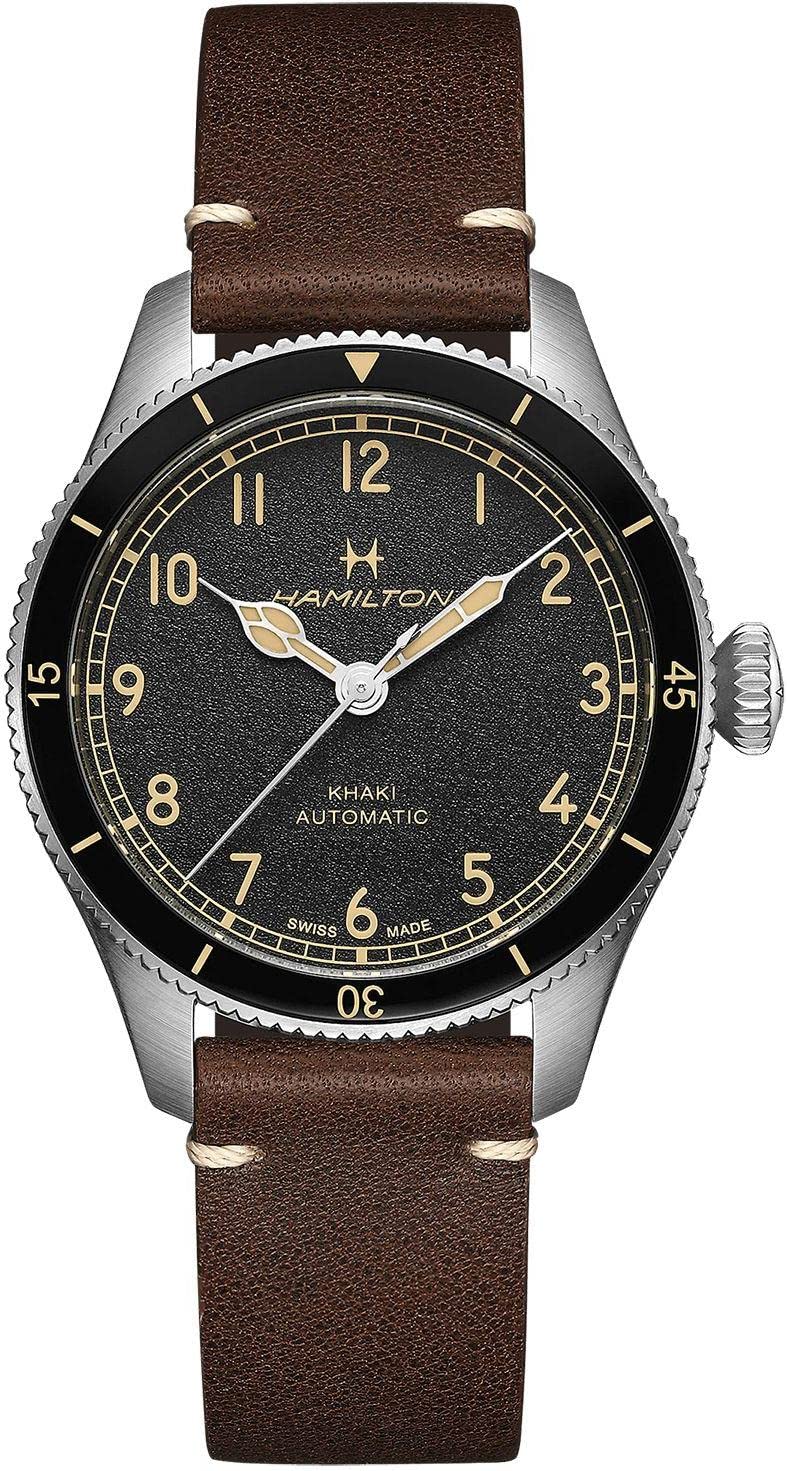
Choosing by Budget: Three Paths Worth Taking
Instead of naming single winners, this section describes the kind of watch each budget should buy you. Match the description to the listings in the table, and you will spot fair value quickly.
The Budget Path
At the budget level, around $100 to $250, aim for a clean pilot dial, a reliable Japanese or comparable automatic movement, and a case size you can wear all day. Expect mineral glass rather than sapphire, basic lume that works for a few hours, and a simple leather or fabric strap. Water resistance is often 50 to 100 meters, which suits daily life but not regular swimming. This path suits a first automatic buyer who wants the pilot look and honest mechanics. The main trade off is finishing. Edges feel plainer and accuracy varies more from piece to piece.
The Midrange Path
In the midrange, about $300 to $800, you should expect sapphire crystal, stronger lume, better regulated movements, and cases with cleaner finishing. Many models here add a day and date display that stays aligned, a display case back, and straps or bracelets that feel solid rather than hollow. Accuracy and power reserve both improve, often reaching around 40 to 70 hours. This is the path for a daily wearer who wants one watch for work, travel, and weekends. You give up little that matters in daily use, which is why this tier suits most buyers.
The Premium Path
Above about $1,000, spending more buys finer movement decoration, tighter accuracy standards, better anti reflective coatings, and details like a soft iron inner case for magnetic resistance on some designs. Heritage and resale strength also improve with established makers. What does not change much is basic time telling, since a midrange watch already does that well. Choose this path if you value craft, long service support, and the feel of a finely finished case. Go in knowing you are paying for refinement and brand history, not for a different function.
What Your Money Gets You at Each Price Tier
Budget Tier: What to Expect
Budget pilot watches focus on the essentials: a legible dial, a working automatic movement, and a comfortable case. Straps are the first place makers save money, so plan to replace a stiff strap with a better one for a small extra cost. Lume brightness and crystal hardness are modest. Quality control varies, so a good return policy matters more here than at higher tiers. If you accept those limits, a budget model is a low risk way to learn whether you enjoy wearing and winding an automatic every day.
Midrange Tier: The Sweet Spot for Most Buyers
Midrange models combine sapphire crystal, dependable movements with hacking and hand winding, and water resistance that handles swimming on many models. Hacking means the second hand stops when you set the time, which helps you sync with a flight schedule or a phone clock. Cases feel denser and better finished, and bracelets use solid links more often. For a broader view of this movement class across all styles, see our guide to the best automatic watches. For most people, this tier ends the search. Spending more brings polish, not a new capability.
Premium Tier: When Spending More Pays Off
Premium spending pays off when it buys things you can verify: certified accuracy, a longer power reserve, a movement made and regulated by the brand itself, and service centers that stock parts for decades. It also buys slimmer cases at the same strength, which improves comfort under a cuff. It pays off less when the price rests only on limited edition stories or oversized cases. If you collect or plan to keep one watch for twenty years, premium can be rational. If you rotate styles often, midrange value will likely satisfy you more.
Features Worth Paying For (and Ones to Skip)
Movement Type (Quartz, Automatic, Solar, Smart)
All tiers here are automatic, so the real question is movement quality. Look for hacking, hand winding, and a stated accuracy range rather than vague claims. Quartz is cheaper and more accurate but lacks the mechanical character you are shopping for. Solar removes battery worries but rarely appears in classic pilot designs. Smart models add GPS and notifications at the cost of charging and short product lives. Within automatics, a movement with parts and service widely available in the US protects your long term costs.
Case Size and Wrist Fit
Pilot watches run large by tradition, often 40 mm to 44 mm, because cockpit dials needed to be read at a glance. On a modern wrist, lug to lug length decides comfort more than diameter alone. Try to keep the lugs inside the width of your wrist. Thickness matters too. A watch around 11 mm to 13 mm thick slides under sleeves, while taller cases catch on jackets. If your wrist is small, a 38 mm to 40 mm pilot style keeps the look without the bulk, and many makers now offer that option.
Water Resistance Rating
Classic pilot watches often carry only 50 to 100 meters of resistance, since their job was in the air, not the water. That is enough for rain, washing hands, and the occasional splash. If you swim in your watch, look for 100 meters or more and a crown that feels secure. Do not pay extra for 200 meters on a pilot watch unless you truly need it, because that money usually buys more in crystal or movement quality at this style. Check seals at each service to keep the stated rating honest.
Smart and Fitness Features
True pilot automatics have no smart features, and adding a separate smart device for workouts is often the cleaner setup. A smartwatch gives you GPS tracks, heart rate data, and alerts, but it needs charging every day or two and software support. Treat those health readings as rough training information, not medical measurements. If flight related timing is what you want, a rotating bezel or a simple chronograph layout on an analog watch covers most real needs without any battery at all.
Picking the Right Automatic Pilot Watch for Different Uses
Daily office wear favors a smaller case, a restrained dial, and a leather strap or bracelet that suits a shirt. Travel favors a clear dial, strong lume for dim cabins, and enough water resistance for a hotel pool. Collectors may favor heritage sizes and movements with display backs.
Best Automatic Pilot Watches under 1000
Shoppers focused on the best automatic pilot watches under 1000 should prioritize sapphire crystal, a movement with hacking, and a case that fits under 48 mm lug to lug for most wrists. In this range you can also expect good lume and a solid strap or bracelet. Skip paying for decorative extras here. Spend the budget on the crystal, the movement, and fit, in that order.
Long Term Costs to Factor In
The purchase price is only part of ownership. Plan on a service every 5 to 7 years, which can cost about $150 to $400 depending on the movement and maker. Straps wear out, and a quality leather strap or bracelet adds a modest yearly cost if you rotate them. A watch winder is optional, not required, and many owners skip it. For lower priced starting points that still keep service simple, our guide to the best affordable automatic watches is a helpful comparison, and our roundup of best pilots watches covers quartz and other styles if you widen the search.
Warranty length also changes total cost. A five year warranty can be worth more than a small price cut, because one early repair would erase the saving. Keep receipts and service records, since documented care supports resale value later.
Frequently Asked Questions
Is a smartwatch worth it over a classic watch?
It is worth it if you rely on notifications, GPS routes, and workout logs every day. It is not worth it if you mainly want clear time telling that will work the same way in ten years. A classic automatic needs service but never needs charging or software updates. Many pilots and travelers own both and choose by trip. Decide by your week, not by feature lists.
Quartz or automatic: which is better?
Quartz is better for accuracy and low cost, while automatic is better for mechanical character and long service life. A quartz watch may gain or lose only a few seconds a month. An automatic may vary by that much in a day and still be in spec. If you set your watch once and forget it, quartz fits. If you enjoy the ritual of wearing and winding, automatic fits.
How long does a watch battery last?
An automatic pilot watch has no battery, but the quartz models you may cross shop usually run about 2 to 3 years per battery. Solar models stretch that much further. For an automatic, the useful number is power reserve, commonly about 38 to 80 hours off the wrist. If you wear yours daily, the reserve rarely matters. If you rotate watches, expect to reset the time when you pick it up again.
What case size fits my wrist?
Start with lug to lug length. Most wrists between 6.5 and 7.5 inches wear 40 mm to 43 mm pilot cases comfortably if the lugs stay on the wrist. Smaller wrists should look at 38 mm to 40 mm versions, which keep the pilot dial readable without overhang. Thickness under about 13 mm also helps. If you shop for someone else, our guides to the best men's automatic watches and the best women's automatic watches explain fit by wrist size in more detail.
How water resistant should a watch be?
For a pilot watch, 100 meters is a comfortable target because it covers rain, spills, and swimming with the crown secured. A 50 meter model is fine if it never goes beyond desk and travel use. Ratings assume still water and fresh seals, so heat and age lower real protection. Never turn the crown or use pushers while the watch is wet, whatever the rating says.
Our Verdict
Set the tier first, then compare crystal, movement, and fit inside that tier. Midrange is where most buyers get full value without paying for prestige. Use the product table above to shortlist the best automatic pilot watches in your tier, and choose the one whose size and strap you will enjoy every day, not just on the first day.


