
Best Automatic Movement Watches Made Simple: Buying Guide 2026
Disclosure: We may earn a commission when you buy through links on this page, at no extra cost to you. As an Amazon Associate I earn from qualifying purchases. Learn more

Understand automatic movements in plain English: how they wind, what power reserve means, daily accuracy, servicing costs, and how to pick your first watch.
If mechanical watches feel mysterious, best automatic movement watches are a friendly place to start. The comparison table below sets out the main choices, and this guide explains in plain language how an automatic movement works, what its numbers mean, and how to choose one that fits your wrist and your budget.
An automatic watch has no battery and no need for daily winding when worn regularly. A small rotor inside turns as your wrist moves, and that motion winds the mainspring that powers the watch. Once you grasp that simple idea, the rest of watch buying becomes much easier.


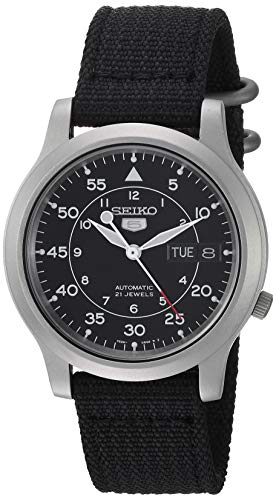

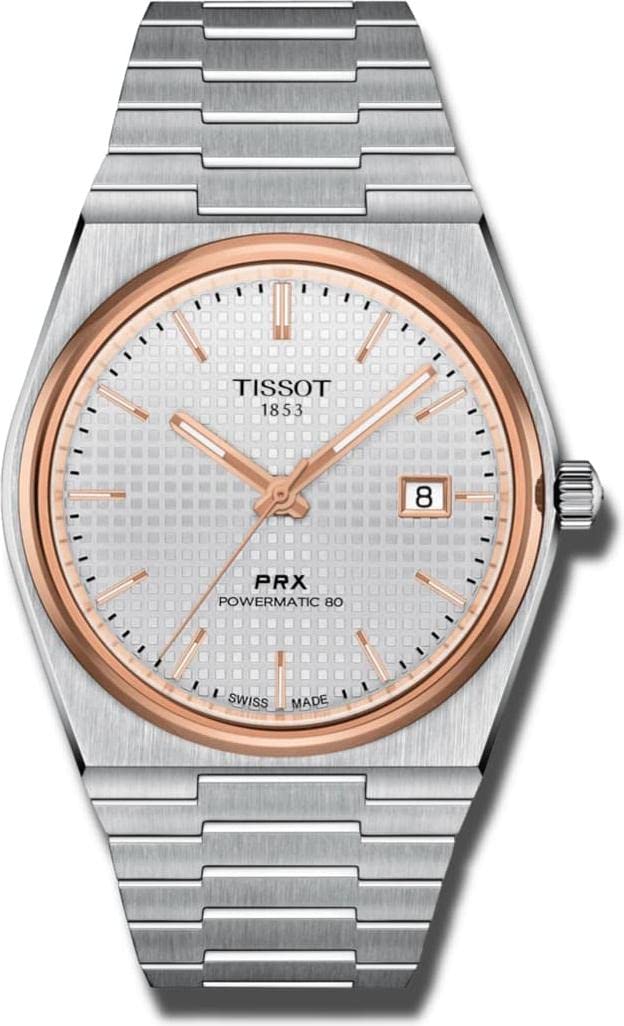


Who Should Buy an Automatic Movement Watch
An automatic watch suits people who enjoy craft and want a watch with a living feel. The sweeping second hand, the quiet rotor, and the knowledge that motion powers the watch all appeal to buyers who see a watch as more than a time display. It also suits daily wearers, since regular wear keeps it wound without thought.
It is less suited to people who need exact time to the second, or who leave a watch unworn for weeks at a time. Those buyers may prefer quartz, which runs for years on a battery and keeps tighter time. An automatic watch rewards wear and care, and buyers who enjoy that ritual will get the most from it.
- First time mechanical watch buyers who want clear explanations
- Daily wearers who like a sweeping second hand and no battery changes
- Collectors starting a small rotation of everyday watches
Key Specs Explained in Plain English
How the Movement Winds
Inside an automatic watch, a weighted rotor spins as you move, and gears transfer that motion to the mainspring. The mainspring stores energy and releases it steadily through the gear train to the hands. When you wear the watch, the rotor tops up the spring all day, which is why daily wear keeps it running.
If the watch stops after days off the wrist, you can wind it by hand through the crown and set the time again. Most modern automatics allow hand winding, and a few dozen gentle crown turns will start the movement. Avoid forcing the crown, and stop if you feel strong resistance, since the mechanism needs a light touch.
Power Reserve and Accuracy
Power reserve is how long the watch runs after full winding without further motion, often around a day and a half to three days. A longer reserve helps if you rotate watches, because the watch may still run when you pick it up again. A shorter reserve is fine for a single daily watch that rarely leaves your wrist.
Accuracy for mechanical watches is measured in seconds per day, not seconds per month. A watch that gains ten seconds a day will be about five minutes fast after a month, so weekly resetting is normal. Consistency matters more than a single perfect day, and a watchmaker can adjust a watch that drifts steadily in one direction.
Case, Crystal, and Water Resistance
Case size should suit your wrist, not fashion alone. A large case on a small wrist looks heavy and can catch on sleeves, while a small case on a large wrist can look lost. Check lug to lug length as well as diameter, since long lugs make a watch wear larger than its diameter suggests.
Sapphire crystal resists scratches better than mineral glass and suits daily wear. Water resistance ratings describe lab conditions, so treat a low rating as splash protection only and a higher rating as the safer choice for swimming. Seals age, so regular checks matter if the watch meets water often.
Types Compared
Automatic movements appear in dress watches, field watches, dive watches, and everyday sports watches, and the case style changes the buying decision more than the movement itself. The table below compares the main styles for a first buyer.
| Type | Suits | Watch Out For |
| Dress automatic | Office and smart occasions | Limited water resistance |
| Field automatic | Daily wear and outdoor time | Plainer styling |
| Dive automatic | Swimming and rugged wear | Thicker and heavier case |
A dress watch is slim and simple, a field watch is rugged and legible, and a dive watch adds a rotating bezel and stronger water resistance. Choose the style that matches where you will wear the watch most often, since a movement you love in a case you rarely wear is a poor purchase.
Readers comparing nearby options often find related guides useful. See best automatic watches, best movement watches, and best quartz movement watches for closer looks at those related choices.
Trying Before You Buy
If possible, try watches on your wrist before buying, since photos hide weight and thickness. A watch that looks slim online can feel tall on the wrist, and a bracelet that looks neat can pinch if the links are poorly shaped. Spend a few minutes moving your wrist and sliding a sleeve over the case to judge real comfort.
When buying online, read the full measurements and compare them with a watch you already own. Note the case diameter, thickness, and lug to lug length, and check the return policy before ordering. A careful measurement check prevents most online sizing disappointments and saves return postage.
If your shortlist is still wide, these related guides can narrow it. See best affordable automatic watches and best men's automatic watches for closer looks at those related choices.
Care and Servicing Basics
Automatic watches need a service every few years, when a watchmaker cleans the movement, replaces worn parts, and refreshes lubrication. The cost is part of ownership, so factor it into your budget rather than treating it as a surprise. A well serviced watch can run for decades, which is part of the appeal of mechanical ownership.
Avoid strong magnets, sharp knocks, and steam, all of which can disturb a mechanical movement. Keep the watch in a dry place when not worn, and wind it gently if it has stopped. With those simple habits, an automatic watch becomes a reliable daily companion rather than a fragile object.
What Your Money Gets at Each Price Level
Price tiers for an automatic watch reflect materials, build quality, and features rather than a single best choice, so use the table below as a guide to where extra spending actually helps. A budget option often covers the core job well, while higher tiers add durability, comfort, or convenience that frequent users will notice most.
| Tier | Typical Price | What You Get |
| Entry level | about $150 to $400 | Proven movements, simple cases, and easy servicing. |
| Mid range | about $400 to $1,000 | Better finishing, sapphire crystal, and longer power reserves. |
| Higher end | about $1,000 and above | Refined movements, hand finishing, and heritage design. |
Start at the lowest tier that meets your real use, then step up only for a weakness that would bother you daily. A casual user rarely benefits from premium durability, while a daily user feels cheap materials quickly. That simple rule keeps spending sensible without sacrificing the features that matter for your routine.
Also consider running costs and lifespan alongside the purchase price. A slightly pricier option with replaceable parts, washable covers, or widely available spares can cost less over years than a cheap option that needs early replacement. Compare total ownership, not just the price on the listing, before you decide.
Frequently Asked Questions
What is the difference between automatic and quartz watches?
An automatic watch is powered by a spring wound by wrist motion, while a quartz watch is powered by a battery and regulated by a quartz crystal. Quartz watches keep tighter time and need little care beyond battery changes, while automatic watches appeal through craft, a sweeping second hand, and freedom from batteries. Your choice depends on whether you value precision and ease or mechanical character.
Will an automatic watch stop if I do not wear it?
Yes, it will stop once its power reserve runs out, which usually takes one to three days after you take it off. You can restart it by winding the crown gently and setting the time and date again. Daily wear prevents stopping, and a watch winder can keep a rotation running if you own several automatics.
Are automatic watches accurate enough for daily life?
For most daily life, yes, since a drift of a few seconds per day is easy to correct with a weekly time reset. If you need exact time for work or travel, you can check against your phone and adjust the watch in seconds. A watch that drifts steadily can be regulated by a watchmaker to run closer to true time.
What does power reserve mean in practice?
Power reserve is the running time left after the watch is fully wound, so a 40 hour reserve means the watch runs for about 40 hours off the wrist. A longer reserve gives you a weekend away from a watch without it stopping. For a single daily watch, reserve matters less, since daily wear keeps the spring topped up.
How much does servicing an automatic watch cost?
Servicing cost varies with the movement and the watchmaker, and simple movements generally cost less to service than complex ones. Budget for a service every few years as part of ownership, and ask for a quote before work begins. Regular servicing protects accuracy and prevents wear that would cost more to repair later.
Should my first automatic watch be a dress or field style?
A field style often suits first buyers better because it is tougher, more legible, and easier to wear daily than a slim dress watch. Dress watches suit office and formal wear, but they can feel fragile for outdoor use. Choose the style matching where you will wear the watch most, since daily enjoyment matters more than occasion formality.
Final Thoughts
The best first automatic watch is one you understand, enjoy wearing, and can afford to service. Compare the product table above with your wrist size and daily routine in mind, and let comfort and legibility lead the choice.
Take time with the decision, since a mechanical watch can stay with you for decades. Careful best automatic movement watches research now pays off every morning when the watch you reach for still feels right.


