
Best Automatic Military Watches Made Simple: A Clear Buying Guide for 2026
Disclosure: We may earn a commission when you buy through links on this page, at no extra cost to you. As an Amazon Associate I earn from qualifying purchases. Learn more

Shopping for the best automatic military watches for the first time? Learn the terms, compare options, and avoid rookie mistakes with this easy guide.
Buying your first field style watch can feel confusing because the listings mix military looks with real durability claims. This guide explains best automatic military watches in plain language, starting with how the movement works and ending with a simple way to choose. You will learn which specs matter, which ones are mostly style, and how to match a watch to your wrist and your routine.
Use the comparison table below to see sizes, ratings, and materials side by side once you know what each term means. By the end, you should be able to read a spec sheet calmly and spot value without guessing.
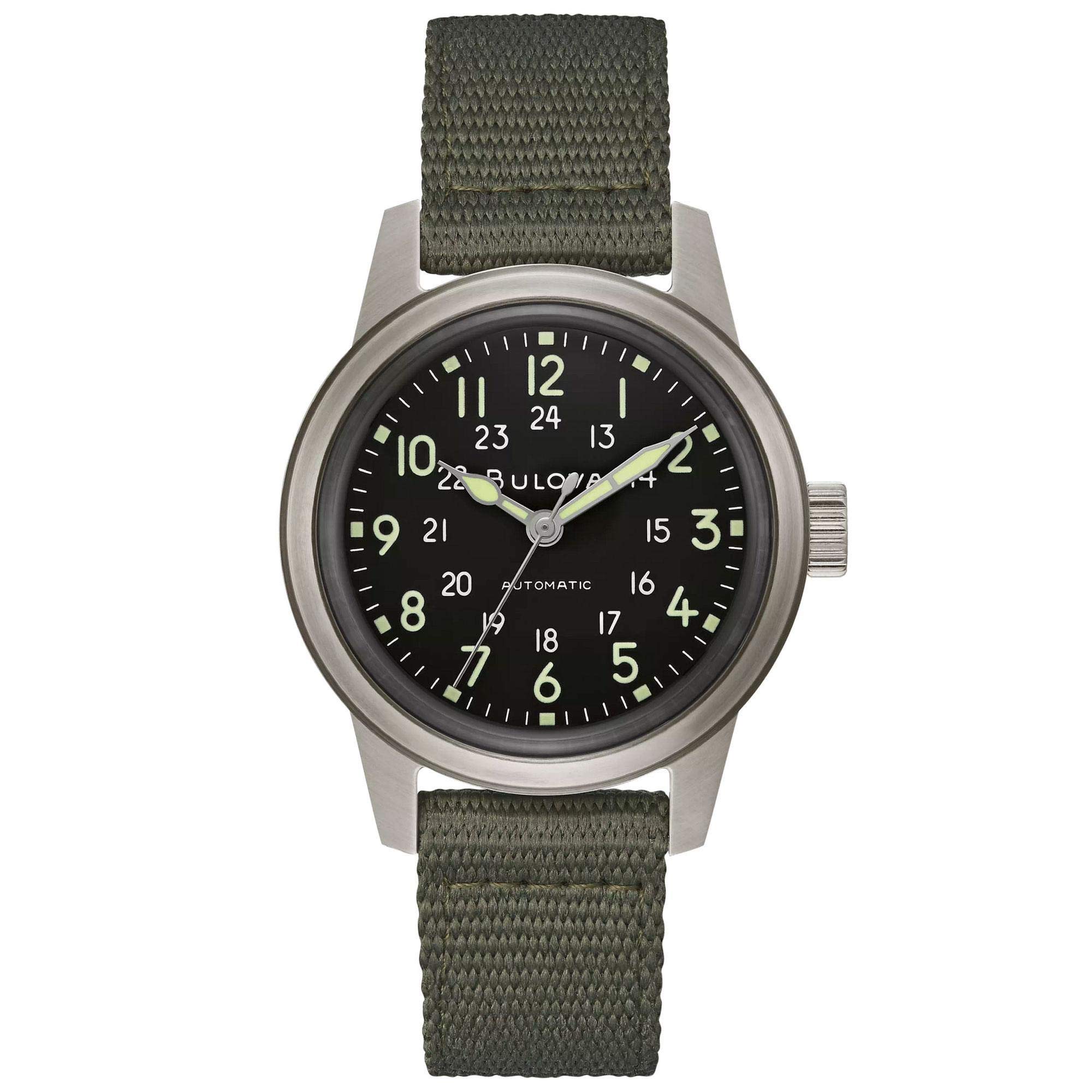
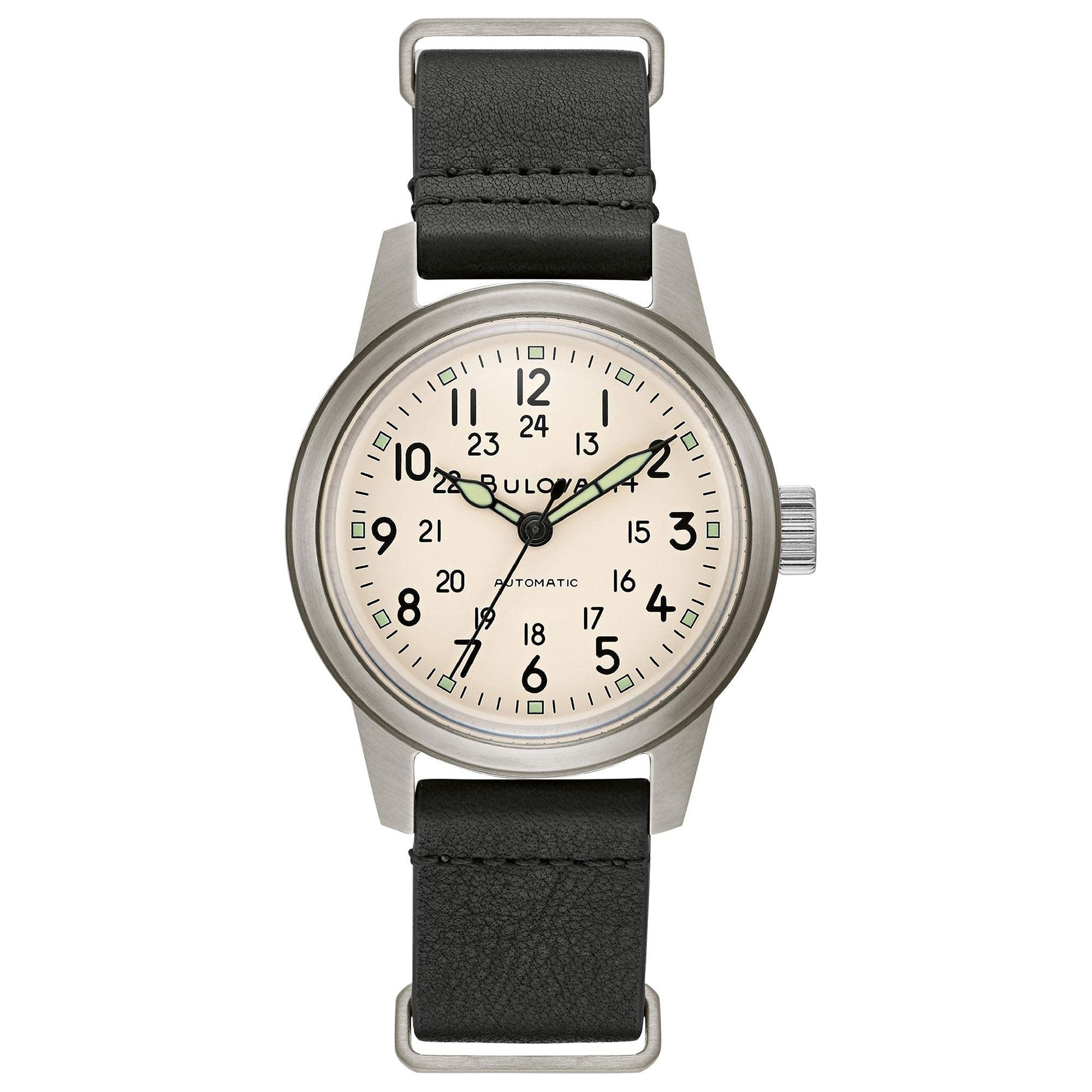


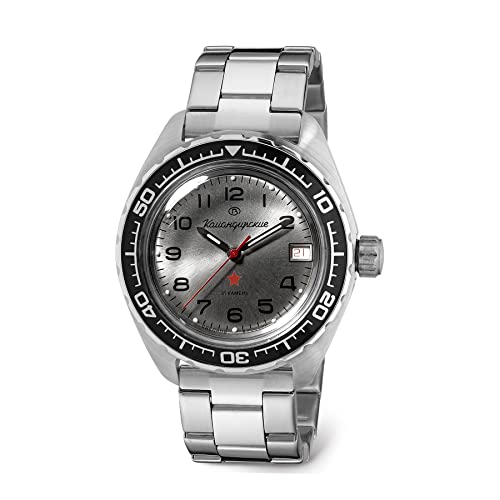
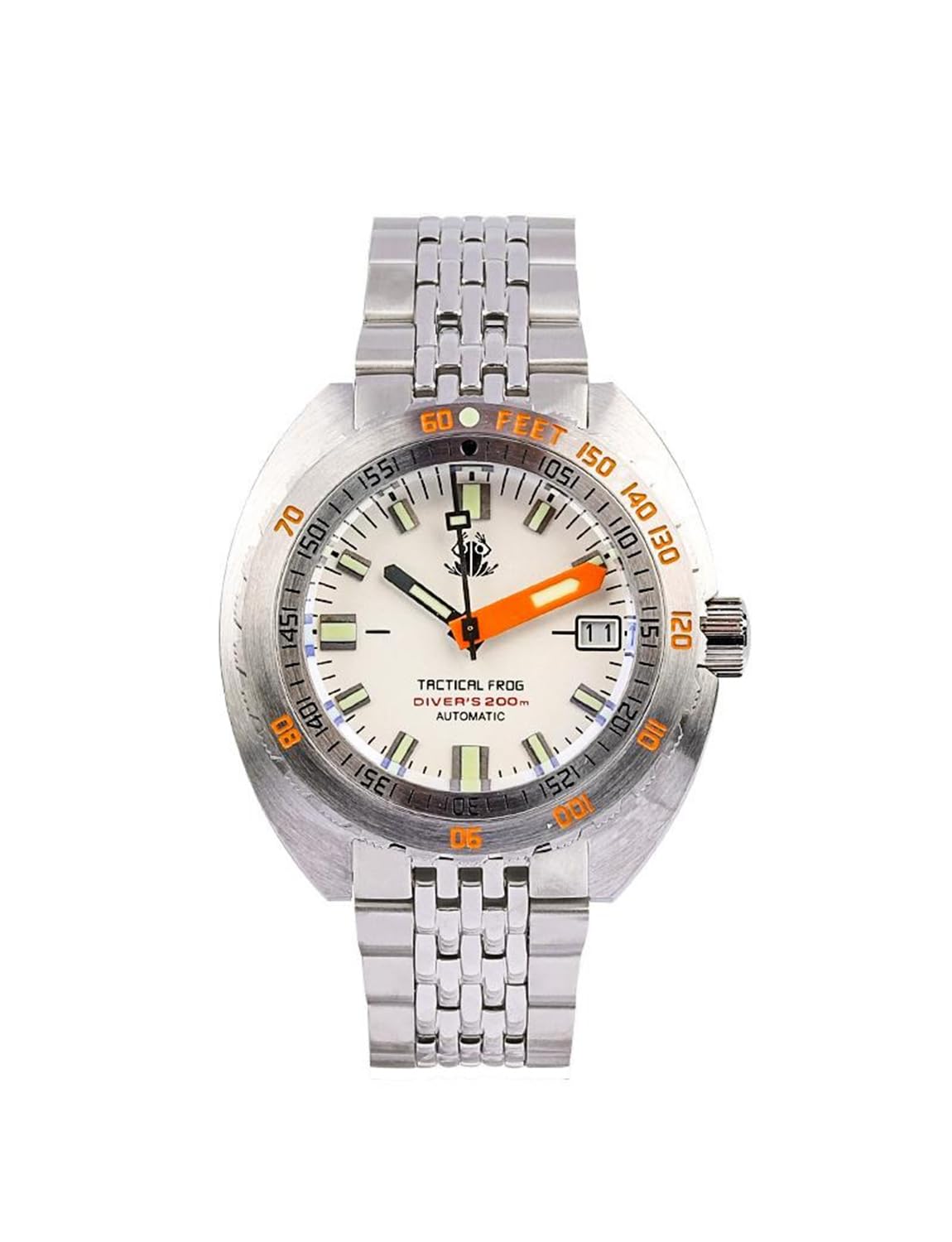

Automatic Military Watches 101: The Basics
An automatic military watch is a mechanical watch powered by the motion of your wrist, styled and built for clear reading and rough daily use. A weighted rotor inside spins as you move, winding a mainspring that stores energy and releases it in small, steady steps. There is no battery to change, though the watch stops after a day or two off the wrist if its power reserve runs out.
The military part is mostly about design and toughness. Expect large Arabic numerals, strong lume for low light reading, a case that resists knocks, and a strap you can swap or wash. Dive and field watches are close cousins. Field styles favor light weight and simple dials, while dive styles add a rotating bezel and higher water resistance.
If you want the broader category first, see our guide to the best military watches, which covers quartz and automatic models together. This article stays focused on the self winding versions and what owning one actually involves.
Key Specs Explained in Plain English
Movement Type (Quartz, Automatic, Solar, Smart)
Movement means the engine inside the watch. Quartz uses a battery and is usually the most accurate and the lowest maintenance choice. Automatic uses wrist motion and a mainspring, needs no battery, but gains or loses a number of seconds per day and needs service over time. Solar charges a cell with light and sits between the two. Smart models add screens and sensors but need regular charging. For this category, choose automatic because you enjoy the mechanics and the sweep of the second hand, not because it keeps the most precise time.
Brand Reputation, Warranty, and Value
A good brand matters less for its logo than for its service network and its track record with spare parts. Look for at least a two year warranty, a clear US service address, and published service prices. A watch you can repair for a fair cost holds value better than a watch no local shop will touch. Read the warranty terms for water damage and crown damage, since those exclusions surprise many first time buyers. If budget is your main filter, our guide to the best affordable automatic watches explains where lower prices still leave room for solid movements and crystals.
Crystal and Case Materials
The crystal is the clear cover over the dial. Sapphire crystal resists scratches best and is worth paying for if you work with tools or rock. Mineral glass costs less and can chip on hard impacts, while acrylic scratches easily but can be polished. For cases, 316L stainless steel is the standard for weight and corrosion resistance. Titanium feels much lighter on the wrist and suits long days, though it shows surface marks more readily. Resin cases weigh the least and absorb knocks well for outdoor use.
Smart and Fitness Features
A classic automatic has no GPS, no heart rate sensor, and no notifications, and that simplicity is the point for many buyers. Smartwatches track routes and workouts but depend on charging, phone pairing, and software support that ends after a few years. Some buyers wear an automatic daily and use a separate fitness band for training. Remember that watch based heart rate and GPS data are training aids, not medical devices. If a health reading worries you, talk with a clinician rather than trusting a wrist sensor.
Legibility and Style
Legibility is how fast you can read the time at a glance or in the dark. Look for strong contrast between hands and dial, numerals rather than tiny markers, and lume that covers the hands and hour markers evenly. A matte dial cuts glare outdoors. Style follows use. A black dial with a fabric strap reads as casual and outdoorsy, while a cleaner dial on a steel bracelet can work with office clothing. Choose the version you will still enjoy when the novelty of the military look fades.
Water Resistance Rating
Water resistance is measured in meters, but the numbers do not mean you can dive to that depth. A 30 meter rating handles splashes only. A 100 meter rating suits swimming and showering if the crown is pushed in fully. A 200 meter rating, usually with a screw down crown, suits regular swimming and snorkeling. Heat, soap, and aging seals all reduce real protection, so treat every rating with some caution. Have seals checked during service, especially if you swim often.
Rookie Mistakes to Avoid
- Buying by looks alone. A bold dial means little if the case is too large for your wrist or the lume is weak, so check size and night readability before you fall for a photo.
- Ignoring case diameter. A 42 mm case can overwhelm a slim wrist and catch on sleeves. Measure your wrist and compare lug to lug length, not just diameter.
- Expecting quartz accuracy. An automatic may drift several seconds a day and still be healthy. If exact time matters for work, that drift is a reason to pick another movement.
- Skipping the strap plan. Thin spring bars and odd lug widths limit your options. A quick release strap system or a standard 20 mm or 22 mm lug width makes changes simple.
- Forgetting service costs. Budget for a professional service every 5 to 7 years, since ignoring it can turn a small cost into a full movement repair.
Getting Started: Setup and First Use
When the watch arrives, wind it by hand with about 30 to 40 slow turns of the crown, then set the date and time. Avoid changing the date late at night, when many movements are already advancing the date wheel. Wear it for a full active day so the rotor tops up the power reserve, and check the time the next morning to learn its daily rate.
Rinse the watch with fresh water after saltwater exposure, then dry it with a soft cloth, because dried salt works into seals and spring bars. For general background on the movement family, see our guide to the best automatic watches, and if you are shopping for a man with a larger or smaller wrist, our guide to the best military watches for men covers fit in more depth. Our overview of the best men's automatic watches is also useful if you want a less rugged, more everyday style.
Frequently Asked Questions
Quartz or automatic: which is better?
Neither is better for everyone, because they solve different problems. Quartz wins on accuracy, low price, and almost no upkeep beyond a battery change. Automatic wins if you enjoy a mechanical object that runs on your own motion and can be serviced for decades. If you rotate several watches and hate resetting them, quartz may suit you more. If you wear one watch daily, an automatic stays wound with no extra effort.
How water resistant should a watch be?
Choose at least 100 meters if you plan to swim, and 200 meters if you swim often or snorkel. A 50 meter rating is fine for rain, hand washing, and brief splashes but is a poor choice for laps. Also check whether the crown screws down, since an unsecured crown is the most common entry point for water. Whatever you choose, never press buttons or turn the crown while the watch is wet.
How long does a watch battery last?
An automatic watch has no battery, so this question applies to the quartz models you may compare it with. Most quartz batteries last about 2 to 3 years, and solar cells can run far longer before the rechargeable cell needs replacement. An automatic instead stores about 38 to 80 hours of power reserve depending on the movement. If your automatic stops often, you may simply not be moving enough during the day to keep it wound.
Is a smartwatch worth it over a classic watch?
A smartwatch is worth it if notifications, route tracking, and workout logs are part of your daily routine. A classic automatic is worth it if you want a screen free watch that will not feel outdated when software support ends. Many owners keep both and rotate by activity. The deciding question is simple. Do you want your wrist to inform you, or only to tell you the time clearly and reliably?
What case size fits my wrist?
Measure your wrist with a soft tape, then match it to case diameter and lug to lug length. Wrists under about 6.5 inches usually suit 36 mm to 40 mm cases. Larger wrists often handle 40 mm to 44 mm well. The lugs should not hang past the edges of your wrist when viewed from above. If they do, the watch will feel bigger than its diameter suggests and will snag more often.
Our Verdict
Start with fit, water resistance, and crystal, because those three decide whether the watch works for your life every day. Then choose the movement style you will enjoy maintaining. Use the product table above to compare the best automatic military watches on those points, and pick the one whose size and rating match your routine rather than the one with the longest feature list.


