
Best Automatic Mechanical Watches 2026: Movement and Craft
Disclosure: We may earn a commission when you buy through links on this page, at no extra cost to you. As an Amazon Associate I earn from qualifying purchases. Learn more

Learn how to choose automatic mechanical watches for movement quality, finishing, daily accuracy, and value, with sizing and service advice.
Best automatic mechanical watches wind themselves from your wrist movement, blending traditional craft with daily convenience no battery or charging cable can match. The comparison table below compares the main movement styles and case types, from dress pieces to rugged daily wearers.
An automatic watch rewards attention to movement, finishing, and fit, but it also asks for realistic expectations about accuracy and servicing. This guide explains how automatics work, what finishing means, how to judge value, and how to live with a mechanical watch every day.


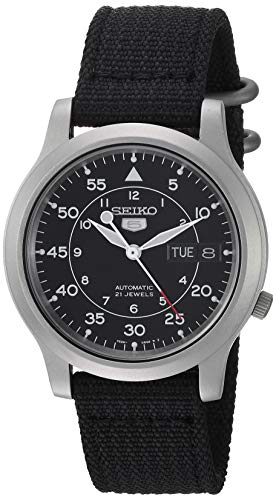


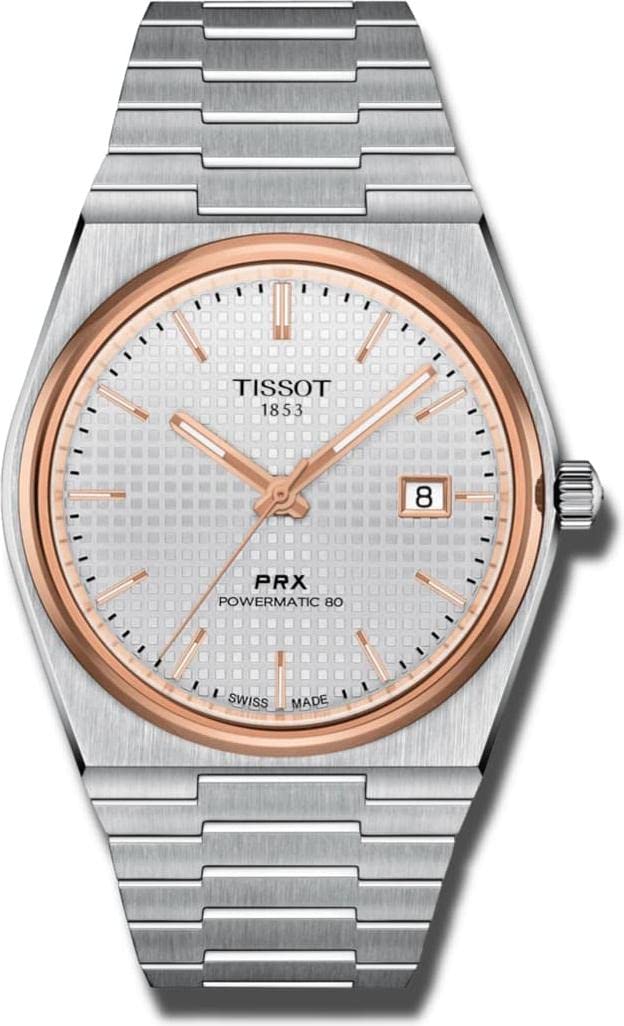


How Automatic Movements Work
A rotor spins as your wrist moves, winding the mainspring that powers the watch through a gear train and escapement. This elegant system, refined over decades, keeps the watch running during daily wear and stores energy in reserve for hours off the wrist.
Power reserve matters when you rotate watches, since a longer reserve means the watch keeps running through a weekend in the drawer. Hand winding lets you top up the reserve manually, while hacking seconds stops the second hand for precise time setting.
Movement Quality and Finishing
Movement quality shows in smooth winding, stable accuracy, and clean finishing on bridges, screws, and rotors. Geneva stripes, perlage, and polished bevels signal care, though much of the finishing hides behind a solid case back on many models.
Do not judge a movement by decoration alone, since a plain but robust workhorse often outlasts a pretty but fragile calibre. Ask about service availability and parts cost, because a movement that few watchmakers can service becomes expensive to own.
Accuracy and Daily Expectations
Well regulated automatics often run within a few seconds per day, though temperature, position, and activity cause small variations. A watch that gains steadily is easier to live with than one that swings wildly, since you can correct a steady rate with a quick weekly reset.
Magnetism from phones, laptops, and speakers can disturb accuracy, so keep the watch away from strong magnets and consider demagnetization if the rate suddenly jumps. Regular wear keeps accuracy stable, since a fully wound watch runs more consistently than one near the end of its reserve.
Comparing Related Options
Start with best automatic watches for the full category, then narrow by style with best mechanical watches for hand wound and automatic craft. Budget buyers should read best affordable automatic watches, while best men's automatic watches and best women's automatic watches narrow by audience and sizing.
Compare shortlisted watches on movement reliability, case finishing, bracelet or strap quality, and service network rather than brand prestige alone. A watch you can service affordably and wear comfortably will bring more pleasure than a famous name that sits in a drawer.
Case, Dial and Wearability
Case size, thickness, and lug to lug length decide comfort more than diameter alone, so try watches on your wrist before buying. A slim 38 to 41 mm case suits most wrists and slips under cuffs, while larger cases make a bolder statement but can feel top heavy.
Dial legibility matters for daily use, so check hand contrast, date window placement, and lume in dim light. A clean dial with balanced proportions ages gracefully, while a busy dial may tire your eyes and date faster as tastes change.
Service, Care and Long Term Value
Budget for a full service every five to seven years, which cleans, lubricates, and regulates the movement and replaces worn gaskets. Servicing preserves accuracy and value, while neglected watches risk wear that turns a routine service into a costly rebuild.
Store automatic watches away from magnets, moisture, and shocks, and use a watch winder only if you rotate several pieces and dislike resetting them. Keep boxes, papers, and service records, since complete sets hold value better and reassure future buyers.
Choosing Your First Automatic
A first automatic should prioritize reliability, comfortable sizing, and a style you will wear daily over exotic complications or famous names. Proven workhorse movements from respected makers offer the best introduction, since they service affordably and run steadily.
Start with a versatile design: a clean dial, moderate case size, and a bracelet or strap that suits both work and weekends. A first watch that only suits special occasions teaches little about living with a mechanical watch every day.
Set a budget that leaves room for a service in five years and a spare strap, since ownership costs extend beyond purchase price. A slightly cheaper watch with affordable servicing often costs less over a decade than a pricier model with expensive maintenance.
Complications Worth Having
Date displays rank as the most useful complication for daily wear, though quick set dates matter more than most buyers expect. A date that requires winding through 24 hours to adjust frustrates owners who rotate watches frequently.
Power reserve indicators help collectors who rotate several watches, showing remaining energy at a glance. Day displays suit workers tracking weekdays, while GMT hands serve travellers crossing zones regularly.
Chronographs, moon phases, and perpetual calendars impress but add service cost and thickness, so choose them only when you will genuinely use the function. An unused complication is decoration that complicates ownership without daily benefit.
Collecting and Rotation Habits
Collectors often start with one versatile piece, then add variety by style: a dress watch, a diver, and a field watch cover most occasions. Rotating watches keeps each one special and reduces wear, though it also means resetting time and date more often.
Store unworn watches in a dry case away from magnets and sunlight, winding them occasionally to keep lubricants distributed. A watch that sits untouched for years may need service sooner than one worn regularly, since stagnant oil thickens over time.
Buy what you love rather than what forums hype, since personal enjoyment sustains a collection while trends fade. A collection built on genuine taste brings pleasure every time you open the box, regardless of market values.
Hand Wound Versus Automatic Daily Life
Hand wound watches demand a daily ritual of crown winding, which many owners find meditative and connecting rather than burdensome. The ritual suits people with consistent morning routines who enjoy tactile interaction with their watch.
Automatics suit busier owners and larger rotations, since wrist movement keeps them running without daily attention. A watch that stops after a weekend unworn frustrates less when hand winding restores it in seconds.
Some collectors own both, wearing automatics on active days and hand wound pieces for quieter occasions. The contrast highlights what each winding style offers, deepening appreciation for mechanical watchmaking overall.
Watch Straps and Bracelet Choices
Leather straps age beautifully, moulding to the wrist and developing patina that personalizes a watch over years. Quality leather resists sweat and water better than cheap alternatives, though it still needs drying after wet exposure.
Steel bracelets offer durability and a cooler feel, suiting daily wear and active lifestyles with minimal maintenance. Micro adjust clasps solve fit changes through the day as wrists swell and shrink with temperature.
Rubber and nylon straps serve sporty and summer use, drying quickly and resisting water damage. Rotating straps seasonally refreshes a single watch dramatically, making one automatic feel like several different watches.
Setting and Caring for Mechanical Watches
Set mechanical watches by pulling the crown to the correct position and turning hands forward, avoiding date changes near midnight when the mechanism engages. Forcing the date during this window can damage the calendar works, an expensive repair.
Wind automatics gently until slight resistance, never forcing the crown past its natural stop. Overwinding fears are largely outdated with slipping mainspring designs, but gentle handling still protects the crown and stem.
Keep mechanical watches away from strong magnets in phones, speakers, and bag clasps, since magnetism disrupts balance springs and accuracy. If a watch suddenly gains minutes per day, demagnetization usually restores normal running cheaply.
Frequently Asked Questions
Do automatic watches need batteries?
Automatic watches need no battery, since wrist movement winds the mainspring through a rotor. They run during daily wear and store energy for hours or days off the wrist, depending on power reserve. If the watch stops after days unworn, simply wind it by hand and set the time. This battery free design appeals to lovers of traditional craft.
How accurate should an automatic watch be?
A well regulated automatic often runs within about 5 to 15 seconds per day, though position and temperature cause variation. Premium regulated movements do better, while workhorse calibres may run slightly wider. A steady daily rate matters more than perfection, since you can reset weekly. Sudden large changes suggest magnetism or a need for service.
What is the difference between automatic and mechanical watches?
Mechanical is the broad family of watches powered by a mainspring, while automatic is the self winding branch that uses a rotor. Hand wound mechanical watches need daily crown winding, while automatics wind from wrist movement. Both share traditional gear trains and escapements. Automatics suit daily wear, while hand wound models appeal to ritual lovers.
Do I need a watch winder?
A watch winder is optional and mainly suits collectors who rotate several automatics and dislike resetting time and date. A single daily watch stays wound on your wrist without one. Winders add wear to the movement if overused, so choose gentle settings and rest periods. For most owners, hand winding after a few days off the wrist works perfectly well.
How long do automatic watches last?
A well made automatic watch can last decades and even generations with regular servicing every five to seven years. Movements are built to be repaired, unlike many quartz modules. Case, dial, and bracelet condition also affect lifespan, so avoid shocks and water beyond the rating. Service records and careful wear protect both function and value.
Final Thoughts
Choose best automatic mechanical watches by movement reliability, honest finishing, comfortable fit, and affordable servicing. The product table above compares the main styles, but the watch you reach for every morning is the right one. Buy for craft you can enjoy daily, service it on time, and it can reward you for decades.


